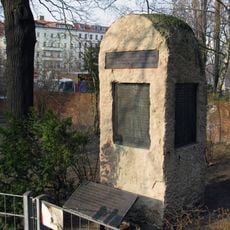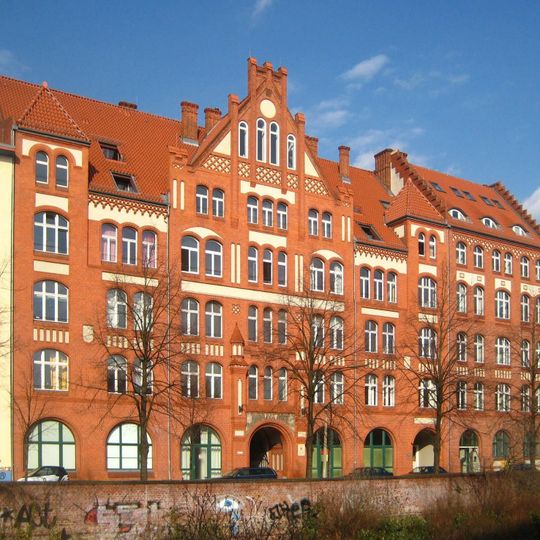
Engeldamm 62–64, Heritage monument in Mitte, Germany.
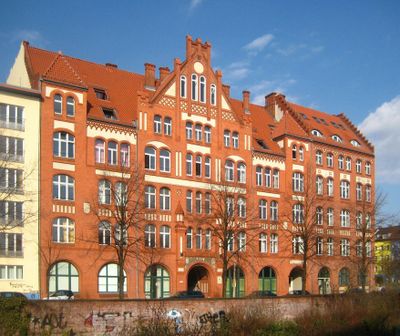
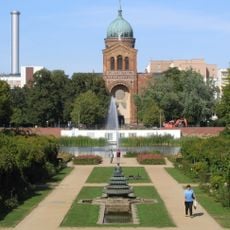
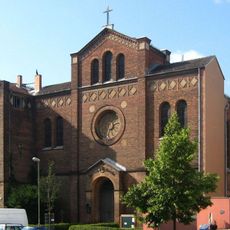
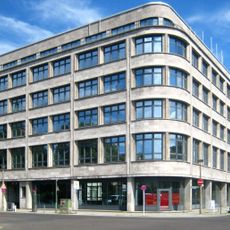
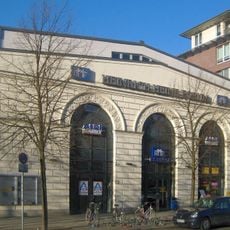
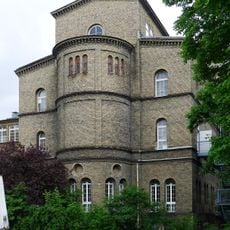
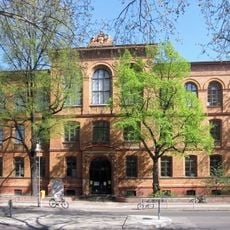
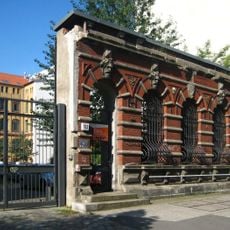
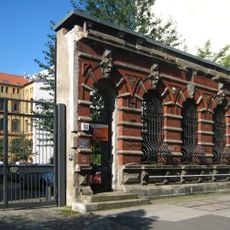
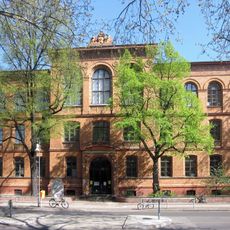
Engeldamm 62-64 is a building in Mitte with neo-Gothic elements constructed from unplastered red brick, featuring a U-shaped layout that allowed multiple uses across its different floors. The facade displays characteristic details of late 19th-century industrial architecture, with large windows and crafted details reflecting the building's era.
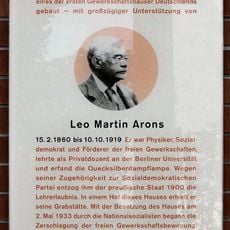
The building opened in 1900 as Germany's first dedicated space for trade unions and worker organizations, designed by architects Konrad Reimer and Friedrich Körte. During World War I, it served as an emergency medical facility before being adapted for different purposes in later periods.
The building sits in a central location within Mitte and is easily accessible via Berlin's public transport network, making it simple to reach. Visitors can view and photograph the exterior architecture from the street, as the interior now contains residential apartments and commercial spaces.
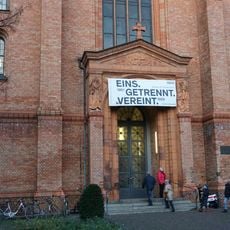
The building originally displayed the inscription 'Gewerkschaftshaus' between its floors, marking its importance as a worker assembly space. This text is a visible clue for visitors, explaining the building's purpose and legacy that remains relevant to its story today.
The community of curious travelers
AroundUs brings together thousands of curated places, local tips, and hidden gems, enriched daily by 92,138 contributors worldwide.