Medieval Mikveh, Old Jewish bath in Erfurt
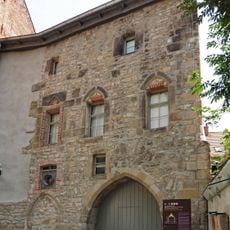
The Medieval Mikveh is an underground stone chamber in Erfurt's old town near the Krämerbrücke, fed by the nearby Gera River. Its deep basin is cut into rock, and a 12th-century wall section shows an earlier building on the site. The present bath dates from the 13th century and was used until 1453.
Construction dates to the 13th century, and records confirm the Jewish community's formal status by documenting tax payments to church and city authorities. This written evidence demonstrates an organized and established Jewish presence in medieval Erfurt.
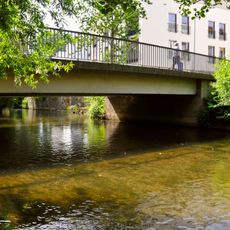
The bath was fed by flowing water from the nearby Gera, since a mikveh requires "living" water; the river's proximity made this possible. It was used until the Jews were expelled from Erfurt in 1453, after which the basin was filled in and the room served as a cellar. The site is part of the Erfurt Jewish Life network.
The bath can be viewed through an observation window at the protective shelter above the site, allowing visitors to look down into the medieval structure. The Erfurt Tourism Board offers guided tours that provide context and details about what you are seeing below ground.
The bath was rediscovered in 2007 during reinforcement work on the Gera riverbank near the Krämerbrücke, when a cavity first taken for a storage cellar turned out to be the mikveh. It was opened to the public in 2011, and in September 2023 it was inscribed on the UNESCO World Heritage list together with the Old Synagogue and the Stone House.
The community of curious travelers
AroundUs brings together thousands of curated places, local tips, and hidden gems, enriched daily by 94,646 contributors worldwide.