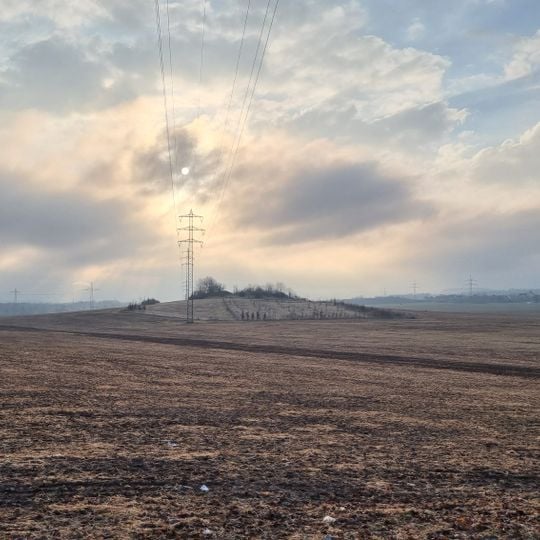
Gamighübel, hill in Germany
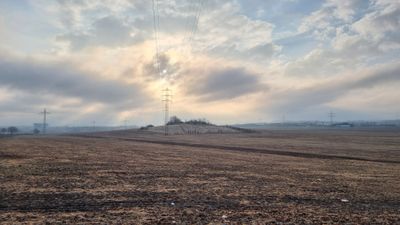
Gamighübel is a small hill made of granodiorite that rises just under 200 meters above sea level, marked by its rocky surface with patches of grass and shrubs. The structure shows different layers of stone containing visible fossils of marine creatures from the Cretaceous period, embedded in cracks and hollows throughout the rock face.
Gamighübel was used as a stone quarry in the 1800s, with workers from nearby villages extracting granodiorite for road construction. During these quarrying activities, workers discovered numerous fossils of marine creatures from the Cenomanian period about 100 million years ago, leading later scientists to study the ancient seabed that once covered the region.
Gamighübel carries a name of Slavic origin meaning stone, first recorded in 1592. Today visitors use the hill as a quiet place for walking and observing nature, moving slowly across its open meadows and rocky slopes to experience the landscape without rush or noise.
The hill is easily reached via well-marked walking paths with solid ground underfoot, making it accessible to most visitors without special equipment. The best time to visit is during dry seasons when the paths are clear and weather conditions are favorable for outdoor walking.
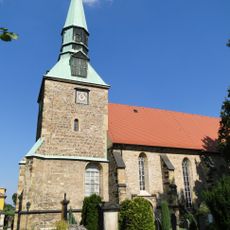
An old local legend tells of dwarves said to have mined gold and precious stones inside the hill, with their hammer strikes audible on quiet days. According to the tale, these dwarves supposedly moved their treasures across the nearby Elbe river to another location after a church was built nearby and its bells began to ring.
The community of curious travelers
AroundUs brings together thousands of curated places, local tips, and hidden gems, enriched daily by 91,379 contributors worldwide.