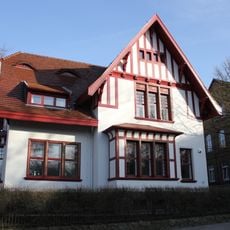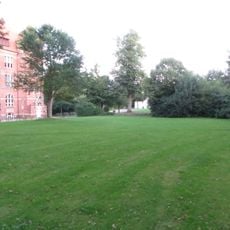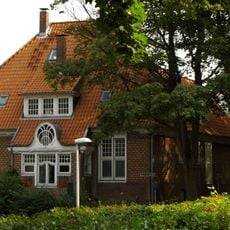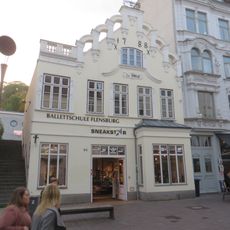
Heinrich-Sauermann-Haus, Cultural heritage monument in Flensburg, Germany
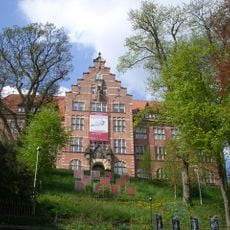
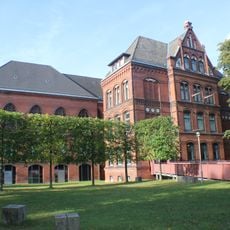
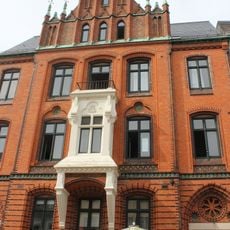
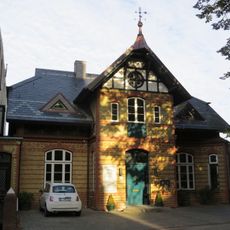
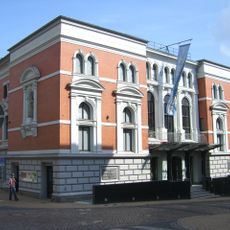
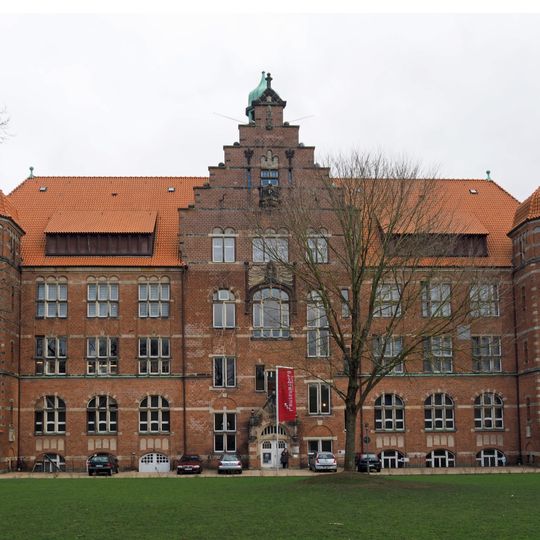
The Heinrich-Sauermann-Haus is a heritage monument in Flensburg built in Northern Renaissance style with three floors featuring ornate facades and distinctive gables. The building contains roughly 3,000 square meters of exhibition space showcasing artworks, furnishings, and objects from different historical periods.
The building was constructed between 1900 and 1903 based on architect Carl Mühlke's designs to serve as a municipal museum. Its creation coincided with the city's decision to establish a dedicated home for its growing collections.
The building displays regional artworks and furnishings that reflect the tastes and craft traditions of northern German society across different periods. The collections throughout the rooms give you a sense of how people in this region lived and decorated their spaces over time.
The building is centrally located in Flensburg and easy to reach via Museumsberg street. Plan to spend two to three hours exploring the different exhibition rooms and collections at a comfortable pace.
The so-called Paris Room was specifically created for the 1900 World Fair and earned gold medals for its artistic execution. This space demonstrates the level of craftsmanship that artisans from this region had achieved during that era.
The community of curious travelers
AroundUs brings together thousands of curated places, local tips, and hidden gems, enriched daily by 92,632 contributors worldwide.