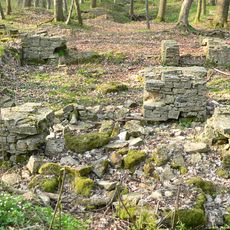
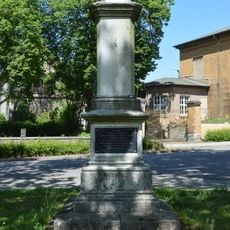
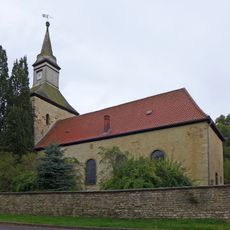
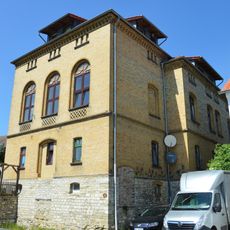
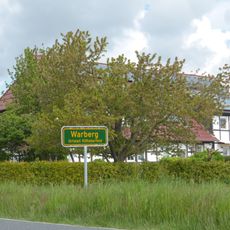
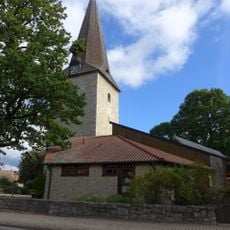
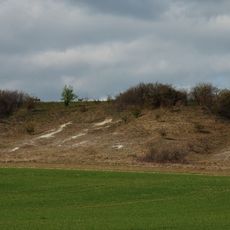
Archaeological excavation sites in the Schöningen opencast mine, Archaeological excavation sites in Schöningen, Germany.
The archaeological excavation site in the former lignite mine contains layers from different periods with numerous finds from prehistoric times. The area is divided into individual excavation fields that are systematically researched to uncover different time horizons.
Eight wooden spears from 300,000 years ago were discovered here, showing that early humans already made complex hunting weapons. These findings from the Paleolithic period changed how scientists understand the capabilities of our ancient ancestors.
The site is named after the Schöningen opencast mine in the Helmstedt lignite district, where about 50 find spots were recorded from 1983 onward. The long-term project ASHB, initiated by archaeologist Hartmut Thieme, aimed to document human traces across a large area without gaps. The wooden spears and throwing sticks are now held in museums, not at the excavation site itself.
The opencast mine was closed in 2016, but excavations near the site of the Schöningen spears continue. The surrounding area is an active research zone, not a developed visitor site, so access is limited and should be arranged in advance. The excavated finds are held and studied by the responsible heritage authorities rather than displayed on site.
The special geological conditions here preserved organic materials like wood for hundreds of thousands of years, making finds possible that would otherwise have decayed. Such fully preserved wooden weapons are extremely rare and give unusual insights into Stone Age daily life.
The community of curious travelers
AroundUs brings together thousands of curated places, local tips, and hidden gems, enriched daily by 93,181 contributors worldwide.