Neolithic settlement Hunte 1, Archaeological site in Lembruch, Germany
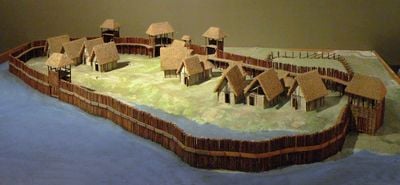
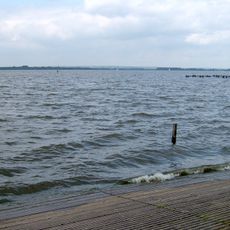
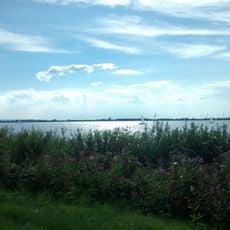
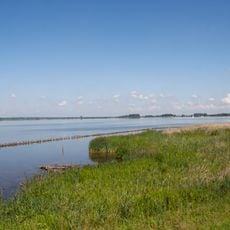
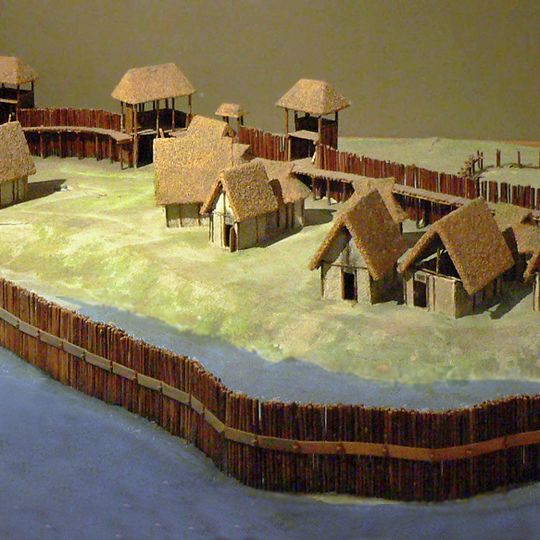
Neolithic settlement Hunte 1 is an archaeological site in Lembruch, Germany, that preserves traces of wooden structures from prehistoric times. The oval layout of postholes and palisade foundations covers several dozen meters and sits within a protected wetland near a large lake.
The settlement began around 5200 years ago and lasted for over a millennium, during which several Neolithic cultures used the site. Archaeological excavations in the late 1930s uncovered postholes, tools and organic remains now preserved in museums.
The name Hunte 1 comes from the nearby Hunte river that flows through the region and has shaped the area for centuries. The excavated animal bones and tools show how residents relied on fishing, hunting and simple farming to organize their daily life.
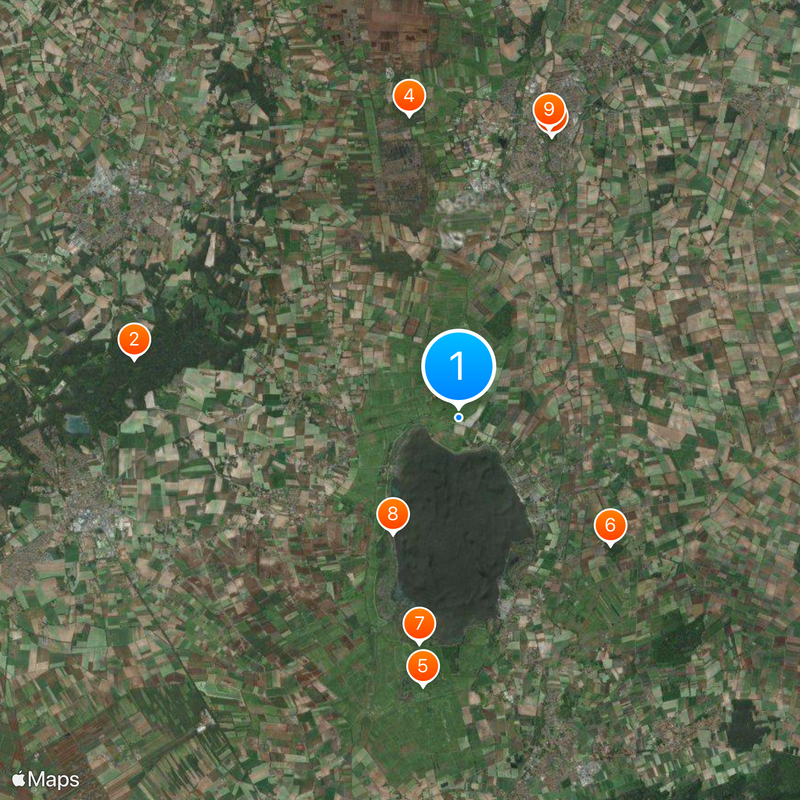
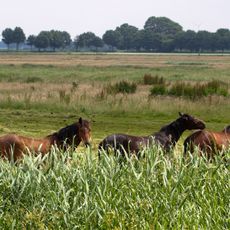
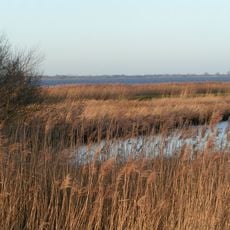
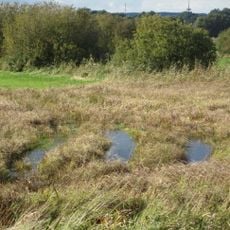
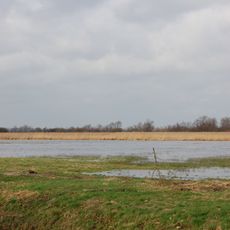
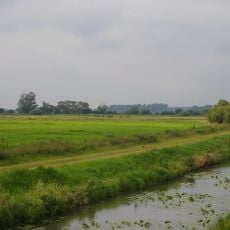
The site sits within a nature reserve north of a regional road, roughly one kilometer from the lakeshore. The marshy surroundings and lack of signage make access difficult, so visiting a museum to see the artifacts is often more practical.
Among the human remains researchers found skulls with surgical cuts where pieces of bone had been removed. These operations were performed during the Neolithic period and many patients survived the procedure, as healed edges show.
The community of curious travelers
AroundUs brings together thousands of curated places, local tips, and hidden gems, enriched daily by 91,404 contributors worldwide.