Pella, Archaeological site in Pella Municipality, Greece
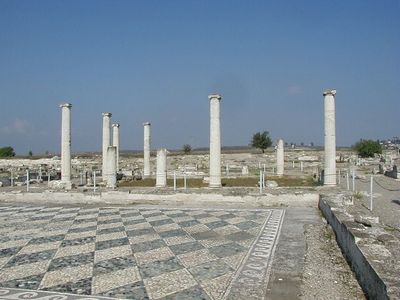
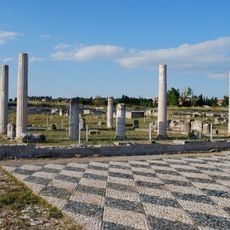
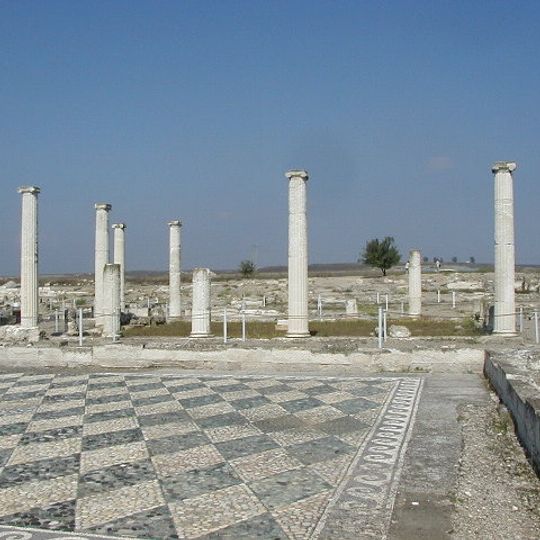
Pella is an archaeological site in Pella Municipality, Greece, where the remains of an ancient Macedonian city have been uncovered. The excavations extend across a wide area with street grids, residential houses, and public buildings laid out in a rectangular pattern.
Around 400 BCE, the city became the capital of the Macedonian kingdom and flourished under Philip II. The settlement remained an important center until the Roman conquest in the 2nd century BCE.
The name derives from the Macedonian word for stone, pointing to the rocky terrain of the area. Visitors today can walk through uncovered residential quarters with well-preserved floor mosaics that show daily life and artistic tastes of the ancient inhabitants.
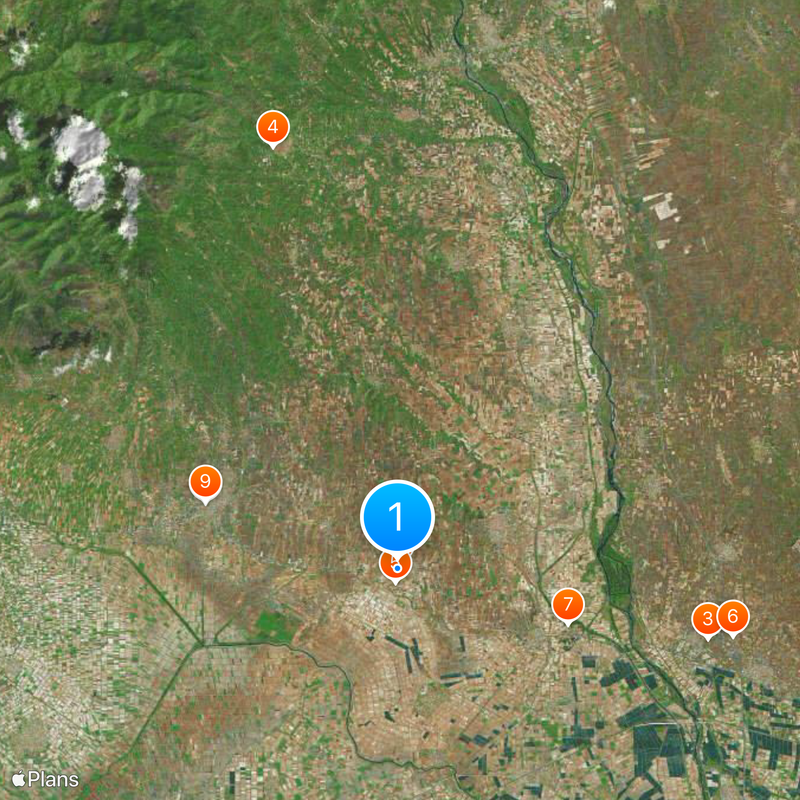
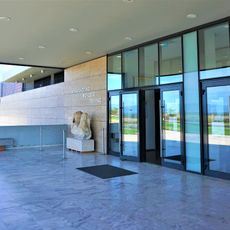
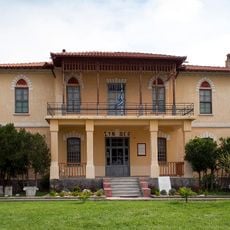
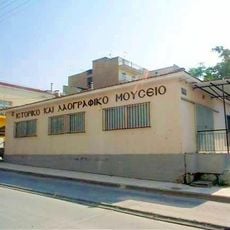
The site lies a few kilometers from the modern town of Pella and is best reached by car. A small museum at the entrance displays finds from the excavations, including pottery and jewelry.
Beneath the streets run terracotta pipes that brought running water into houses. This system shows the high standard of urban infrastructure in ancient times.
The community of curious travelers
AroundUs brings together thousands of curated places, local tips, and hidden gems, enriched daily by 91,992 contributors worldwide.