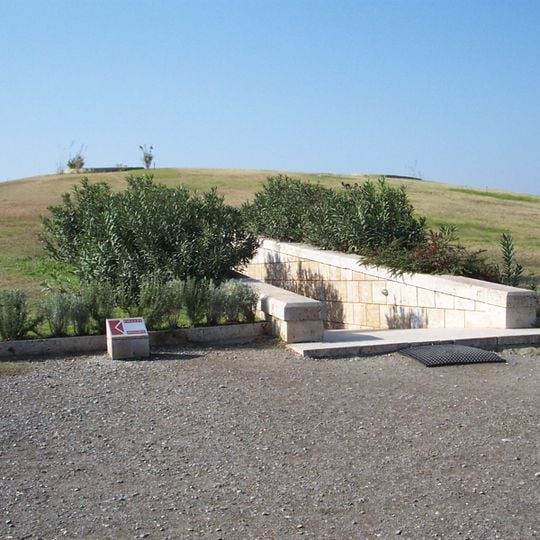
Vergina, Archaeological site in Veria Municipality, Greece
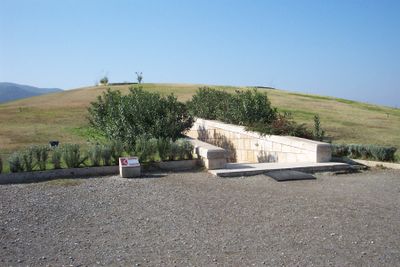
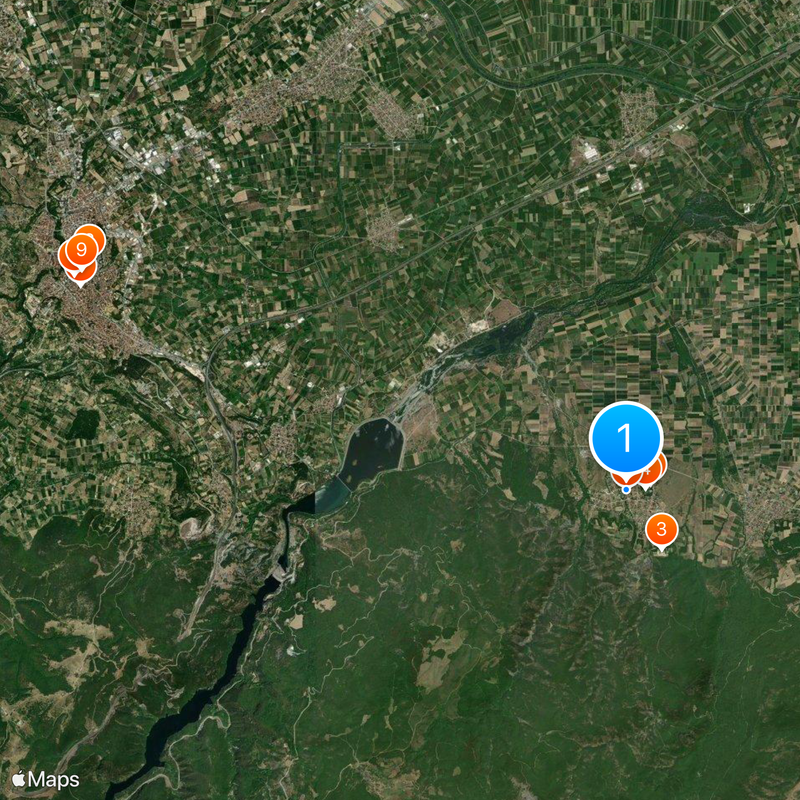
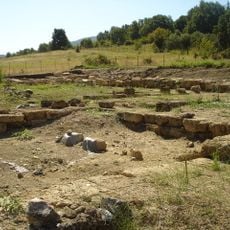
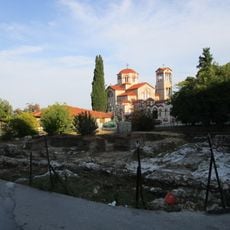
Vergina is an archaeological site in Veria Municipality, Greece, containing several excavation zones with royal tombs, palace remains, and ceremonial buildings. The excavation areas sit on a gentle slope at roughly 120 meters elevation and are accessed through a central museum complex linking underground chambers and exhibition halls.
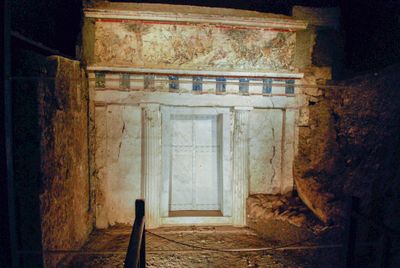
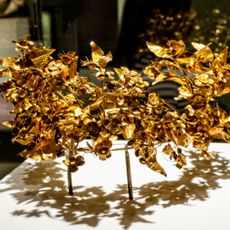
The area served as the capital of the Macedonian kingdom from the 7th century BCE until Roman times and housed the primary burial grounds of the ruling dynasty. Archaeologist Manolis Andronicos uncovered the unlooted burial chamber of Philip II in 1977, revealing golden relics and military gear from the 4th century BCE.
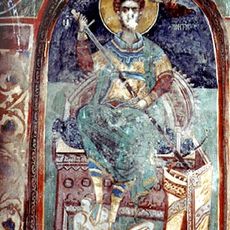
The site museum displays wall paintings inside burial chambers that visitors can view directly at the tomb walls, still showing their original tones. Ceremonial objects and personal items of Macedonian rulers rest behind glass in climate-controlled rooms that give the feeling of a royal treasury.
The underground burial chambers are accessible through the main museum building, where the entrance hall and information desks are located. Paths between excavation zones are mostly level but can be slightly sloped in some sections.
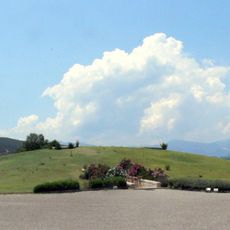
The great burial mound holds four royal chambers, including the resting place of Alexander IV, whose walls are painted in red and blue pigments that have kept their color for over two millennia. The dyes were made from natural minerals and applied directly onto wet plaster, which explains their exceptional durability.
The community of curious travelers
AroundUs brings together thousands of curated places, local tips, and hidden gems, enriched daily by 92,428 contributors worldwide.