Royal Burial Cluster of Philip II, Royal burial site in Vergina, Greece
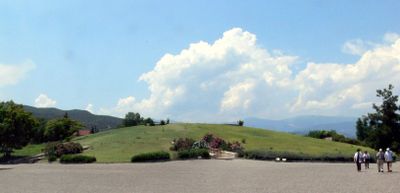
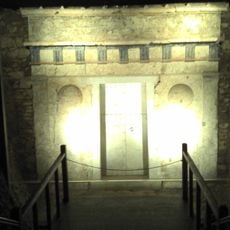
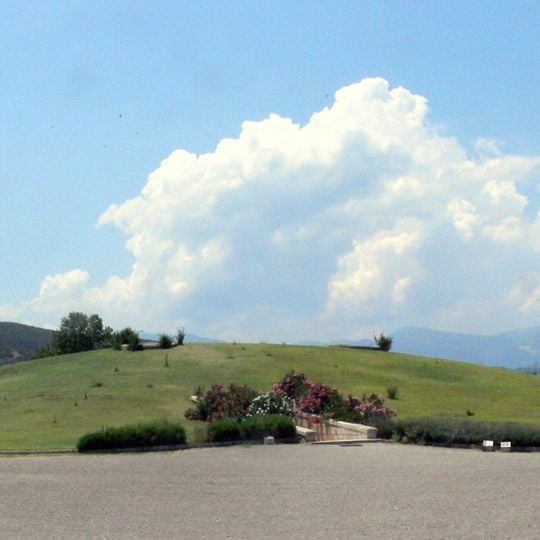
The Royal Burial Cluster is an underground site with four connected chambers built into an earthen hill, each sealed for nearly 2,000 years. The chambers feature marble facades and painted wall decorations that originally adorned the burial spaces.
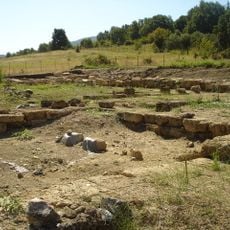
Professor Manolis Andronikos discovered the unlooted tomb in 1977, which led to identifying ancient Aigai as the first capital of Macedon. This find helped archaeologists understand the early development of the region.
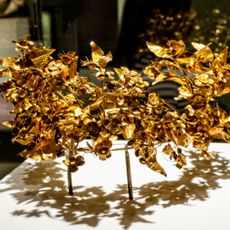
The artifacts include gold larnaxes, ceremonial weapons, silver vessels, and intricate jewelry that reflect the highest Macedonian craftsmanship of the time. These pieces show how skilled artisans created objects to display royal power and wealth.
The underground museum maintains controlled temperatures to protect the tombs while allowing visitors to see the burial chambers and artifacts in their original positions. The visitor path is carefully organized to explore these ancient spaces without damaging the site.
The skeletal remains in one of the chambers show battle injuries, including a healed wound near the eye socket, which matches historical accounts of the king's life. These physical traces offer a rare direct link to the experiences of an ancient ruler.
The community of curious travelers
AroundUs brings together thousands of curated places, local tips, and hidden gems, enriched daily by 91,237 contributors worldwide.