Tomb of Philip ΙΙ, building in Veria Municipality, Greece
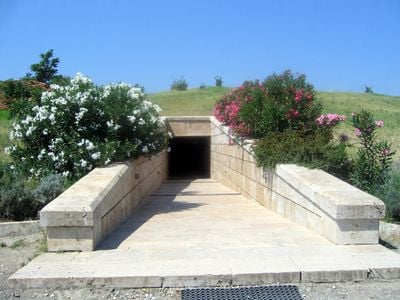
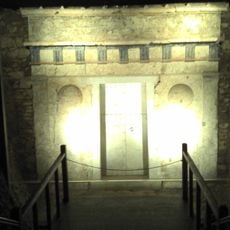
The Tomb of Philip II is a royal Macedonian burial structure located at Vergina, in the Veria municipality of northern Greece. It consists of several underground chambers with stone walls and a painted facade, built in the style common to royal construction of the 4th century BC.
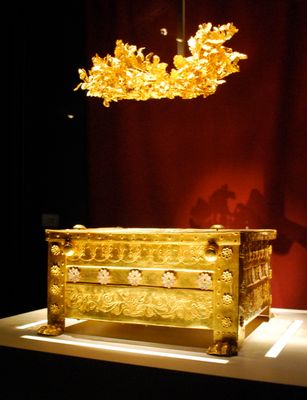
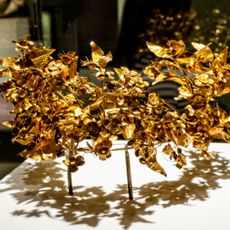
The tomb was discovered in 1977 by Greek archaeologist Manolis Andronikos, who identified it as the burial place of Philip II of Macedon, father of Alexander the Great. The finds inside, including weapons, gold objects and the remains of a man, supported this identification.
The tomb stands in Aigai, the ancient capital of Macedonia, where kings were traditionally buried even after the court moved elsewhere. This tradition made Aigai a place of royal memory that people continued to visit and honor for generations.
The tomb is now housed inside the Museum of the Royal Tombs of Aigai at Vergina, which is open throughout the year. Visitors can walk through the interior spaces, and the site is largely accessible, though some areas have uneven ground.
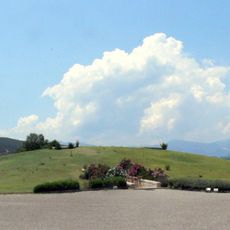
The tomb was sealed beneath a large earthen mound that kept grave robbers away for over 2,000 years. When Andronikos opened it, the contents were still largely in place, making it one of the very few royal burials of that era found intact.
The community of curious travelers
AroundUs brings together thousands of curated places, local tips, and hidden gems, enriched daily by 60,000 contributors worldwide.