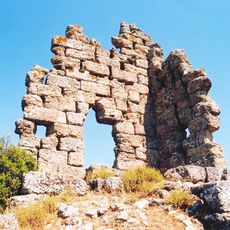
Abai, Archaeological site in eastern Phokis, Greece
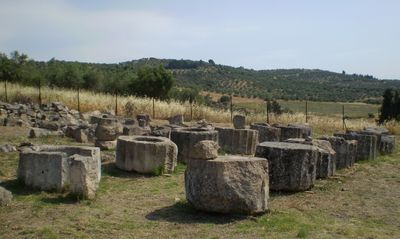
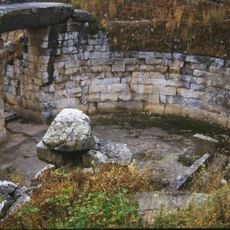
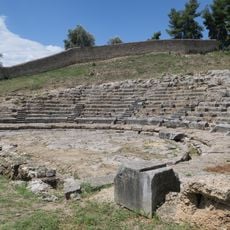
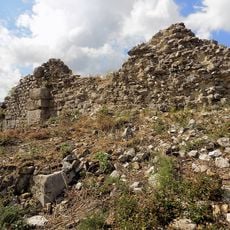
Abai is an archaeological complex in eastern Phokis featuring ten temples built one on top of another, each representing different construction periods. The site spans from around 1400 BCE to the 2nd century CE and shows how building techniques evolved across these centuries.
The oldest temple was built during the late Bronze Age and went through cycles of destruction and rebuilding over many centuries. Each cycle of collapse and renewal left new layers that make up the stratified ruins we see today.
The sanctuary served as a gathering place where communities came together and expressed their bonds through shared offerings and ceremonies. These practices shaped the spiritual life of the region for hundreds of years.
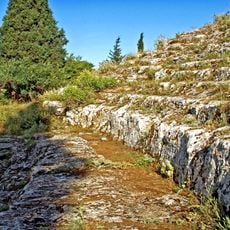
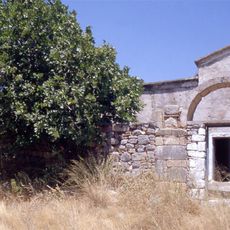
The site lies in open terrain near Kalapodi village and is straightforward to explore since the different temple layers are clearly visible. Visitors should bring sun protection and wear sturdy shoes, as the ground is uneven throughout the archaeological area.
Excavations uncovered a clay altar shaped like a horseshoe, a rare religious object from ancient times. This unusual form suggests rituals that differed from other known sacrifice altars in the region.
The community of curious travelers
AroundUs brings together thousands of curated places, local tips, and hidden gems, enriched daily by 60,000 contributors worldwide.