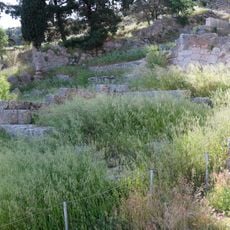
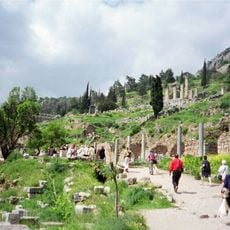
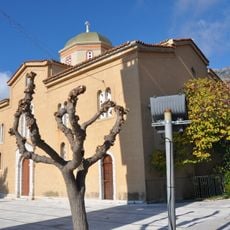
Mount Parnassus, Mountain range in Central Greece, Greece
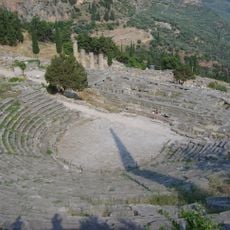
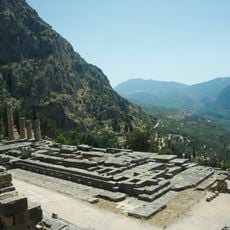
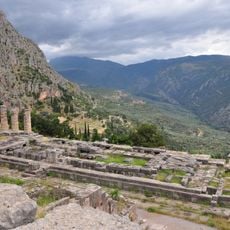
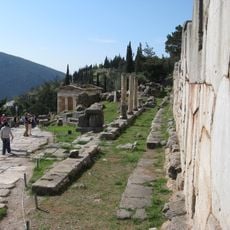
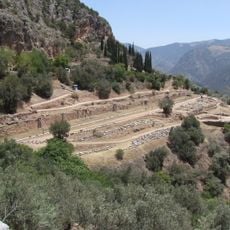
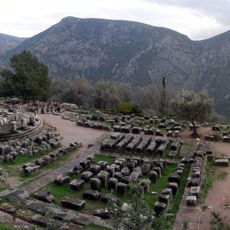
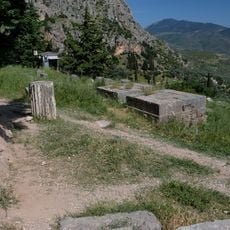
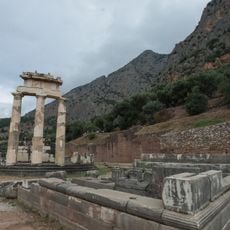
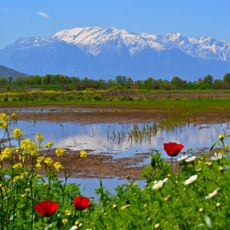
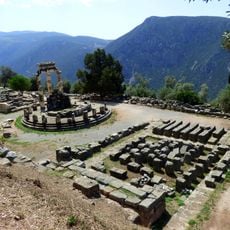
Mount Parnassus rises to 2457 meters above sea level and shows limestone formations with several peaks visible from the ancient city of Delphi. The range stretches across central Greece and forms a natural barrier between the Corinthian and Malian gulfs.
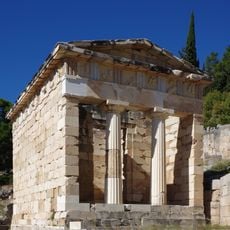
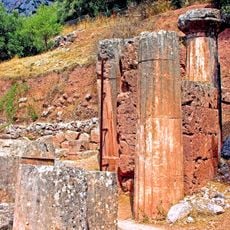
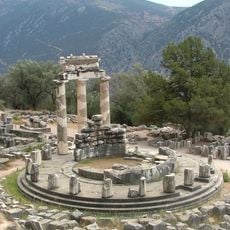
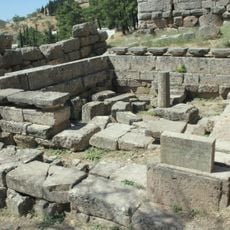
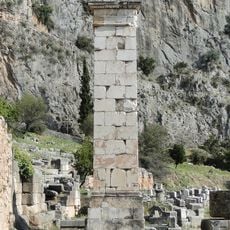
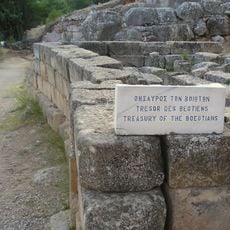
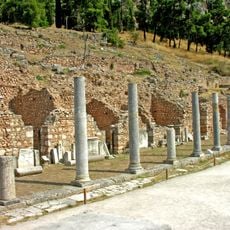
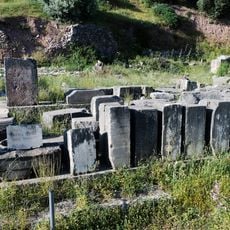
In the Deucalion flood myth, the survivors followed howling wolves up the slope and founded Lycoreia, later identified with the peak Liakoura. Ancient communities of the range appear in Homer's Iliad, and the Dorian Phocians inhabited the region. Delphi, with its oracle of Apollo, stood on the southern slopes.
Ancient Greeks saw this summit as home to Apollo and the nine Muses, placing it at the center of poetry and artistic creation. The name itself connects to divine oracles and the Muses who were believed to inspire poets and artists.
The range lies across Boeotia, Phthiotis and Phocis, with its highest peak, Liakoura, at 2,457 m. Trails are usable in the three warm seasons, while winter skiing is concentrated around Arachova. Snowmelt supplies municipal water to nearby communities, so springs and streams run high in spring.
Parnassus is one of the few Greek mountains where bauxite, the aluminium ore, is mined on a large scale, with systematic extraction since the late 1930s. The mining has caused ecological damage to parts of the range. The mountain's two main peaks are Liakoura at 2,457 metres and Gerontobrachos at 2,395 metres.
The community of curious travelers
AroundUs brings together thousands of curated places, local tips, and hidden gems, enriched daily by 92,793 contributors worldwide.