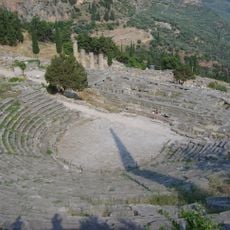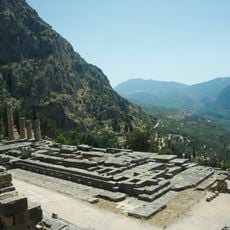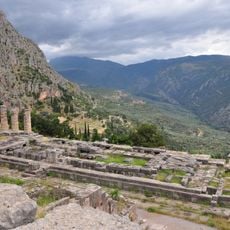
Corycian Cave, Ancient sacred cave near Delphi, Greece
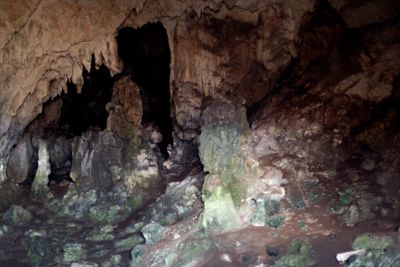
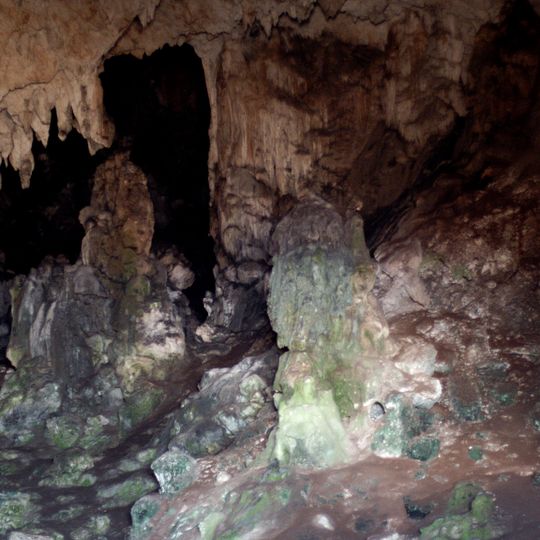
The Corycian Cave is a natural cave on Mount Parnassus at about 1,360 meters in elevation that extends deep into the mountain. The first main chamber impresses with its size and features spectacular stalactite and stalagmite formations along with limestone walls.
The cave served as an important sanctuary in ancient times and provided refuge during the Persian invasion of 480 BCE. Archaeological evidence reveals that it was visited and revered over many centuries by the people of the region.
The cave's modern name Sarantavli, "forty rooms", comes from the many caverns that run deep into Parnassus. The name Corycian derives from korykos, "knapsack", after the stalactites that resembled leather bags. A flat-topped stalagmite called Table served as a depository for votives, and an inscription carved right of the entrance records a dedication to Pan and the Nymphs by Eustratos of Ambryssos.
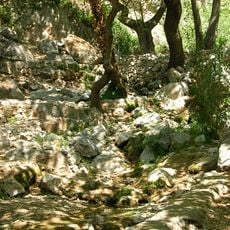
Reaching the cave requires a hike through fir-forested mountain slopes, so sturdy footwear is essential. The uneven paths and elevation demand good physical fitness and appropriate clothing for changing mountain weather conditions.
The local name Sarantavli means "forty rooms", referring to the many caverns that run deep into Parnassus, not to any acoustic effect. Just right of the entrance, a rock inscription carved in the 4th–3rd century BCE records a dedication by Eystratos son of Alkidemos of Ambryssos to Pan and the Nymphs.
The community of curious travelers
AroundUs brings together thousands of curated places, local tips, and hidden gems, enriched daily by 93,138 contributors worldwide.