Sparta, Ancient city in Peloponnese, Greece.
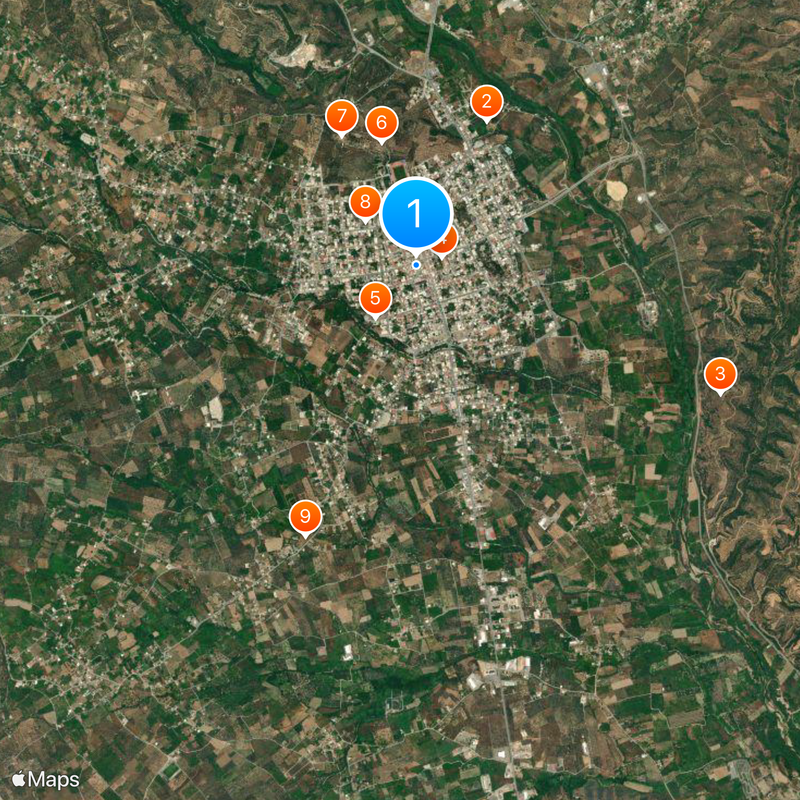
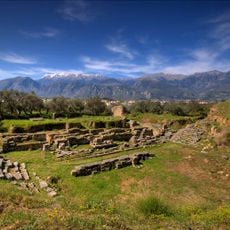
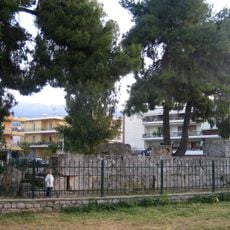
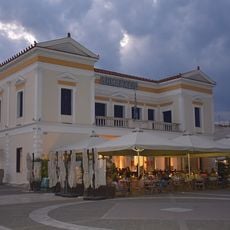
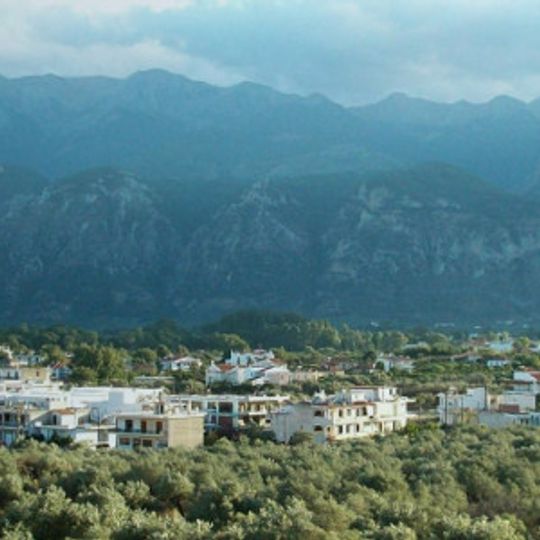
Sparta sits in the Eurotas River valley between the foothills of the Taygetus Mountains, surrounded by olive groves and flat plains. The modern settlement follows a grid plan with wide streets and low buildings scattered among excavation sites.
The settlement emerged in the 10th century before Christ from several villages that joined into a political community. After conflicts with Athens, it lost influence in the 4th century before Christ and shrank further under Roman rule.
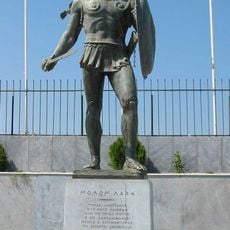
The name comes from the Greek word for scattered, reflecting the separate villages that formed without a shared wall. In the center today stands a statue of Leonidas, the king who fought with three hundred soldiers at Thermopylae.
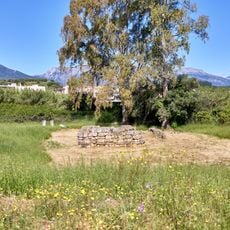
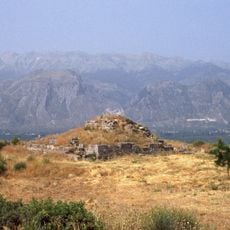
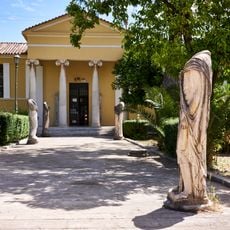
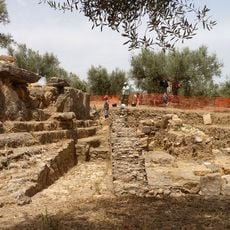
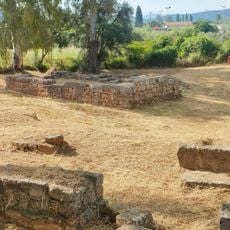
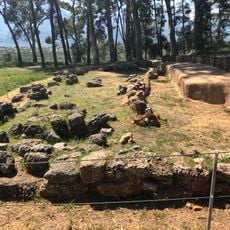
The archaeological museum displays finds from the region, including pottery, weapons and sculptures from different periods. Ancient ruins lie scattered through the town and can be explored on foot or by bicycle.
The inhabitants spoke laconically, a terse way of speaking that survives today in the word laconic. Excavations showed the ancient settlement had no monumental temples or palaces but consisted mainly of simple houses and training grounds.
The community of curious travelers
AroundUs brings together thousands of curated places, local tips, and hidden gems, enriched daily by 90,826 contributors worldwide.