Archaeological Museum of Sparta, Archaeological museum in Sparta, Greece
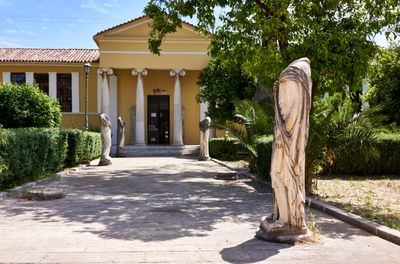
The Archaeological Museum of Sparta displays finds from different time periods, spanning from the Neolithic era to the late Roman period, arranged across multiple exhibition rooms. The rooms present pottery, sculptures, mosaics, and objects discovered in ancient temples and settlements across the region.
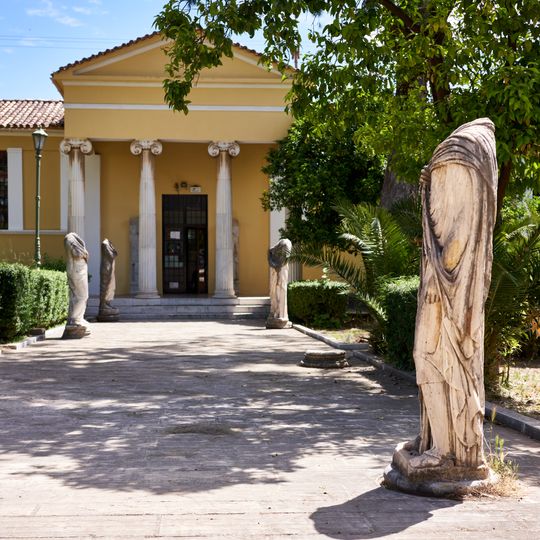
The museum was founded in 1875 and is housed in a neoclassical building designed by architect G. Katsaros, built 1874–76 as a "Museum Store" and described as the first Greek museum built in a provincial town. Its core came from finds gathered by Panagiotis Stamatakis, sent by the Archaeological Society in 1872, after an earlier collection kept in the town hall was destroyed by fire.
The collection shows objects that tell the story of religious and daily life in ancient Sparta, including figurines and offerings from different periods. Visitors see how people worshipped and lived here through items discovered in temples and homes.
Wear appropriate footwear since floors can be uneven and rooms are on different levels. Plan about two hours to explore the exhibition at a relaxed pace and read the information plaques.
The oldest inscribed stele in the entrance hall dates to the 4th century BC and carries five carved sickles; such stelae were set up by young victors at the sanctuary of Artemis Orthia. The museum also holds clay masks from that sanctuary, imitations of the wooden or leather faces worn in cult dances.
The community of curious travelers
AroundUs brings together thousands of curated places, local tips, and hidden gems, enriched daily by 94,257 contributors worldwide.