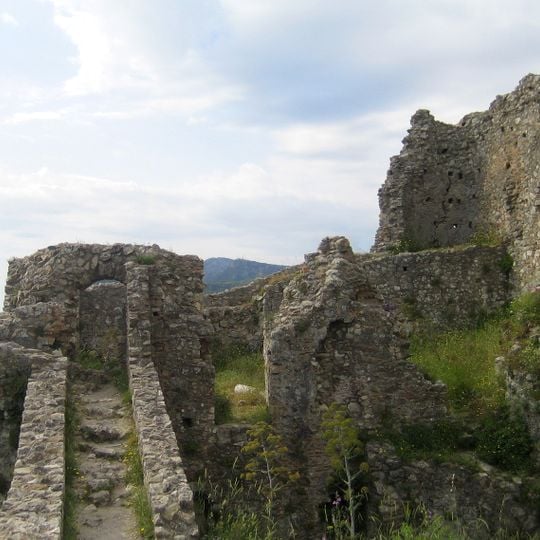
Mystras Castle, Medieval castle in Greece
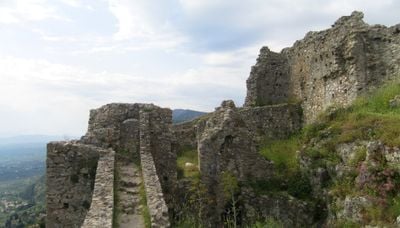
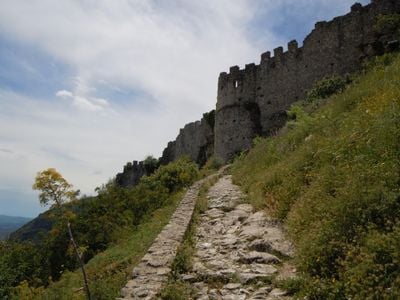
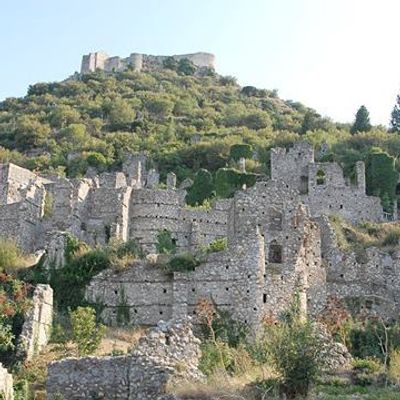
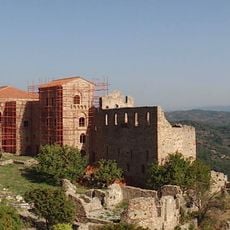
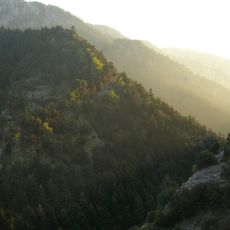
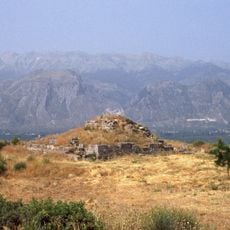
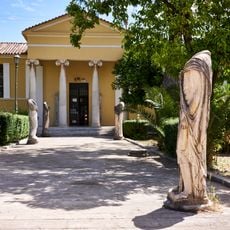
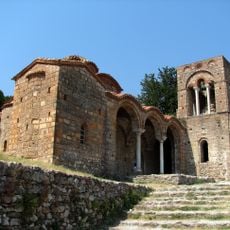
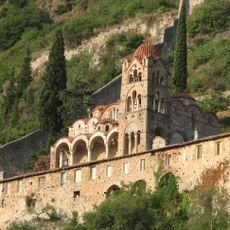
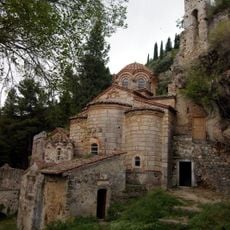
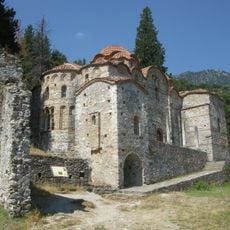
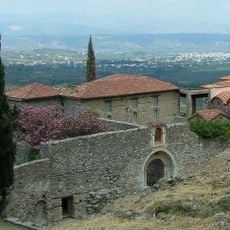
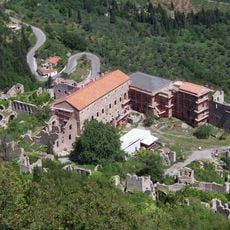
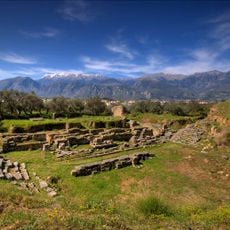
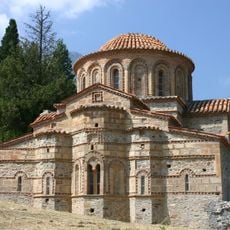
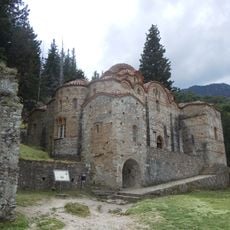
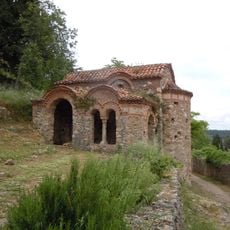
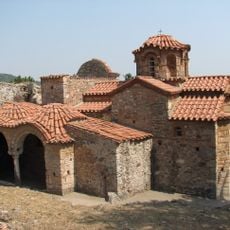
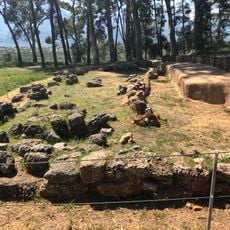
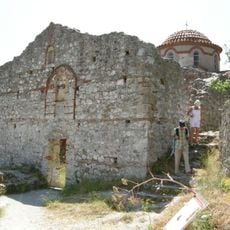
Mystras Castle is a fortress and settlement built on a hill west of Sparta in Greece and surrounded by protective stone walls. The site consists of an upper section with the castle at the summit and a lower section containing churches, monasteries, and residential structures made of local stone and clay, distributed along steep pathways.
The castle was founded in 1249 by William II of Vilehardouin, a Frankish prince, as a fortress to control the region. After its capture by the Byzantines in 1262, the city became the capital of the Despotate of Morea and housed important rulers and scholars until its surrender to the Ottoman Empire in 1460.
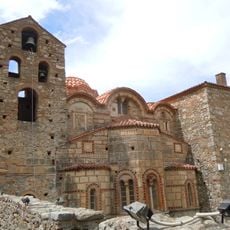
The name Mystras derives from Myzithras, a local cheese production center that gave the place its name. Residents organized their lives around monasteries and churches, which continue to display 14th-century frescoes that reveal the religious character that shaped the city.
The site is accessible through two main entrances, one in the Upper City and one in the Lower City, both near parking areas. An admission ticket is required, and comfortable shoes are strongly recommended due to uneven ground and steep climbs; bring water, especially during hot months.
The renowned scholar George Plethon Gemistos taught here around 1410 and championed the rediscovery of ancient Greek ideas, making the city a hub for philosophy and cultural exchange. This intellectual tradition attracted other important thinkers like Bessarion, who later contributed to efforts uniting the Latin and Greek churches.
The community of curious travelers
AroundUs brings together thousands of curated places, local tips, and hidden gems, enriched daily by 91,188 contributors worldwide.