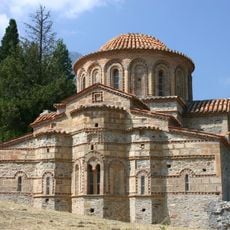
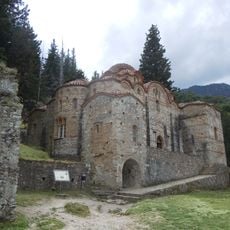
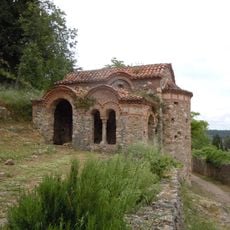
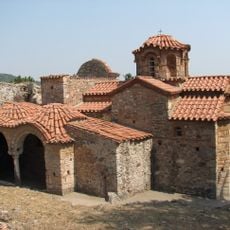
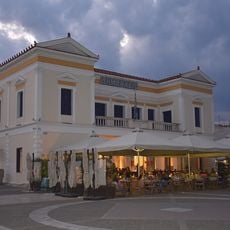
Archaeological Museum of Mystras, Archaeological museum in Mystras, Greece.
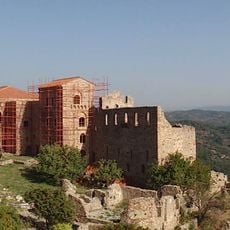
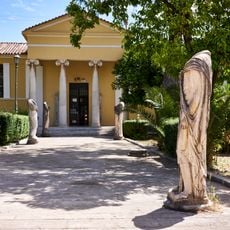
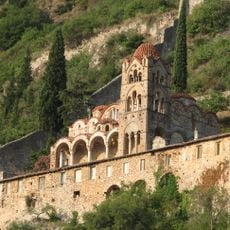
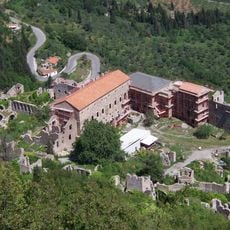
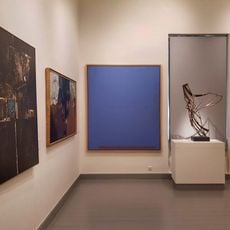
The Archaeological Museum of Mystras is located in the west wing of the metropolitan complex and displays finds from the early Christian through late Byzantine periods. The collection includes sculptures, reliefs, and other objects that document different phases of settlement in this ancient city.
The first informal museum was set up in the east wing of the metropolitan complex by French Byzantine scholar Gabriel Millet in the late 19th century, where sculptural architectural members from Mystras churches were placed. At the start of the 20th century the collection grew with a contribution from Theoklitos Minopoulos, Metropolitan of Sparta. The museum was inaugurated in 1951 and officially founded in 1952 by the Ephorate of Antiquities of Laconia in the west wing of the metropolitan complex, and its permanent exhibition was reorganized in 2001.
The displayed objects reveal how Byzantine artisans worked and the art forms that flourished during that period. These pieces help visitors understand how people in Mystras lived and expressed their faith through creation.
Access operates on a seasonal schedule, with shorter hours during winter months and extended hours during warmer seasons. The museum sits within the ancient site complex, so it is wise to wear sturdy footwear and allow enough time for viewing.
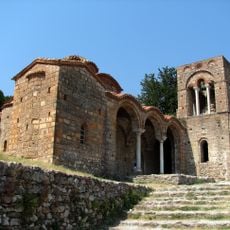
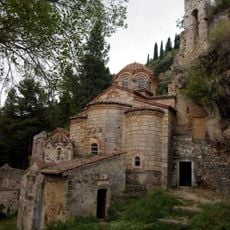
Among the exhibits is the preserved body, dress and hairstyle of a noblewoman found in the Church of Hagia Sophia, thought to be Cleopa Malatesta, wife of the despot Theodore II Palaiologos. A marble relief of Alexander the Great, made between 1350 and 1400, once lay on the floor of the katholikon of the Peribleptos Monastery.
The community of curious travelers
AroundUs brings together thousands of curated places, local tips, and hidden gems, enriched daily by 94,094 contributors worldwide.