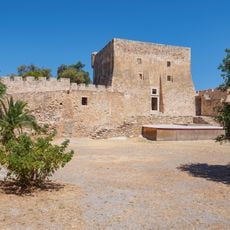
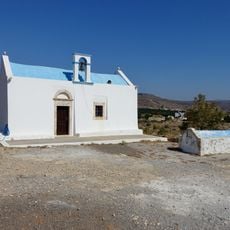
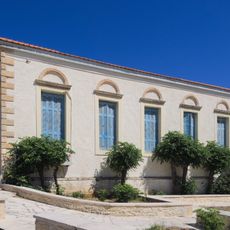
Magasa, Crete, Neolithic settlement near Sitia, Greece
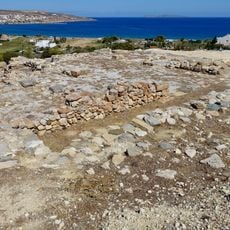
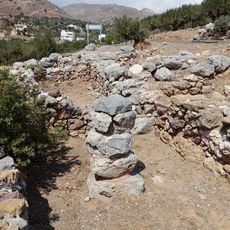
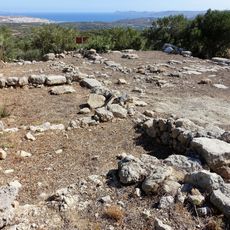
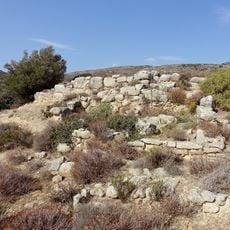
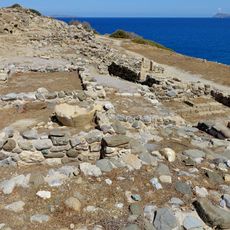
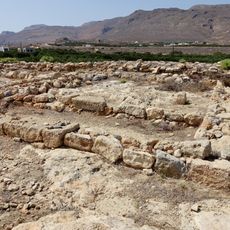
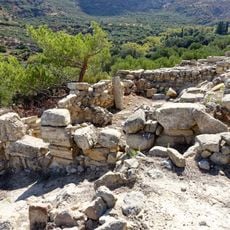
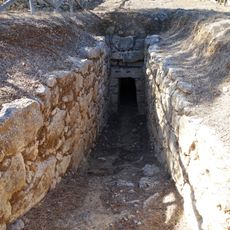
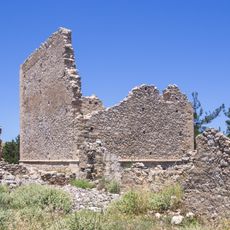
Magasa is a Neolithic settlement near Sitia with remains of residential structures built from stone foundations and mud brick. The ruins display the architectural methods of early Cretan communities, featuring multi-room layouts and finished interior walls.
The settlement was inhabited by two distinct groups who differed in their way of life and technologies. Archaeological excavations since the late 19th century by British researchers have documented the development of this early Cretan community.
The inhabitants of Magasa developed agricultural practices including the cultivation of barley, oats, peas, and wild olives, while also maintaining domesticated goats and sheep.
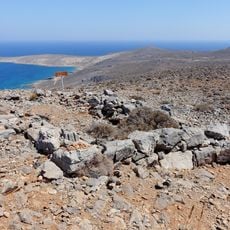
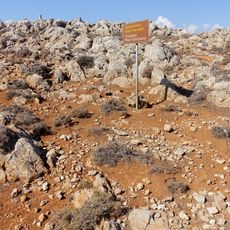
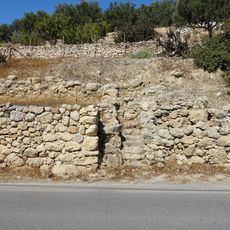
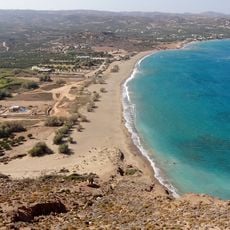
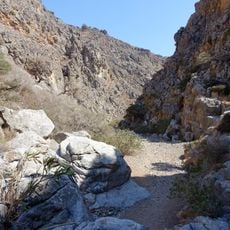
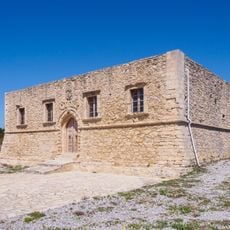
The site is an excavated area with foundations and wall remnants visible from multiple viewpoints. Visitors should wear sturdy footwear and be aware that the location is open to the elements with minimal shade available.
Obsidian blades discovered here came from Milos, a distant island, revealing that early Cretans were connected through established trade networks with other Mediterranean communities. These artifacts show the reach and connections of this early settlement far beyond its local surroundings.
The community of curious travelers
AroundUs brings together thousands of curated places, local tips, and hidden gems, enriched daily by 91,427 contributors worldwide.