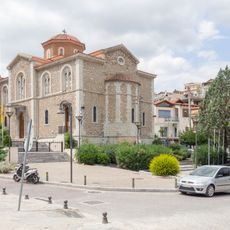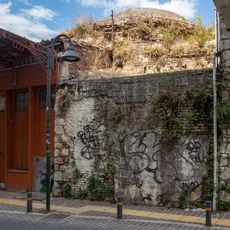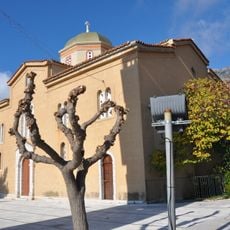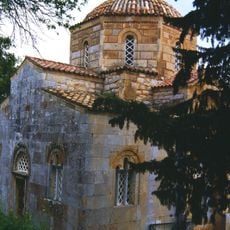
Chaeronea, village in Greece
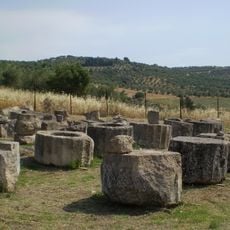
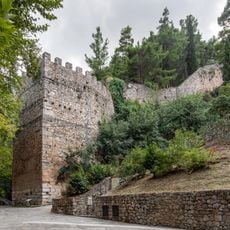
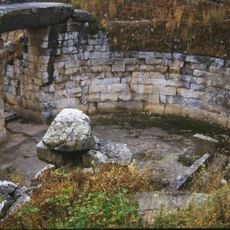
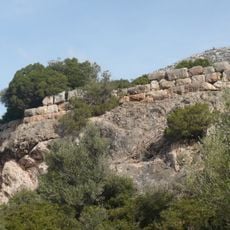
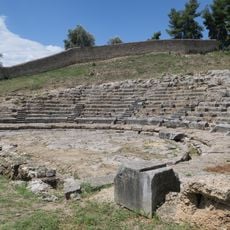
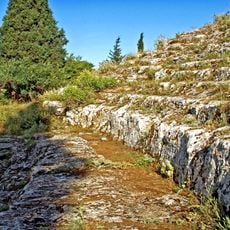
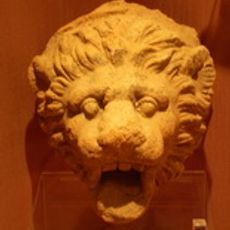
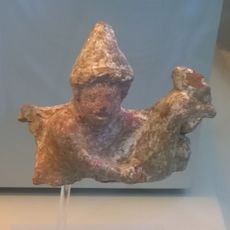
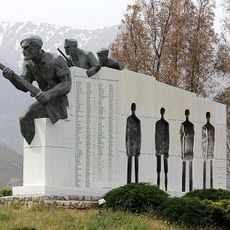
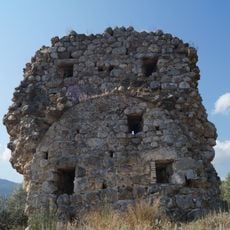
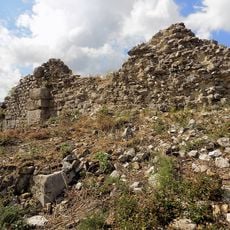
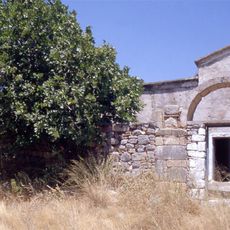
Chaeronea is an archaeological site in Greece with the remains of an ancient city scattered across hilly terrain dotted with stone ruins and vegetation. The site contains temple foundations, fortification walls, an ancient theater, burial grounds, and a museum holding pottery, tools, and sculptures from different periods.
The site was settled in prehistoric times and became an important city-state in the Boeotian region. The place is famous for the battle of 338 BC, where Philip II of Macedon defeated allied Greek city-states, shifting power and reshaping the future course of the Greek world.
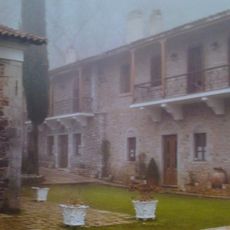
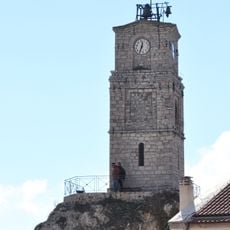
The village's name comes from ancient Greek and connects to local mythology and history. Walking through the streets, you see stone houses and narrow lanes where local people move through their daily routines, with the past woven into how the community views and uses the space.
The site is accessible by train from Athens and can be explored in a few hours. Wear comfortable shoes, bring water, and visit in the early morning or late afternoon when sunlight is softer and temperatures are cooler for walking around the ruins.
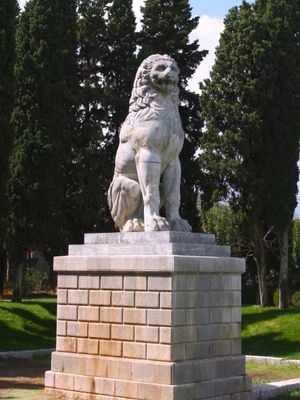
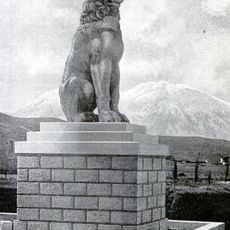
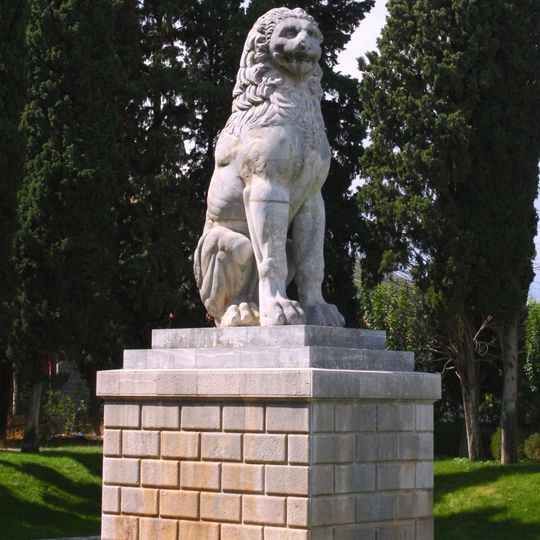
The Lion of Chaeronea monument, standing nearly 20 feet tall, was built to honor the fallen soldiers of the Sacred Band of Thebes who died in the 338 BC battle. Discovered and reassembled in the 19th century, it now marks the original burial site and commemorates one of ancient Greece's most respected military units.
The community of curious travelers
AroundUs brings together thousands of curated places, local tips, and hidden gems, enriched daily by 91,612 contributors worldwide.