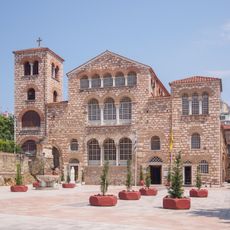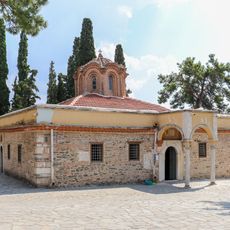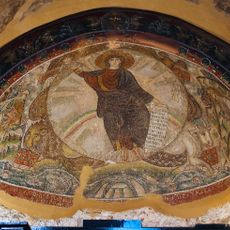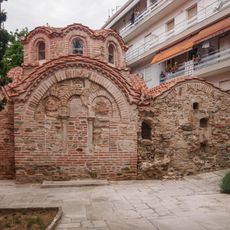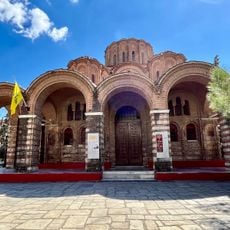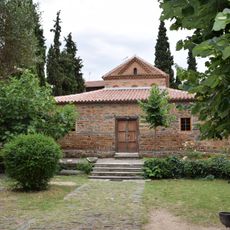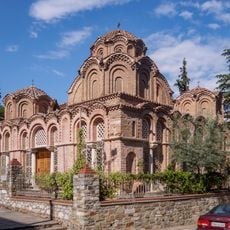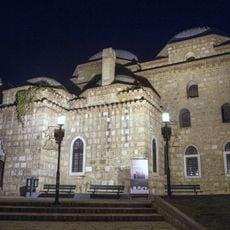
Walls of Thessaloniki, Byzantine fortification system in Thessaloniki, Greece
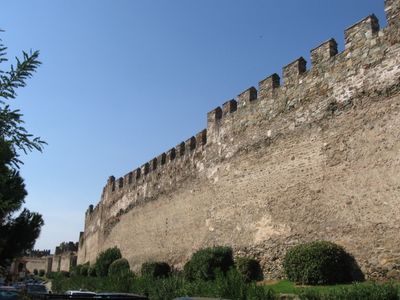
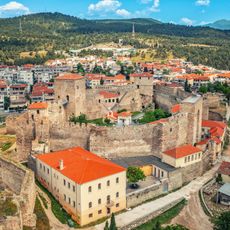
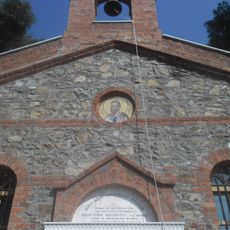
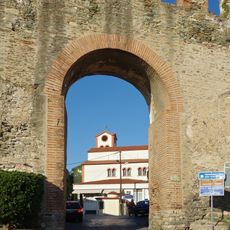
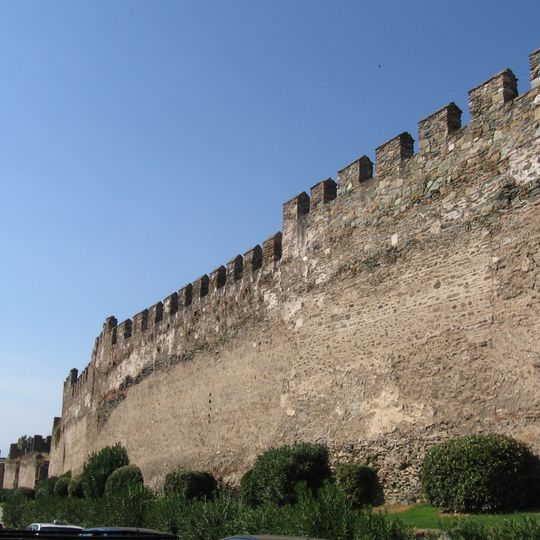
The Walls of Thessaloniki form a defensive system that extends over several kilometers around the historic city, constructed with rectangular towers and triangular bulwarks along various sections. Different parts of the structure show different stages of construction and preservation, following the natural contours of the land.
The fortifications began as Hellenistic structures but were significantly expanded and rebuilt during Roman and Byzantine periods. The most extensive modifications occurred in late antiquity when the empire upgraded its defenses in response to mounting external threats.
The walls were built using stone and marble from older Roman buildings, creating a visible layering of materials from different periods. Walking along them reveals how the city adapted and reused resources across centuries as defense needs changed.
Multiple sections of the walls are accessible throughout the city, with the northern and eastern sections offering the most visible and walkable portions. Access generally requires walking on ground level or moderate slopes, accommodating different fitness levels.
During medieval times, ancient sarcophagi and funerary stones were deliberately submerged in the waters surrounding the city as an underwater defensive barrier against sea invasions. This creative strategy shows how residents repurposed available materials to protect against maritime attacks.
The community of curious travelers
AroundUs brings together thousands of curated places, local tips, and hidden gems, enriched daily by 91,984 contributors worldwide.