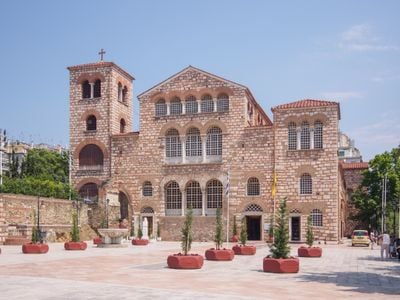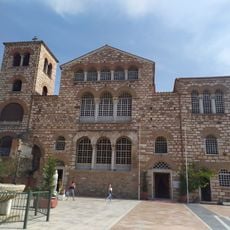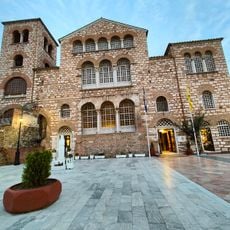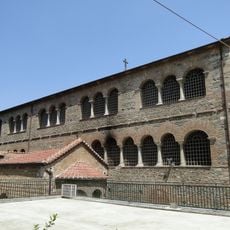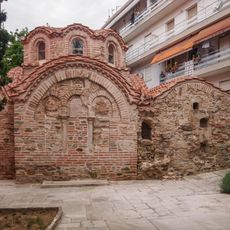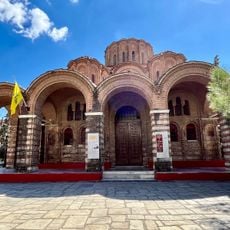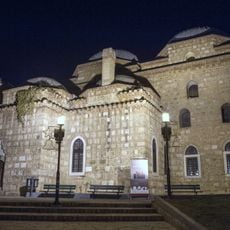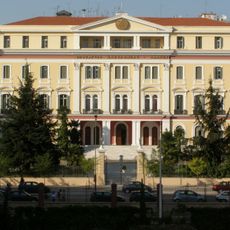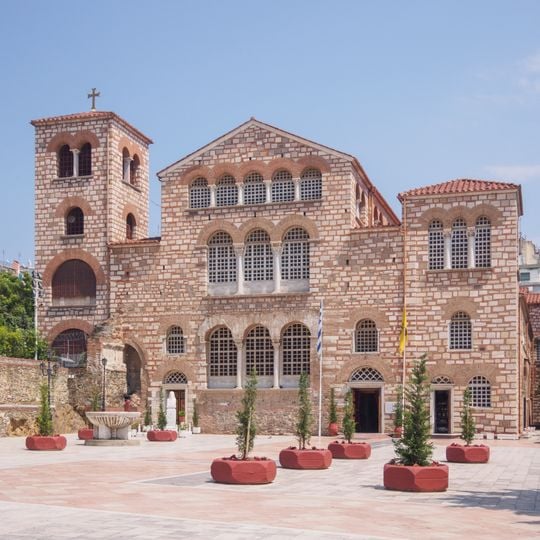
Paleochristian and Byzantine monuments of Thessaloniki, Byzantine and Paleochristian architectural ensemble in Thessaloniki, Greece.
The Paleochristian and Byzantine monuments of Thessaloniki form a building complex comprising around fifteen structures, including the Rotunda of Saint George, the Church of Saint Demetrios, and the Church of Acheiropoietos, scattered across the city center. These buildings display a mixture of Roman, early Christian, and Byzantine architectural styles with varying floor plans, materials, and decorative elements.
The complex was built between the 4th and 15th centuries, documenting the shift from Roman buildings to Christian places of worship in Thessaloniki. The transformation of these structures shows how the city changed religiously and culturally during Byzantine rule.
The buildings display mosaics and frescoes with religious scenes and depictions of saints, reflecting how Christian art developed over the Byzantine period. These artistic works were created and venerated by believers, and their presence shapes the spiritual life of the city to this day.
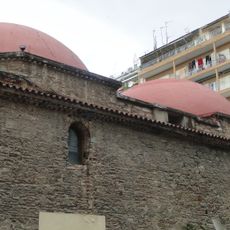
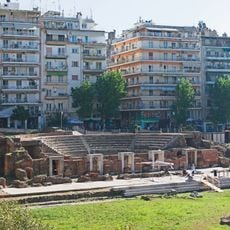
The fifteen monuments are scattered across Thessaloniki's centre, from the city walls to the Rotunda and the churches of the 13th and 14th centuries, so group them by neighbourhood rather than crossing the city repeatedly. Several are working churches with their own opening hours, and the Byzantine Bath is not open to the public. The Church of Saint Demetrios lies near the Roman Forum, the Rotunda close to the Arch of Galerius.
Of the fifteen monuments inscribed by UNESCO in 1988, the Church of Saint Demetrios is the only one with a crypt open to visitors. The church itself is listed as a 7th-century building, though it was rebuilt after a fire in 1917. The crypt holds the spot where the saint's remains were found.
The community of curious travelers
AroundUs brings together thousands of curated places, local tips, and hidden gems, enriched daily by 92,798 contributors worldwide.