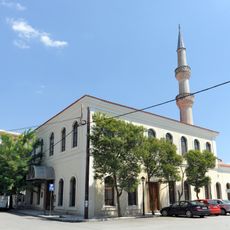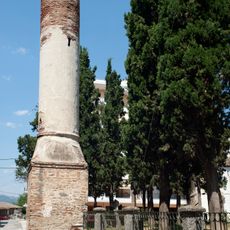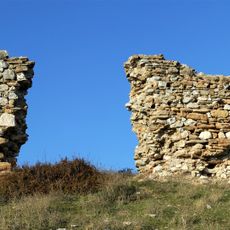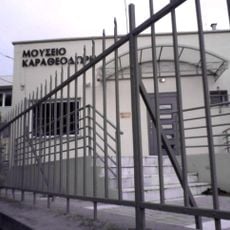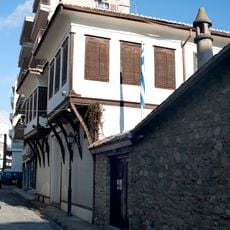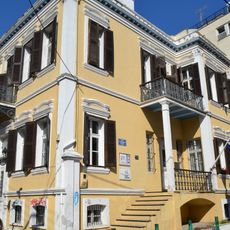
Imaret of Komotini, Ottoman mosque and archaeological site in Komotini, Greece.
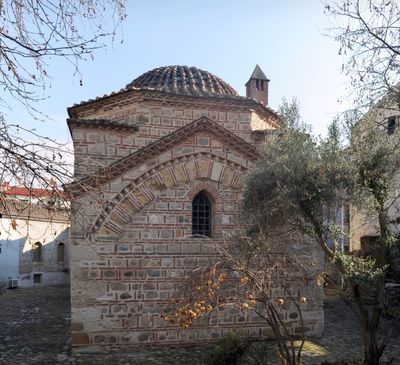
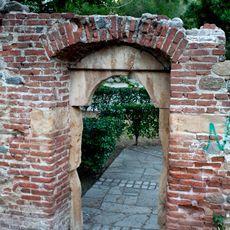
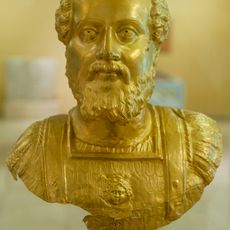
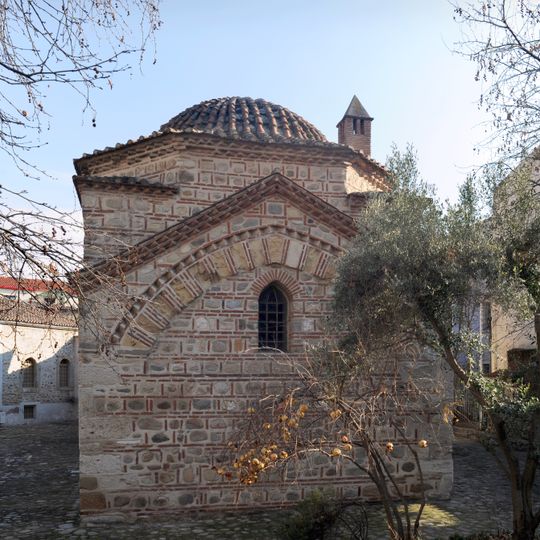
The Imaret of Komotini is a former Ottoman charitable building featuring a T-shaped layout and multiple domes, constructed with Byzantine brick masonry techniques and stone decorative details. Today it operates as an ecclesiastical museum displaying religious symbols, sacred vessels, liturgical garments, and old manuscripts from churches in the surrounding region.
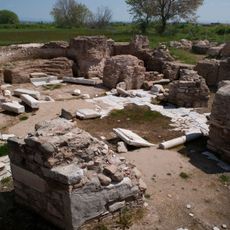
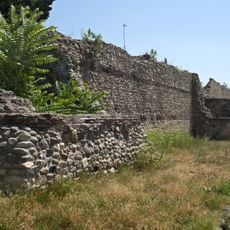
The building was erected between 1360 and 1400 by Ottoman commander Gazi Ahmed Evrenos and reused portions of an earlier Byzantine church dedicated to Hagia Sophia. The structure thus blended two religious periods within its physical form, demonstrating architectural continuity through the region's changes in control.
The building reflects the long intertwining of Islamic and Christian traditions in the region, evident in how its spaces were transformed over time. Visitors today can experience this cultural layering through the different ways each era has left its mark on the interior.
The museum is housed within the historic building itself and can be reached easily on foot when walking through central Komotini. Visitors should allow time to explore both the collections and the architectural features of the place itself.
From 1924 to 1973, sections of the religious complex served as an ice factory and later as an electrical power facility before becoming the museum it is today. This industrial phase is no longer visible but reveals how the space was adapted to meet the needs of different owners and eras.
The community of curious travelers
AroundUs brings together thousands of curated places, local tips, and hidden gems, enriched daily by 91,983 contributors worldwide.