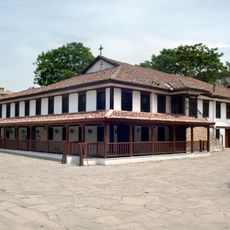
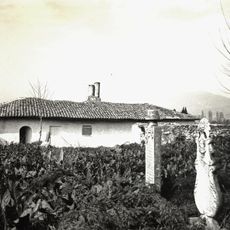
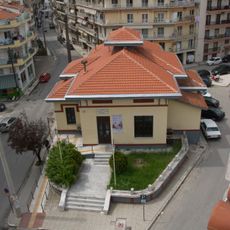
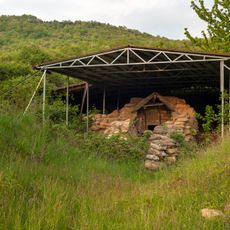
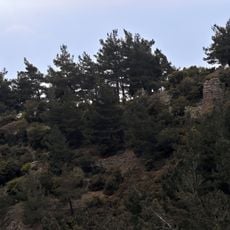
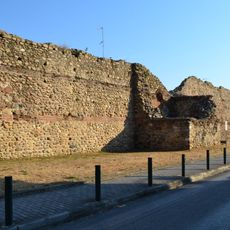
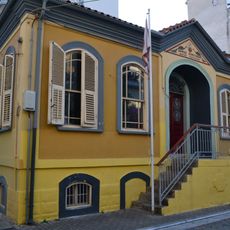
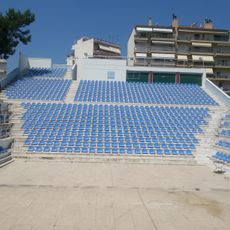
Mosynopolis, Archaeological site near Komotini, Greece.
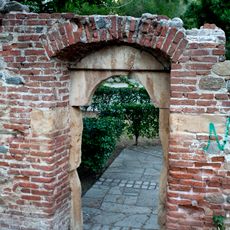
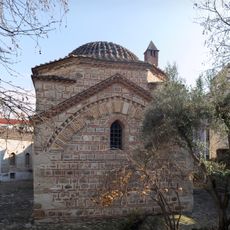
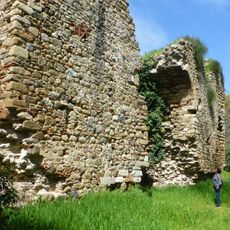
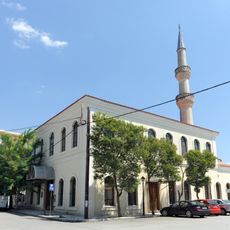
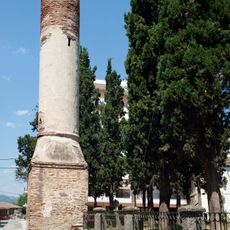
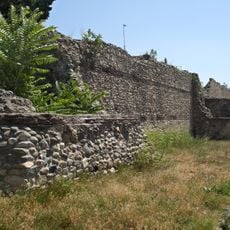
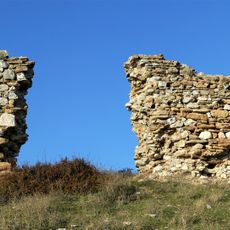
Mosynopolis is an archaeological site near Komotini featuring remains of medieval temples, fortress walls, and a central-plan church structure. The ruins reveal how religious and defensive buildings coexisted at a strategically important location.
The settlement was originally called Maximianopolis and functioned as a military stronghold for Emperor Basil II against Bulgarian invasions. It was later destroyed and underwent several name changes over the following centuries.
The name changed from Maximianopolis to Mosynopolis by 879, when a bishop named Paul represented the see at the Fourth Council of Constantinople. Under Ottoman rule the site was called Mesiné Kalé, "the fortress-castle of Mesiné". A suburb about 6–7 km east of the ruins now carries the name Nea Mosynoupoli.
The site is located about 7 kilometers west of Komotini and can be reached via local roads. Wear sturdy shoes as the terrain is uneven and some ruins remain exposed to the elements.
The site's name passed through Latin forms recorded as Pyrsoali, Porsulis or Prosulae for the earlier city of Paisoula, before Maximianopolis and then Mosynopolis. Under Ottoman rule it was called Mesine Kale, meaning the fortress-castle of Mesine. A suburb about 6-7 km east of the ruins now carries the name Nea Mosynopoli.
The community of curious travelers
AroundUs brings together thousands of curated places, local tips, and hidden gems, enriched daily by 92,857 contributors worldwide.