Museum of Prehistoric Thera, Archaeological museum in Fira, Greece
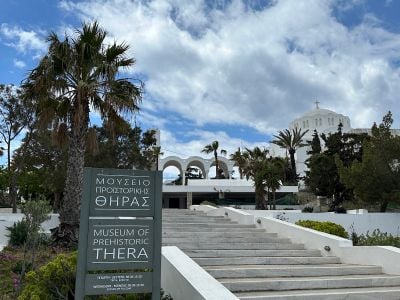
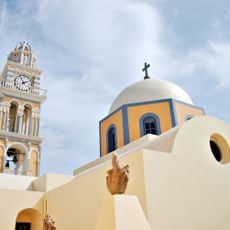
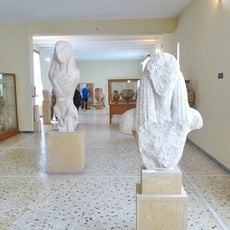
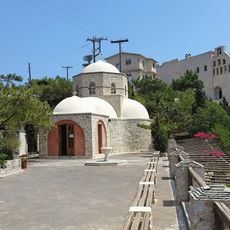
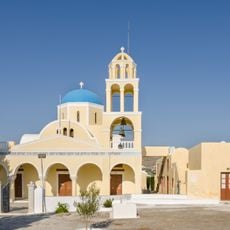
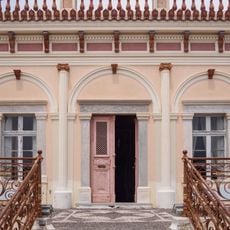
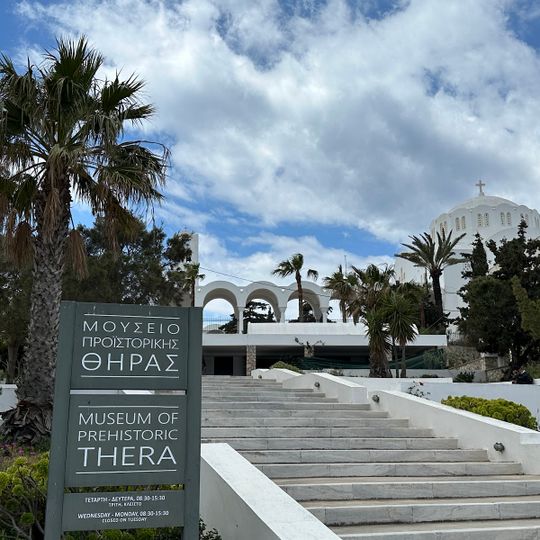
The Museum of Prehistoric Thera stands in Fira on the site of the old Ypapanti Church, destroyed in the 1956 Amorgos earthquake. Its chronologically ordered rooms trace the island from the Late Neolithic to Late Cycladic I, with ceramics, marble figurines, jewellery, ritual objects and wall paintings from Akrotiri, Potamos and the Christiana islets.
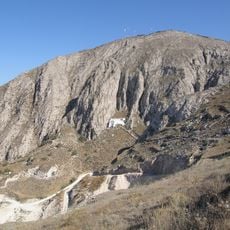
The museum stands on the site of the old Ypapanti Church, destroyed in the 1956 Amorgos earthquake. Santorini's earliest digs were run by the French geologist F. Fouque in 1867, after locals found artifacts in a quarry. Between 1895 and 1900 Baron Friedrich Hiller von Gaertringen uncovered ancient Thera on Mesa Vouno, and R. Zahn later excavated at Potamos for the German Archaeological Institute at Athens.
The museum's name comes from Thera, the ancient name of Santorini, and its rooms follow the island's chronology from the Late Neolithic to Late Cycladic I. Middle Cycladic bird jugs, often painted with swallows, come from Ftellos, Megalochori and Akrotiri and date to the 20th-18th century BC. The Kastri group of objects marks the transition from Late Cycladic II to III.
The museum stands in Fira on the site of the old Ypapanti Church, destroyed in the 1956 Amorgos earthquake. Exhibits are arranged chronologically, from Late Neolithic pottery through Early Cycladic marble figurines to Late Cycladic I finds from Akrotiri, so following the rooms in order traces the island's sequence.
The building stands on the site of the old Ypapanti Church, destroyed in the 1956 Amorgos earthquake. The museum's Middle Cycladic bird jugs, often painted with swallows and dated to the 20th–18th centuries BC, come from Ftellos, Megalochori and Akrotiri.
The community of curious travelers
AroundUs brings together thousands of curated places, local tips, and hidden gems, enriched daily by 94,049 contributors worldwide.