Archaeological Museum of Milos, Archaeological museum in Plaka, Milos, Greece
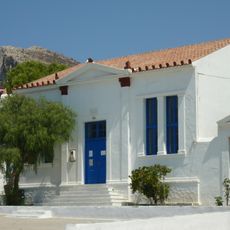
The Archaeological Museum of Milos occupies a neoclassical building from 1870 on the main square of Plaka. Its four rooms hold finds from the late Neolithic to the Byzantine period, notably Cycladic, Minoan and Mycenaean objects from Phylakopi, a replica of the Venus de Milo, obsidian tools, and inscriptions in the local 21-letter alphabet.
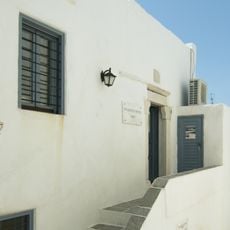
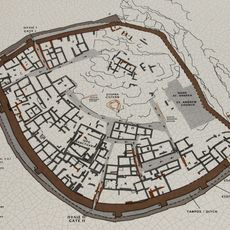
The building on Plaka's main square dates from 1870 and was designed by Ernst Ziller in the neoclassical style. The museum opened there in 1985, and a renovation ended with its reopening in 2022. Its core holdings come from Phylakopi, the Bronze Age site on Milos, though many of the finest pieces are now in Oxford, London and Athens.
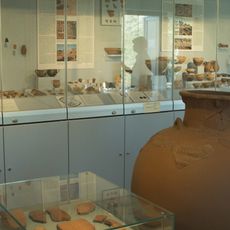
Room B holds finds from the fifth millennium to the late second millennium BC, mostly from Phylakopi, among them the so-called Lady of Phylakopi, perhaps a goddess or a priestess. Room D keeps votive offerings inscribed in the local Milos alphabet, a variant of Greek with 21 signs.
The museum occupies a neoclassical building from 1870 on the main square of Plaka, the island's main town. It reopened in 2022 after a renovation. The lapidary in the porch and courtyard can be seen without entering the galleries.
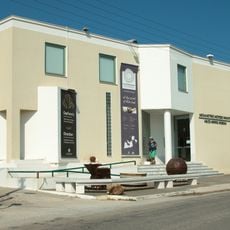
A replica of the famous Venus de Milo statue stands at the entrance, while the original resides in the Louvre. The collection also holds obsidian tools that reveal how island inhabitants engaged in trade routes across the Mediterranean thousands of years ago.
The community of curious travelers
AroundUs brings together thousands of curated places, local tips, and hidden gems, enriched daily by 93,473 contributors worldwide.