Phylakopi, Archaeological site on the north coast of Milos, Greece
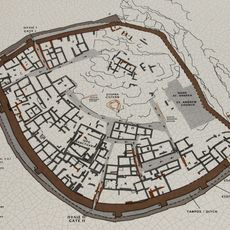
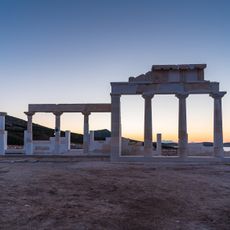
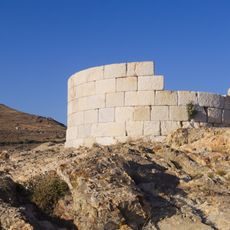
Phylakopi is an ancient settlement on the northern coast of Milos whose ruins reveal multiple layers of buildings, streets, and defensive walls from different periods. The remains spread across a substantial area and show how a community developed over many centuries.
Phylakopi was occupied from the mid-3rd millennium BCE until the 12th century BCE, when the settlement was abandoned at the end of the Late Bronze Age and never reoccupied. Excavations by the British School at Athens from 1896 to 1899, directed with stratigraphic recording by Duncan MacKenzie, revealed three phases: Phylakopi I (2300–2000 BCE), Phylakopi II (2000–1550 BCE), and Phylakopi III (1550–1100 BCE), the last built after the destruction of Phylakopi II, probably by an earthquake.
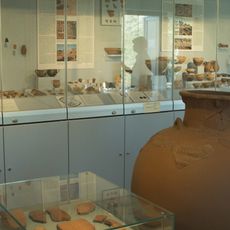
Phylakopi gave its name to a whole category of Cycladic pottery: wares of the second phase (c. 2000–1550 BCE) carry stylised plant and animal motifs painted in matte black and red. Growing quantities of Cretan imports towards the end of that phase mark the start of a period of "Minoanisation", clearest at the beginning of Phylakopi III.
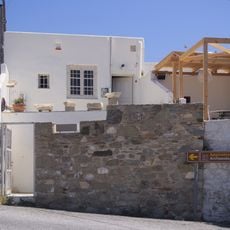
The site is best reached by local bus from Adamas to nearby Pachaina village, followed by a short walk to the archaeological area. Visitors should wear comfortable shoes and bring water in warm weather, as shade is limited at the location.
Beneath the floors of the houses, excavators found infant and fetal burials placed inside large storage jars, some laid horizontally. Dawkins and Droop reported eight such child burials in 1911, and three more were uncovered in 1974–75, unlike the extramural cemeteries used for adults.
The community of curious travelers
AroundUs brings together thousands of curated places, local tips, and hidden gems, enriched daily by 94,085 contributors worldwide.