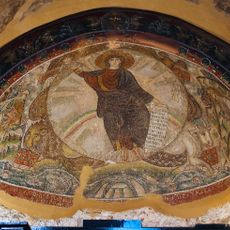
Icon of Christ of Latomos, 5th-century Byzantine mosaic in Thessaloniki, Greece
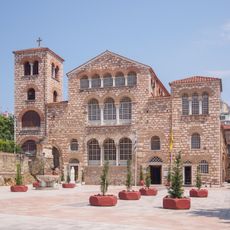
The Icon of Christ of Latomos is a 5th-century mosaic housed in the Church of Hosios David in Thessaloniki. The artwork displays a central figure of Christ with radiating halos in the apse, surrounded by religious symbols.
The mosaic was created in the 5th century and later hidden to protect it during a period of Christian persecution under Roman rule. An earthquake in the 9th century exposed the concealed work and led to its rediscovery.
The mosaic displays religious symbols and biblical references that held meaning for early Christians. These visual elements reflect how believers expressed their faith through sacred imagery in Byzantine churches.
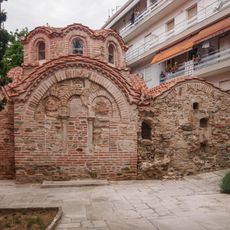
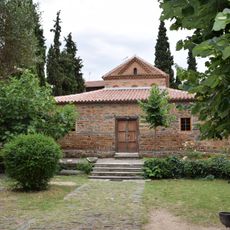
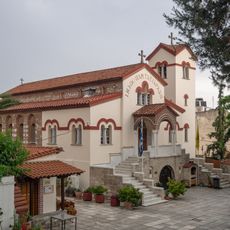
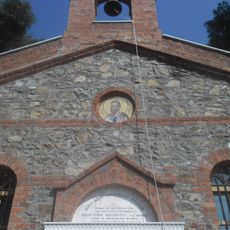
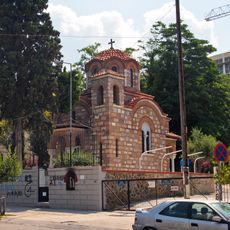
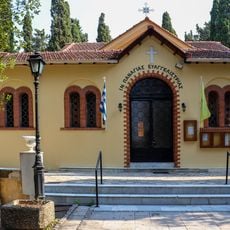
The mosaic can be viewed inside the Church of Hosios David, which is part of the UNESCO World Heritage sites in Thessaloniki. The location is open to visitors and allows them to see the 5th-century artwork in its original religious setting.
A monk named Sennuphius is credited with receiving a vision that directed him to rediscover the mosaic after the earthquake exposed it. This supernatural guidance is noted in church records as part of the artwork's story.
The community of curious travelers
AroundUs brings together thousands of curated places, local tips, and hidden gems, enriched daily by 90,804 contributors worldwide.