Thebes, Archaeological site in Central Greece
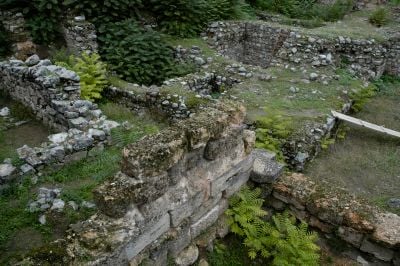
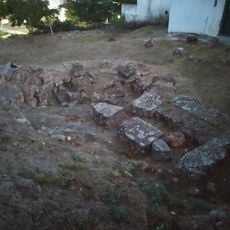
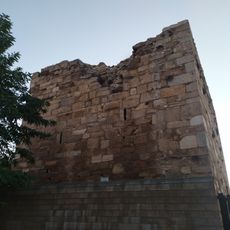
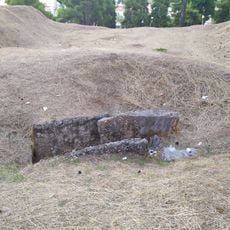
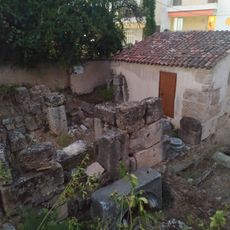
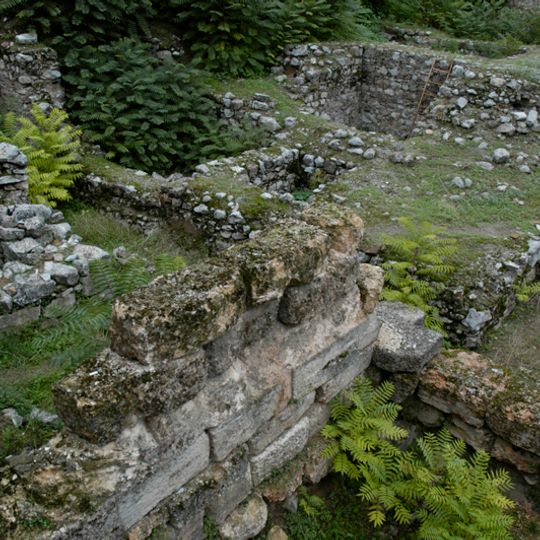
Thebes is an ancient settlement in Central Greece that spreads across a low ridge dividing the surrounding plain. Visitors find here remains of defensive walls built from large stone blocks, once interrupted by seven gates, as well as foundations of public buildings and residential quarters used over several centuries.
Archaeological findings show that people have lived here since around 2000 BCE, with clay tablets in Linear B script discovered from the Mycenaean era. The town experienced shifting periods of power and decline, including conflicts with Sparta and Athens, before coming under Roman and then Byzantine rule.
This town has carried its name since the Bronze Age and appears in tragedies such as Oedipus Rex and Seven Against Thebes, still performed on stages today. Visitors can explore the Kadmeia, the fortified acropolis, where Greek school groups often learn about the mythical founders and engage with the stories.
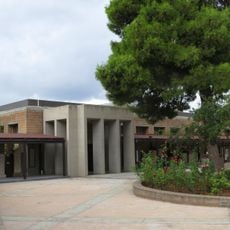
The archaeological museum displays finds from different eras, including Mycenaean pottery, bronze weapons, and marble sculptures from excavated sites. The best access to the ruins is on foot, as paths can be uneven and sturdy footwear is recommended.
During the Byzantine era, this town became a major center for silk production, surpassing Constantinople in both quantity and quality. Merchants from across Europe traveled here to acquire the fine fabrics produced on local looms.
The community of curious travelers
AroundUs brings together thousands of curated places, local tips, and hidden gems, enriched daily by 60,000 contributors worldwide.