Cadmea of Thebes, Ancient citadel archaeological site in Thebes, Greece
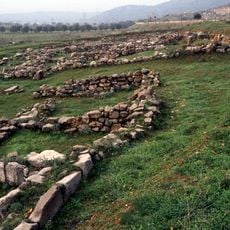
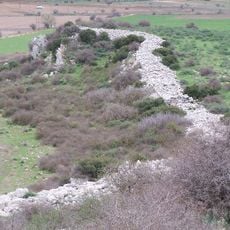
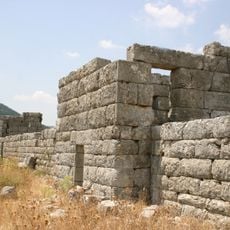
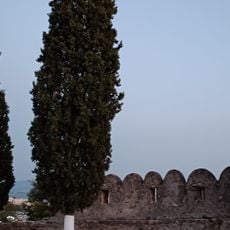
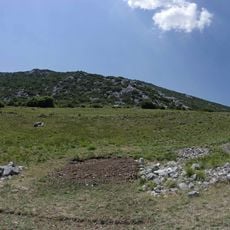
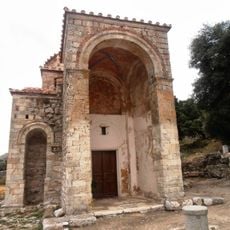
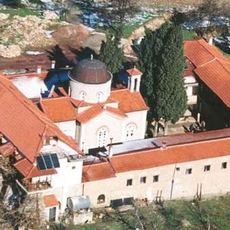
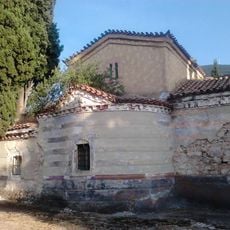
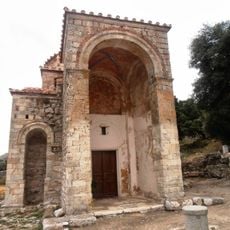
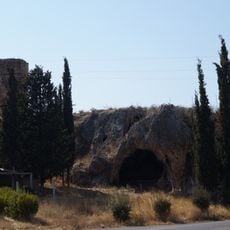
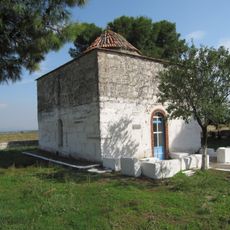
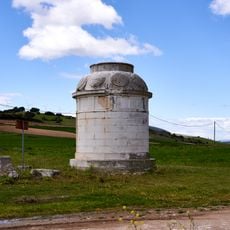
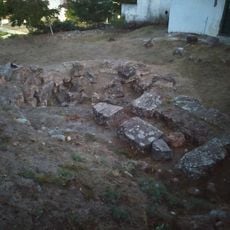
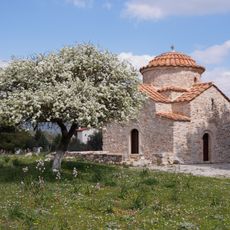
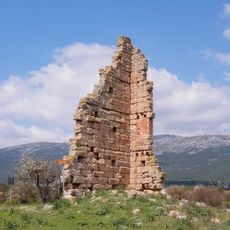
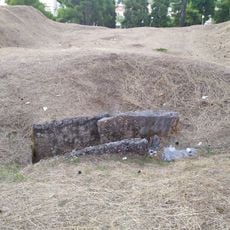
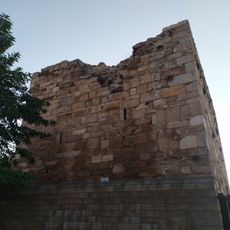
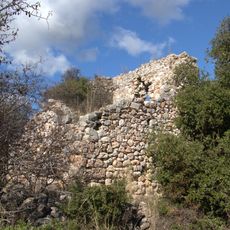
Cadmea of Thebes is an ancient citadel positioned on a hilltop within the modern city, where excavations have uncovered layers of construction spanning multiple epochs. The site displays walls, foundations, and building remains that tell the story of occupation across thousands of years.
The settlement took root during the Bronze Age and grew into one of Greece's leading strongholds, witnessing periods of dominance and conflict. Its power continued until Macedonian forces brought it under their control.
The name comes from Cadmus, the legendary Phoenician founder of Thebes. In classical times the Cadmea held many public buildings, and the assemblies of Thebes and the Boeotian Confederacy are thought to have met there. The name cadmea was also used in antiquity for calamine, zinc carbonate, which with copper produced brass; Pliny the Elder mentions it, and cadmium was isolated from calamine in 1817.
The hilltop is easily walkable from the modern city center and features informative panels throughout the site. Visitors should wear sturdy shoes and allow time to explore the uneven surfaces and slopes at a comfortable pace.
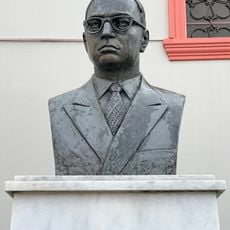
The citadel was rediscovered by the Greek archaeologist Antonios Keramopoulos. The name Cadmea also served in antiquity for calamine, a zinc carbonate that, mixed with copper, produced brass; Pliny the Elder mentions this use, and in 1817 cadmium was first isolated from an impurity in calamine, giving the element its name.
The community of curious travelers
AroundUs brings together thousands of curated places, local tips, and hidden gems, enriched daily by 94,125 contributors worldwide.