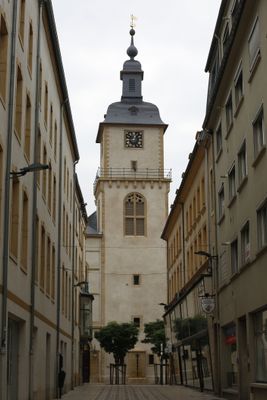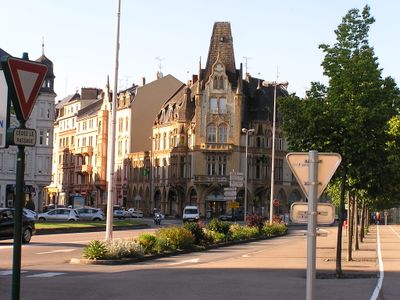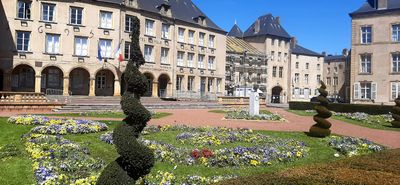
Thionville, Administrative commune in Grand-Est region, France.
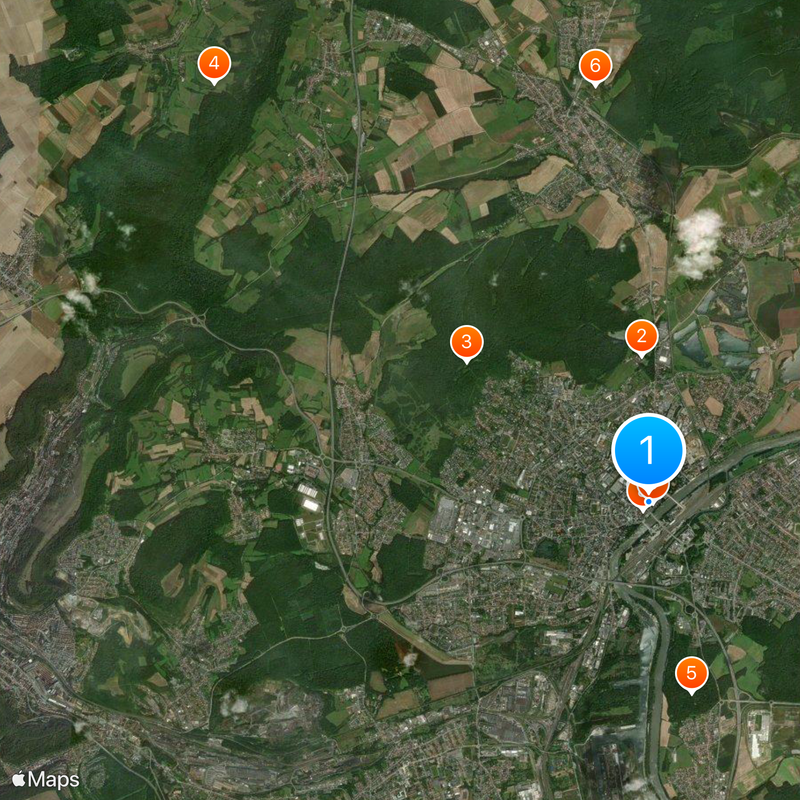
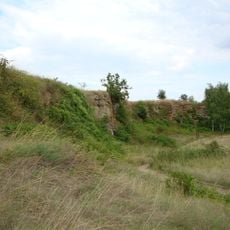
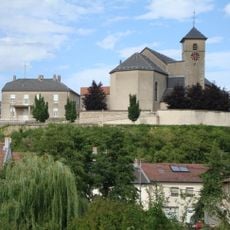
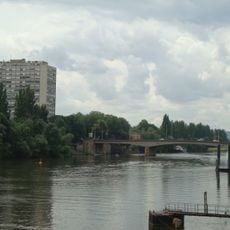
Thionville stretches along the left bank of the Moselle, connecting several neighborhoods through bridges that cross both sides of the river. The surroundings include parks and green areas that extend toward gentle hills at roughly 500 feet (150 meters) elevation.
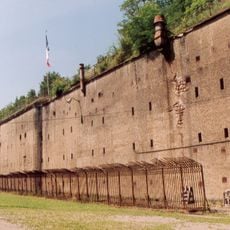
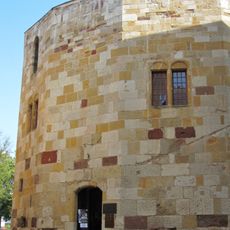
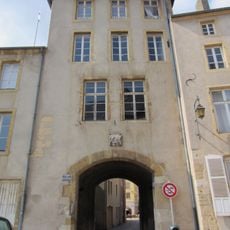
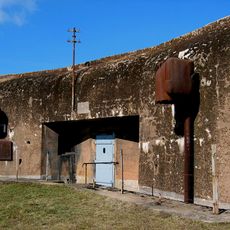
The town belonged to the Holy Roman Empire starting in the 10th century and joined France in 1659. Fortifications designed by Vauban then shaped the cityscape and reinforced its military role.
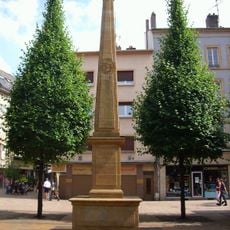
The name comes from the Celtic word "Divo," meaning sacred spring, which shaped early settlement patterns near the river. Local families gather for weekly food markets in the central square, where vendors sell regional produce and baked goods.
The central railway station links travelers to Luxembourg, Metz and Paris with frequent train services. Saturday markets on the main square offer local products and are busiest in the morning hours.
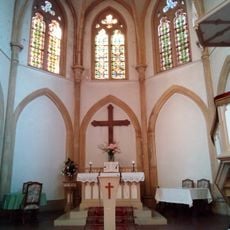
An ecclesiastical council gathered here in 835 to reinstate Emperor Louis the Pious to his position. This assembly drew church officials from across Europe and remained a rare event in the medieval history of the region.
The community of curious travelers
AroundUs brings together thousands of curated places, local tips, and hidden gems, enriched daily by 92,647 contributors worldwide.