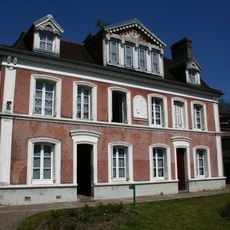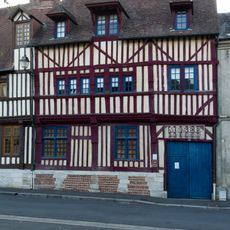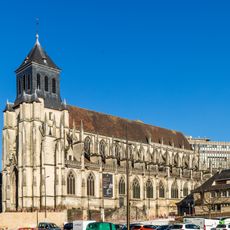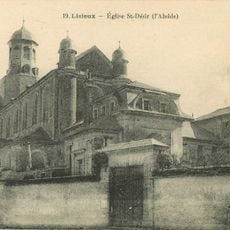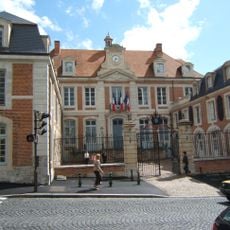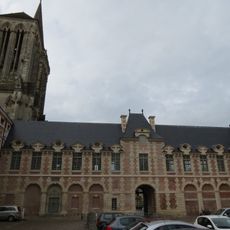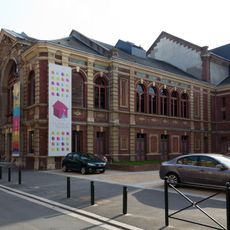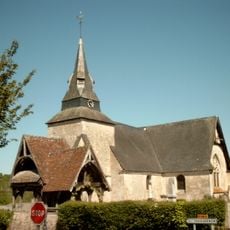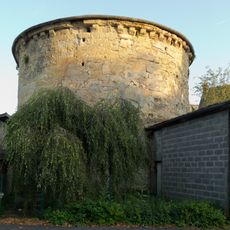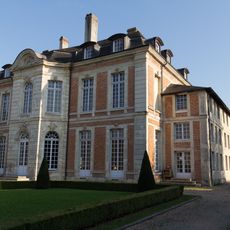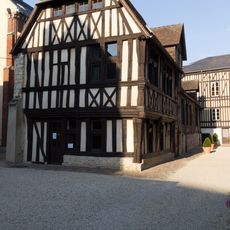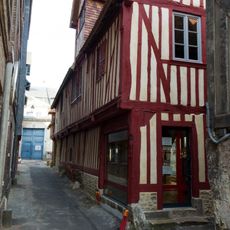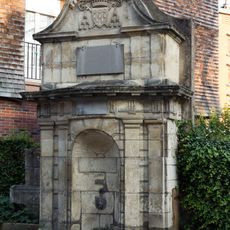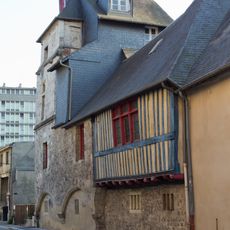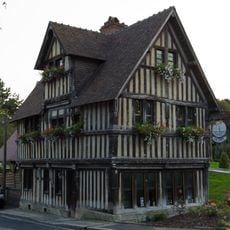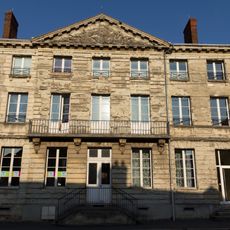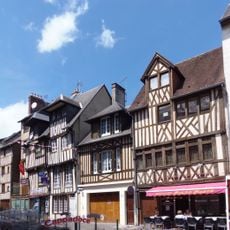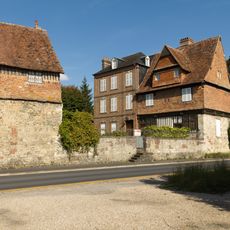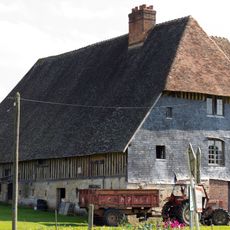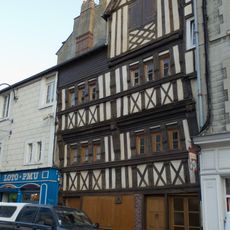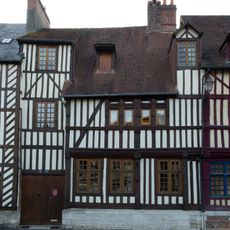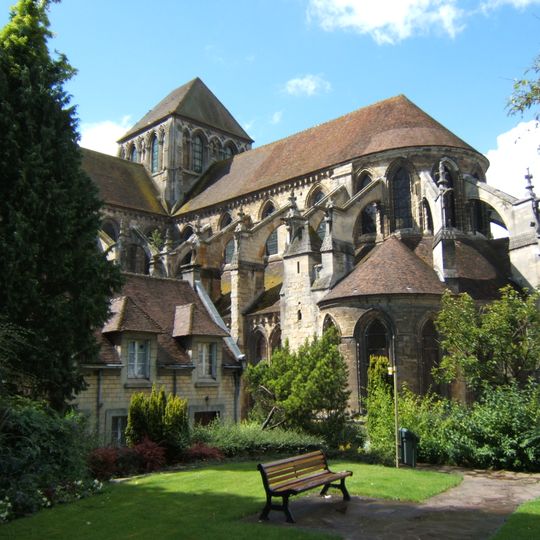
Lisieux, Administrative center in Calvados, France
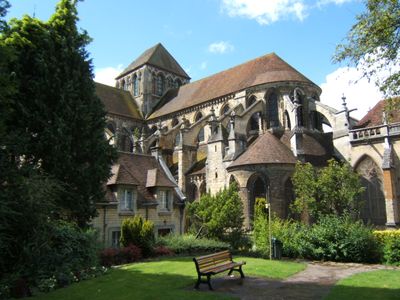
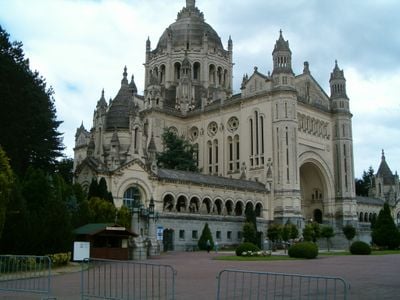
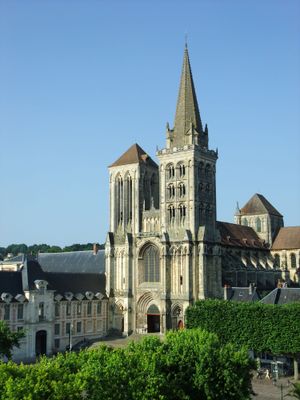
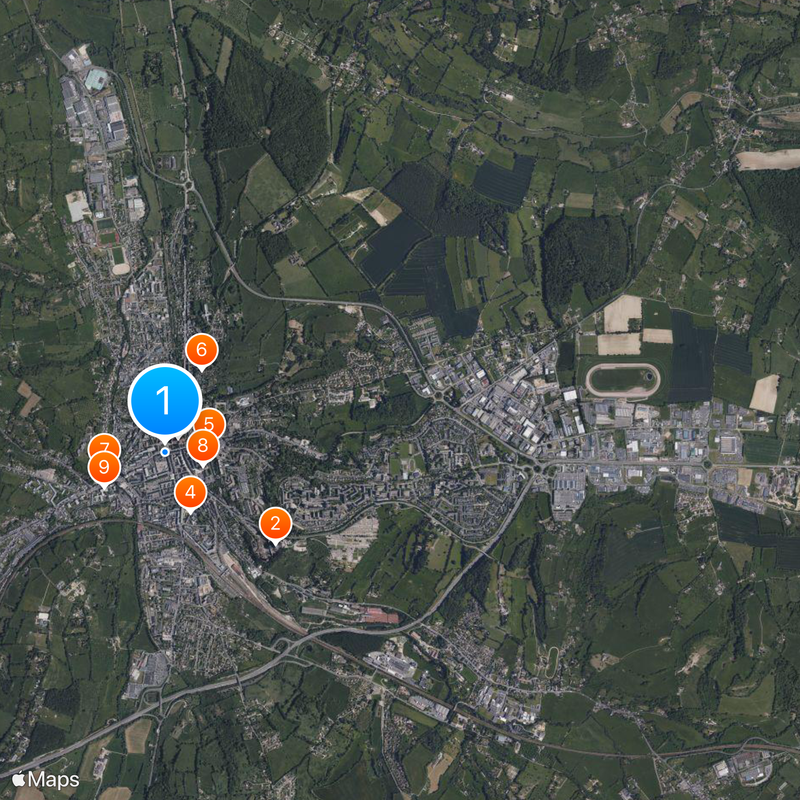
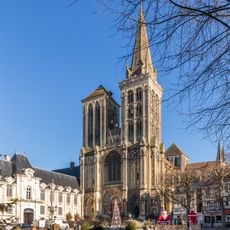
This administrative center sits at the meeting point of the Touques and its tributaries, surrounded by Norman valleys and meadows used mainly for dairy farming. The old town spreads between the cathedral and the river, while the basilica rises on a hillside to the south.
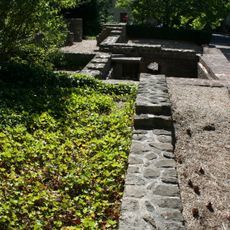
Romans founded Noviomagus Lexoviorum here as the capital of a Gallic tribe, before Christianity turned the settlement into a bishop's seat in the 6th century. During the Second World War, bombing raids in 1944 destroyed much of the built environment.
The town takes its name from the Lexovii, a Gallic tribe that settled here before Roman conquest. Today pilgrims from around the world continue the tradition of visiting the basilica and shape the religious character of the community.
The main railway station offers connections to Paris and regional destinations, while the local bus network operates six routes across the urban area. Visitors find most points of interest within walking distance from the center in a short time.
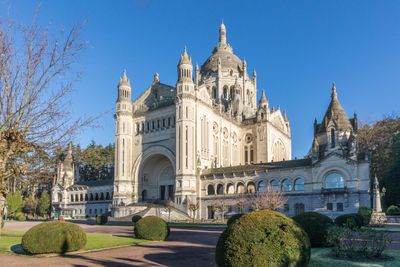
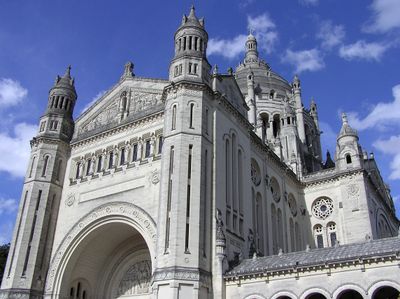
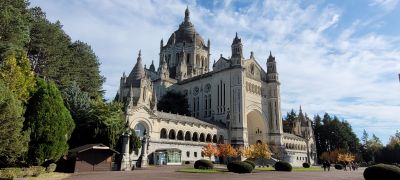
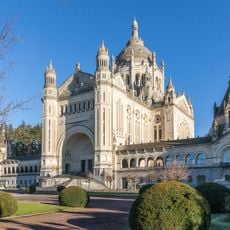
The Basilica of Sainte-Thérèse ranks among the largest churches built in the 20th century and draws hundreds of thousands of visitors each year seeking relics and memories of Saint Thérèse of Lisieux. Its dome rises above the surrounding countryside and can be seen from a distance.
The community of curious travelers
AroundUs brings together thousands of curated places, local tips, and hidden gems, enriched daily by 90,876 contributors worldwide.