Moustiers-Sainte-Marie, Medieval commune in Alpes-de-Haute-Provence, France.
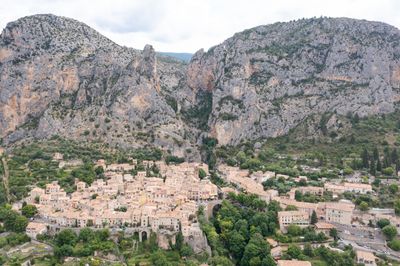
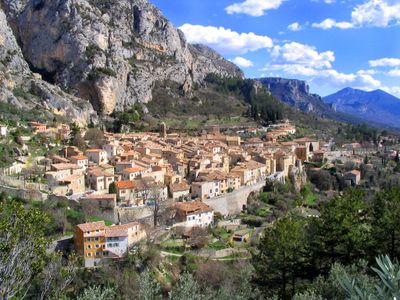
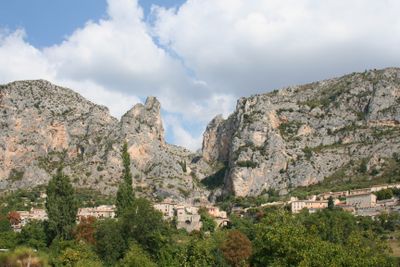
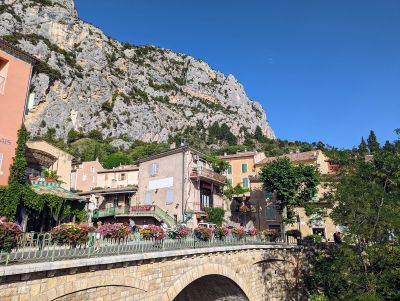
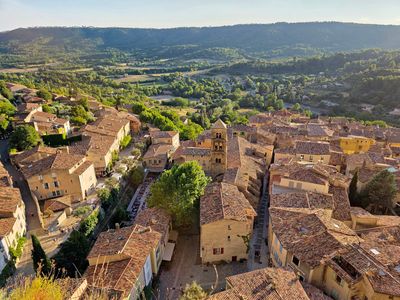
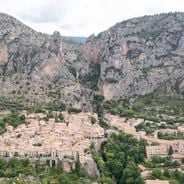
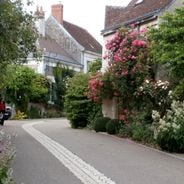
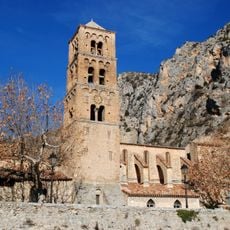
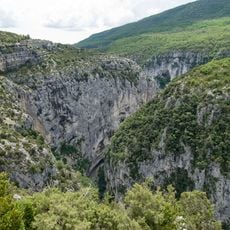
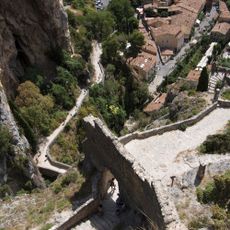
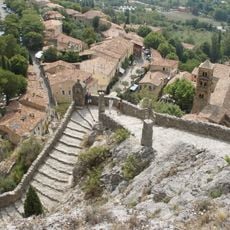
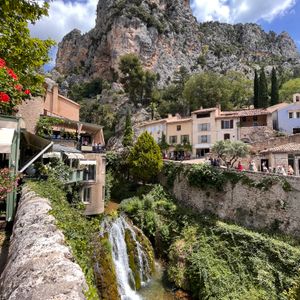
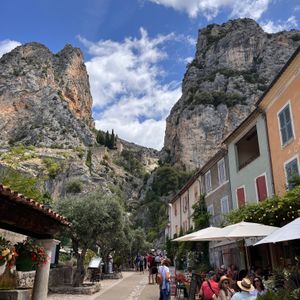
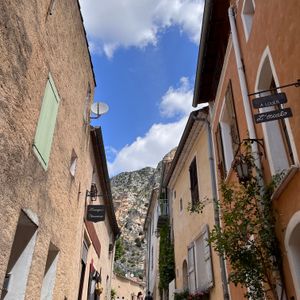
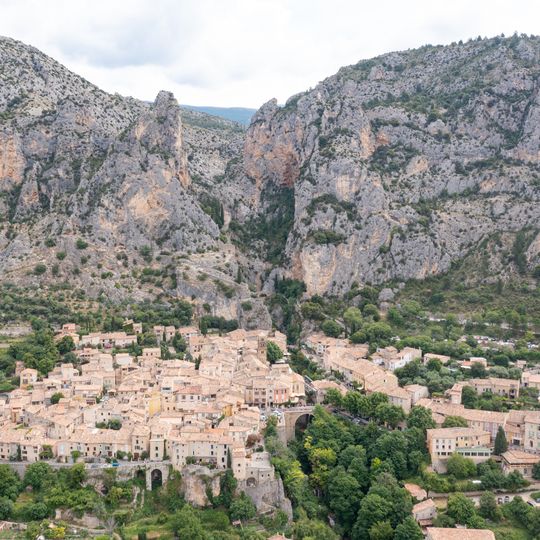
Moustiers-Sainte-Marie is a medieval commune in Alpes-de-Haute-Provence nestled between steep limestone cliffs at elevations ranging from 474 to 1,729 meters (1,555 to 5,675 feet). Traditional houses are built on terraced platforms connected by narrow alleys and stone staircases that form the core of the settlement.
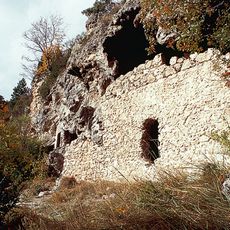
The commune was founded around 433 by monks from Lérins Island, who established a monastery in tuff stone caves marking the beginning of permanent settlement. This monastic foundation laid the groundwork for what would eventually become a significant medieval village.
The village maintains its centuries-old tradition of faience production with a dedicated museum displaying ceramic pieces from the 17th century to today. Visitors can see hand-painted pottery in workshops where artisans work using classical techniques.
The village offers several lodging options including camping spaces, hotel rooms, lodges, and rental apartments available year-round for visitors. The narrow alleys and steep footpaths require comfortable shoes and a moderate level of physical fitness to explore thoroughly.
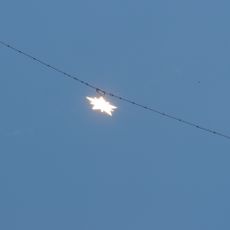
A gold-painted star hangs on a 225-meter (738-foot) chain between two cliff faces, commemorating a knight's escape from captivity during the Crusades. This striking symbol is visible from many points throughout the village and tells a story from medieval times.
Location: canton of Moustiers-Sainte-Marie
Location: Alpes-de-Haute-Provence
Location: arrondissement of Digne-les-Bains
Elevation above the sea: 934 m
Shares border with: Majastres, La Palud-sur-Verdon, Puimoisson, Roumoules, Sainte-Croix-du-Verdon, Saint-Jurs, Aiguines, Les Salles-sur-Verdon
Address: 04360 Moustiers-Sainte-Marie, France
Phone: +33492746619
Email: secretariat@mairiemoustiers.fr
Website: https://ville-moustiers-sainte-marie.fr
GPS coordinates: 43.84750,6.22111
Latest update: December 6, 2025 16:00
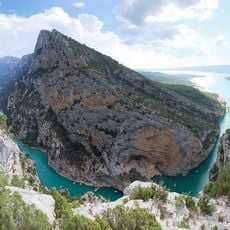
The Provence-Alpes-Côte d'Azur region combines medieval villages, historical fortifications, and natural areas between the Mediterranean coast and the Alps. The landscape ranges from the lavender-covered plateaus of Valensole to the steep limestone cliffs of the Calanques and alpine passes above 8,900 feet (2,700 meters). Geological formations like the mushroom-shaped Demoiselles Coiffées de Théus and the reddish sandstone rocks of Annot show millions of years of natural shaping. Monasteries such as Abbaye de Sénanque and Thoronet Abbey preserve Cistercian architecture, while villages like Gordes and Les Baux-de-Provence maintain their medieval layouts. The coastal settlements of Èze, Menton, and Gourdon sit on rocky perches above the Côte d'Azur, their narrow streets leading to viewpoints overlooking the sea. The Lérins Islands off Cannes and the Îles d'Hyères offer quieter coastal landscapes with Mediterranean vegetation. Inland, hiking trails like Sentier Martel pass through the Verdon Gorge, while the Vallée des Merveilles displays prehistoric rock engravings in an alpine setting. Fortifications including the Citadelle de Sisteron, Fort Carré in Antibes, and the ruins of Fort de Buoux document centuries of military history at strategic passages and heights.
Throughout France's regions lie villages that seem frozen in time. These places are built from stone, wood, and light, where history is written across facades and paved streets. Some nestle in valleys, others cling to cliffs or look out over vineyards. You find old houses, squares with arcades, castles, Romanesque churches, and sometimes a river winding between gardens. From Breton granite to Alsatian timber-framed houses, from southern golden limestone to Alpine shingle roofs, each tells of a way of life, a color, a voice. These villages keep the pace of their era and the sounds of daily life intact. Rocamadour clings to a cliff above a river, while Riquewihr sits nestled among vineyards. Gordes and Les Baux-de-Provence spread across Provence hills, and Locronan and Barfleur reveal Breton and Norman tradition. In the Dordogne, La Roque-Gageac and Beynac-et-Cazenac hug river banks, while Vézelay and Conques echo pilgrimage routes. Saint-Émilion rises among wine country, and Eguisheim circles its church in Alsatian fashion. These villages show the deeper face of France—visible only when you take time to stop and look.
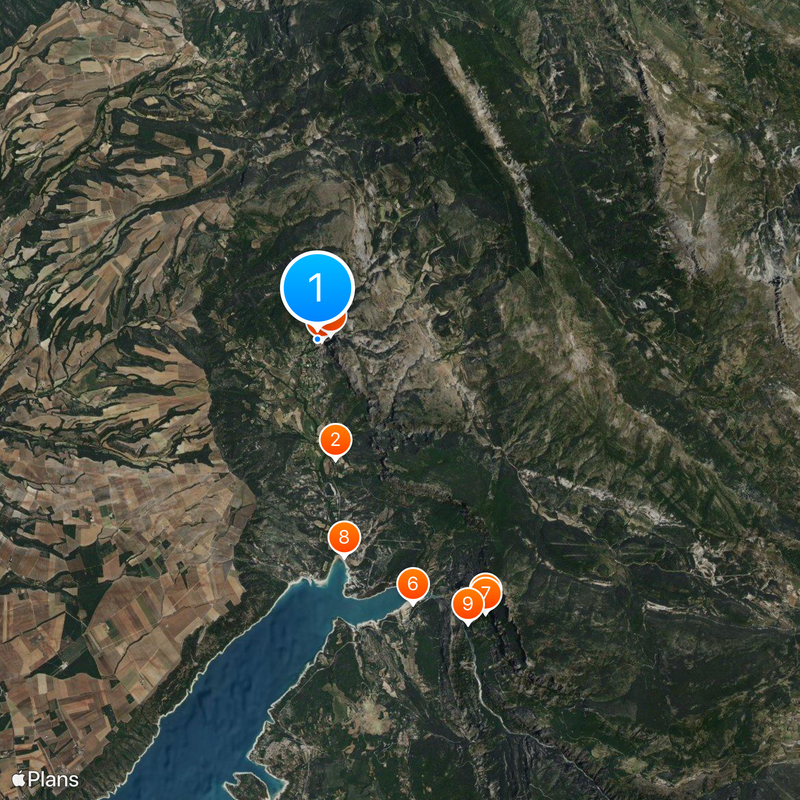
Lake of Sainte-Croix
9.8 km
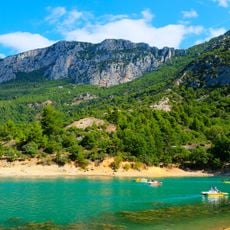
Verdon Regional Natural Park
2.4 km
Pont d'Aiguines
5.4 km
Mont Chiran
8 km
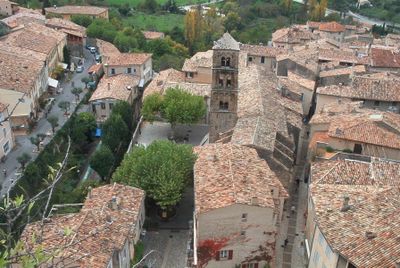
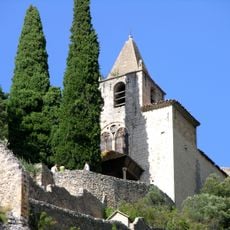
Église Notre-Dame-de-l'Assomption de Moustiers-Sainte-Marie
82 m
Mourre de Chanier
10.4 km
Chapelle Notre-Dame de Beauvoir
269 m
Grottes de Saint-Maurin
6.4 km
Château de la Palud-sur-Verdon
12.2 km
Grand Margès
11.2 km
Chapelle Sainte-Maxime de Riez
10.4 km
Chapelle Notre-Dame de la Baume
9.5 km
The Galetas Beach
5.7 km
Hôtel de Mazan
7.8 km
Réserve naturelle régionale de Saint-Maurin
6.5 km
Château d'Aiguines
8.4 km
Chapelle Saint-Apollinaire de Puimoisson
5.1 km
Plage La Cadeno
4.4 km
Église Saint-Michel de Puimoisson
7.7 km
Église Saint-Jean d'Aiguines
8.4 km
Fontaine de la Colonne
10.8 km
Col d'Illoire
8.6 km
Porte d'Ayguières
10.7 km
Église Notre-Dame-de-la-Roche de Majastres
9.2 km
Église Sainte-Croix de Sainte-Croix-du-Verdon
11.3 km
Église Saint-Georges de Saint-Jurs
5.9 km
Maison à encorbellement, 3 Grand-Rue
7.8 km
Chapelle Saint-Georges de Saint-Jurs
6.4 kmReal people, real opinions — but not verified.
Visited this place? Tap the stars to rate it and share your experience / photos with the community! Try now! You can cancel it anytime.
Discover hidden gems everywhere you go!
From secret cafés to breathtaking viewpoints, skip the crowded tourist spots and find places that match your style. Our app makes it easy with voice search, smart filtering, route optimization, and insider tips from travelers worldwide. Download now for the complete mobile experience.
A unique approach to discovering new places❞
— Le Figaro
All the places worth exploring❞
— France Info
A tailor-made excursion in just a few clicks❞
— 20 Minutes