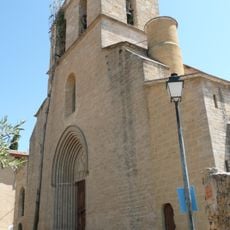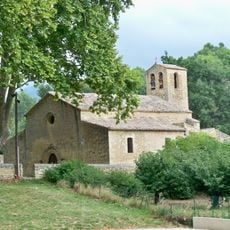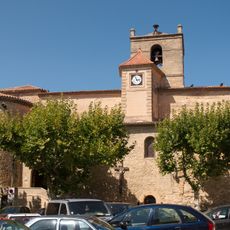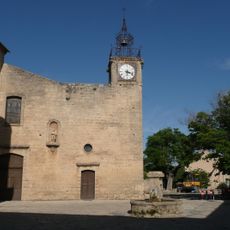
Étang de la Bonde, Artificial pond in the Luberon Massif, Vaucluse, France.
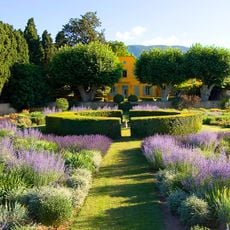
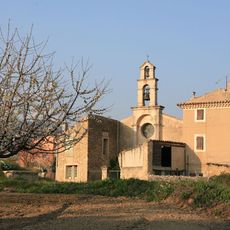
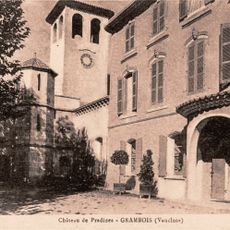
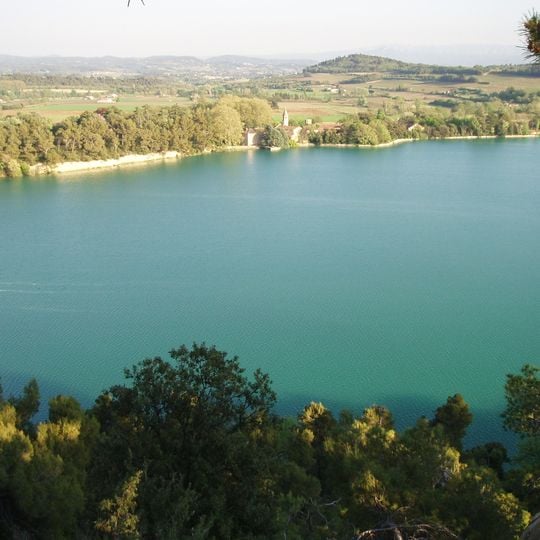
Étang de la Bonde is a 30-hectare lake between Cabrières-d'Aigues and La Motte-d'Aigues, 35 km from Aix-en-Provence, at 320 m altitude below the Mourre Nègre. Its water, two to five metres deep, is bordered by reed beds, with the serre de la Roque, a molasse cliff about 50 m high, overlooking it. The château de la Bonde, built in an L with a clock tower, stands beside the water.
The pond was created in the 15th century by Fouquet d'Agoult, baron of Sault and chamberlain to René d'Anjou, who built an aqueduct to supply water to his château at La Tour-d'Aigues. The resulting reservoir irrigated the entire Aigues valley. In the 18th century it became known for carp farming under Jean-Baptiste Jérôme de Bruny de La Tour d'Aigues, an agronomist of the Enlightenment.
The pond lies within the private estate of the château de la Bonde, yet its owners have long left the shores open to visitors, except on the eastern side by the castle. Residents picnic on weekends in the shade of the trees along the western beach, and naturism is permitted on the eastern shore.
Access to the shores is free except on the eastern side, where the Château de la Bonde stands. Swimming is supervised from 1 July to 31 August on the main beach on the west side, facing the campsite; a rescue boat covers the whole lake. Boats are allowed only along the campsite beach, and naturism is permitted on the east bank.
The pond was famous in the 18th century for its carp farming under Jean-Baptiste Jérôme de Bruny de La Tour d'Aigues, an agronomist of the Enlightenment who also introduced potatoes and merino sheep to his estate. The château de la Bonde later belonged to the entomologist Charles Fagniez (1874-1952), who studied the fauna of the Luberon there.
The community of curious travelers
AroundUs brings together thousands of curated places, local tips, and hidden gems, enriched daily by 93,537 contributors worldwide.