See the monuments around you in AROpen chests in the app
Around Us is built for your phone — point your camera at the streets and discover the monuments and places around you in augmented reality.Around Us is built for your phone — chests unlock when you walk, explore and capture nearby places.
The Luberon hides an untouched part of Provence in its stone villages and ocher cliffs, where each season colors the landscape in a different way.
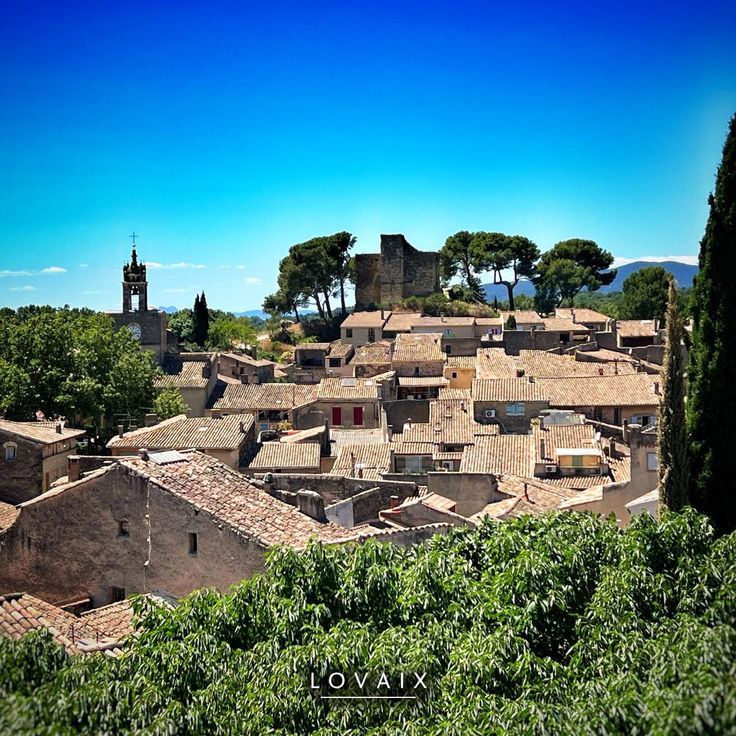
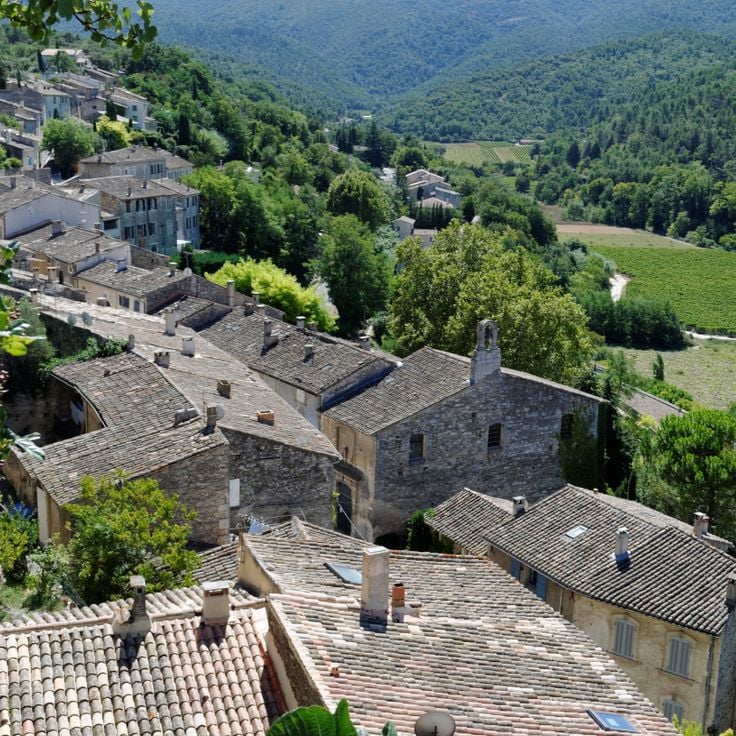
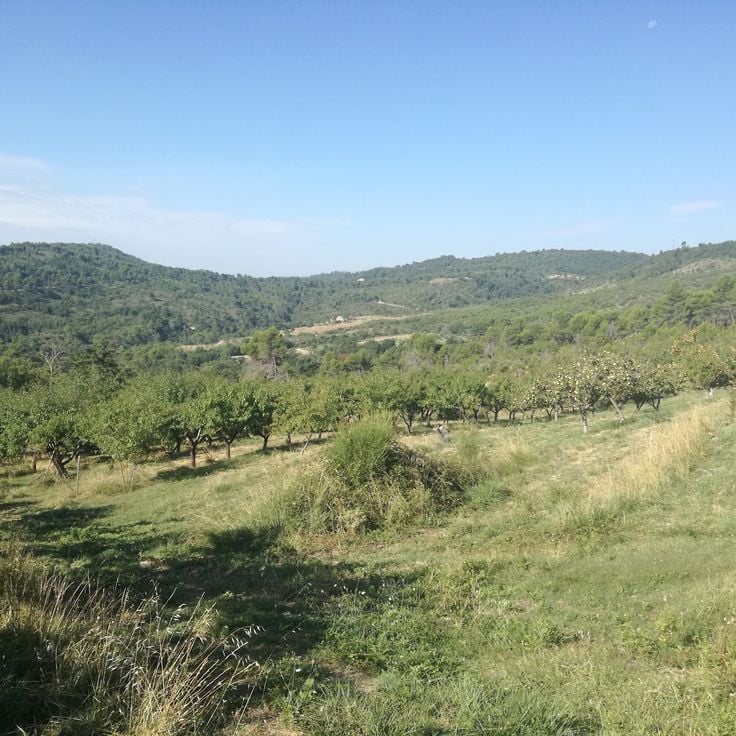
The Luberon stretches between gentle hills and stone villages in the heart of Provence. The region offers what is typical of Provence: lavender fields, orange-colored cliffs, and honey-colored houses clinging to the slopes. In villages like Gordes and Roussillon, the buildings play with the light. In Fontaine-de-Vaucluse, the Sorgue water springs from a green source, and in the valleys, abbeys and castles watch over the plains.
Places here tell different stories. The old streets of the villages keep signs of the Middle Ages, and the scenery seems painted by hand. You can walk through underground quarries at Gargas, see caves carved into the stone at Cadenet, or visit the Bories—old stone structures that show how people lived near Gordes. Roman bridges like the Pont Julien are still standing after 2000 years, connecting the past with today.
Nature also shapes this area. The cypress forest near Bonnieux provides shade and coolness. The plateaus and lakes give quiet spots to rest. Towns like Apt and Lourmarin have castles to visit, and smaller villages like Saignon, Ansouis, and Ménerbes reward those walking their narrow streets. The landscape is always changing—from stone villages to wild cliffs to cultivated valleys.
The Luberon hides an untouched part of Provence in its stone villages and ocher cliffs, where each season colors the landscape in a different way.
The Luberon stretches between gentle hills and stone villages in the heart of Provence. The region offers what is typical of Provence: lavender fields, orange-colored cliffs, and honey-colored houses clinging to the slopes. In villages like Gordes and Roussillon, the buildings play with the light. In Fontaine-de-Vaucluse, the Sorgue water springs from a green source, and in the valleys, abbeys and castles watch over the plains.
Places here tell different stories. The old streets of the villages keep signs of the Middle Ages, and the scenery seems painted by hand. You can walk through underground quarries at Gargas, see caves carved into the stone at Cadenet, or visit the Bories—old stone structures that show how people lived near Gordes. Roman bridges like the Pont Julien are still standing after 2000 years, connecting the past with today.
Nature also shapes this area. The cypress forest near Bonnieux provides shade and coolness. The plateaus and lakes give quiet spots to rest. Towns like Apt and Lourmarin have castles to visit, and smaller villages like Saignon, Ansouis, and Ménerbes reward those walking their narrow streets. The landscape is always changing—from stone villages to wild cliffs to cultivated valleys.
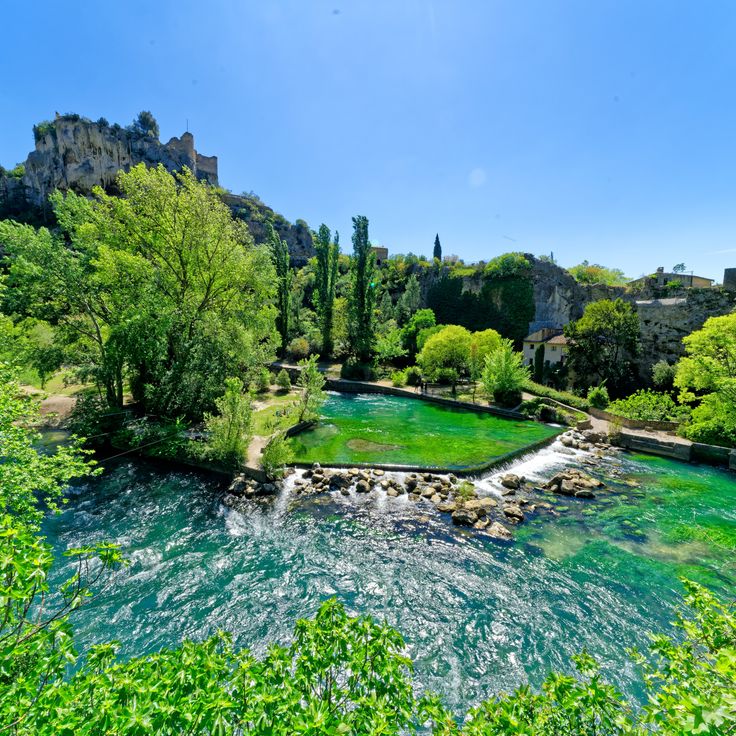
The Source of the Sorgue in Fontaine-de-Vaucluse stands as one of the natural treasures of the Luberon region. Water emerges forcefully from an impressive sinkhole, creating one of Europe's most powerful springs. Limestone cliffs frame the turquoise pool, and shaded paths wind through the valley, inviting visitors to walk where water has shaped the landscape for centuries.
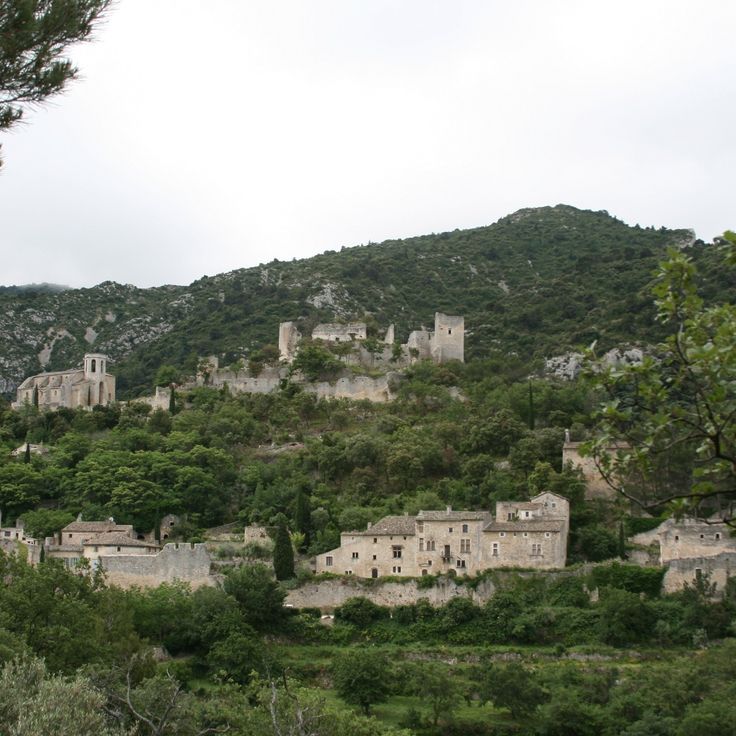
Oppède-le-Vieux clings to the mountain and feels the weight of medieval times. The ruins of the castle and the Romanesque church overlook the Calavon plain. Walking through the narrow streets, you find old stones and traces of history at every turn. This village shows what the Luberon has, where each village keeps the memory of a different past.
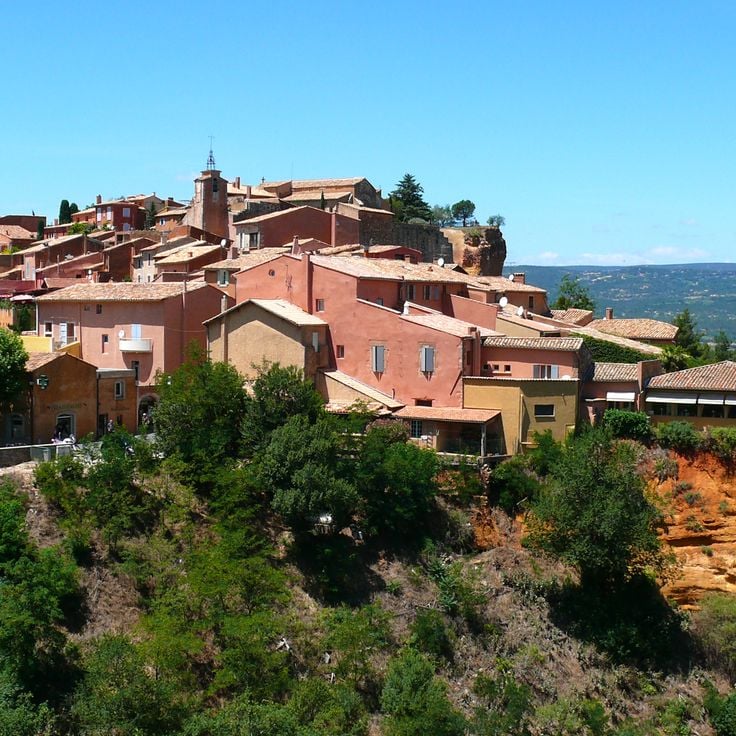
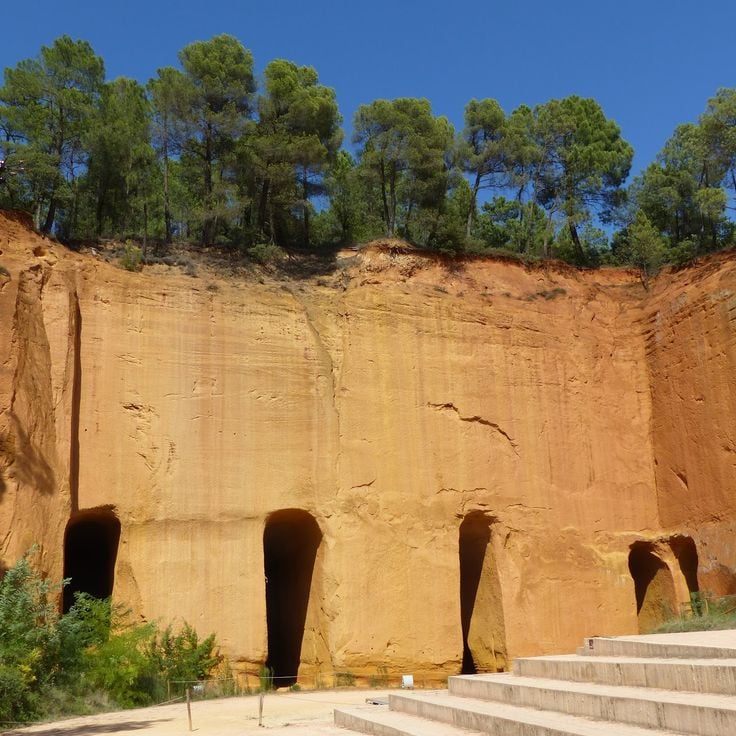
Within this Luberon village, the houses glow in the colors of the earth: red, gold, and saffron. The ochre trail crosses ancient quarries with wind-sculpted formations that appear almost unreal. Roussillon embodies the natural beauty of this Provence region, where landscape and local heritage merge.
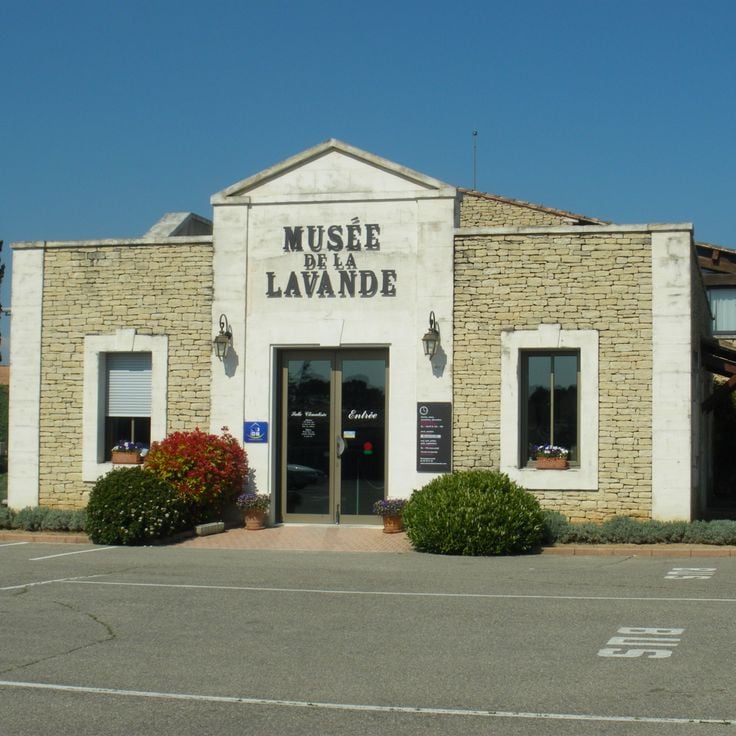
The Lavender Museum in Coustellet tells the story of this plant and how people have worked with it. The museum displays stills, tools, and documents that show how lavender was processed and used over time. Visitors walk through rooms that explain the distillation methods and discover the many ways lavender became important to the life and economy of this region.
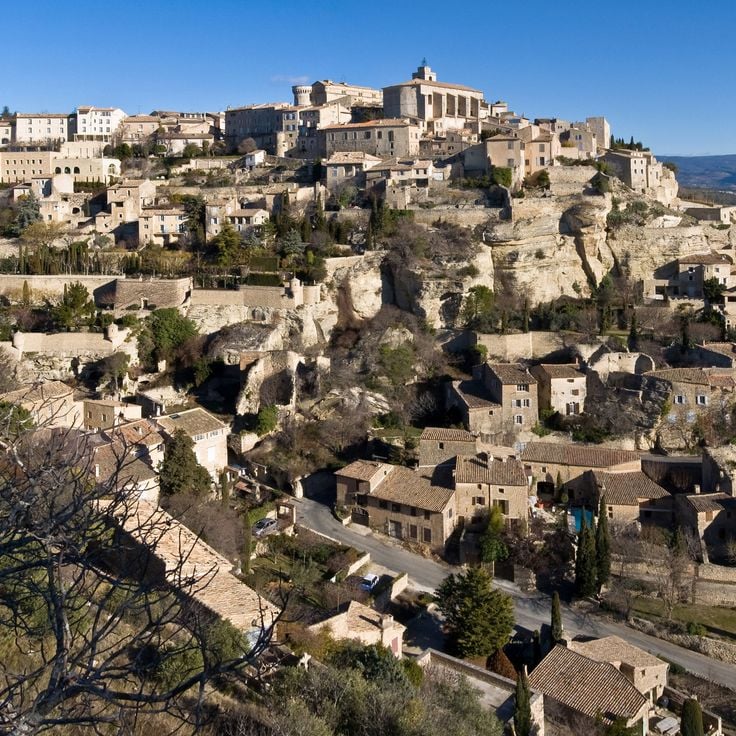
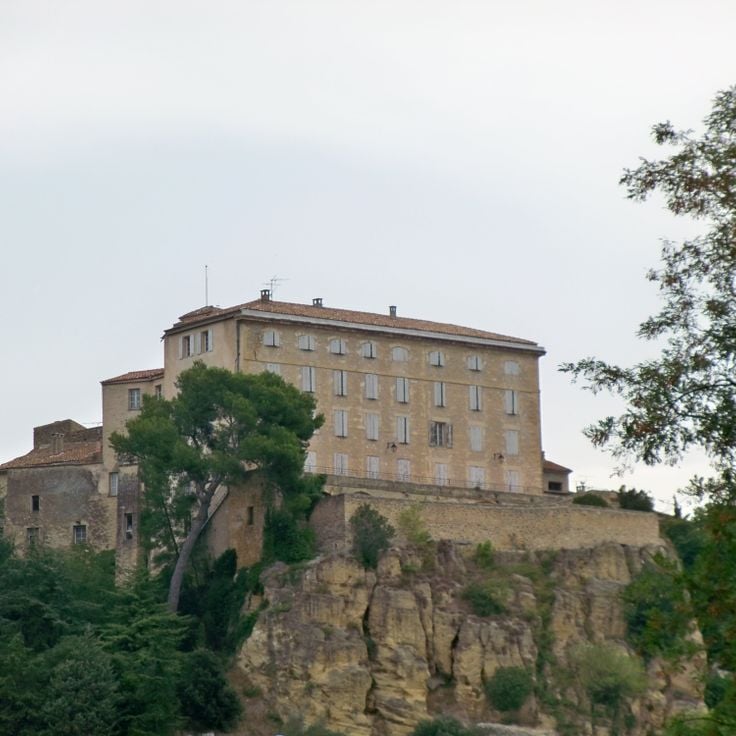
Gordes sits on a rock and overlooks the valleys of the Luberon. In this village, the houses cascade down the slopes made of honey-colored stone, and the light dances on the facades. With its 16th-century castle and narrow streets, Gordes shows the simple beauty that defines Provence in its purest form.
L'Isle-sur-la-Sorgue is one of the most notable water towns in the Luberon region, embodying the living connection between nature and human craftsmanship that defines Provence. The town moves to the rhythm of its canals and antique markets, while old water wheels recall its mill past and terraces line the river under plane trees. Here, you can walk through alleyways where history and daily life intertwine, much like the other villages in the region.
The Mines of Bruoux are an underground labyrinth carved into ochre-colored rock that extends across several levels. The tunnels, about 15 meters high, bear witness to centuries of quarrying. This site represents one of the hidden treasures of Luberon and reveals how people have shaped the landscape here. Visitors can walk through the cool passages and see the traces of this work along the walls. It offers a different perspective on the region, because while villages above ground glow in the sun, this place shows the story beneath the earth.
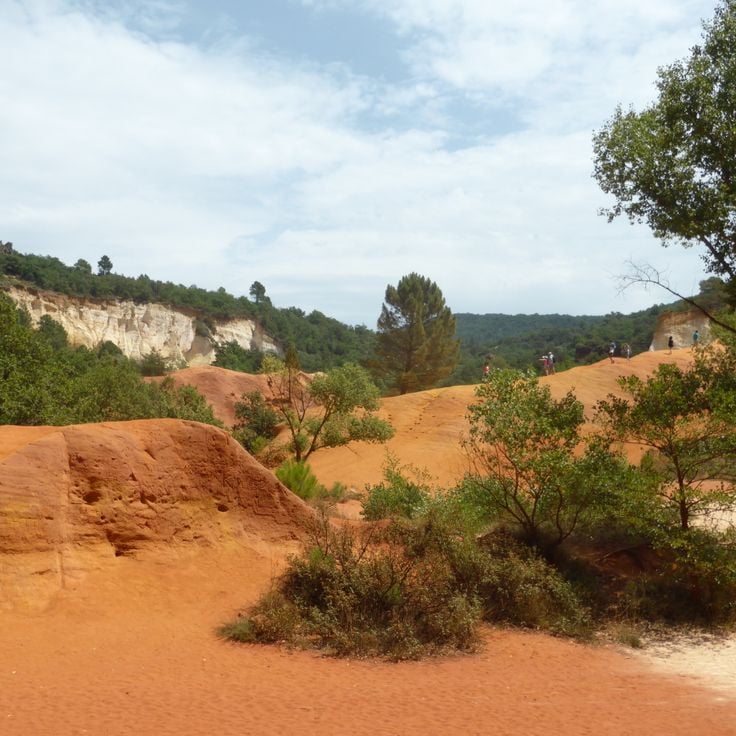
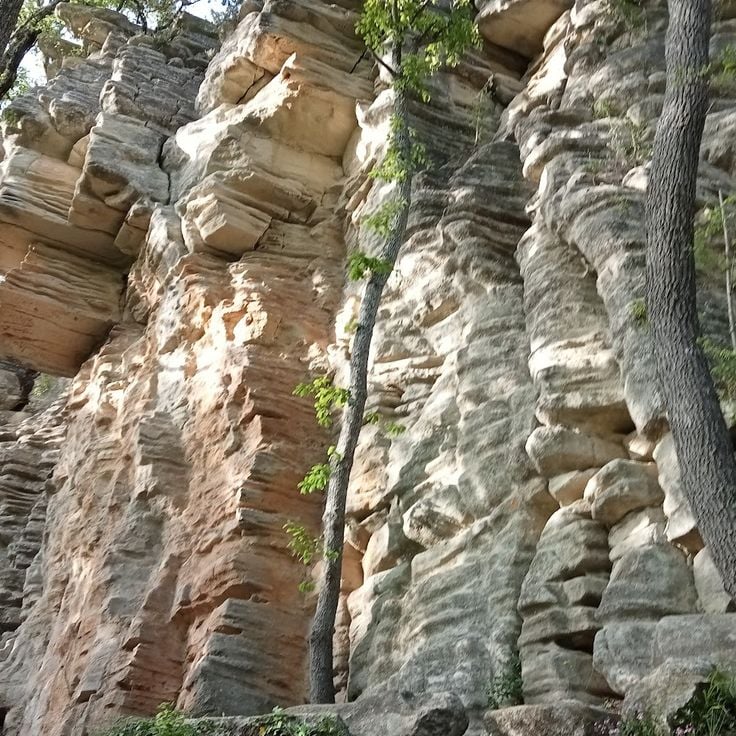
The Colorado Provençal in Rustrel shows the colored geology that characterizes the Luberon area. This natural site looks like an American canyon, with red and yellow cliffs formed by ochre deposits. The trails wind through the landscape, revealing how light and color shape the land in a way that almost seems painted.
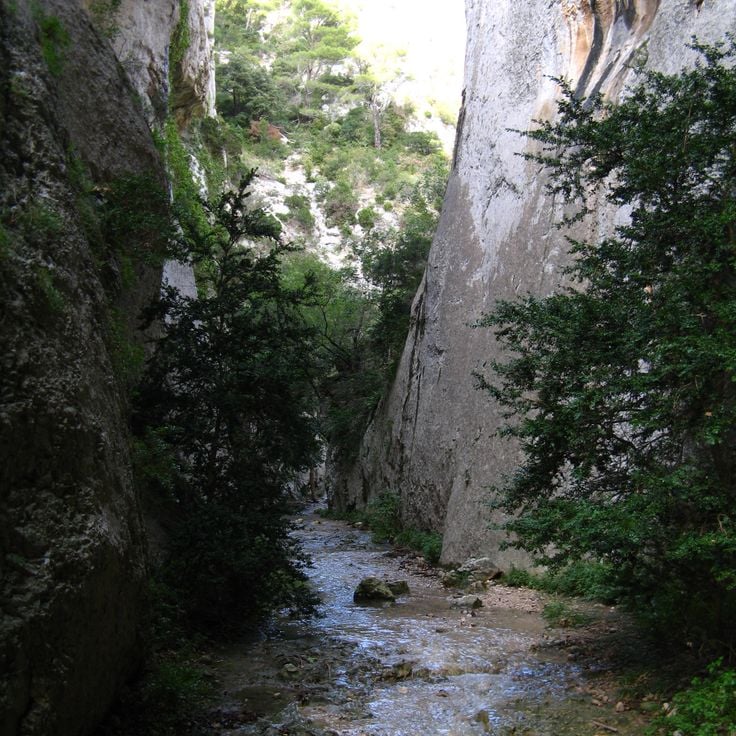
The Gorges du Régalon in Cheval-Blanc is a narrow rocky passage carved by erosion between two steep cliffs. This natural wonder is part of the Luberon's landscape treasures, showcasing the wild side of Provence alongside its villages and fields. Walking through these cliffs reveals the raw power of stone and water that shaped this region.
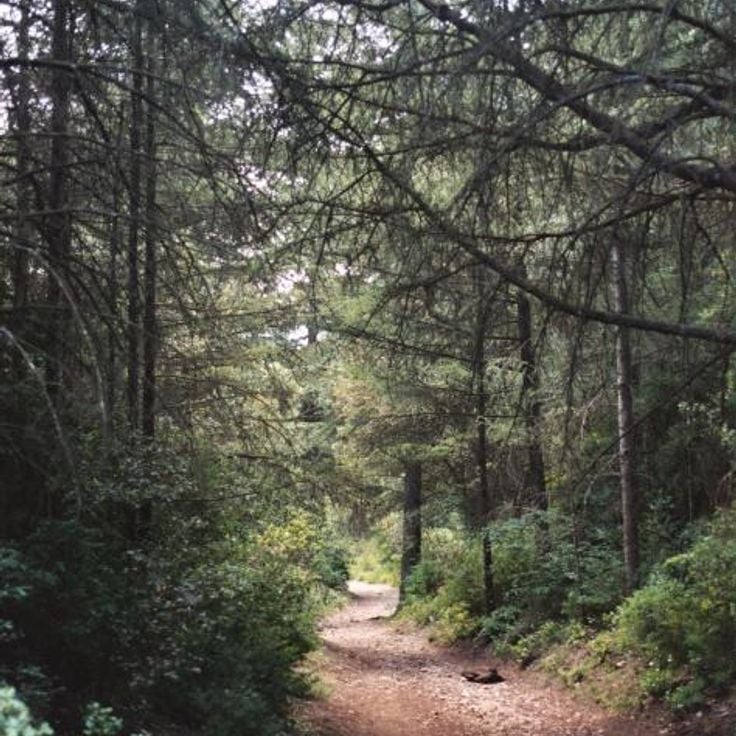
The Cedar Forest at Bonnieux offers an unexpected sight in this landscape. Planted in the 19th century, this forest stands in sharp contrast to the olive fields below. The paths lead to viewpoints where you can overlook Mount Ventoux. This place fits naturally into the natural treasures of the Luberon region, where nature and history meet at every turn.
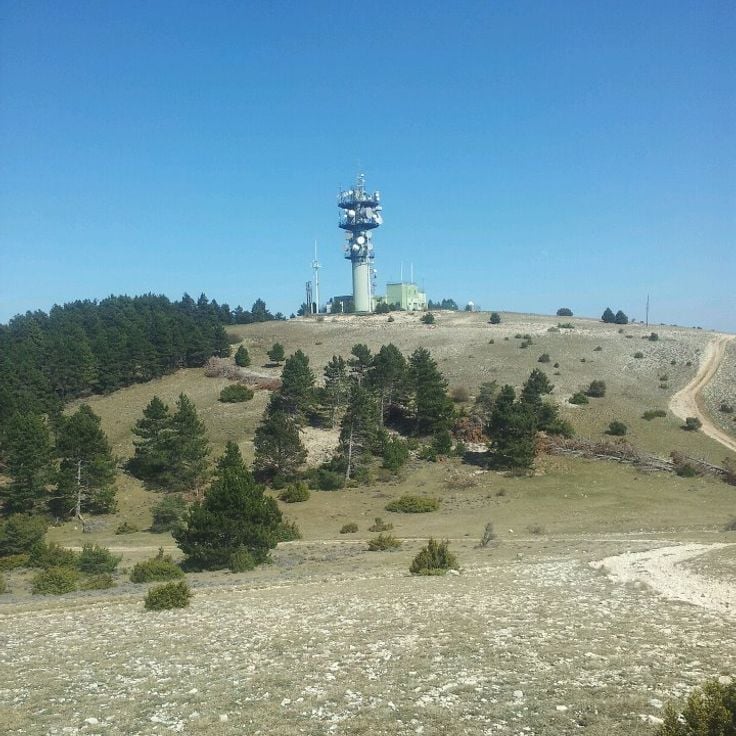
Mourre Nègre is the highest point of the Grand Luberon, offering hikers and photographers a place to see all of Provence from above. From here, you can see the landscapes that define this collection: the lavender fields, the ochre cliffs, and the villages clinging to the hillsides. The climb takes you through the nature that makes Provence one of France's most beautiful regions.
The troglodyte houses of Cadenet are dwellings from the 19th century carved into limestone cliffs. These natural cavities were expanded across several levels to create living spaces. At this site, visitors can see how people once lived within the stone and used the rooms cleverly. The houses show how craftspeople worked with the landscape to create shelter that stayed cool in summer and warm in winter. Cadenet sits in the Luberon, among those villages where history is written in stone. Here, human skill and natural forms come together in something worth seeing.
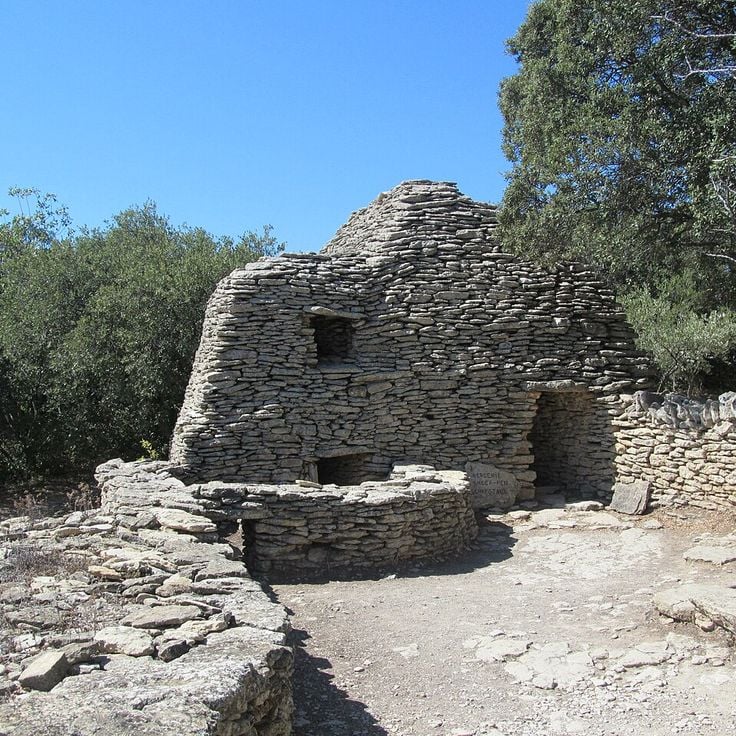
The Bories of Gordes are 18th-century rural huts built without mortar using stacked stone. Farmers used these simple shelters to store their tools and protect them from the weather. They offer a glimpse into how people lived and worked in this region long ago. These stone structures are part of the Luberon's story, showing the resourcefulness of those who adapted to the surrounding landscape.
This castle is one of the first structures from the Renaissance in Provence and is located in the heart of the Luberon region. Behind its carefully designed facade, you find refined architecture and a terrace overlooking the village roofs. The Château de Lourmarin marks a time when Provence adopted new ways of building and designing.
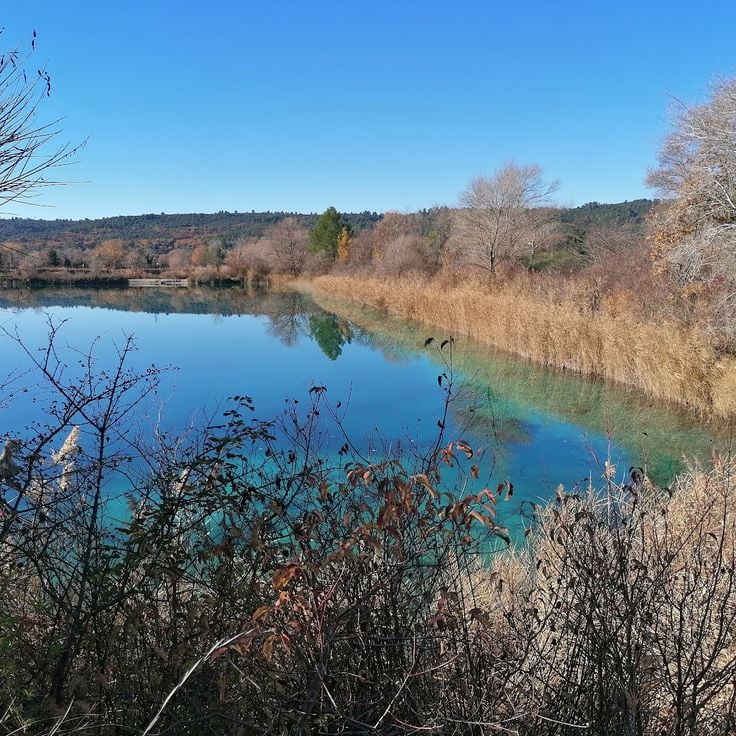
Beaumont Lakes form a chain of seven water reservoirs created in the 20th century for agricultural irrigation. These basins stretch along the EDF Canal de la Durance and represent one of the natural treasures of the Luberon region, where water and landscape create spaces to explore and enjoy.
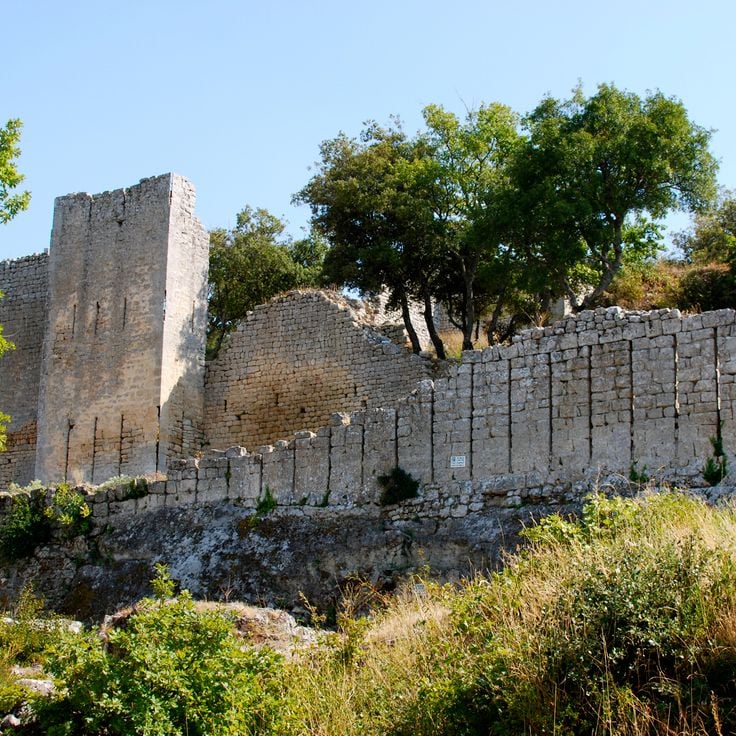
Lacoste Castle is an 11th-century fortress overlooking the Luberon valley. With its underground passages, a terrace, and limestone walls, it represents the medieval character that defines the villages of this region. The castle tells the story of a time when such fortifications watched over the plains.
Apt is the heart of a unique craft passed down through generations: candied fruit production. The city earned its reputation as the world center for this sweet trade, and visitors still find artisans making fruit confections using traditional methods. The historical center reflects its former role as a bishop's seat, with narrow streets and stone buildings that speak to centuries of local life. For those exploring Luberon, Apt offers a chance to see how a village has built its identity around one skill, perfected over time.
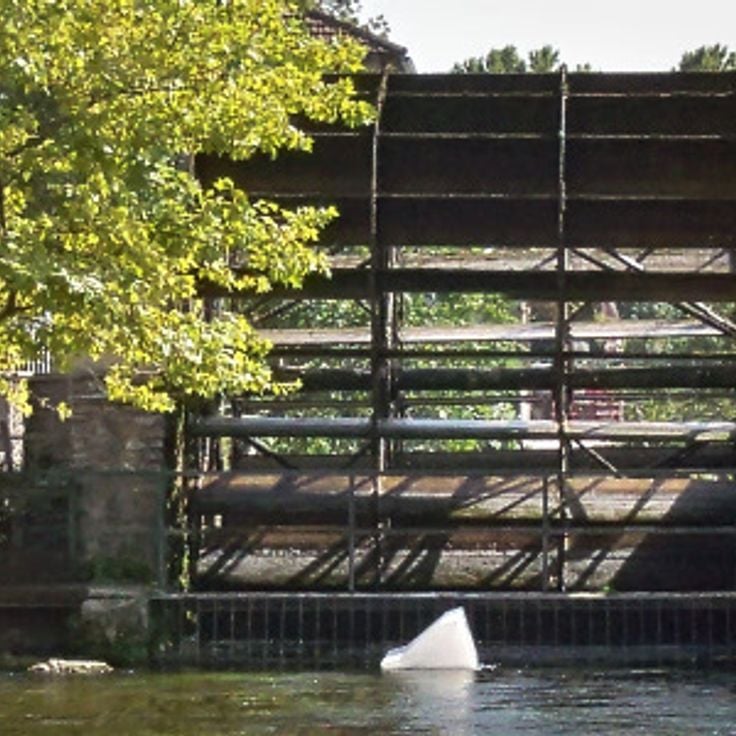
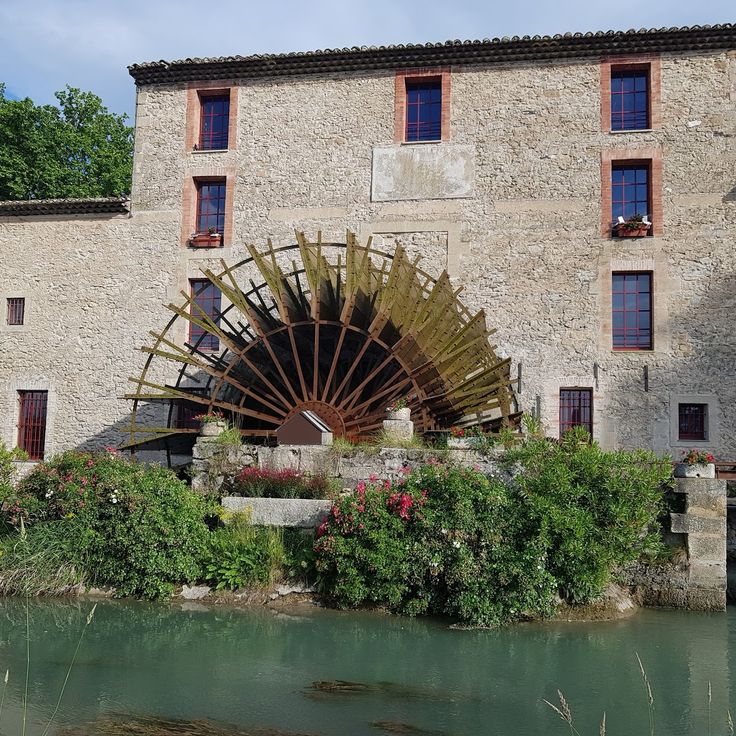
The Saint-Pierre Mill is a former water mill from the 18th century located on the Sorgue river in L'Isle-sur-la-Sorgue. Within the Luberon region, this mill represents how water and villages have shaped Provence's character. Its restored wooden wheel and original mechanisms show how mills like this one once powered daily life.
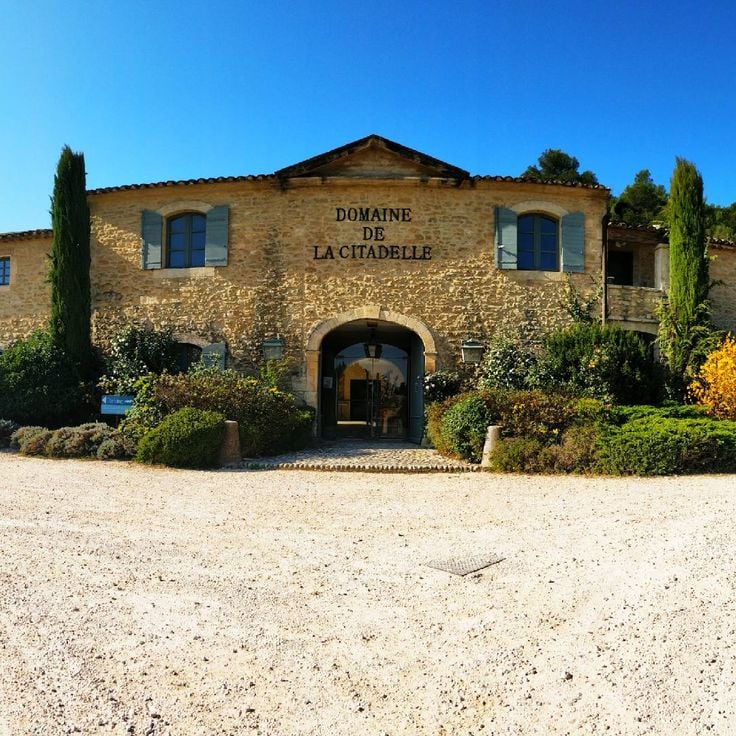
Domaine de la Citadelle is a vineyard in Ménerbes producing Luberon wines, offering visitors a chance to discover how wine is made in this region. Within the estate, a museum displays a collection of around 1200 corkscrews, telling the story of this everyday object through the centuries. The vineyard sits in a village that clings to a hillside, surrounded by the lavender fields and ochre cliffs that define Luberon.
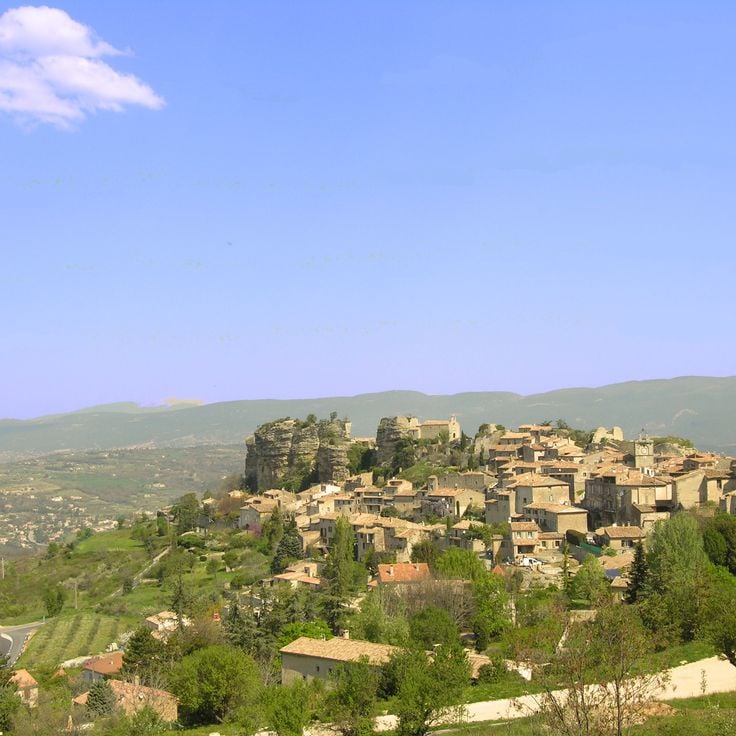
This perched village in the Luberon region stands proudly on its rocky spur, offering travelers searching for tranquility and authenticity a genuine piece of Provence. Cobbled streets wind past art galleries, while old ramparts protect the village. From here, you can look out over the gentle hills and lavender fields that surround it.
This village of Saignon sits at 500 meters above sea level and overlooks the Apt valley. From the main square, one gazes upon fields and mountains in rare silence. As part of the Luberon region, Saignon embodies the character of Provençal mountain villages, where old houses cling to steep hillsides and the landscape appears hand-painted.
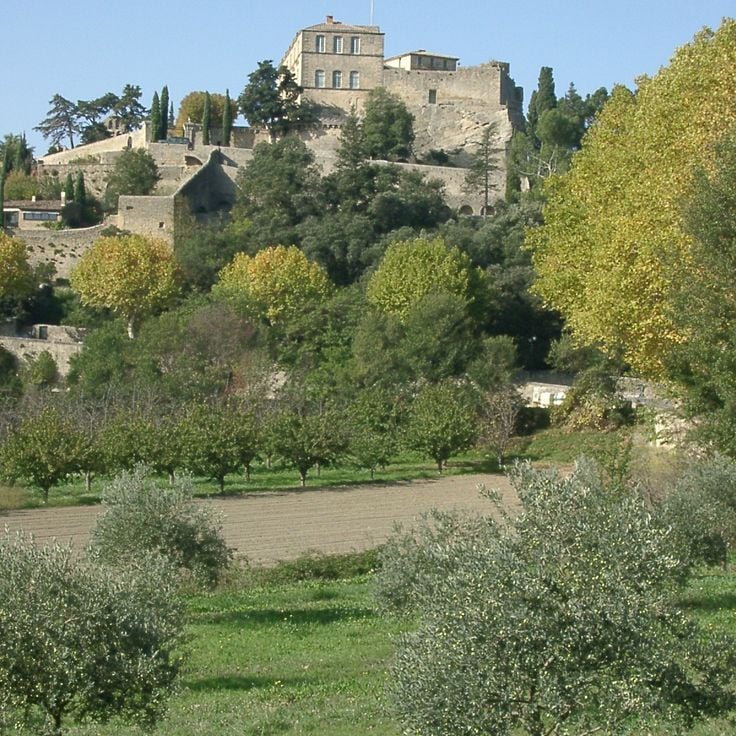
Ansouis is a village in Vaucluse that fits naturally into the gentle landscape of Luberon. Known for its Renaissance castle and flower-lined streets, this place carries the feel of a different era. The houses cluster on the hillside, and walking through the lanes reveals views across the surrounding Provence. Life here moves at a slower pace, and the past lingers in every corner.
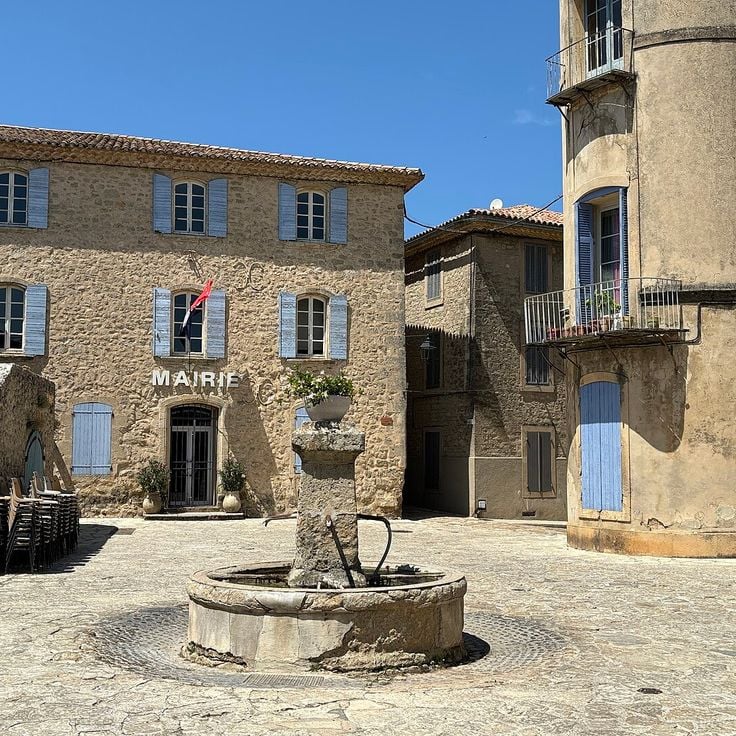
Grambois is a Provençal village in Vaucluse that offers a glimpse into history through its Roman fountain and Templar passage. The village served as a filming location for Marcel Pagnol's films and displays the typical architecture of the region with narrow streets and stone houses built into the hillside.
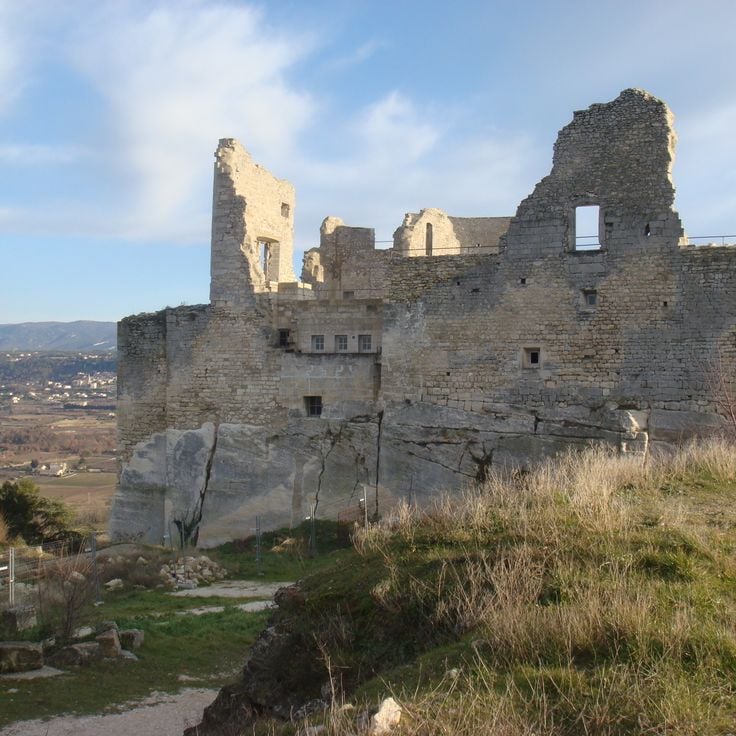
The ruins of this medieval fortress are part of Luberon's natural treasures, overlooking a dizzying landscape. People climb here not just for the view, but also to feel the powerful silence of the stones and the wind, connecting them to the medieval past that defines this region.
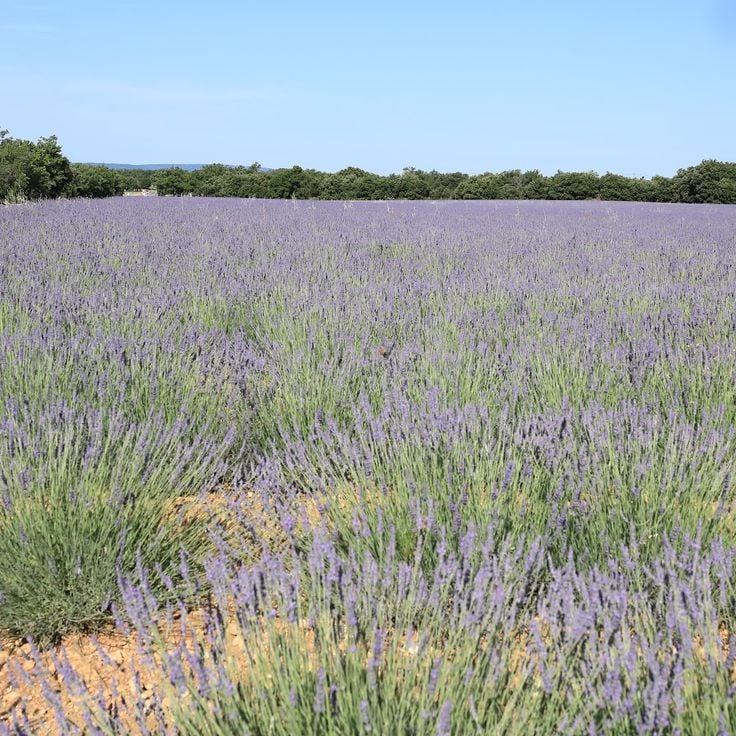
The Plateau des Claparèdes is a large limestone plateau within the Luberon region where lavender fields and hiking paths shape the gentle landscape. This place embodies the natural beauty of Provence that this collection celebrates. The trails cross through blooming fields and shaded woods, revealing the quiet character of rural Provence at every turn.
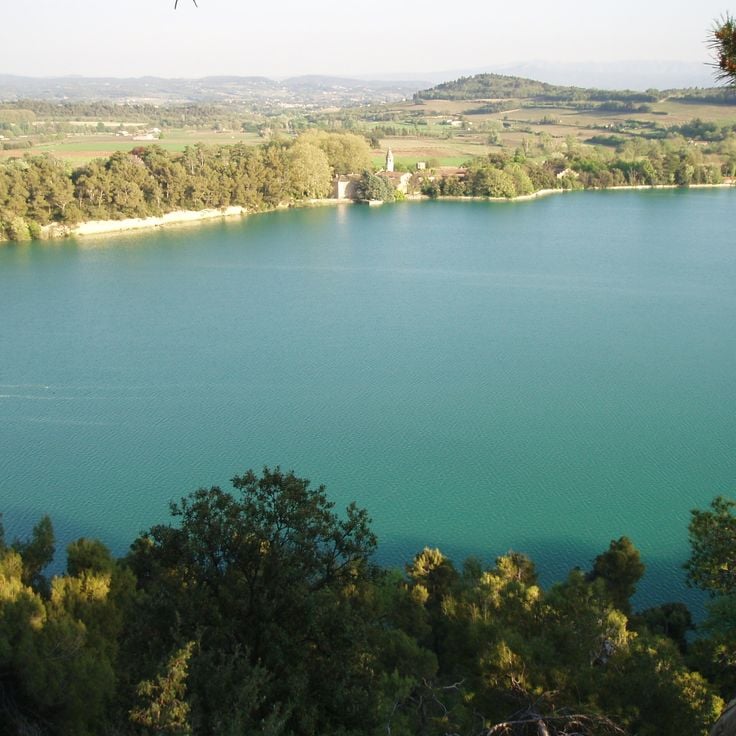
The Étang de la Bonde is a calm water body at the foot of Luberon, inviting you to swim. This spot is loved by locals as a picnic destination, shaded by pine trees with cicadas singing in the background. It embodies the natural treasures that make Luberon a place where you can slow down and enjoy the simplicity of Provence.
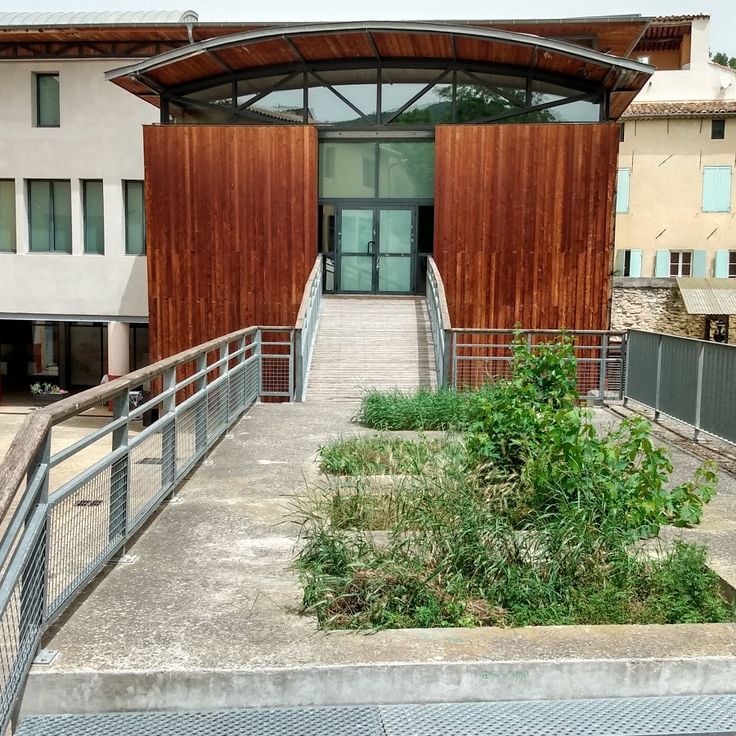
The Maison du Parc in Apt serves as a gateway to understanding the Luberon. Housed in an 18th-century mansion that once held administrative functions, this center presents permanent exhibitions and a geology museum. Visitors discover how the region formed and learn about the ochre cliffs that shape the surrounding landscape.
Domaine de la Thomassine sits on the heights of Ménerbes, blending vineyard cultivation with an unusual corkscrew museum. From this location, you can see across the Luberon mountains and take in the landscape that defines Provence. This place shows how the region combines its traditions with creative ideas.
Buoux sits within the Luberon landscape and brings together natural drama with human history. This village is known for its sheer cliffs, the ruins of a former fortress, and a chapel carved into the rock face. Climbers and history lovers both find reason to visit, drawn by either the vertical stone or the traces of the past.
Lauris Castle is a medieval building that fits into the landscape of Luberon, where villages cling to hillsides and lavender fields line the roads. The castle features gardens arranged in terraces across multiple levels and contains 250 species of dye plants. This structure tells a story from another era, much like each village in this region, and offers visitors a window into Luberon's past.
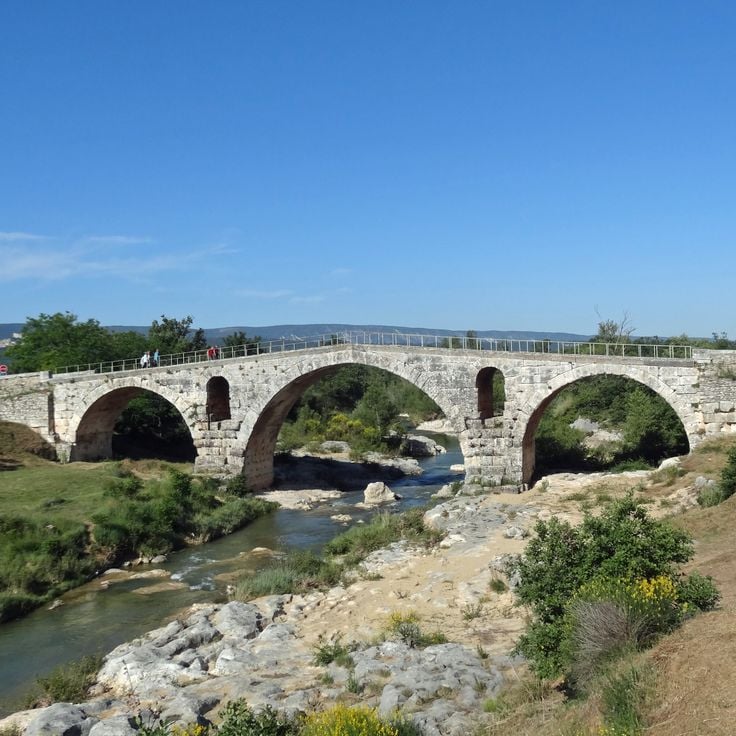
The Pont Julien is a Roman stone bridge with three arches that spans the Calavon River and has stood for over two thousand years. Built in the 1st century BC, it shows the skill of Roman builders. This bridge in the Luberon region connects history with the landscape around it and serves as a quiet reminder of the past for travelers exploring the villages and valleys of Provence.
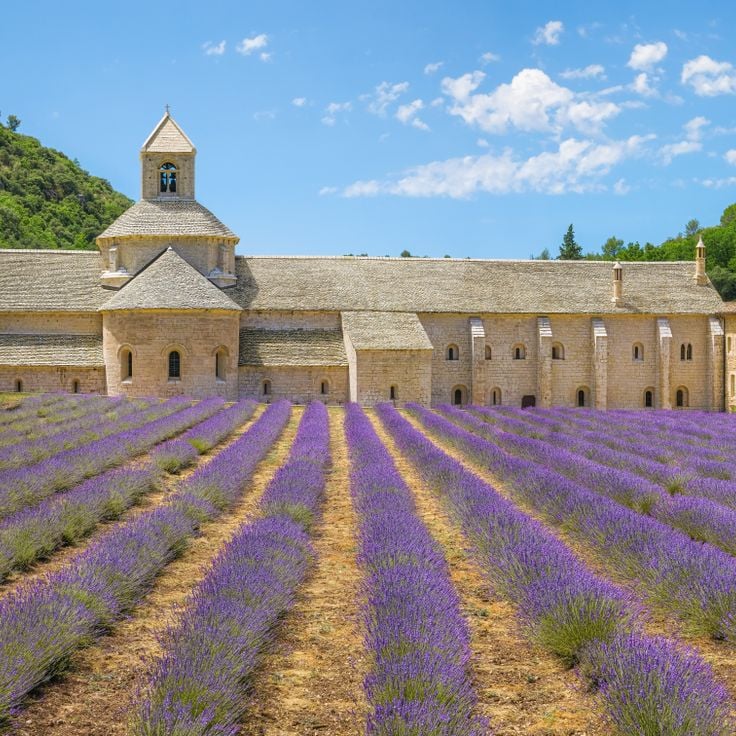
The Abbey of Sénanque rests in a valley surrounded by lavender fields, embodying the rural spirituality that defines the Luberon. Built in the 12th century by Cistercian monks, it remains a living monastery where a community continues the traditions of prayer, work, and silence. The simplicity of the stone buildings and the quiet landscape around them reflect the values that have shaped this region for centuries. Visitors can sense how the monks shaped their lives to match the rhythm of nature and faith.
The Source of the Sorgue in Fontaine-de-Vaucluse stands as one of the natural treasures of the Luberon region. Water emerges forcefully from an impressive sinkhole, creating one of Europe's most powerful springs. Limestone cliffs frame the turquoise pool, and shaded paths wind through the valley, inviting visitors to walk where water has shaped the landscape for centuries.
Oppède-le-Vieux clings to the mountain and feels the weight of medieval times. The ruins of the castle and the Romanesque church overlook the Calavon plain. Walking through the narrow streets, you find old stones and traces of history at every turn. This village shows what the Luberon has, where each village keeps the memory of a different past.
Within this Luberon village, the houses glow in the colors of the earth: red, gold, and saffron. The ochre trail crosses ancient quarries with wind-sculpted formations that appear almost unreal. Roussillon embodies the natural beauty of this Provence region, where landscape and local heritage merge.
The Lavender Museum in Coustellet tells the story of this plant and how people have worked with it. The museum displays stills, tools, and documents that show how lavender was processed and used over time. Visitors walk through rooms that explain the distillation methods and discover the many ways lavender became important to the life and economy of this region.
Gordes sits on a rock and overlooks the valleys of the Luberon. In this village, the houses cascade down the slopes made of honey-colored stone, and the light dances on the facades. With its 16th-century castle and narrow streets, Gordes shows the simple beauty that defines Provence in its purest form.
L'Isle-sur-la-Sorgue is one of the most notable water towns in the Luberon region, embodying the living connection between nature and human craftsmanship that defines Provence. The town moves to the rhythm of its canals and antique markets, while old water wheels recall its mill past and terraces line the river under plane trees. Here, you can walk through alleyways where history and daily life intertwine, much like the other villages in the region.
The Mines of Bruoux are an underground labyrinth carved into ochre-colored rock that extends across several levels. The tunnels, about 15 meters high, bear witness to centuries of quarrying. This site represents one of the hidden treasures of Luberon and reveals how people have shaped the landscape here. Visitors can walk through the cool passages and see the traces of this work along the walls. It offers a different perspective on the region, because while villages above ground glow in the sun, this place shows the story beneath the earth.
The Colorado Provençal in Rustrel shows the colored geology that characterizes the Luberon area. This natural site looks like an American canyon, with red and yellow cliffs formed by ochre deposits. The trails wind through the landscape, revealing how light and color shape the land in a way that almost seems painted.
The Gorges du Régalon in Cheval-Blanc is a narrow rocky passage carved by erosion between two steep cliffs. This natural wonder is part of the Luberon's landscape treasures, showcasing the wild side of Provence alongside its villages and fields. Walking through these cliffs reveals the raw power of stone and water that shaped this region.
The Cedar Forest at Bonnieux offers an unexpected sight in this landscape. Planted in the 19th century, this forest stands in sharp contrast to the olive fields below. The paths lead to viewpoints where you can overlook Mount Ventoux. This place fits naturally into the natural treasures of the Luberon region, where nature and history meet at every turn.
Mourre Nègre is the highest point of the Grand Luberon, offering hikers and photographers a place to see all of Provence from above. From here, you can see the landscapes that define this collection: the lavender fields, the ochre cliffs, and the villages clinging to the hillsides. The climb takes you through the nature that makes Provence one of France's most beautiful regions.
The troglodyte houses of Cadenet are dwellings from the 19th century carved into limestone cliffs. These natural cavities were expanded across several levels to create living spaces. At this site, visitors can see how people once lived within the stone and used the rooms cleverly. The houses show how craftspeople worked with the landscape to create shelter that stayed cool in summer and warm in winter. Cadenet sits in the Luberon, among those villages where history is written in stone. Here, human skill and natural forms come together in something worth seeing.
The Bories of Gordes are 18th-century rural huts built without mortar using stacked stone. Farmers used these simple shelters to store their tools and protect them from the weather. They offer a glimpse into how people lived and worked in this region long ago. These stone structures are part of the Luberon's story, showing the resourcefulness of those who adapted to the surrounding landscape.
This castle is one of the first structures from the Renaissance in Provence and is located in the heart of the Luberon region. Behind its carefully designed facade, you find refined architecture and a terrace overlooking the village roofs. The Château de Lourmarin marks a time when Provence adopted new ways of building and designing.
Beaumont Lakes form a chain of seven water reservoirs created in the 20th century for agricultural irrigation. These basins stretch along the EDF Canal de la Durance and represent one of the natural treasures of the Luberon region, where water and landscape create spaces to explore and enjoy.
Lacoste Castle is an 11th-century fortress overlooking the Luberon valley. With its underground passages, a terrace, and limestone walls, it represents the medieval character that defines the villages of this region. The castle tells the story of a time when such fortifications watched over the plains.
Apt is the heart of a unique craft passed down through generations: candied fruit production. The city earned its reputation as the world center for this sweet trade, and visitors still find artisans making fruit confections using traditional methods. The historical center reflects its former role as a bishop's seat, with narrow streets and stone buildings that speak to centuries of local life. For those exploring Luberon, Apt offers a chance to see how a village has built its identity around one skill, perfected over time.
The Saint-Pierre Mill is a former water mill from the 18th century located on the Sorgue river in L'Isle-sur-la-Sorgue. Within the Luberon region, this mill represents how water and villages have shaped Provence's character. Its restored wooden wheel and original mechanisms show how mills like this one once powered daily life.
Domaine de la Citadelle is a vineyard in Ménerbes producing Luberon wines, offering visitors a chance to discover how wine is made in this region. Within the estate, a museum displays a collection of around 1200 corkscrews, telling the story of this everyday object through the centuries. The vineyard sits in a village that clings to a hillside, surrounded by the lavender fields and ochre cliffs that define Luberon.
This perched village in the Luberon region stands proudly on its rocky spur, offering travelers searching for tranquility and authenticity a genuine piece of Provence. Cobbled streets wind past art galleries, while old ramparts protect the village. From here, you can look out over the gentle hills and lavender fields that surround it.
This village of Saignon sits at 500 meters above sea level and overlooks the Apt valley. From the main square, one gazes upon fields and mountains in rare silence. As part of the Luberon region, Saignon embodies the character of Provençal mountain villages, where old houses cling to steep hillsides and the landscape appears hand-painted.
Ansouis is a village in Vaucluse that fits naturally into the gentle landscape of Luberon. Known for its Renaissance castle and flower-lined streets, this place carries the feel of a different era. The houses cluster on the hillside, and walking through the lanes reveals views across the surrounding Provence. Life here moves at a slower pace, and the past lingers in every corner.
Grambois is a Provençal village in Vaucluse that offers a glimpse into history through its Roman fountain and Templar passage. The village served as a filming location for Marcel Pagnol's films and displays the typical architecture of the region with narrow streets and stone houses built into the hillside.
The ruins of this medieval fortress are part of Luberon's natural treasures, overlooking a dizzying landscape. People climb here not just for the view, but also to feel the powerful silence of the stones and the wind, connecting them to the medieval past that defines this region.
The Plateau des Claparèdes is a large limestone plateau within the Luberon region where lavender fields and hiking paths shape the gentle landscape. This place embodies the natural beauty of Provence that this collection celebrates. The trails cross through blooming fields and shaded woods, revealing the quiet character of rural Provence at every turn.
The Étang de la Bonde is a calm water body at the foot of Luberon, inviting you to swim. This spot is loved by locals as a picnic destination, shaded by pine trees with cicadas singing in the background. It embodies the natural treasures that make Luberon a place where you can slow down and enjoy the simplicity of Provence.
The Maison du Parc in Apt serves as a gateway to understanding the Luberon. Housed in an 18th-century mansion that once held administrative functions, this center presents permanent exhibitions and a geology museum. Visitors discover how the region formed and learn about the ochre cliffs that shape the surrounding landscape.
Domaine de la Thomassine sits on the heights of Ménerbes, blending vineyard cultivation with an unusual corkscrew museum. From this location, you can see across the Luberon mountains and take in the landscape that defines Provence. This place shows how the region combines its traditions with creative ideas.
Buoux sits within the Luberon landscape and brings together natural drama with human history. This village is known for its sheer cliffs, the ruins of a former fortress, and a chapel carved into the rock face. Climbers and history lovers both find reason to visit, drawn by either the vertical stone or the traces of the past.
Lauris Castle is a medieval building that fits into the landscape of Luberon, where villages cling to hillsides and lavender fields line the roads. The castle features gardens arranged in terraces across multiple levels and contains 250 species of dye plants. This structure tells a story from another era, much like each village in this region, and offers visitors a window into Luberon's past.
The Pont Julien is a Roman stone bridge with three arches that spans the Calavon River and has stood for over two thousand years. Built in the 1st century BC, it shows the skill of Roman builders. This bridge in the Luberon region connects history with the landscape around it and serves as a quiet reminder of the past for travelers exploring the villages and valleys of Provence.
The Abbey of Sénanque rests in a valley surrounded by lavender fields, embodying the rural spirituality that defines the Luberon. Built in the 12th century by Cistercian monks, it remains a living monastery where a community continues the traditions of prayer, work, and silence. The simplicity of the stone buildings and the quiet landscape around them reflect the values that have shaped this region for centuries. Visitors can sense how the monks shaped their lives to match the rhythm of nature and faith.
The Source of the Sorgue in Fontaine-de-Vaucluse stands as one of the natural treasures of the Luberon region. Water emerges forcefully from an impressive sinkhole, creating one of Europe's most powerful springs. Limestone cliffs frame the turquoise pool, and shaded paths wind through the valley, inviting visitors to walk where water has shaped the landscape for centuries.
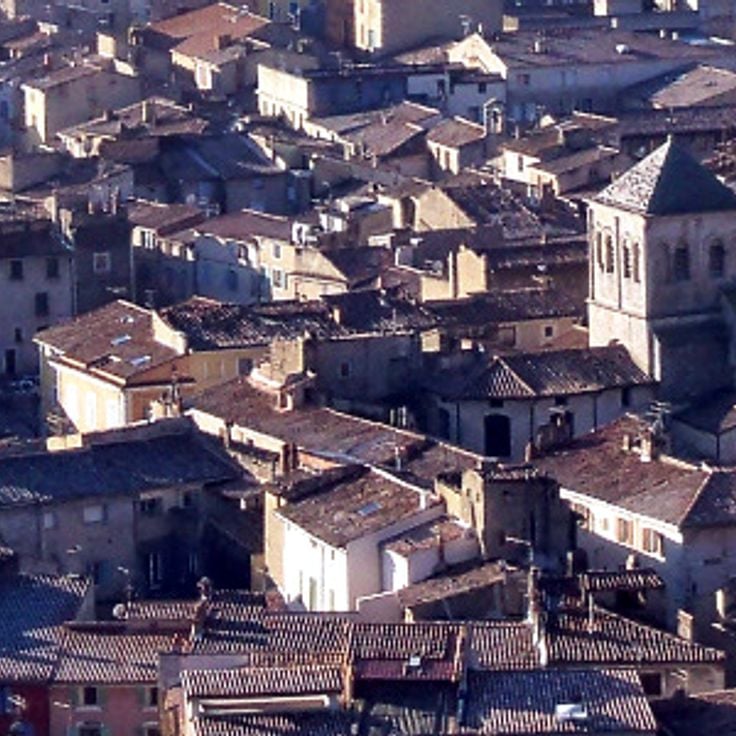
Oppède-le-Vieux clings to the mountain and feels the weight of medieval times. The ruins of the castle and the Romanesque church overlook the Calavon plain. Walking through the narrow streets, you find old stones and traces of history at every turn. This village shows what the Luberon has, where each village keeps the memory of a different past.
Within this Luberon village, the houses glow in the colors of the earth: red, gold, and saffron. The ochre trail crosses ancient quarries with wind-sculpted formations that appear almost unreal. Roussillon embodies the natural beauty of this Provence region, where landscape and local heritage merge.
The Lavender Museum in Coustellet tells the story of this plant and how people have worked with it. The museum displays stills, tools, and documents that show how lavender was processed and used over time. Visitors walk through rooms that explain the distillation methods and discover the many ways lavender became important to the life and economy of this region.
Gordes sits on a rock and overlooks the valleys of the Luberon. In this village, the houses cascade down the slopes made of honey-colored stone, and the light dances on the facades. With its 16th-century castle and narrow streets, Gordes shows the simple beauty that defines Provence in its purest form.
L'Isle-sur-la-Sorgue is one of the most notable water towns in the Luberon region, embodying the living connection between nature and human craftsmanship that defines Provence. The town moves to the rhythm of its canals and antique markets, while old water wheels recall its mill past and terraces line the river under plane trees. Here, you can walk through alleyways where history and daily life intertwine, much like the other villages in the region.
The Mines of Bruoux are an underground labyrinth carved into ochre-colored rock that extends across several levels. The tunnels, about 15 meters high, bear witness to centuries of quarrying. This site represents one of the hidden treasures of Luberon and reveals how people have shaped the landscape here. Visitors can walk through the cool passages and see the traces of this work along the walls. It offers a different perspective on the region, because while villages above ground glow in the sun, this place shows the story beneath the earth.
The Colorado Provençal in Rustrel shows the colored geology that characterizes the Luberon area. This natural site looks like an American canyon, with red and yellow cliffs formed by ochre deposits. The trails wind through the landscape, revealing how light and color shape the land in a way that almost seems painted.
The Gorges du Régalon in Cheval-Blanc is a narrow rocky passage carved by erosion between two steep cliffs. This natural wonder is part of the Luberon's landscape treasures, showcasing the wild side of Provence alongside its villages and fields. Walking through these cliffs reveals the raw power of stone and water that shaped this region.
The Cedar Forest at Bonnieux offers an unexpected sight in this landscape. Planted in the 19th century, this forest stands in sharp contrast to the olive fields below. The paths lead to viewpoints where you can overlook Mount Ventoux. This place fits naturally into the natural treasures of the Luberon region, where nature and history meet at every turn.
Mourre Nègre is the highest point of the Grand Luberon, offering hikers and photographers a place to see all of Provence from above. From here, you can see the landscapes that define this collection: the lavender fields, the ochre cliffs, and the villages clinging to the hillsides. The climb takes you through the nature that makes Provence one of France's most beautiful regions.
The troglodyte houses of Cadenet are dwellings from the 19th century carved into limestone cliffs. These natural cavities were expanded across several levels to create living spaces. At this site, visitors can see how people once lived within the stone and used the rooms cleverly. The houses show how craftspeople worked with the landscape to create shelter that stayed cool in summer and warm in winter. Cadenet sits in the Luberon, among those villages where history is written in stone. Here, human skill and natural forms come together in something worth seeing.
The Bories of Gordes are 18th-century rural huts built without mortar using stacked stone. Farmers used these simple shelters to store their tools and protect them from the weather. They offer a glimpse into how people lived and worked in this region long ago. These stone structures are part of the Luberon's story, showing the resourcefulness of those who adapted to the surrounding landscape.
This castle is one of the first structures from the Renaissance in Provence and is located in the heart of the Luberon region. Behind its carefully designed facade, you find refined architecture and a terrace overlooking the village roofs. The Château de Lourmarin marks a time when Provence adopted new ways of building and designing.
Beaumont Lakes form a chain of seven water reservoirs created in the 20th century for agricultural irrigation. These basins stretch along the EDF Canal de la Durance and represent one of the natural treasures of the Luberon region, where water and landscape create spaces to explore and enjoy.
Lacoste Castle is an 11th-century fortress overlooking the Luberon valley. With its underground passages, a terrace, and limestone walls, it represents the medieval character that defines the villages of this region. The castle tells the story of a time when such fortifications watched over the plains.
Apt is the heart of a unique craft passed down through generations: candied fruit production. The city earned its reputation as the world center for this sweet trade, and visitors still find artisans making fruit confections using traditional methods. The historical center reflects its former role as a bishop's seat, with narrow streets and stone buildings that speak to centuries of local life. For those exploring Luberon, Apt offers a chance to see how a village has built its identity around one skill, perfected over time.
The Saint-Pierre Mill is a former water mill from the 18th century located on the Sorgue river in L'Isle-sur-la-Sorgue. Within the Luberon region, this mill represents how water and villages have shaped Provence's character. Its restored wooden wheel and original mechanisms show how mills like this one once powered daily life.
Domaine de la Citadelle is a vineyard in Ménerbes producing Luberon wines, offering visitors a chance to discover how wine is made in this region. Within the estate, a museum displays a collection of around 1200 corkscrews, telling the story of this everyday object through the centuries. The vineyard sits in a village that clings to a hillside, surrounded by the lavender fields and ochre cliffs that define Luberon.
This perched village in the Luberon region stands proudly on its rocky spur, offering travelers searching for tranquility and authenticity a genuine piece of Provence. Cobbled streets wind past art galleries, while old ramparts protect the village. From here, you can look out over the gentle hills and lavender fields that surround it.
This village of Saignon sits at 500 meters above sea level and overlooks the Apt valley. From the main square, one gazes upon fields and mountains in rare silence. As part of the Luberon region, Saignon embodies the character of Provençal mountain villages, where old houses cling to steep hillsides and the landscape appears hand-painted.
Ansouis is a village in Vaucluse that fits naturally into the gentle landscape of Luberon. Known for its Renaissance castle and flower-lined streets, this place carries the feel of a different era. The houses cluster on the hillside, and walking through the lanes reveals views across the surrounding Provence. Life here moves at a slower pace, and the past lingers in every corner.
Grambois is a Provençal village in Vaucluse that offers a glimpse into history through its Roman fountain and Templar passage. The village served as a filming location for Marcel Pagnol's films and displays the typical architecture of the region with narrow streets and stone houses built into the hillside.
The ruins of this medieval fortress are part of Luberon's natural treasures, overlooking a dizzying landscape. People climb here not just for the view, but also to feel the powerful silence of the stones and the wind, connecting them to the medieval past that defines this region.
The Plateau des Claparèdes is a large limestone plateau within the Luberon region where lavender fields and hiking paths shape the gentle landscape. This place embodies the natural beauty of Provence that this collection celebrates. The trails cross through blooming fields and shaded woods, revealing the quiet character of rural Provence at every turn.
The Étang de la Bonde is a calm water body at the foot of Luberon, inviting you to swim. This spot is loved by locals as a picnic destination, shaded by pine trees with cicadas singing in the background. It embodies the natural treasures that make Luberon a place where you can slow down and enjoy the simplicity of Provence.
The Maison du Parc in Apt serves as a gateway to understanding the Luberon. Housed in an 18th-century mansion that once held administrative functions, this center presents permanent exhibitions and a geology museum. Visitors discover how the region formed and learn about the ochre cliffs that shape the surrounding landscape.
Domaine de la Thomassine sits on the heights of Ménerbes, blending vineyard cultivation with an unusual corkscrew museum. From this location, you can see across the Luberon mountains and take in the landscape that defines Provence. This place shows how the region combines its traditions with creative ideas.
Buoux sits within the Luberon landscape and brings together natural drama with human history. This village is known for its sheer cliffs, the ruins of a former fortress, and a chapel carved into the rock face. Climbers and history lovers both find reason to visit, drawn by either the vertical stone or the traces of the past.
Lauris Castle is a medieval building that fits into the landscape of Luberon, where villages cling to hillsides and lavender fields line the roads. The castle features gardens arranged in terraces across multiple levels and contains 250 species of dye plants. This structure tells a story from another era, much like each village in this region, and offers visitors a window into Luberon's past.
The Pont Julien is a Roman stone bridge with three arches that spans the Calavon River and has stood for over two thousand years. Built in the 1st century BC, it shows the skill of Roman builders. This bridge in the Luberon region connects history with the landscape around it and serves as a quiet reminder of the past for travelers exploring the villages and valleys of Provence.
The Abbey of Sénanque rests in a valley surrounded by lavender fields, embodying the rural spirituality that defines the Luberon. Built in the 12th century by Cistercian monks, it remains a living monastery where a community continues the traditions of prayer, work, and silence. The simplicity of the stone buildings and the quiet landscape around them reflect the values that have shaped this region for centuries. Visitors can sense how the monks shaped their lives to match the rhythm of nature and faith.
The Luberon is best seen when you take your time. Arrive early in the villages to avoid the crowds and enjoy the small shops before noon. The streets are narrow and the slopes are steep, so wear good shoes. If you visit in summer, bring water and sunscreen because there is little shade at the bottom of the villages.