See the monuments around you in AROpen chests in the app
Around Us is built for your phone — point your camera at the streets and discover the monuments and places around you in augmented reality.Around Us is built for your phone — chests unlock when you walk, explore and capture nearby places.
Villages and towns from medieval France: history, architecture, UNESCO sites
Across France, villages and towns from the medieval period keep their old buildings. Thick stone walls, castles, churches in Roman and Gothic style, and cobbled streets are at the center of these places. Each location tells stories of times when France was growing, from army defenses to busy trade routes.
Walking through these sites, you see how local people hold on to their habits: craft work, recipes passed down through generations, and festivals that mark the days. Carcassonne stands out with its big towers, while Mont-Saint-Michel appears from the sea twice a day with the tides. Elsewhere, Rocamadour clings to white cliffs, Saint-Émilion has underground passages to explore, and Collonges-la-Rouge shines with its special red stone.
Many of these places are listed by UNESCO because they help keep the memory of medieval France alive. It’s shown not just in walls and roofs but in how people live and work every day.
Villages and towns from medieval France: history, architecture, UNESCO sites
Across France, villages and towns from the medieval period keep their old buildings. Thick stone walls, castles, churches in Roman and Gothic style, and cobbled streets are at the center of these places. Each location tells stories of times when France was growing, from army defenses to busy trade routes.
Walking through these sites, you see how local people hold on to their habits: craft work, recipes passed down through generations, and festivals that mark the days. Carcassonne stands out with its big towers, while Mont-Saint-Michel appears from the sea twice a day with the tides. Elsewhere, Rocamadour clings to white cliffs, Saint-Émilion has underground passages to explore, and Collonges-la-Rouge shines with its special red stone.
Many of these places are listed by UNESCO because they help keep the memory of medieval France alive. It’s shown not just in walls and roofs but in how people live and work every day.
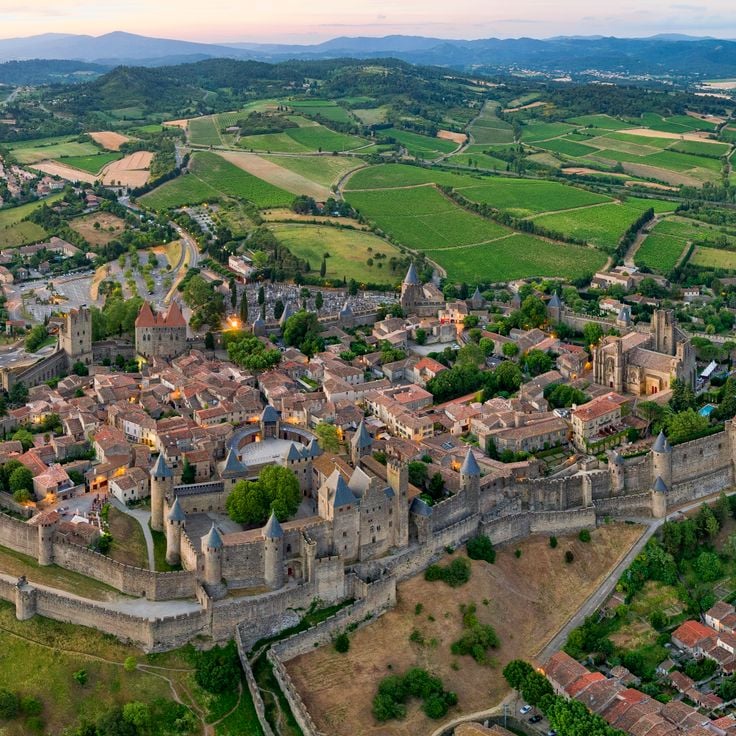
Carcassonne is a medieval city in southern France with massive stone walls and 52 towers that dominate its outline. The fortifications date from the 13th century and show how the city protected its inhabitants over the ages. Walking through the cobblestone streets, you encounter Romanesque and Gothic churches, old workshops, and houses from different periods. The thick walls tell of military times and trade. Today, people live here and keep their regional traditions alive through local festivals and crafts.
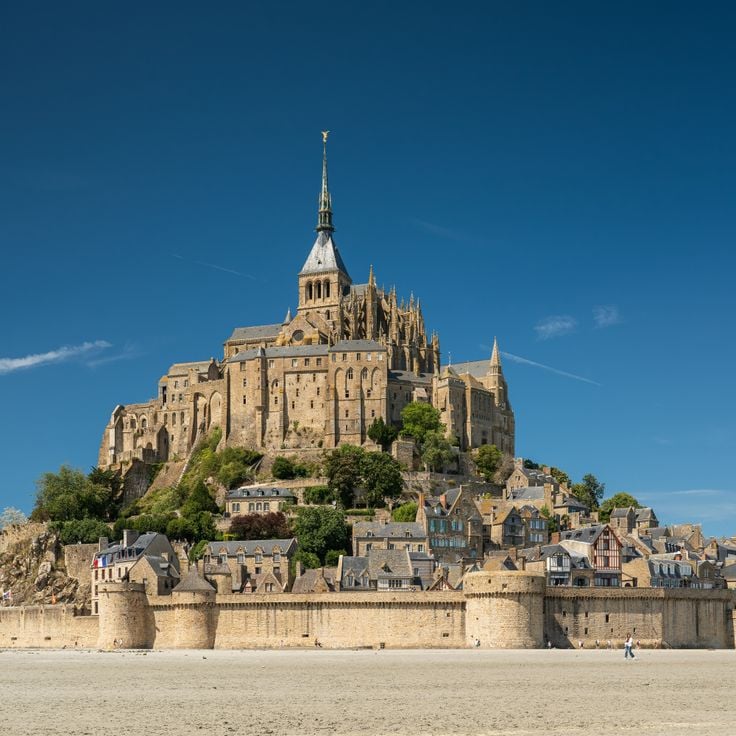
This island in a bay is home to a Gothic abbey built in the 8th century. The tides surround the mount twice a day, creating a dramatic natural spectacle. Mont Saint-Michel rises from the sea as pilgrims and visitors have approached it for over 1,000 years, climbing its narrow stone pathways to reach the abbey at the summit. The steep streets wind between medieval houses and shops, leading visitors through layers of history. At high tide, the island becomes completely surrounded by water, transforming its appearance and reminding visitors of the power of nature. The monks who lived here shaped the spiritual and cultural identity of this place, and their presence still echoes through the abbey's rooms and corridors.
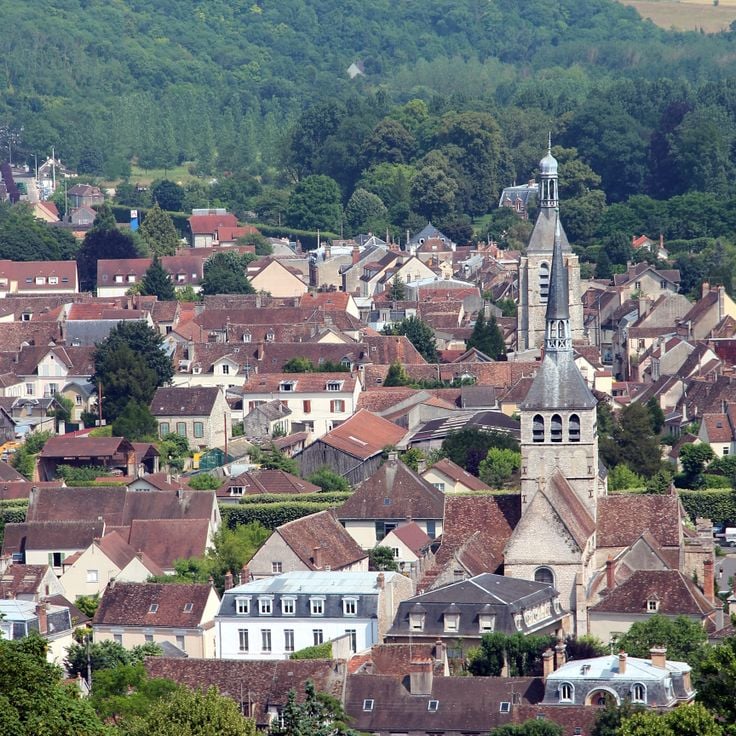
Provins is a medieval town in Île-de-France that has been part of the UNESCO World Heritage list since 2001. The town preserves its fortifications from the 12th century and stone city walls that still shape the townscape today. Walking through the paved streets, you discover Romanesque and Gothic churches and towers that once protected medieval trade fairs. Provins was an important trading center in the Middle Ages, and this history lives on in the narrow streets, old buildings, and the traditions of the people who live here. Even today, medieval fairs take place here, where craftspeople and artists demonstrate their skills as they have for centuries.
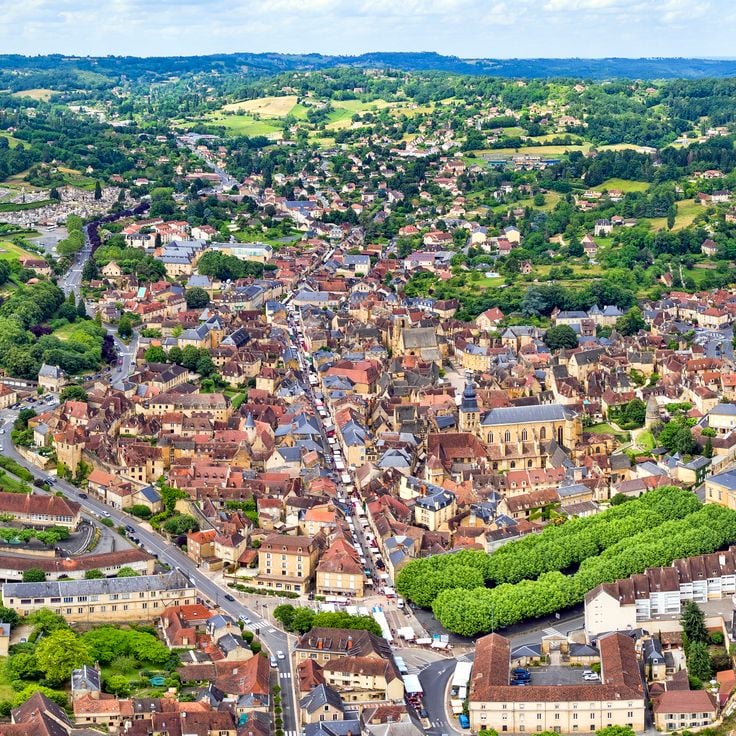
Sarlat-la-Canéda is a town in Nouvelle-Aquitaine that has kept its medieval and Renaissance heart intact. The town holds 65 protected monuments and tells the story of a prosperous trading center from centuries past. Yellow stone buildings line the streets and show the craftsmanship of earlier times. Walking through Sarlat, you can see how local people maintain their heritage through daily life, from the work of artisans to regional dishes prepared in family kitchens. The town is listed among France's medieval heritage sites and helps us understand how commerce and community shaped French towns during the Middle Ages.
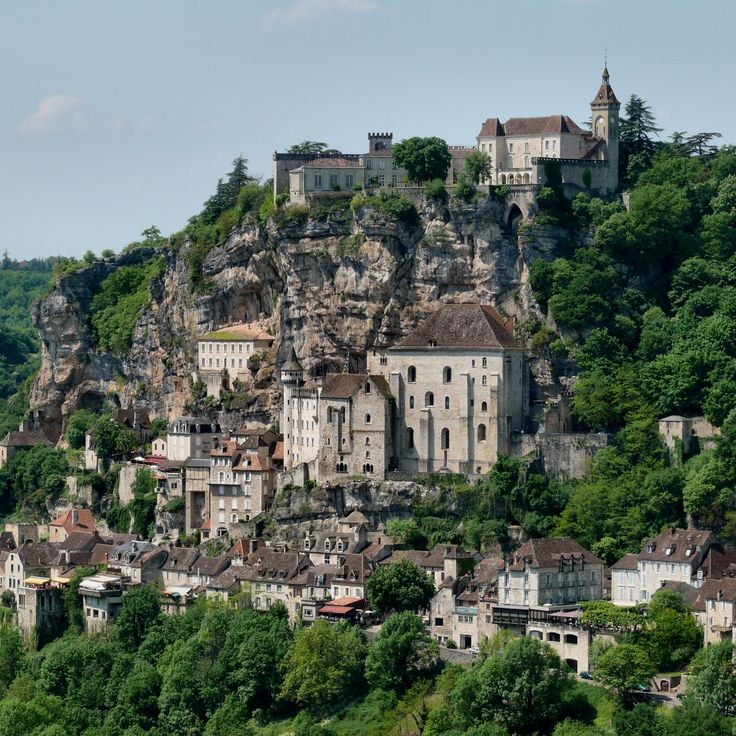
Rocamadour is a village clinging to steep limestone cliffs in southwestern France. Its buildings and chapels date from the Middle Ages, particularly the 12th century. The Black Virgin housed in the Notre-Dame chapel drew pilgrims from across Europe. Walking through the narrow passages, you encounter structures stacked vertically along the rock face, connected by stone staircases linking different levels. This medieval settlement shows how inhabitants adapted their architecture to dramatic terrain, creating a community where stone dwellings seem to grow directly from the cliffs themselves. The surrounding landscape of rock formations shapes the village's singular character.
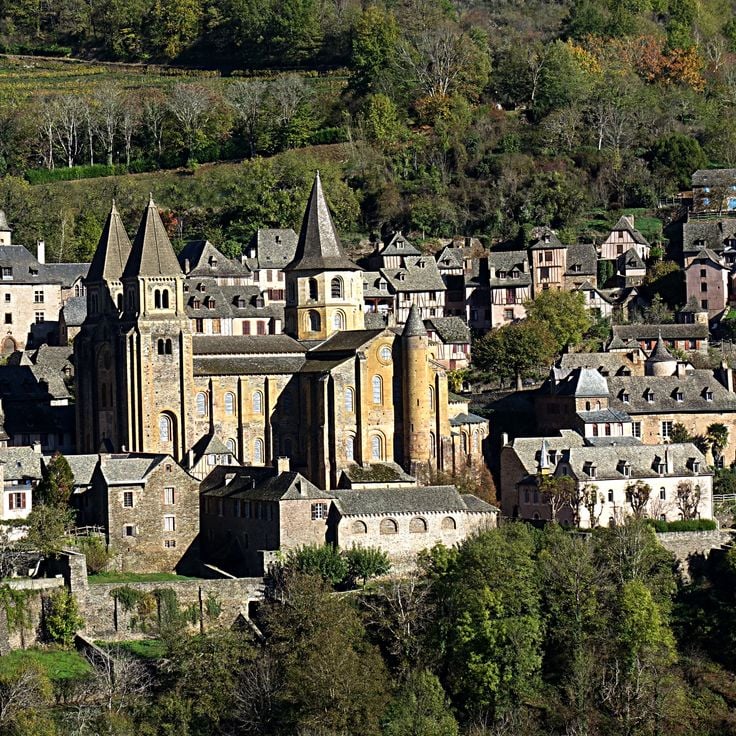
Conques displays medieval architecture centered on the Sainte-Foy Abbey, built in the 11th century, and preserves a valuable collection of Romanesque metalwork. The narrow streets and stone buildings tell the story of the Middle Ages, when this place was an important pilgrimage destination. The church itself impresses with its Romanesque architecture and the intricate carvings on its western facade. Visitors can see the well-maintained craft workshops and discover regional traditions that continue to shape daily life in the village.
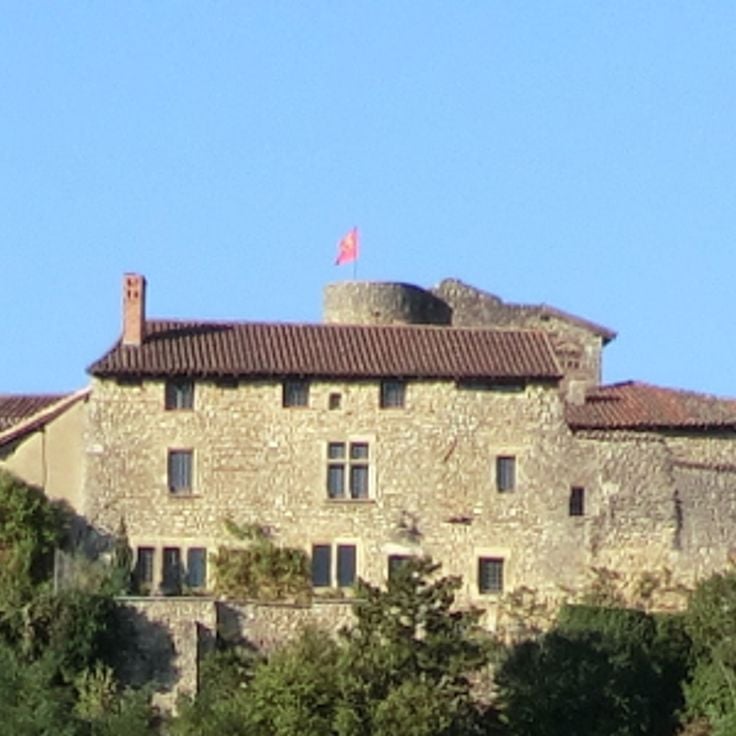
Pérouges is a medieval village in the Auvergne-Rhône-Alpes region that preserves its medieval character through stone-paved streets, timber-framed houses, and a fortified church from the 15th century. The buildings and layout date from centuries past, creating a space where daily life unfolds much as it did in the Middle Ages. In Pérouges, residents continue craft traditions and cook recipes passed down through generations. Local festivals and markets give rhythm to the village's calendar. Walking through Pérouges, visitors encounter how people maintain connection to the past while living in the present.
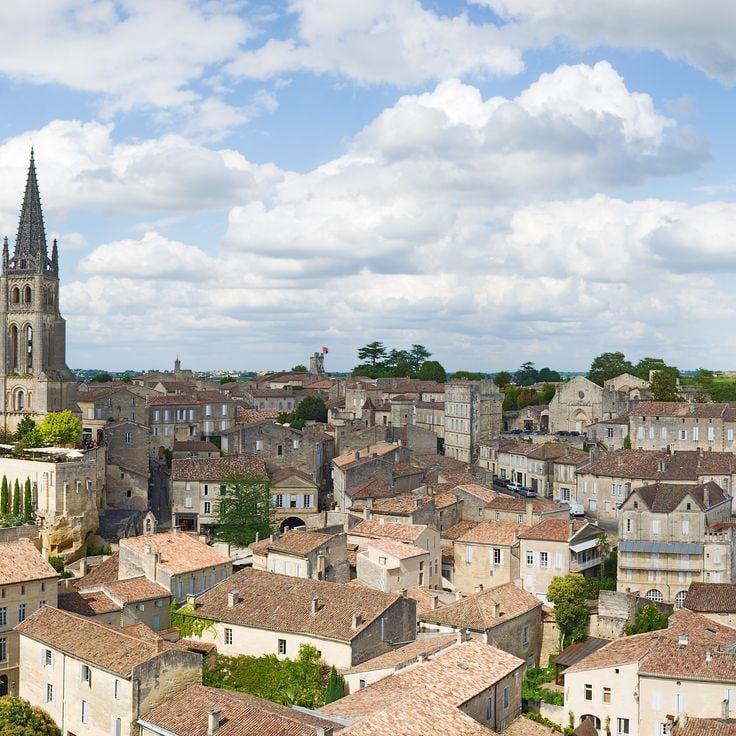
Saint-Émilion is a medieval town with underground passages, a Romanesque church, and vineyards inscribed on the UNESCO World Heritage List. The town preserves architecture from several centuries and shows how people here maintain traditions: craft techniques are passed down, regional recipes have been in kitchens for generations, and local festivals mark the calendar. As you walk through the streets, you discover how the Middle Ages remain alive in the walls and in the everyday life of the residents.
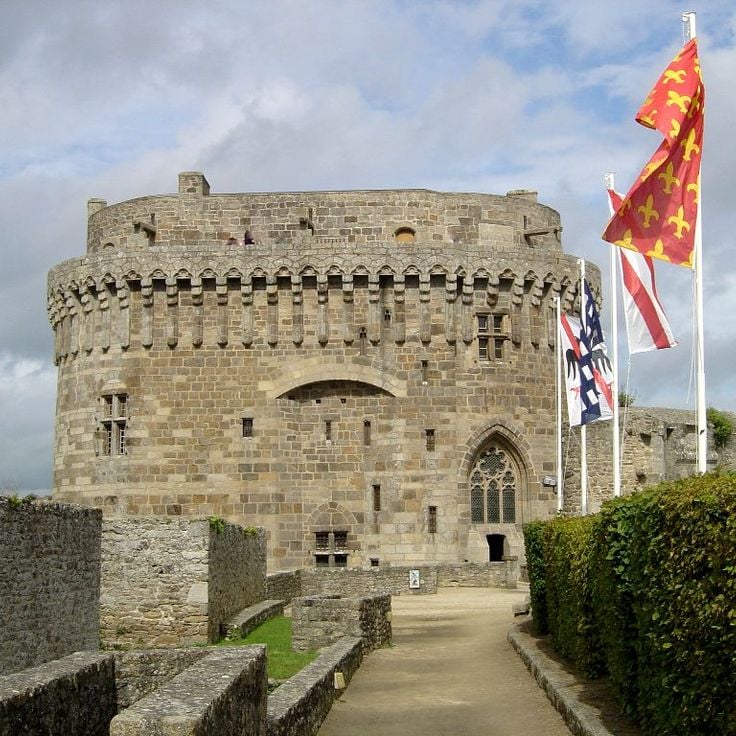
Dinan is a medieval town surrounded by stone walls. Walking through its streets, you see 14th-century houses with characteristic half-timbered facades. Paved lanes lead past old craft workshops where artisans still work using traditional methods. The town keeps medieval history alive in its buildings and in the way its residents live and work today.
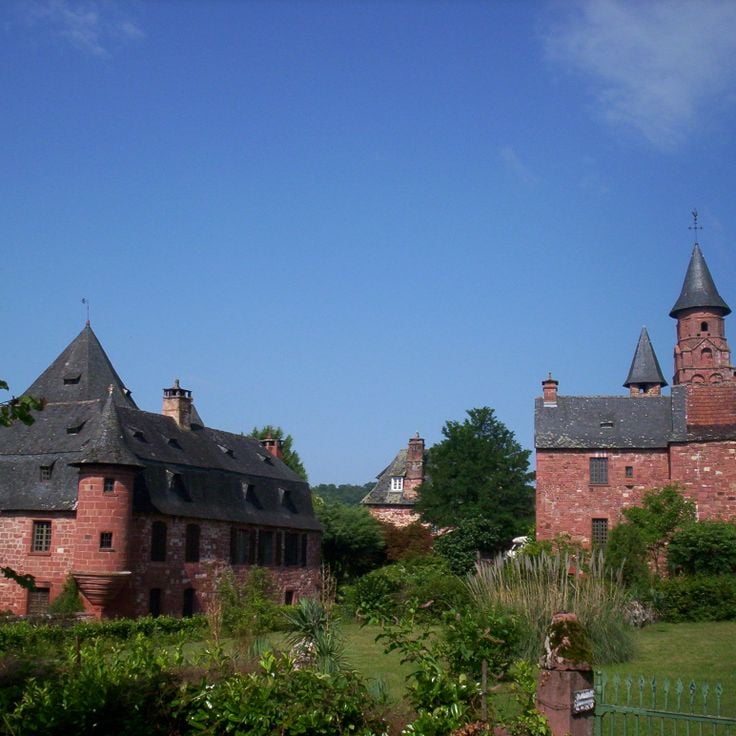
Collonges-la-Rouge displays its buildings made of red sandstone, dating from the 11th to 15th centuries. Red towers and corbels define the character of this medieval village. Walking through the paved streets, you discover craftsmanship passed down through generations, along with local food and festivals that mark the calendar. This place keeps alive the memory of French medieval life in its walls and in the daily routines of those who live here.
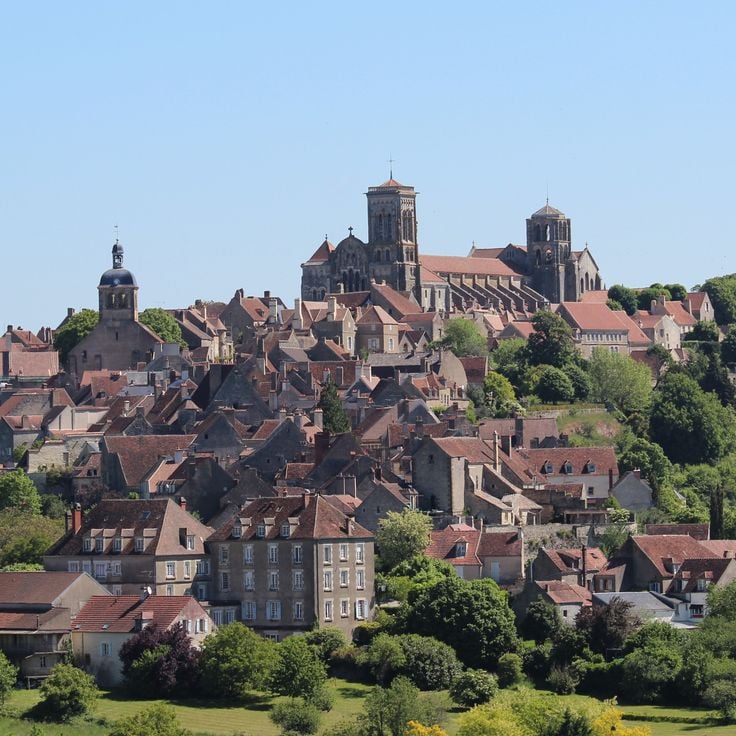
Vézelay sits atop a hill and was an important pilgrimage site in the Middle Ages. The Romanesque basilica dominates the landscape from its highest point. Visitors walk through narrow streets on historical paths traveled by pilgrims for centuries. The architecture shows traces of this religious importance, from the carved doorways to the vaulted interior spaces.
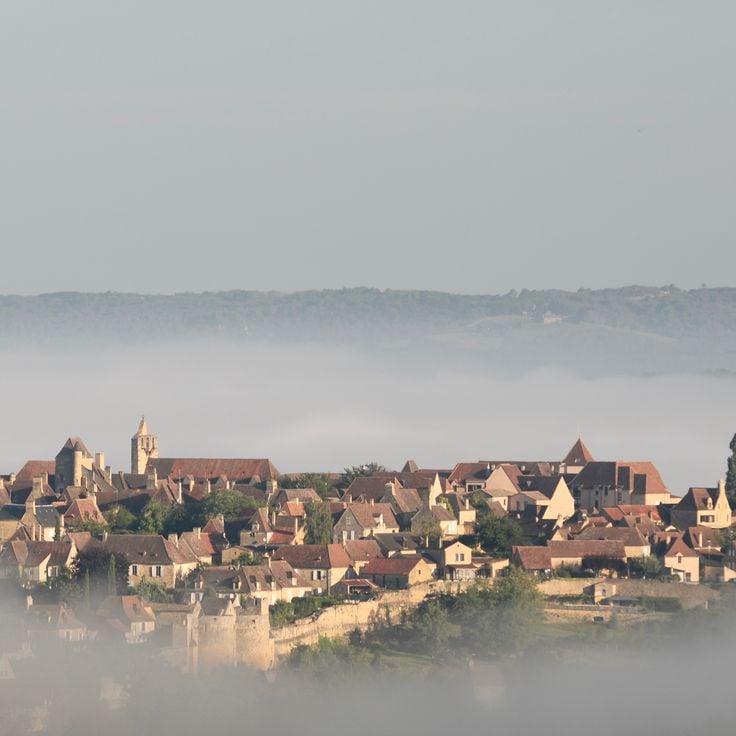
Domme is a fortified town that stands 150 meters above the river. The medieval walls and gates remain intact, offering insight into the defensive structures of the Middle Ages. Walking through the streets, you discover the daily history of this place: artisan work, regional food, and local celebrations. The stone buildings and paved paths preserve the memory of the 11th to 15th centuries.
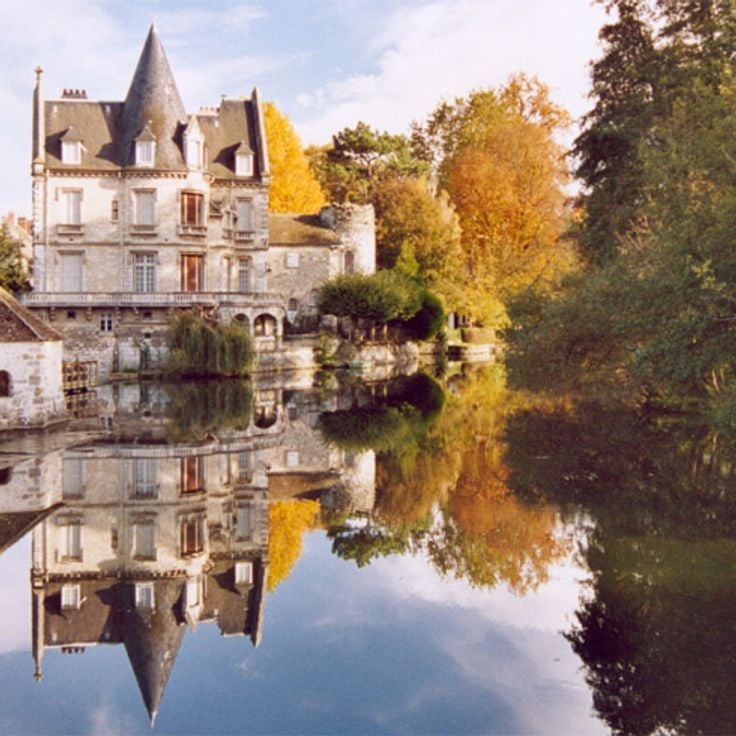
Moret-sur-Loing is a town with medieval walls that line the Loing River. Stone ramparts, towers, and paved streets date from several centuries and show how the town was built long ago. The river flows through the valley and has drawn artists here, especially painter Alfred Sisley, who created many of his works in this place. Walking through the town, you see old buildings with timber frames and stone facades. The bridge across the Loing is a key point in the town's landscape. People here maintain regional traditions and use the historic spaces as part of their daily life.
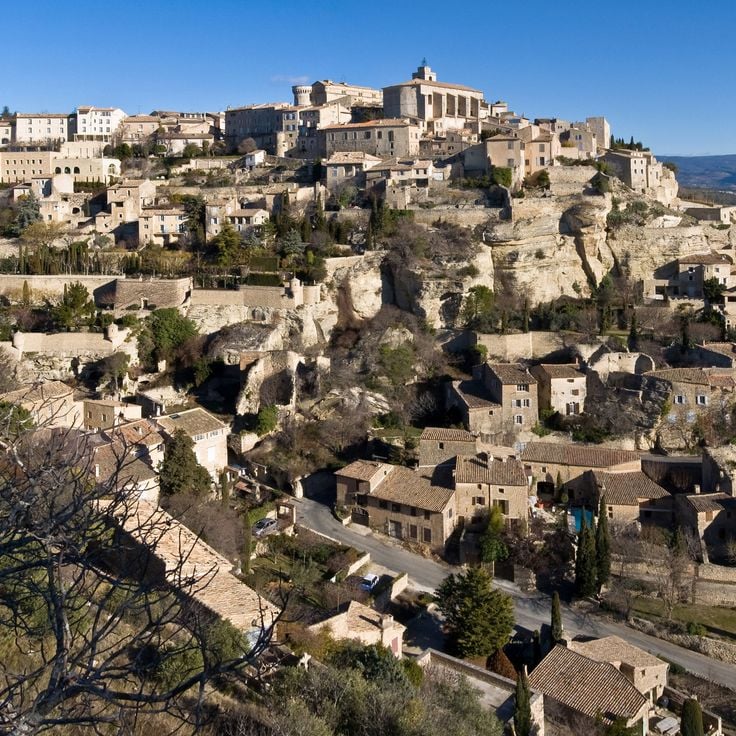
Gordes is a village perched on a hillside in Provence, built with traditional stone structures from the medieval period. The castle dates to the 11th century and dominates the village. Narrow streets wind between old houses whose facades have weathered the centuries. You can see how people have lived and worked in this region for hundreds of years. Craftspeople have made their homes in the old buildings, and local food is prepared using recipes passed down through generations. Gordes shows how a medieval village has remained inhabited and alive to this day.
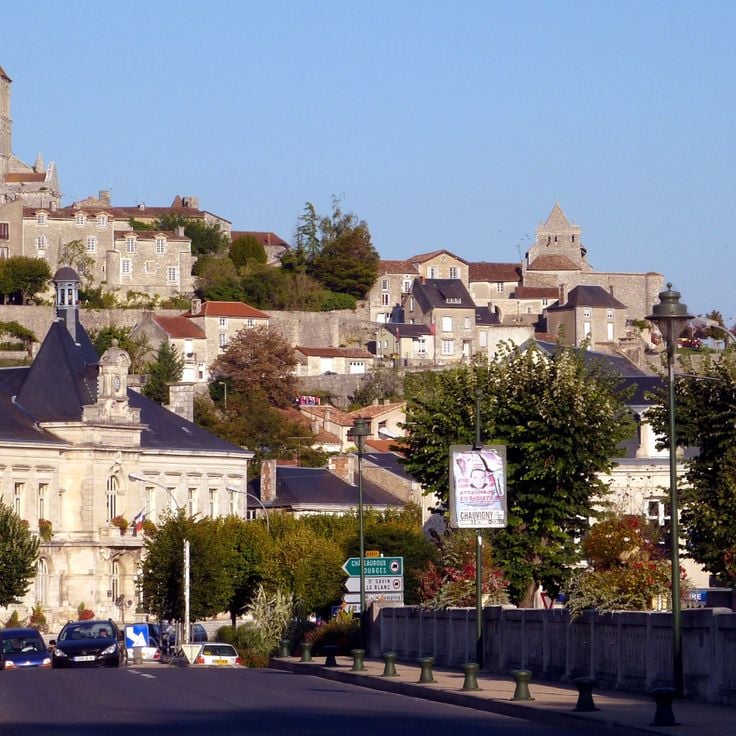
Chauvigny is a town built on a rocky ridge above the Vienne river, home to five medieval fortresses. These castles date from different periods between the 10th and 15th centuries and define the character of the place. Walking through the cobbled streets, you see thick walls and towers that once controlled the region. People still live here and continue local craft traditions and regional recipes passed down through generations. The town shows how military fortifications and trade became intertwined in a medieval settlement.
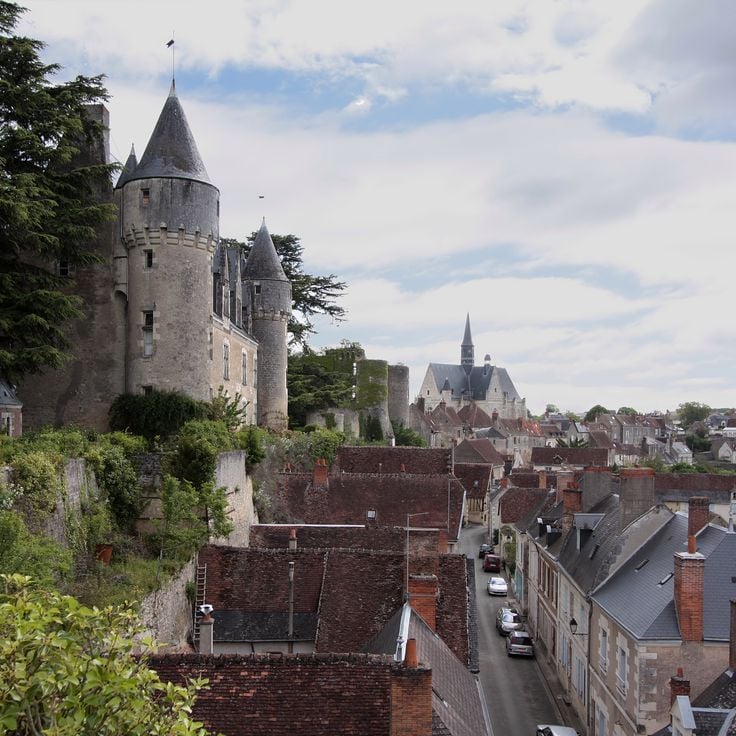
Montrésor is a small village in central France built around a 16th-century castle and old artisan streets that curve with a bend in the Indrois River. Like other medieval settlements across France, this village shows how people lived and worked in earlier times. The narrow lanes reveal where craftspeople once had their workshops, and the stone buildings speak to an era when such places formed the backbone of French life. The village sits beside a quiet river, offering a sense of how daily life unfolded here centuries ago, with its modest houses and the castle standing over the community.
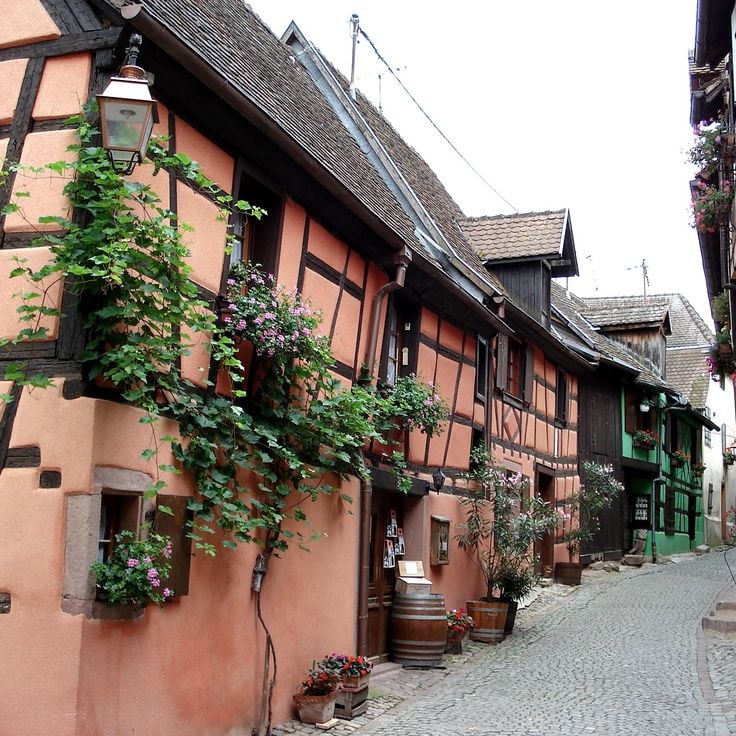
Riquewihr is a wine town in Alsace where timber-framed houses from the 16th century stand alongside historic fortifications. Walking through its narrow streets, you notice the craftsmanship in every wooden beam and carved doorframe, the work of artisans spanning centuries. The town sits on Alsace's famous wine route, and the air carries the scent of grapes and fermentation from cellars below the old buildings. Residents here keep traditions alive: they press grapes using methods passed down through generations, cook regional dishes with family recipes, and celebrate the harvest with festivals that mark the seasons. The town walls and towers that once protected Riquewihr from attack still frame the landscape, reminders of when such defenses guarded important trade routes.
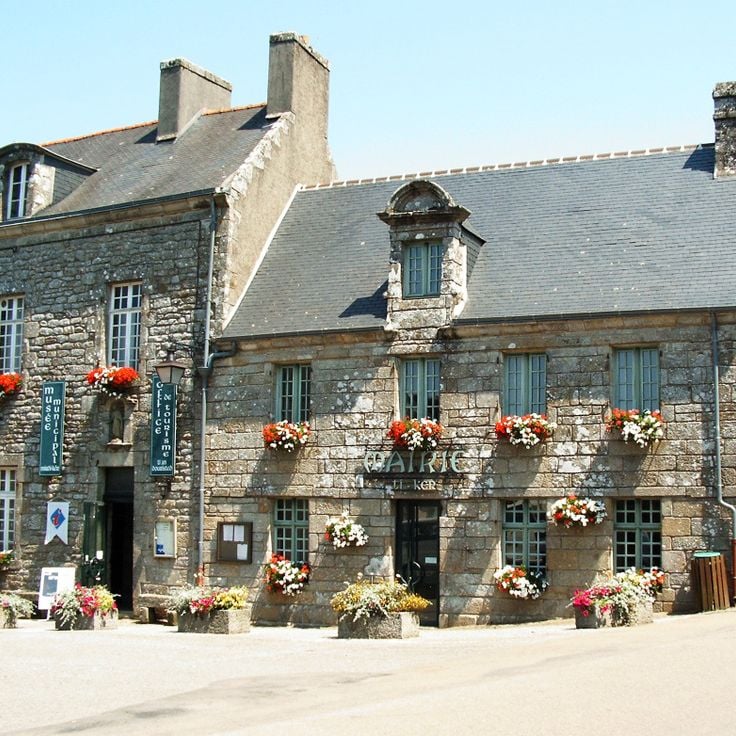
Locronan is a 16th-century town in Brittany with granite houses that reflect the wealth of the linen merchants who lived here. The town preserves the architecture and daily life of that period. Walking through its paved streets, you see how residents carry on traditions: craftspeople work as they did centuries ago, regional recipes pass from generation to generation, and local festivals bring the community together throughout the year.
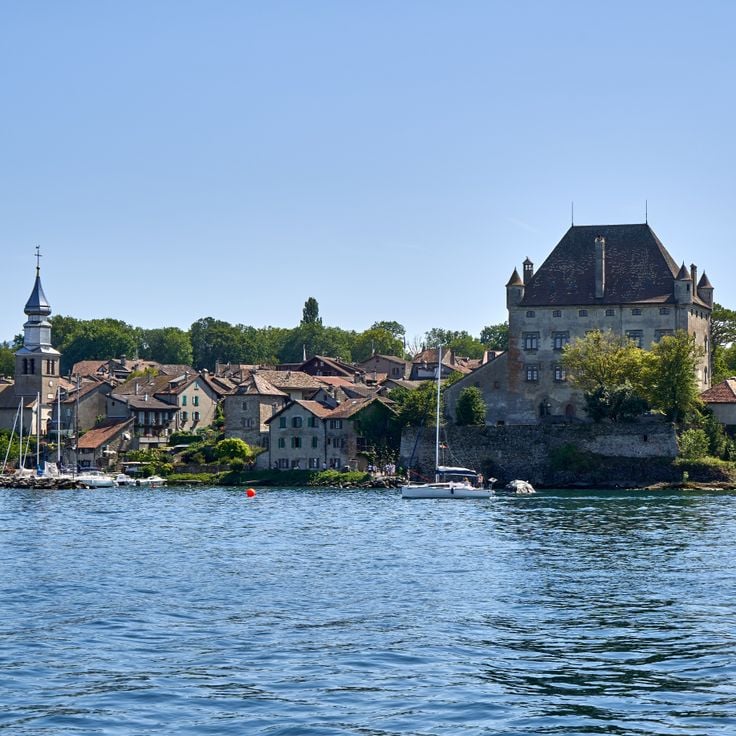
Yvoire is a fortified village from the 14th century located on the shores of Lake Geneva. Its stone walls enclose narrow streets lined with old buildings, while botanical gardens shape the waterfront. Here you can experience medieval architecture firsthand: the fortifications once protected the village, and the gardens now offer visitors a place to pause and reflect. The residents maintain local crafts and regional cooking traditions passed down through generations.
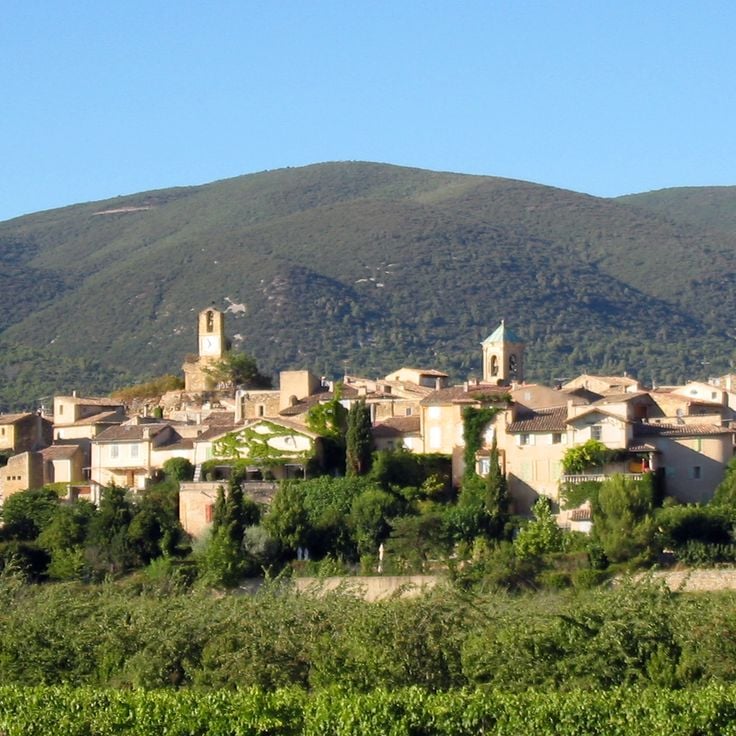
Lourmarin is a village in Provence centered around a large castle from the 15th century. Walking through its narrow streets, you move past stone houses that speak of centuries past. The castle overlooks the village, a reminder of the noble families who once ruled here. In these lanes you find craftspeople, small shops, and squares where locals gather. The architecture reflects typical Provençal building traditions, with warm colors and simple forms. Lourmarin keeps this medieval heritage alive not just in its walls and roofs, but in the everyday life of those who live there.
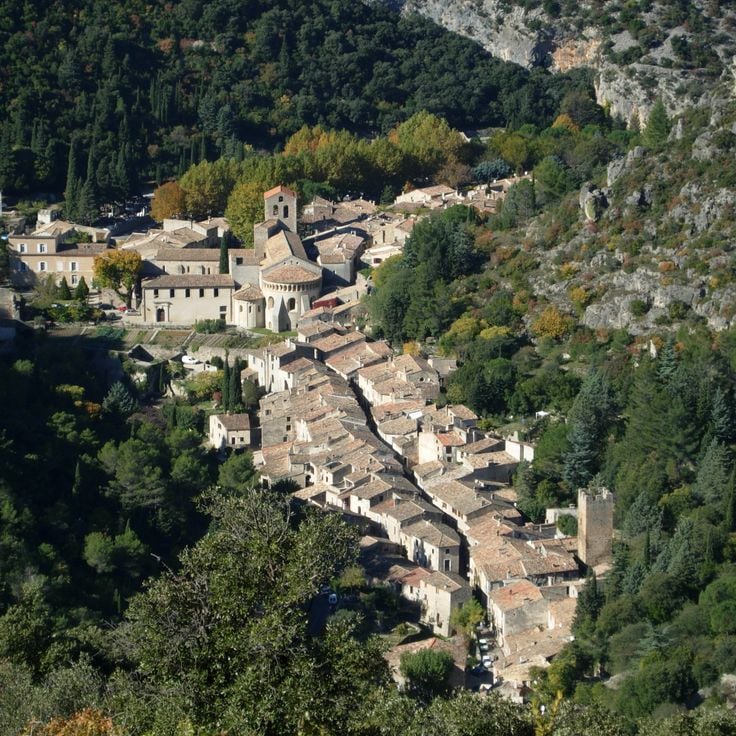
Saint-Guilhem-le-Désert is a village built in a canyon around its Romanesque abbey church, situated on the pilgrimage route to Santiago de Compostela. The houses cluster tightly together along narrow stone streets. The abbey church stands as the heart of the settlement, displaying the simple yet solid style of Romanesque architecture. For centuries, pilgrims have walked these paths, and their passage has shaped daily life here. The river runs through the gorge below, with steep cliffs rising on either side.
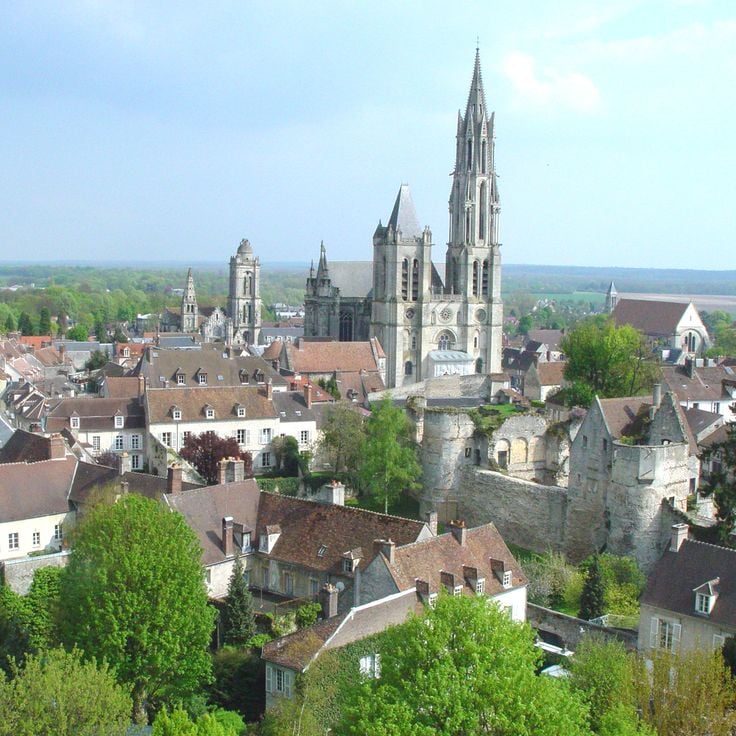
Senlis was one of France's most important royal cities. It displays impressive Gothic cathedral architecture and ancient Roman walls that still stand today. The cobblestone streets are lined with medieval houses that reflect life in those times. You can walk here and touch the layers of history, from antiquity through the Middle Ages. Artisans continue to work in traditional techniques, and the city preserves the memory of when French kings ruled from here.
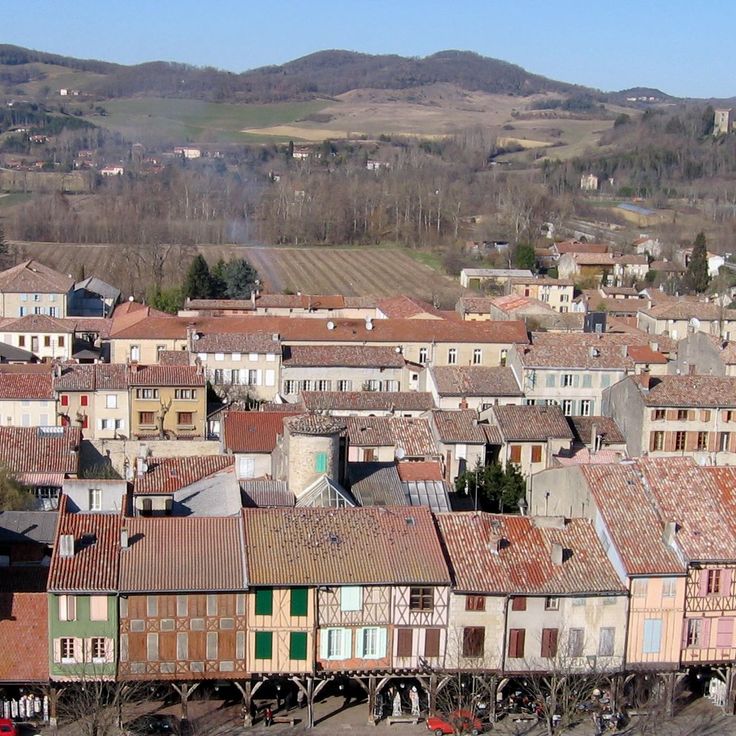
Mirepoix is a 13th-century bastide built around a central square surrounded by covered galleries supported by wooden posts. This layout shows how medieval towns were designed to support trade and daily life. The wooden posts are visibly older than the buildings behind them, illustrating the long history of this place. Today you can still see the original structure: merchants and craftspeople use the covered areas, residents gather on the square, and the architecture gives a sense of how life unfolded in the Middle Ages.
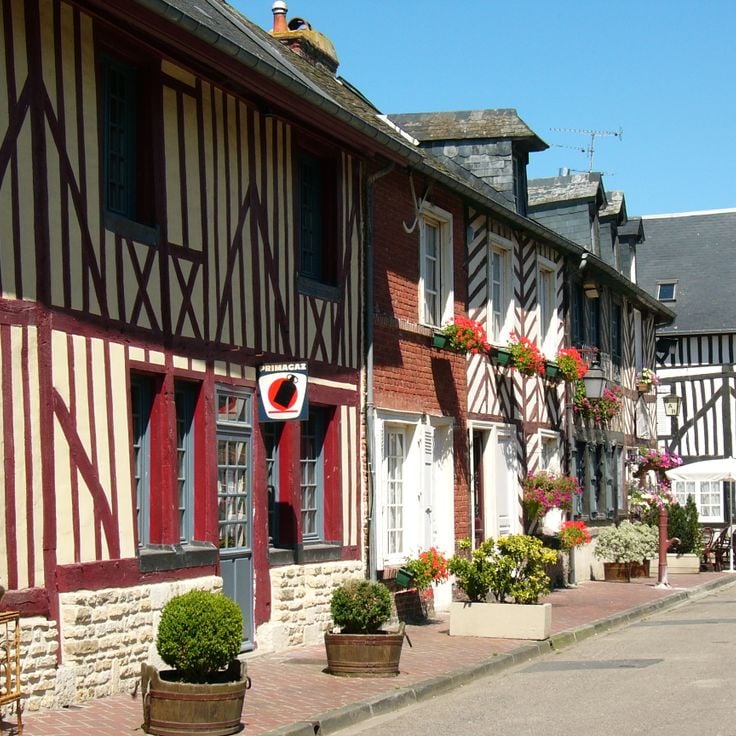
Beuvron-en-Auge is a village in Normandy that preserves the medieval character of rural France. Timber-framed houses with distinctive half-timbering line the narrow streets, and traditional shops continue to serve the community. Apple trees grow throughout the surrounding countryside, and residents have produced cider from these orchards for generations. In this place, history remains alive through daily work and craft traditions. Beuvron-en-Auge represents how medieval villages function not as museum pieces, but as living communities where past ways continue naturally into the present.
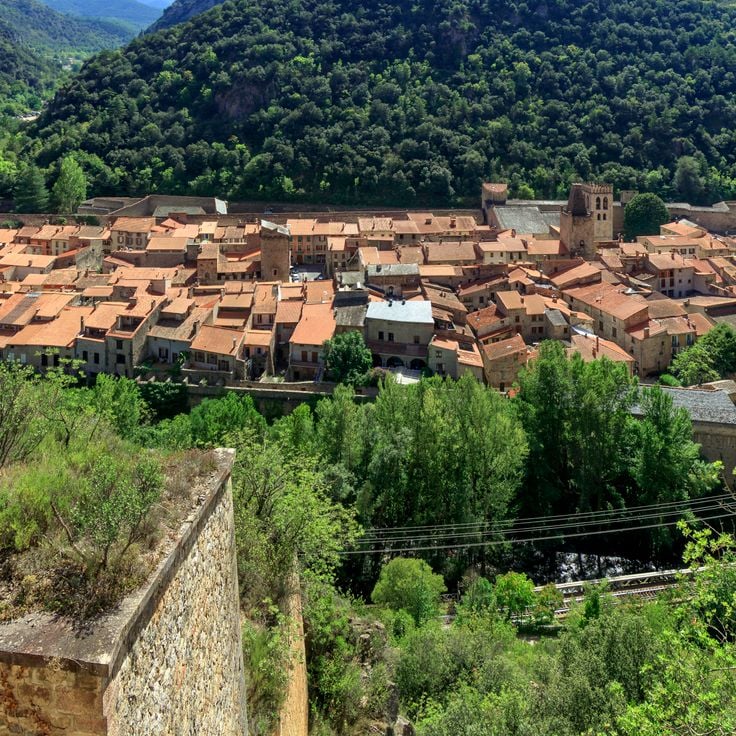
Villefranche-de-Conflent is a fortified center located at the intersection of the Têt and Cady valleys. Its walls and military towers date from the 17th century. This place reveals medieval construction and the traces of a strategic fortress that protected the border between France and Spain. Walking through the narrow, paved streets, you see old stone buildings and fortifications that tell the story of the military past of this region.
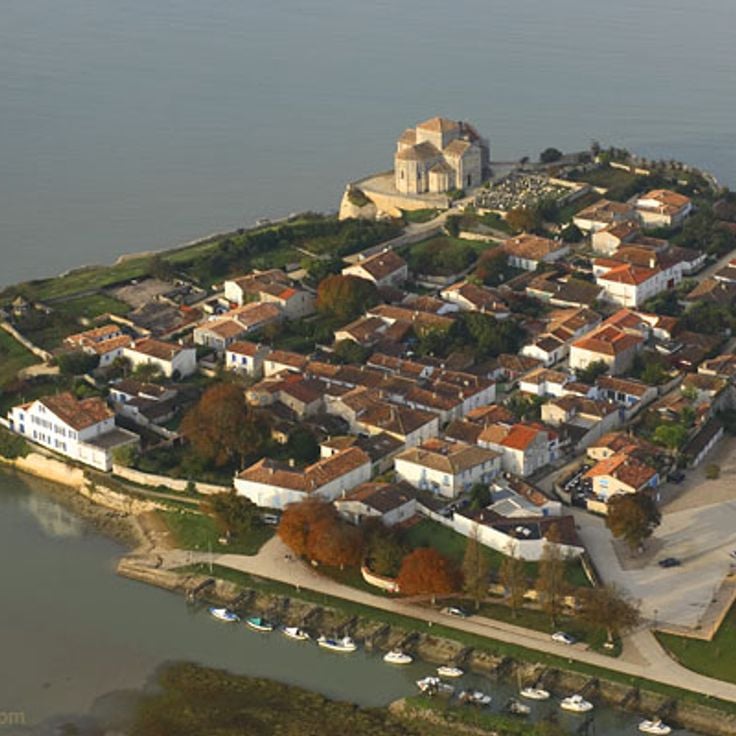
Talmont-sur-Gironde is a village on a rocky headland overlooking the estuary. Sainte-Radegonde church dates from the 12th century and displays Romanesque architecture. Walking through the village, the streets follow a medieval layout. The elevated location offers views across the water and surrounding land. Residents keep the village's history alive through their daily lives, while the old stone buildings tell stories of the past.
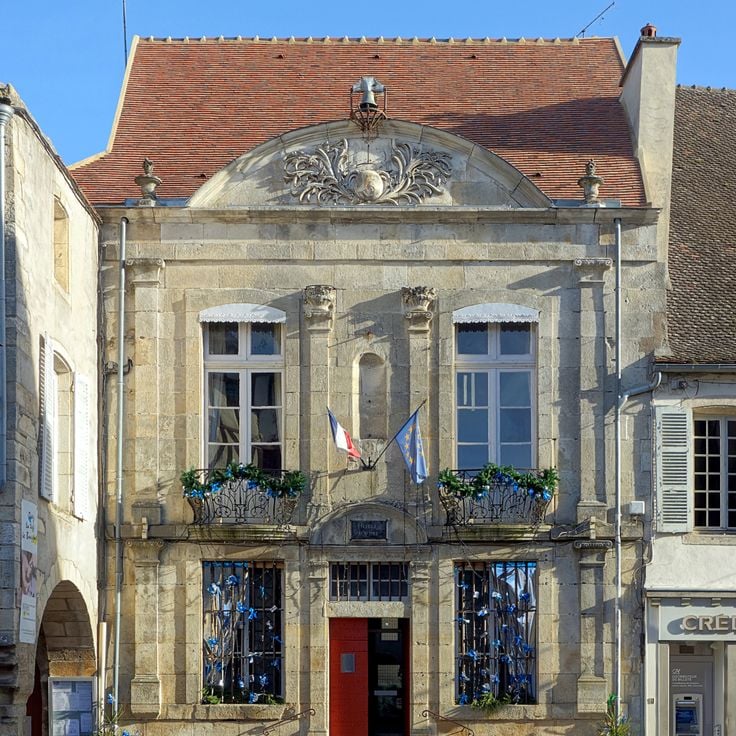
Noyers is a medieval village in Bourgogne-Franche-Comté that preserves the architecture of the 15th century. Half-timbered houses define the streetscape, while the squares and lanes retain their original character with arcades and traditional shops. Walking through Noyers, you step into a medieval world where craft traditions and local customs remain alive today.
Crémieu was a busy marketplace in medieval times, and this character still defines the place. The trading halls from the 15th century sit at the center, where merchants once displayed their goods. Stone walls and gates protected the town and marked its importance as a commercial hub. The Augustinian convent dating to the 14th century still stands. Walking through the paved streets, you notice how craft traditions and local customs have passed down through generations.
Eze sits on a hilltop along the French Riviera and offers views toward the Mediterranean Sea. The village was built in the Middle Ages and preserves narrow, paved streets and old stone buildings. From different spots in the village, visitors can see the sea and coastline below. The place is known for its gardens filled with succulents and cacti that grow among the houses. The people who live here have passed down traditional crafts and regional recipes through generations. Eze shows how daily life and history come together in a small medieval village by the sea.
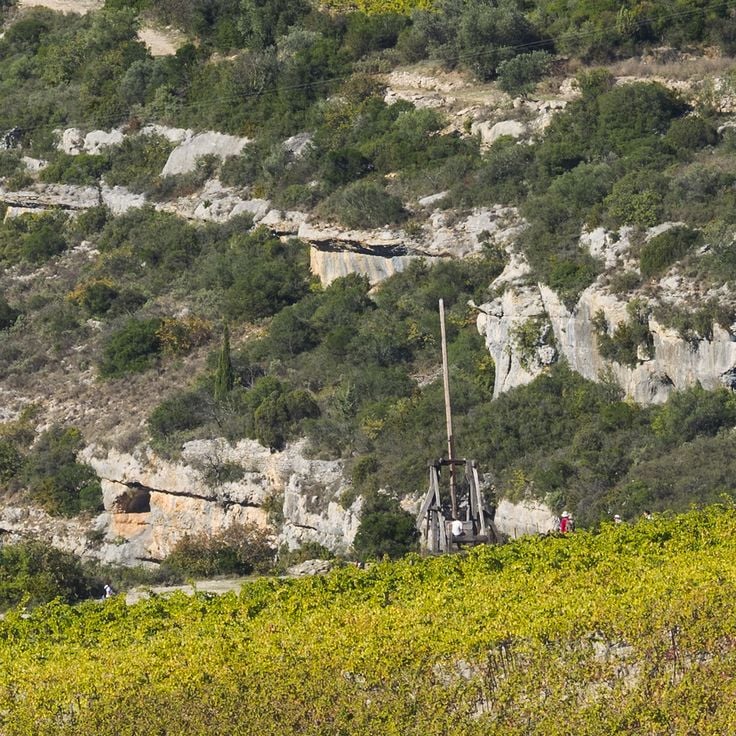
Minerve is a fortified village from the 12th century, nestled between two canyons. This place once served as a refuge for the Cathars and still holds its stone walls and medieval remains. Walking through the narrow streets, you feel the weight of history in this village perched in a dramatic landscape. The church and old stone houses tell the story of a time when Minerve was an important stronghold.
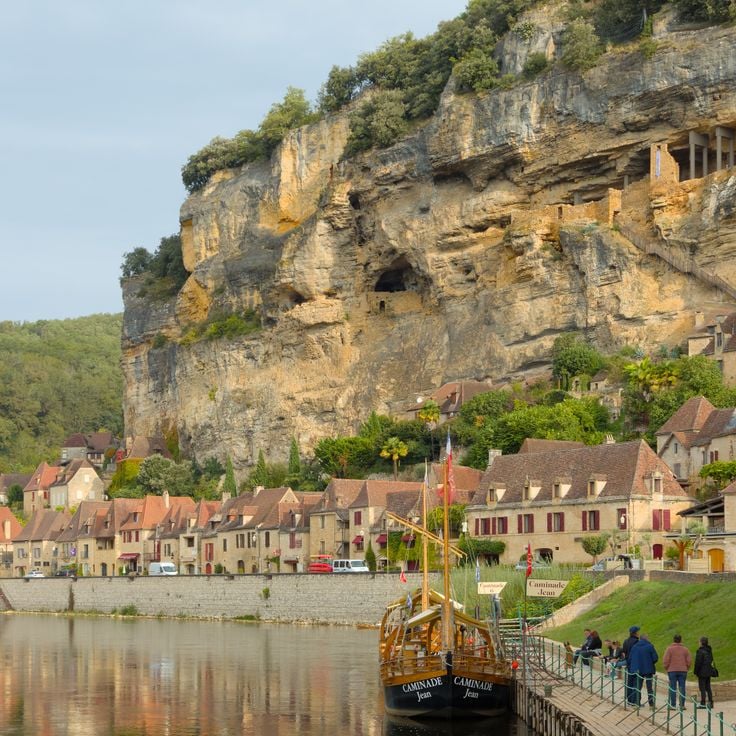
La Roque-Gageac sits in a valley along the Dordogne River, sheltered by a tall limestone cliff. The village is built right into the rock face, with many homes carved directly from the stone itself. Narrow streets wind between old buildings that have stood for centuries. A medieval fort overlooks the settlement from above, a reminder of its past as a strategic point. People here live between water and stone, and the river shapes the daily rhythm of the village.
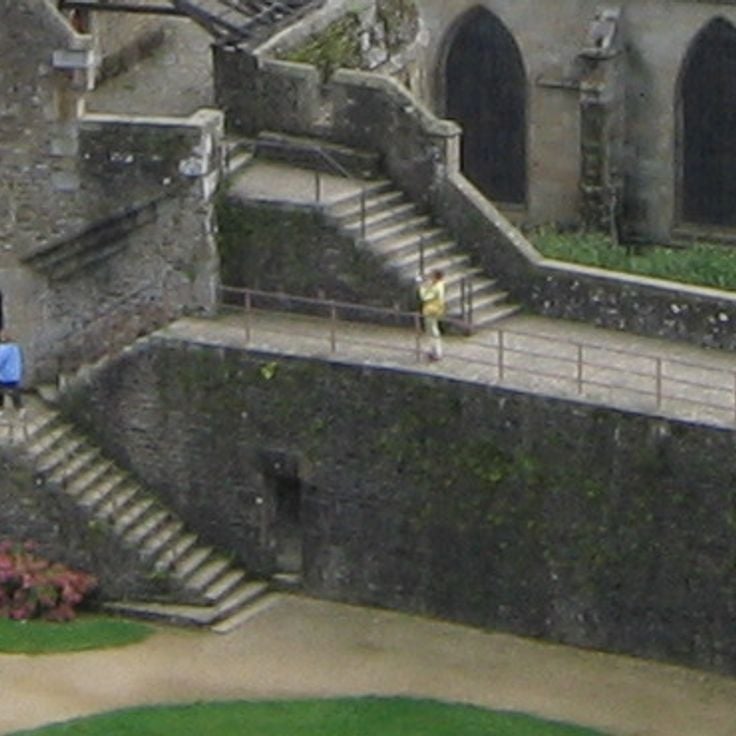
Fougères is a medieval city in Brittany where an impressive castle with thirteen towers stands as its focal point. The fortress spreads across three hectares and is surrounded by walls from the 12th century. The city's belfry shapes the skyline alongside cobblestone streets and old buildings where residents continue their daily lives. The place reflects a time when such strongholds played a crucial role in territorial defense. Walking through Fougères today, visitors sense how the people who live here maintain a strong connection to their medieval heritage.
Carcassonne is a medieval city in southern France with massive stone walls and 52 towers that dominate its outline. The fortifications date from the 13th century and show how the city protected its inhabitants over the ages. Walking through the cobblestone streets, you encounter Romanesque and Gothic churches, old workshops, and houses from different periods. The thick walls tell of military times and trade. Today, people live here and keep their regional traditions alive through local festivals and crafts.
This island in a bay is home to a Gothic abbey built in the 8th century. The tides surround the mount twice a day, creating a dramatic natural spectacle. Mont Saint-Michel rises from the sea as pilgrims and visitors have approached it for over 1,000 years, climbing its narrow stone pathways to reach the abbey at the summit. The steep streets wind between medieval houses and shops, leading visitors through layers of history. At high tide, the island becomes completely surrounded by water, transforming its appearance and reminding visitors of the power of nature. The monks who lived here shaped the spiritual and cultural identity of this place, and their presence still echoes through the abbey's rooms and corridors.
Provins is a medieval town in Île-de-France that has been part of the UNESCO World Heritage list since 2001. The town preserves its fortifications from the 12th century and stone city walls that still shape the townscape today. Walking through the paved streets, you discover Romanesque and Gothic churches and towers that once protected medieval trade fairs. Provins was an important trading center in the Middle Ages, and this history lives on in the narrow streets, old buildings, and the traditions of the people who live here. Even today, medieval fairs take place here, where craftspeople and artists demonstrate their skills as they have for centuries.
Sarlat-la-Canéda is a town in Nouvelle-Aquitaine that has kept its medieval and Renaissance heart intact. The town holds 65 protected monuments and tells the story of a prosperous trading center from centuries past. Yellow stone buildings line the streets and show the craftsmanship of earlier times. Walking through Sarlat, you can see how local people maintain their heritage through daily life, from the work of artisans to regional dishes prepared in family kitchens. The town is listed among France's medieval heritage sites and helps us understand how commerce and community shaped French towns during the Middle Ages.
Rocamadour is a village clinging to steep limestone cliffs in southwestern France. Its buildings and chapels date from the Middle Ages, particularly the 12th century. The Black Virgin housed in the Notre-Dame chapel drew pilgrims from across Europe. Walking through the narrow passages, you encounter structures stacked vertically along the rock face, connected by stone staircases linking different levels. This medieval settlement shows how inhabitants adapted their architecture to dramatic terrain, creating a community where stone dwellings seem to grow directly from the cliffs themselves. The surrounding landscape of rock formations shapes the village's singular character.
Conques displays medieval architecture centered on the Sainte-Foy Abbey, built in the 11th century, and preserves a valuable collection of Romanesque metalwork. The narrow streets and stone buildings tell the story of the Middle Ages, when this place was an important pilgrimage destination. The church itself impresses with its Romanesque architecture and the intricate carvings on its western facade. Visitors can see the well-maintained craft workshops and discover regional traditions that continue to shape daily life in the village.
Pérouges is a medieval village in the Auvergne-Rhône-Alpes region that preserves its medieval character through stone-paved streets, timber-framed houses, and a fortified church from the 15th century. The buildings and layout date from centuries past, creating a space where daily life unfolds much as it did in the Middle Ages. In Pérouges, residents continue craft traditions and cook recipes passed down through generations. Local festivals and markets give rhythm to the village's calendar. Walking through Pérouges, visitors encounter how people maintain connection to the past while living in the present.
Saint-Émilion is a medieval town with underground passages, a Romanesque church, and vineyards inscribed on the UNESCO World Heritage List. The town preserves architecture from several centuries and shows how people here maintain traditions: craft techniques are passed down, regional recipes have been in kitchens for generations, and local festivals mark the calendar. As you walk through the streets, you discover how the Middle Ages remain alive in the walls and in the everyday life of the residents.
Dinan is a medieval town surrounded by stone walls. Walking through its streets, you see 14th-century houses with characteristic half-timbered facades. Paved lanes lead past old craft workshops where artisans still work using traditional methods. The town keeps medieval history alive in its buildings and in the way its residents live and work today.
Collonges-la-Rouge displays its buildings made of red sandstone, dating from the 11th to 15th centuries. Red towers and corbels define the character of this medieval village. Walking through the paved streets, you discover craftsmanship passed down through generations, along with local food and festivals that mark the calendar. This place keeps alive the memory of French medieval life in its walls and in the daily routines of those who live here.
Vézelay sits atop a hill and was an important pilgrimage site in the Middle Ages. The Romanesque basilica dominates the landscape from its highest point. Visitors walk through narrow streets on historical paths traveled by pilgrims for centuries. The architecture shows traces of this religious importance, from the carved doorways to the vaulted interior spaces.
Domme is a fortified town that stands 150 meters above the river. The medieval walls and gates remain intact, offering insight into the defensive structures of the Middle Ages. Walking through the streets, you discover the daily history of this place: artisan work, regional food, and local celebrations. The stone buildings and paved paths preserve the memory of the 11th to 15th centuries.
Moret-sur-Loing is a town with medieval walls that line the Loing River. Stone ramparts, towers, and paved streets date from several centuries and show how the town was built long ago. The river flows through the valley and has drawn artists here, especially painter Alfred Sisley, who created many of his works in this place. Walking through the town, you see old buildings with timber frames and stone facades. The bridge across the Loing is a key point in the town's landscape. People here maintain regional traditions and use the historic spaces as part of their daily life.
Gordes is a village perched on a hillside in Provence, built with traditional stone structures from the medieval period. The castle dates to the 11th century and dominates the village. Narrow streets wind between old houses whose facades have weathered the centuries. You can see how people have lived and worked in this region for hundreds of years. Craftspeople have made their homes in the old buildings, and local food is prepared using recipes passed down through generations. Gordes shows how a medieval village has remained inhabited and alive to this day.
Chauvigny is a town built on a rocky ridge above the Vienne river, home to five medieval fortresses. These castles date from different periods between the 10th and 15th centuries and define the character of the place. Walking through the cobbled streets, you see thick walls and towers that once controlled the region. People still live here and continue local craft traditions and regional recipes passed down through generations. The town shows how military fortifications and trade became intertwined in a medieval settlement.
Montrésor is a small village in central France built around a 16th-century castle and old artisan streets that curve with a bend in the Indrois River. Like other medieval settlements across France, this village shows how people lived and worked in earlier times. The narrow lanes reveal where craftspeople once had their workshops, and the stone buildings speak to an era when such places formed the backbone of French life. The village sits beside a quiet river, offering a sense of how daily life unfolded here centuries ago, with its modest houses and the castle standing over the community.
Riquewihr is a wine town in Alsace where timber-framed houses from the 16th century stand alongside historic fortifications. Walking through its narrow streets, you notice the craftsmanship in every wooden beam and carved doorframe, the work of artisans spanning centuries. The town sits on Alsace's famous wine route, and the air carries the scent of grapes and fermentation from cellars below the old buildings. Residents here keep traditions alive: they press grapes using methods passed down through generations, cook regional dishes with family recipes, and celebrate the harvest with festivals that mark the seasons. The town walls and towers that once protected Riquewihr from attack still frame the landscape, reminders of when such defenses guarded important trade routes.
Locronan is a 16th-century town in Brittany with granite houses that reflect the wealth of the linen merchants who lived here. The town preserves the architecture and daily life of that period. Walking through its paved streets, you see how residents carry on traditions: craftspeople work as they did centuries ago, regional recipes pass from generation to generation, and local festivals bring the community together throughout the year.
Yvoire is a fortified village from the 14th century located on the shores of Lake Geneva. Its stone walls enclose narrow streets lined with old buildings, while botanical gardens shape the waterfront. Here you can experience medieval architecture firsthand: the fortifications once protected the village, and the gardens now offer visitors a place to pause and reflect. The residents maintain local crafts and regional cooking traditions passed down through generations.
Lourmarin is a village in Provence centered around a large castle from the 15th century. Walking through its narrow streets, you move past stone houses that speak of centuries past. The castle overlooks the village, a reminder of the noble families who once ruled here. In these lanes you find craftspeople, small shops, and squares where locals gather. The architecture reflects typical Provençal building traditions, with warm colors and simple forms. Lourmarin keeps this medieval heritage alive not just in its walls and roofs, but in the everyday life of those who live there.
Saint-Guilhem-le-Désert is a village built in a canyon around its Romanesque abbey church, situated on the pilgrimage route to Santiago de Compostela. The houses cluster tightly together along narrow stone streets. The abbey church stands as the heart of the settlement, displaying the simple yet solid style of Romanesque architecture. For centuries, pilgrims have walked these paths, and their passage has shaped daily life here. The river runs through the gorge below, with steep cliffs rising on either side.
Senlis was one of France's most important royal cities. It displays impressive Gothic cathedral architecture and ancient Roman walls that still stand today. The cobblestone streets are lined with medieval houses that reflect life in those times. You can walk here and touch the layers of history, from antiquity through the Middle Ages. Artisans continue to work in traditional techniques, and the city preserves the memory of when French kings ruled from here.
Mirepoix is a 13th-century bastide built around a central square surrounded by covered galleries supported by wooden posts. This layout shows how medieval towns were designed to support trade and daily life. The wooden posts are visibly older than the buildings behind them, illustrating the long history of this place. Today you can still see the original structure: merchants and craftspeople use the covered areas, residents gather on the square, and the architecture gives a sense of how life unfolded in the Middle Ages.
Beuvron-en-Auge is a village in Normandy that preserves the medieval character of rural France. Timber-framed houses with distinctive half-timbering line the narrow streets, and traditional shops continue to serve the community. Apple trees grow throughout the surrounding countryside, and residents have produced cider from these orchards for generations. In this place, history remains alive through daily work and craft traditions. Beuvron-en-Auge represents how medieval villages function not as museum pieces, but as living communities where past ways continue naturally into the present.
Villefranche-de-Conflent is a fortified center located at the intersection of the Têt and Cady valleys. Its walls and military towers date from the 17th century. This place reveals medieval construction and the traces of a strategic fortress that protected the border between France and Spain. Walking through the narrow, paved streets, you see old stone buildings and fortifications that tell the story of the military past of this region.
Talmont-sur-Gironde is a village on a rocky headland overlooking the estuary. Sainte-Radegonde church dates from the 12th century and displays Romanesque architecture. Walking through the village, the streets follow a medieval layout. The elevated location offers views across the water and surrounding land. Residents keep the village's history alive through their daily lives, while the old stone buildings tell stories of the past.
Noyers is a medieval village in Bourgogne-Franche-Comté that preserves the architecture of the 15th century. Half-timbered houses define the streetscape, while the squares and lanes retain their original character with arcades and traditional shops. Walking through Noyers, you step into a medieval world where craft traditions and local customs remain alive today.
Crémieu was a busy marketplace in medieval times, and this character still defines the place. The trading halls from the 15th century sit at the center, where merchants once displayed their goods. Stone walls and gates protected the town and marked its importance as a commercial hub. The Augustinian convent dating to the 14th century still stands. Walking through the paved streets, you notice how craft traditions and local customs have passed down through generations.
Eze sits on a hilltop along the French Riviera and offers views toward the Mediterranean Sea. The village was built in the Middle Ages and preserves narrow, paved streets and old stone buildings. From different spots in the village, visitors can see the sea and coastline below. The place is known for its gardens filled with succulents and cacti that grow among the houses. The people who live here have passed down traditional crafts and regional recipes through generations. Eze shows how daily life and history come together in a small medieval village by the sea.
Minerve is a fortified village from the 12th century, nestled between two canyons. This place once served as a refuge for the Cathars and still holds its stone walls and medieval remains. Walking through the narrow streets, you feel the weight of history in this village perched in a dramatic landscape. The church and old stone houses tell the story of a time when Minerve was an important stronghold.
La Roque-Gageac sits in a valley along the Dordogne River, sheltered by a tall limestone cliff. The village is built right into the rock face, with many homes carved directly from the stone itself. Narrow streets wind between old buildings that have stood for centuries. A medieval fort overlooks the settlement from above, a reminder of its past as a strategic point. People here live between water and stone, and the river shapes the daily rhythm of the village.
Fougères is a medieval city in Brittany where an impressive castle with thirteen towers stands as its focal point. The fortress spreads across three hectares and is surrounded by walls from the 12th century. The city's belfry shapes the skyline alongside cobblestone streets and old buildings where residents continue their daily lives. The place reflects a time when such strongholds played a crucial role in territorial defense. Walking through Fougères today, visitors sense how the people who live here maintain a strong connection to their medieval heritage.
Carcassonne is a medieval city in southern France with massive stone walls and 52 towers that dominate its outline. The fortifications date from the 13th century and show how the city protected its inhabitants over the ages. Walking through the cobblestone streets, you encounter Romanesque and Gothic churches, old workshops, and houses from different periods. The thick walls tell of military times and trade. Today, people live here and keep their regional traditions alive through local festivals and crafts.
This island in a bay is home to a Gothic abbey built in the 8th century. The tides surround the mount twice a day, creating a dramatic natural spectacle. Mont Saint-Michel rises from the sea as pilgrims and visitors have approached it for over 1,000 years, climbing its narrow stone pathways to reach the abbey at the summit. The steep streets wind between medieval houses and shops, leading visitors through layers of history. At high tide, the island becomes completely surrounded by water, transforming its appearance and reminding visitors of the power of nature. The monks who lived here shaped the spiritual and cultural identity of this place, and their presence still echoes through the abbey's rooms and corridors.
Provins is a medieval town in Île-de-France that has been part of the UNESCO World Heritage list since 2001. The town preserves its fortifications from the 12th century and stone city walls that still shape the townscape today. Walking through the paved streets, you discover Romanesque and Gothic churches and towers that once protected medieval trade fairs. Provins was an important trading center in the Middle Ages, and this history lives on in the narrow streets, old buildings, and the traditions of the people who live here. Even today, medieval fairs take place here, where craftspeople and artists demonstrate their skills as they have for centuries.
Sarlat-la-Canéda is a town in Nouvelle-Aquitaine that has kept its medieval and Renaissance heart intact. The town holds 65 protected monuments and tells the story of a prosperous trading center from centuries past. Yellow stone buildings line the streets and show the craftsmanship of earlier times. Walking through Sarlat, you can see how local people maintain their heritage through daily life, from the work of artisans to regional dishes prepared in family kitchens. The town is listed among France's medieval heritage sites and helps us understand how commerce and community shaped French towns during the Middle Ages.
Rocamadour is a village clinging to steep limestone cliffs in southwestern France. Its buildings and chapels date from the Middle Ages, particularly the 12th century. The Black Virgin housed in the Notre-Dame chapel drew pilgrims from across Europe. Walking through the narrow passages, you encounter structures stacked vertically along the rock face, connected by stone staircases linking different levels. This medieval settlement shows how inhabitants adapted their architecture to dramatic terrain, creating a community where stone dwellings seem to grow directly from the cliffs themselves. The surrounding landscape of rock formations shapes the village's singular character.
Conques displays medieval architecture centered on the Sainte-Foy Abbey, built in the 11th century, and preserves a valuable collection of Romanesque metalwork. The narrow streets and stone buildings tell the story of the Middle Ages, when this place was an important pilgrimage destination. The church itself impresses with its Romanesque architecture and the intricate carvings on its western facade. Visitors can see the well-maintained craft workshops and discover regional traditions that continue to shape daily life in the village.
Pérouges is a medieval village in the Auvergne-Rhône-Alpes region that preserves its medieval character through stone-paved streets, timber-framed houses, and a fortified church from the 15th century. The buildings and layout date from centuries past, creating a space where daily life unfolds much as it did in the Middle Ages. In Pérouges, residents continue craft traditions and cook recipes passed down through generations. Local festivals and markets give rhythm to the village's calendar. Walking through Pérouges, visitors encounter how people maintain connection to the past while living in the present.
Saint-Émilion is a medieval town with underground passages, a Romanesque church, and vineyards inscribed on the UNESCO World Heritage List. The town preserves architecture from several centuries and shows how people here maintain traditions: craft techniques are passed down, regional recipes have been in kitchens for generations, and local festivals mark the calendar. As you walk through the streets, you discover how the Middle Ages remain alive in the walls and in the everyday life of the residents.
Dinan is a medieval town surrounded by stone walls. Walking through its streets, you see 14th-century houses with characteristic half-timbered facades. Paved lanes lead past old craft workshops where artisans still work using traditional methods. The town keeps medieval history alive in its buildings and in the way its residents live and work today.
Collonges-la-Rouge displays its buildings made of red sandstone, dating from the 11th to 15th centuries. Red towers and corbels define the character of this medieval village. Walking through the paved streets, you discover craftsmanship passed down through generations, along with local food and festivals that mark the calendar. This place keeps alive the memory of French medieval life in its walls and in the daily routines of those who live here.
Vézelay sits atop a hill and was an important pilgrimage site in the Middle Ages. The Romanesque basilica dominates the landscape from its highest point. Visitors walk through narrow streets on historical paths traveled by pilgrims for centuries. The architecture shows traces of this religious importance, from the carved doorways to the vaulted interior spaces.
Domme is a fortified town that stands 150 meters above the river. The medieval walls and gates remain intact, offering insight into the defensive structures of the Middle Ages. Walking through the streets, you discover the daily history of this place: artisan work, regional food, and local celebrations. The stone buildings and paved paths preserve the memory of the 11th to 15th centuries.
Moret-sur-Loing is a town with medieval walls that line the Loing River. Stone ramparts, towers, and paved streets date from several centuries and show how the town was built long ago. The river flows through the valley and has drawn artists here, especially painter Alfred Sisley, who created many of his works in this place. Walking through the town, you see old buildings with timber frames and stone facades. The bridge across the Loing is a key point in the town's landscape. People here maintain regional traditions and use the historic spaces as part of their daily life.
Gordes is a village perched on a hillside in Provence, built with traditional stone structures from the medieval period. The castle dates to the 11th century and dominates the village. Narrow streets wind between old houses whose facades have weathered the centuries. You can see how people have lived and worked in this region for hundreds of years. Craftspeople have made their homes in the old buildings, and local food is prepared using recipes passed down through generations. Gordes shows how a medieval village has remained inhabited and alive to this day.
Chauvigny is a town built on a rocky ridge above the Vienne river, home to five medieval fortresses. These castles date from different periods between the 10th and 15th centuries and define the character of the place. Walking through the cobbled streets, you see thick walls and towers that once controlled the region. People still live here and continue local craft traditions and regional recipes passed down through generations. The town shows how military fortifications and trade became intertwined in a medieval settlement.
Montrésor is a small village in central France built around a 16th-century castle and old artisan streets that curve with a bend in the Indrois River. Like other medieval settlements across France, this village shows how people lived and worked in earlier times. The narrow lanes reveal where craftspeople once had their workshops, and the stone buildings speak to an era when such places formed the backbone of French life. The village sits beside a quiet river, offering a sense of how daily life unfolded here centuries ago, with its modest houses and the castle standing over the community.
Riquewihr is a wine town in Alsace where timber-framed houses from the 16th century stand alongside historic fortifications. Walking through its narrow streets, you notice the craftsmanship in every wooden beam and carved doorframe, the work of artisans spanning centuries. The town sits on Alsace's famous wine route, and the air carries the scent of grapes and fermentation from cellars below the old buildings. Residents here keep traditions alive: they press grapes using methods passed down through generations, cook regional dishes with family recipes, and celebrate the harvest with festivals that mark the seasons. The town walls and towers that once protected Riquewihr from attack still frame the landscape, reminders of when such defenses guarded important trade routes.
Locronan is a 16th-century town in Brittany with granite houses that reflect the wealth of the linen merchants who lived here. The town preserves the architecture and daily life of that period. Walking through its paved streets, you see how residents carry on traditions: craftspeople work as they did centuries ago, regional recipes pass from generation to generation, and local festivals bring the community together throughout the year.
Yvoire is a fortified village from the 14th century located on the shores of Lake Geneva. Its stone walls enclose narrow streets lined with old buildings, while botanical gardens shape the waterfront. Here you can experience medieval architecture firsthand: the fortifications once protected the village, and the gardens now offer visitors a place to pause and reflect. The residents maintain local crafts and regional cooking traditions passed down through generations.
Lourmarin is a village in Provence centered around a large castle from the 15th century. Walking through its narrow streets, you move past stone houses that speak of centuries past. The castle overlooks the village, a reminder of the noble families who once ruled here. In these lanes you find craftspeople, small shops, and squares where locals gather. The architecture reflects typical Provençal building traditions, with warm colors and simple forms. Lourmarin keeps this medieval heritage alive not just in its walls and roofs, but in the everyday life of those who live there.
Saint-Guilhem-le-Désert is a village built in a canyon around its Romanesque abbey church, situated on the pilgrimage route to Santiago de Compostela. The houses cluster tightly together along narrow stone streets. The abbey church stands as the heart of the settlement, displaying the simple yet solid style of Romanesque architecture. For centuries, pilgrims have walked these paths, and their passage has shaped daily life here. The river runs through the gorge below, with steep cliffs rising on either side.
Senlis was one of France's most important royal cities. It displays impressive Gothic cathedral architecture and ancient Roman walls that still stand today. The cobblestone streets are lined with medieval houses that reflect life in those times. You can walk here and touch the layers of history, from antiquity through the Middle Ages. Artisans continue to work in traditional techniques, and the city preserves the memory of when French kings ruled from here.
Mirepoix is a 13th-century bastide built around a central square surrounded by covered galleries supported by wooden posts. This layout shows how medieval towns were designed to support trade and daily life. The wooden posts are visibly older than the buildings behind them, illustrating the long history of this place. Today you can still see the original structure: merchants and craftspeople use the covered areas, residents gather on the square, and the architecture gives a sense of how life unfolded in the Middle Ages.
Beuvron-en-Auge is a village in Normandy that preserves the medieval character of rural France. Timber-framed houses with distinctive half-timbering line the narrow streets, and traditional shops continue to serve the community. Apple trees grow throughout the surrounding countryside, and residents have produced cider from these orchards for generations. In this place, history remains alive through daily work and craft traditions. Beuvron-en-Auge represents how medieval villages function not as museum pieces, but as living communities where past ways continue naturally into the present.
Villefranche-de-Conflent is a fortified center located at the intersection of the Têt and Cady valleys. Its walls and military towers date from the 17th century. This place reveals medieval construction and the traces of a strategic fortress that protected the border between France and Spain. Walking through the narrow, paved streets, you see old stone buildings and fortifications that tell the story of the military past of this region.
Talmont-sur-Gironde is a village on a rocky headland overlooking the estuary. Sainte-Radegonde church dates from the 12th century and displays Romanesque architecture. Walking through the village, the streets follow a medieval layout. The elevated location offers views across the water and surrounding land. Residents keep the village's history alive through their daily lives, while the old stone buildings tell stories of the past.
Noyers is a medieval village in Bourgogne-Franche-Comté that preserves the architecture of the 15th century. Half-timbered houses define the streetscape, while the squares and lanes retain their original character with arcades and traditional shops. Walking through Noyers, you step into a medieval world where craft traditions and local customs remain alive today.
Crémieu was a busy marketplace in medieval times, and this character still defines the place. The trading halls from the 15th century sit at the center, where merchants once displayed their goods. Stone walls and gates protected the town and marked its importance as a commercial hub. The Augustinian convent dating to the 14th century still stands. Walking through the paved streets, you notice how craft traditions and local customs have passed down through generations.
Eze sits on a hilltop along the French Riviera and offers views toward the Mediterranean Sea. The village was built in the Middle Ages and preserves narrow, paved streets and old stone buildings. From different spots in the village, visitors can see the sea and coastline below. The place is known for its gardens filled with succulents and cacti that grow among the houses. The people who live here have passed down traditional crafts and regional recipes through generations. Eze shows how daily life and history come together in a small medieval village by the sea.
Minerve is a fortified village from the 12th century, nestled between two canyons. This place once served as a refuge for the Cathars and still holds its stone walls and medieval remains. Walking through the narrow streets, you feel the weight of history in this village perched in a dramatic landscape. The church and old stone houses tell the story of a time when Minerve was an important stronghold.
La Roque-Gageac sits in a valley along the Dordogne River, sheltered by a tall limestone cliff. The village is built right into the rock face, with many homes carved directly from the stone itself. Narrow streets wind between old buildings that have stood for centuries. A medieval fort overlooks the settlement from above, a reminder of its past as a strategic point. People here live between water and stone, and the river shapes the daily rhythm of the village.
Fougères is a medieval city in Brittany where an impressive castle with thirteen towers stands as its focal point. The fortress spreads across three hectares and is surrounded by walls from the 12th century. The city's belfry shapes the skyline alongside cobblestone streets and old buildings where residents continue their daily lives. The place reflects a time when such strongholds played a crucial role in territorial defense. Walking through Fougères today, visitors sense how the people who live here maintain a strong connection to their medieval heritage.