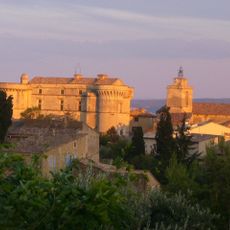
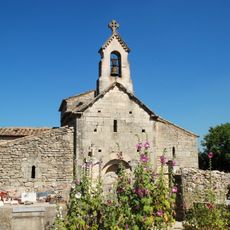
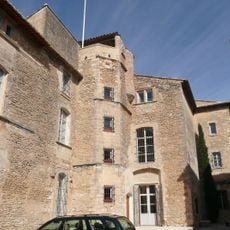
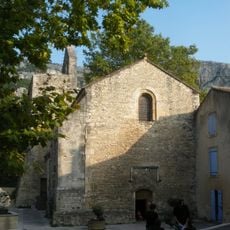
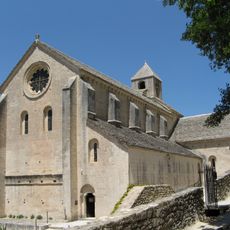
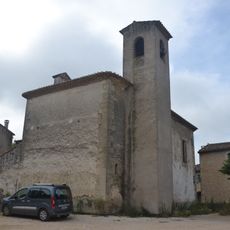
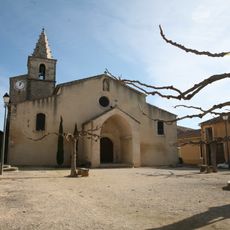
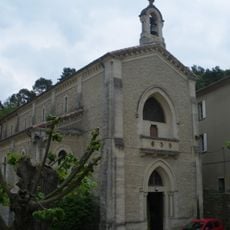
Sénanque Abbey, Cistercian monastery in Gordes, France.
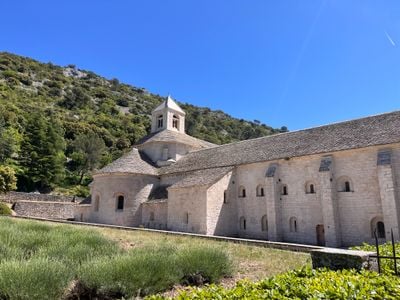
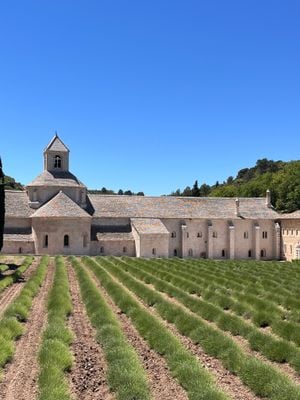
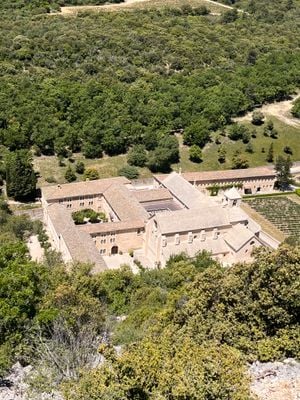
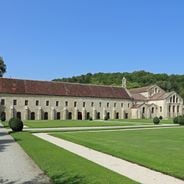
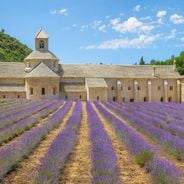
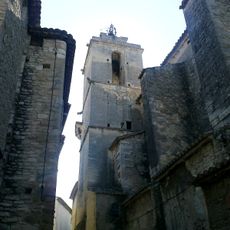
Sénanque is a Cistercian monastery in a secluded Provençal valley, composed of a Romanesque church, residential buildings, and a bell tower. The stone structures sit naturally within the rolling landscape, with lavender fields defining the surroundings.
Founded on 23 June 1148 by Cistercian monks from Mazan Abbey in the Ardèche, under Bishop Alfant of Cavaillon, Sénanque became an abbey in 1150 and consecrated its church in 1178. By 1152 it was large enough to found Chambons Abbey. In 1544 Waldensians burned the monastery and hanged monks; after the French Revolution it was sold in 1791, repurchased in 1854, and since 1988 has been a priory of Lérins Abbey.
The name Sénanque comes from the Sénancole, the stream running through the valley where the monks settled in 1148. The community, a priory of Lérins Abbey, grows lavender in front of the building and keeps honey bees; visitors can arrange a spiritual retreat there. The abbey church, cloister, chapter house and dormitory can be visited.
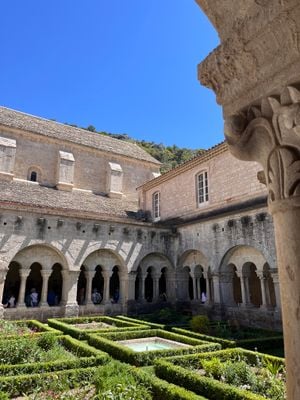
Part of the monastery can be visited: the abbey church, the cloister, the chapter house and the monks' dormitory. The church's chevet faces north rather than east, because the narrow Sénancole valley left no room for the usual layout. Individuals can arrange a stay at the abbey for a spiritual retreat.
The calefactory was the only heated room in the monastery, and the monks used it as a scriptorium for writing. The cloister capitals of the paired columns are carved with simple leaf forms, deliberately without sensual detail. The church is shaped as a tau cross, and its apse projects beyond the outer walls.
The community of curious travelers
AroundUs brings together thousands of curated places, local tips, and hidden gems, enriched daily by 93,405 contributors worldwide.