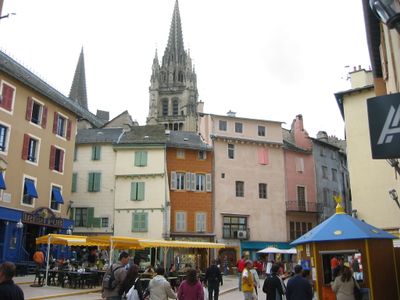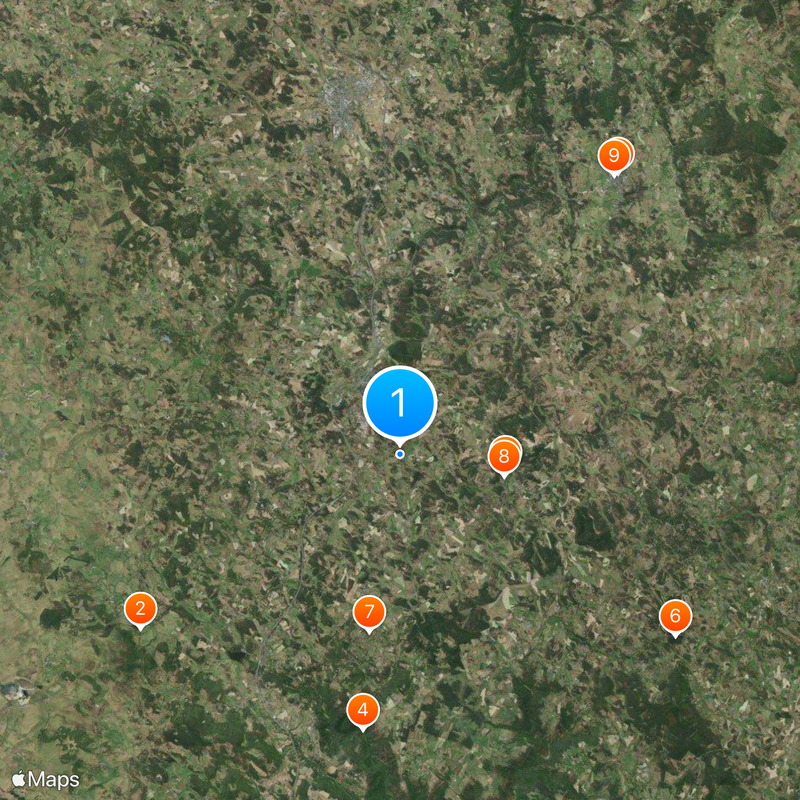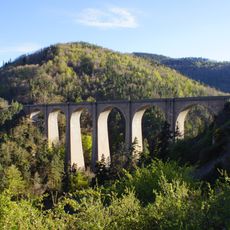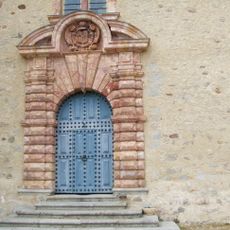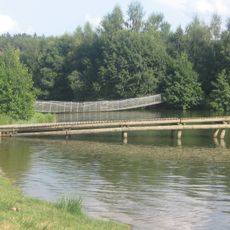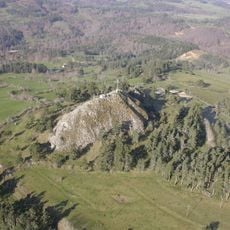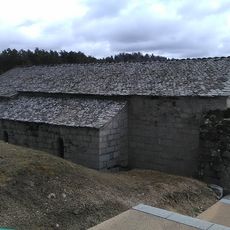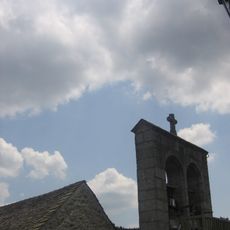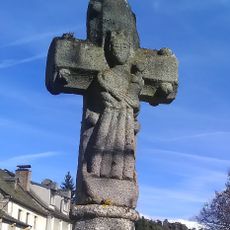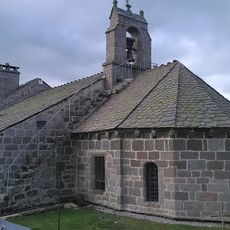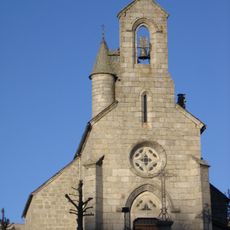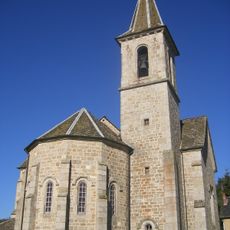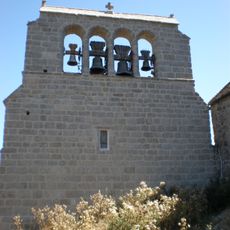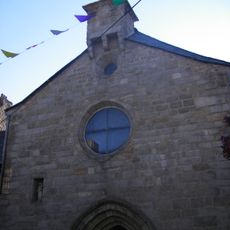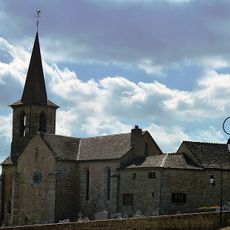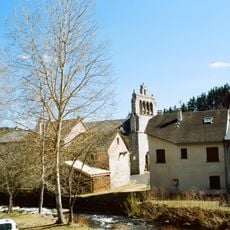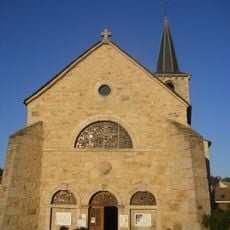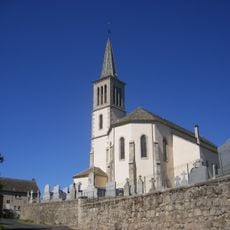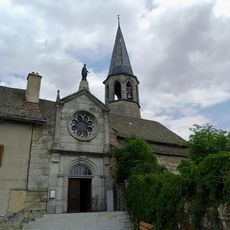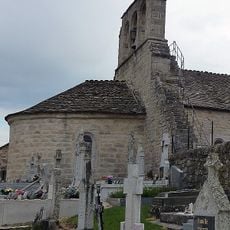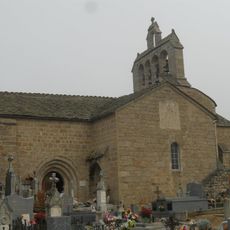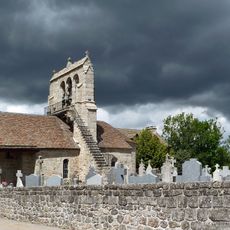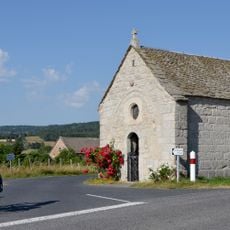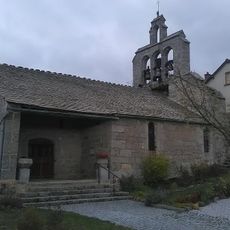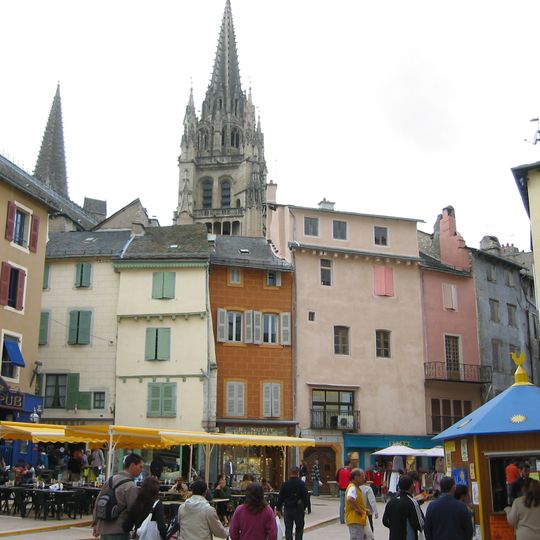
Gévaudan, Historical province in Lozère, France.
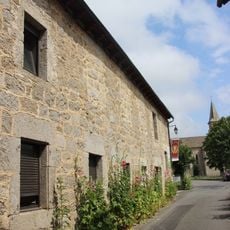
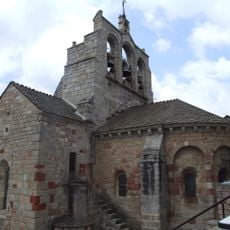
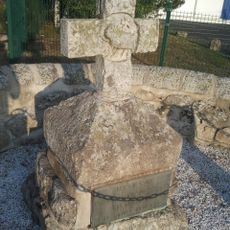
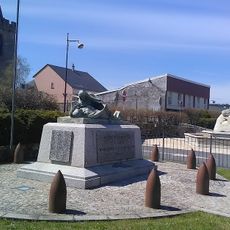
Gévaudan is a historical region in the Lozère department that covers the Triboulin valley, where Roman buildings and archaeological traces from several centuries remain visible. The former heartland of this territory can be explored today mainly in Javols, where foundations and stone fragments recall the ancient settlement.
The territory became a county in 1096 and had its roots in the lands of the Celtic tribe known as the Gabali, which the Romans later absorbed. Self-governance ended with the French Revolution in 1790, when the new départements replaced the old divisions.
The archaeological collection in Javols includes a life-size figure of the Gallo-Roman forest deity Silvain-Sucellus, carved from regional red sandstone by local craftspeople. Visitors today can study how Roman and Celtic traditions merged through this artifact, which stands as evidence of the religious practices that shaped daily life in the valley.
The archaeological site remains accessible throughout the year, and guided walks are supported by digital applications with augmented reality features. Visitors planning to explore the ruins should wear sturdy footwear, as paths can be uneven and cross grassy terrain.
Javols, the former capital of this territory, belongs to the rare Roman administrative centers that evolved into a village without large-scale urban construction. The landscape remained mostly rural, which today allows for an unobstructed view of the ancient foundations.
The community of curious travelers
AroundUs brings together thousands of curated places, local tips, and hidden gems, enriched daily by 92,715 contributors worldwide.