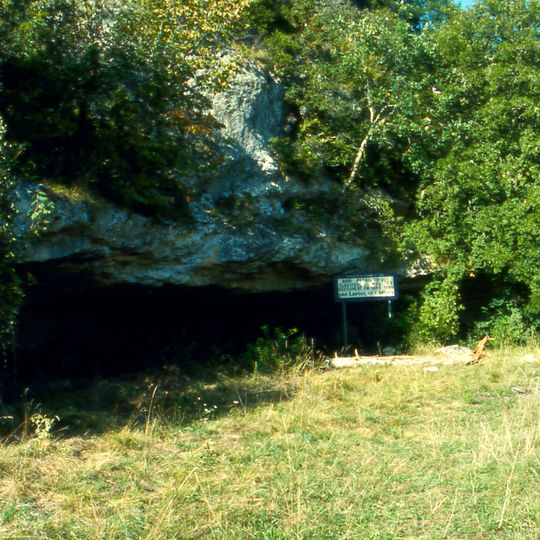
Le Moustier, Archaeological site in Saint-Léon-sur-Vézère, France.
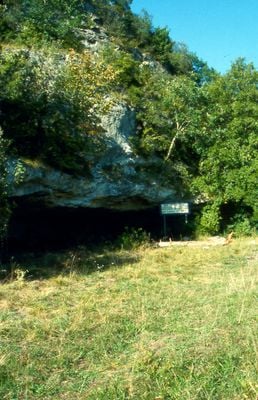
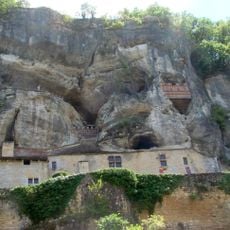
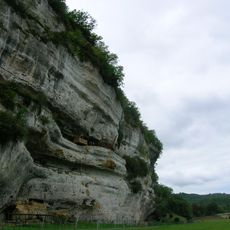
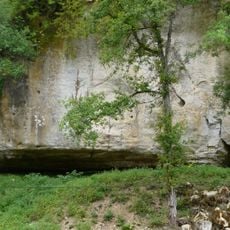
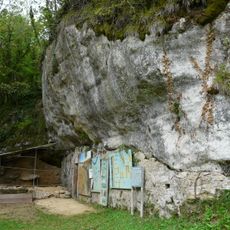
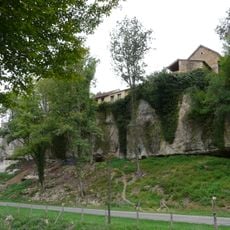
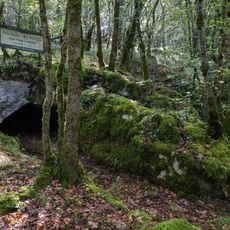
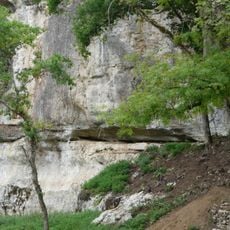
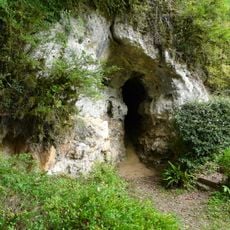
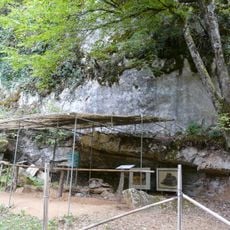
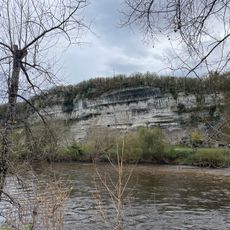
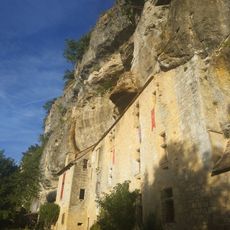
Le Moustier consists of two rock shelters built into limestone cliffs in a river valley. The excavation areas reveal multiple layers containing prehistoric remains and stone tools from different periods of early human occupation.
The site became well known after workers uncovered a young Neanderthal skeleton here in 1908, dating back roughly 45,000 years. This discovery proved crucial for understanding how early humans lived in Europe.
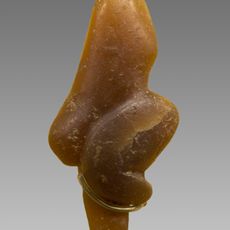
This location gave its name to the Mousterian tool culture, a stone tool tradition from the Middle Paleolithic period. Visitors can observe the different types of stone implements discovered here and understand how people of that era shaped their surroundings.
You can visit the excavation areas through guided tours arranged by the Grotte de Font de Gaume office. Wear sturdy shoes since the ground is uneven and the paths go up and down the slopes.
Scientists uncovered proof that Neanderthals here made advanced adhesives by mixing ochre and bitumen together. This skill allowed them to attach strong handles to their stone tools.
The community of curious travelers
AroundUs brings together thousands of curated places, local tips, and hidden gems, enriched daily by 90,867 contributors worldwide.