Canal de l'Aisne à la Marne, Summit level canal in northeastern France
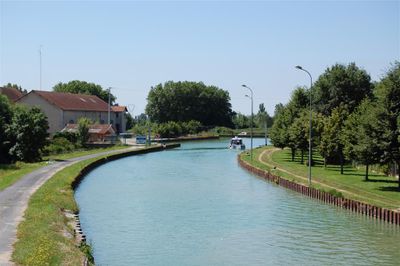
The Canal de l'Aisne à la Marne is a summit level canal in northeastern France connecting two major rivers. It traverses a plateau by means of locks and a substantial underground tunnel, allowing boats to cross terrain that would otherwise block their passage.
Construction began in 1841 and the canal opened in 1866 as a link in a broader network designed to connect the Loire with northern France. The project demonstrated France's commitment to modernizing its transport infrastructure during the industrial age.
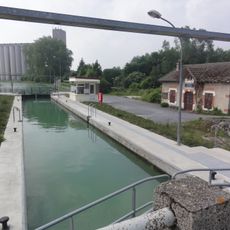
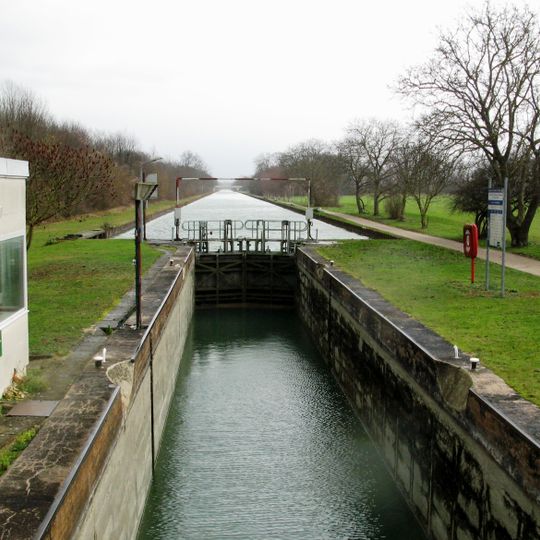
The waterway reflects French engineering ambition and shows how people in the 19th century connected rivers to move goods across the country. Today visitors can walk along the banks and observe the lock system up close, understanding how commerce flowed through these waters.
The canal banks are easily accessible for walking and observing lock operations throughout their course. The best visiting season is spring through fall when more boat traffic is visible and the towpaths are most pleasant to walk.
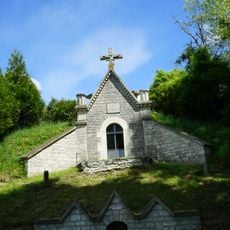
The tunnel beneath Mont-de-Billy is one of France's longest underground passages and was dug entirely by hand. This hidden waterway allows boats to pass under terrain that would have made the route impossible without it.
The community of curious travelers
AroundUs brings together thousands of curated places, local tips, and hidden gems, enriched daily by 90,827 contributors worldwide.