See the monuments around you in AROpen chests in the app
Around Us is built for your phone — point your camera at the streets and discover the monuments and places around you in augmented reality.Around Us is built for your phone — chests unlock when you walk, explore and capture nearby places.
Photography in Reims: Gothic cathedral, Roman ruins, champagne caves
Reims is a city where different historical periods naturally exist side by side, making it a favorite for photographers. Churches and palaces from the Middle Ages stand near Roman ruins, while underground caves have been turned into champagne cellars. These underground spaces offer special settings, away from natural light, where the walls tell the story of past centuries.
Walking through the streets of Reims, you see finely crafted stone facades, decorative sculptures, and buildings that show each period of its building history. The Place Royale with its statue of Louis XV, the Town Hall in Renaissance style, the Reims Cathedral in Gothic, and the Sube Fountain with art deco shapes all show this flow of styles. The shady parks around the city offer green spots to rest and new views of the buildings.
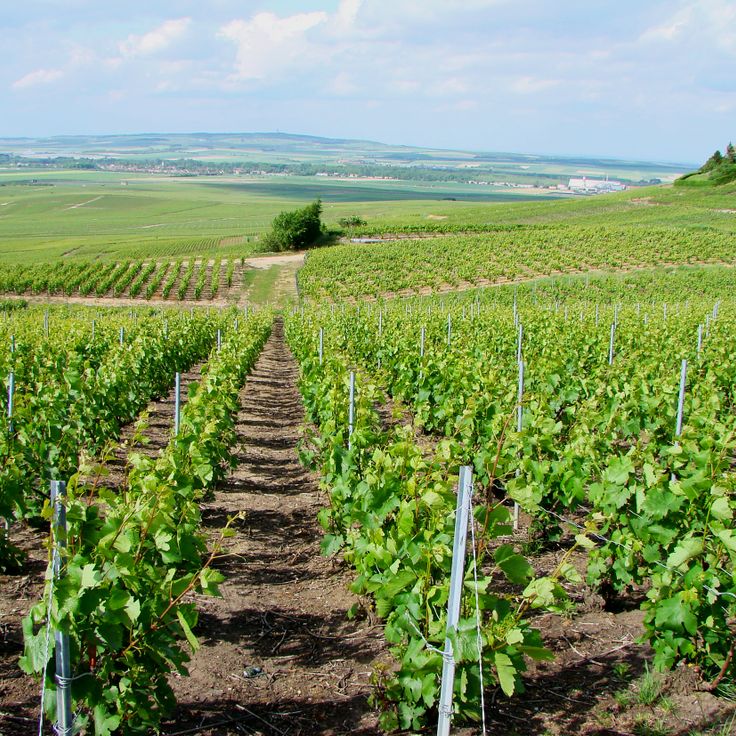
Surrounding Reims, the vineyards grow grapes for champagne and complete this historic view. The city invites slow exploration, where each corner holds something to find—an architecture detail, an underground opening, a Roman remnant. By wandering like this, you can see how Reims has changed over time and how its history is still visible in the current cityscape.
Photography in Reims: Gothic cathedral, Roman ruins, champagne caves
Reims is a city where different historical periods naturally exist side by side, making it a favorite for photographers. Churches and palaces from the Middle Ages stand near Roman ruins, while underground caves have been turned into champagne cellars. These underground spaces offer special settings, away from natural light, where the walls tell the story of past centuries.
Walking through the streets of Reims, you see finely crafted stone facades, decorative sculptures, and buildings that show each period of its building history. The Place Royale with its statue of Louis XV, the Town Hall in Renaissance style, the Reims Cathedral in Gothic, and the Sube Fountain with art deco shapes all show this flow of styles. The shady parks around the city offer green spots to rest and new views of the buildings.
Surrounding Reims, the vineyards grow grapes for champagne and complete this historic view. The city invites slow exploration, where each corner holds something to find—an architecture detail, an underground opening, a Roman remnant. By wandering like this, you can see how Reims has changed over time and how its history is still visible in the current cityscape.
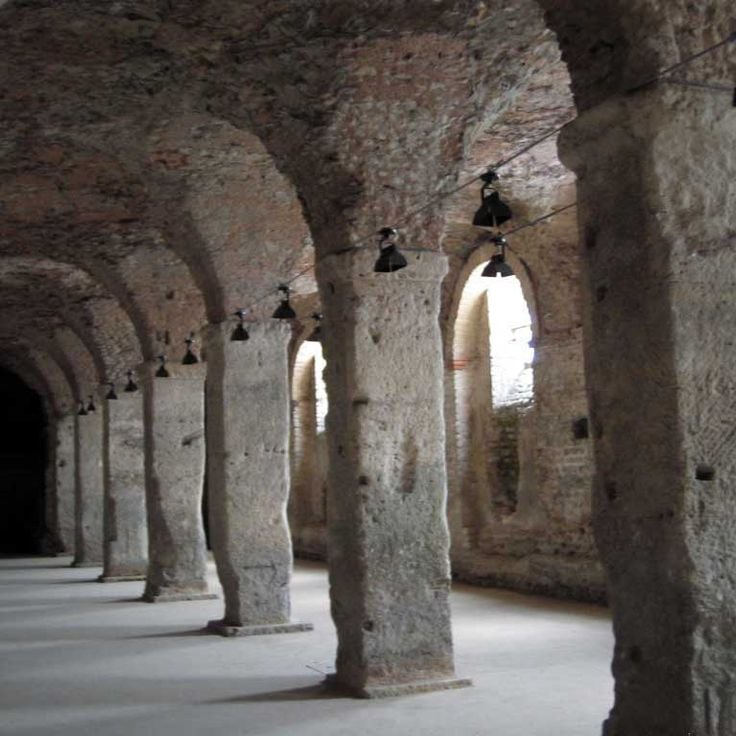
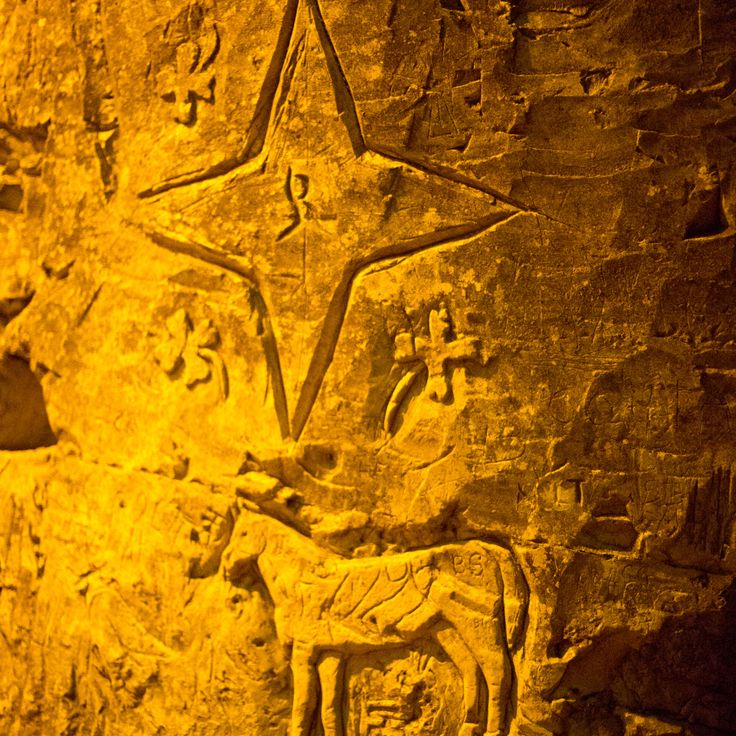
The underground galleries of Reims date back to Roman times and still show stone vaults and arches from the 3rd century. This corridor once served as a marketplace and storage space for the Romans. In this city, where different periods exist side by side, these underground spaces form a striking contrast to the medieval churches and Renaissance palaces above ground. The walls tell the story of centuries visible throughout Reims – from Roman origins to the gothic cathedral. Here below, without natural light, visitors understand how deeply history runs through this city.
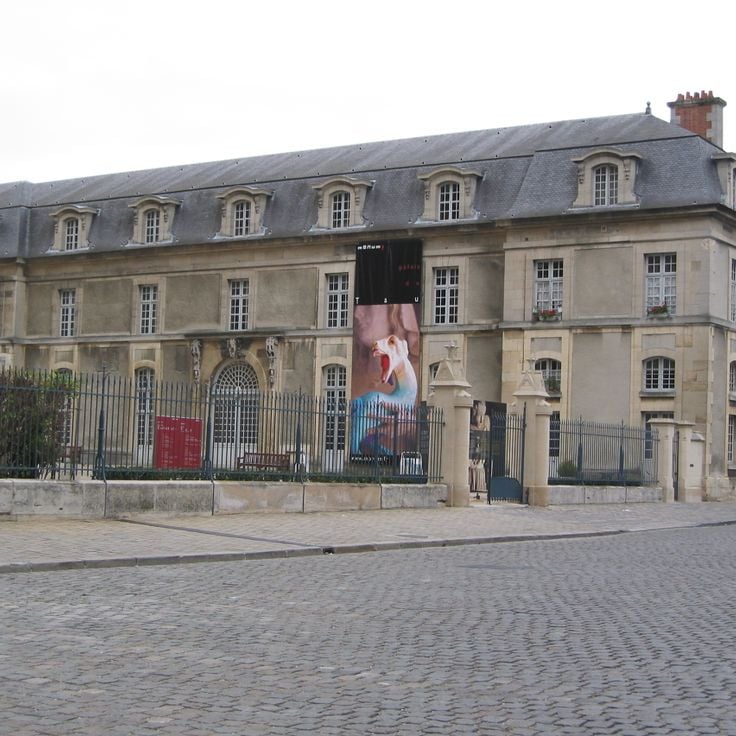
The Palais du Tau is a former royal palace next to Reims Cathedral, now functioning as a museum. Its name comes from its T-shaped floor plan. Inside, visitors can see artworks and objects connected to the cathedral's history and French monarchy. The building itself shows different architectural styles from various periods. The rooms contain furniture, sculptures, and religious objects that show how important this place has been to French history.
Reims Cathedral is a Gothic structure built between 1211 and 1516 that shapes the character of this city. Its façade displays the hallmarks of Gothic architecture: pointed arches, finely carved sculptures, and ornately crafted details. Inside, the walls and vaults bear witness to the royal coronations that took place here. The cathedral stands at the heart of Reims and connects seamlessly with the city's other historic buildings. Stepping through its doors takes you into centuries of history.
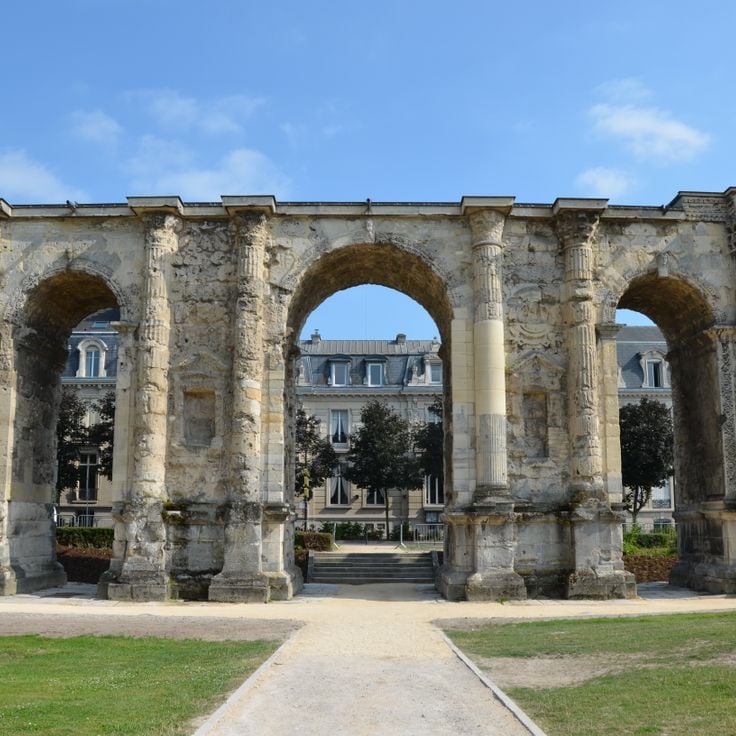
The Porte Mars is a Roman arch from the 3rd century that stands in Reims. Measuring 33 meters wide, its reliefs shape the city's character to this day. The carved scenes depict agricultural life and Roman mythology. This arch tells of the time when Reims was an important Roman settlement. The stonework is remarkably detailed, and you can still read the stories in the reliefs today. The arch connects ancient times with the present-day city and offers a direct window into the Roman world. It stands alongside Reims's medieval buildings, showing how different periods of history exist side by side in this city.
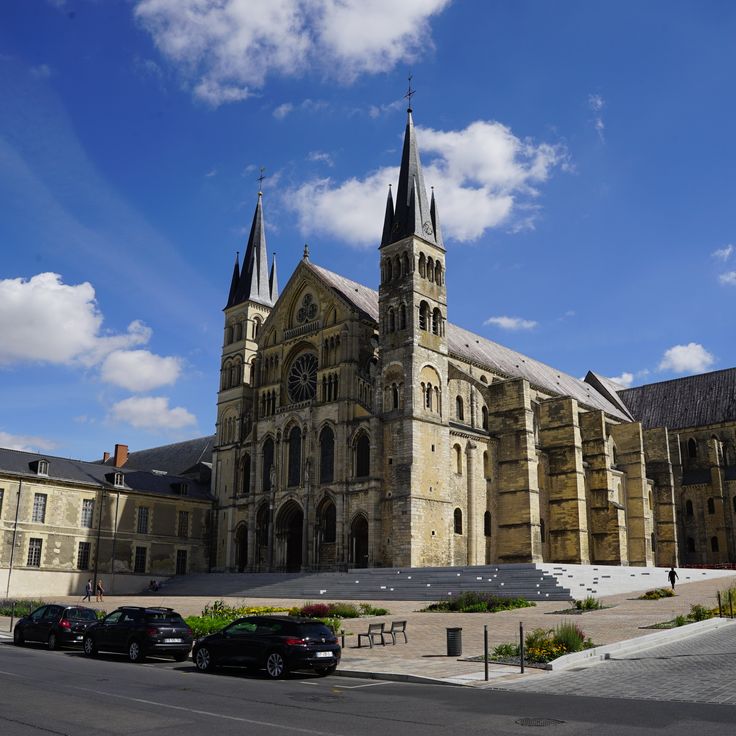
The Basilica of Saint-Remi in Reims is a medieval church built in the 11th century that holds the tomb of Saint Remi. Its Gothic architecture appears in the stonework and stained glass windows that cast colored light through the interior. This church forms part of Reims' layered history, where Roman remains, medieval buildings, and underground champagne cellars exist side by side. The building connects religious history with the city's development and shows how different architectural styles have shaped Reims over time.
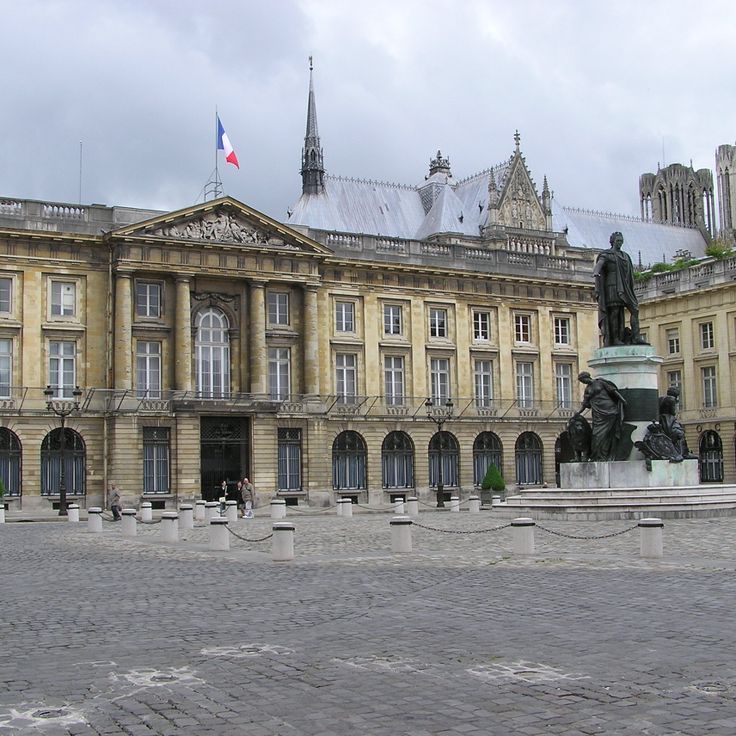
The Place Royale is a public square from the 18th century located in Reims. A bronze statue of King Louis XV stands at its center. The buildings surrounding the square are arranged symmetrically with stone facades. This square displays the classical architecture of its time and allows visitors to experience the harmony between the buildings and the statue. The square is an important part of Reims' urban landscape.
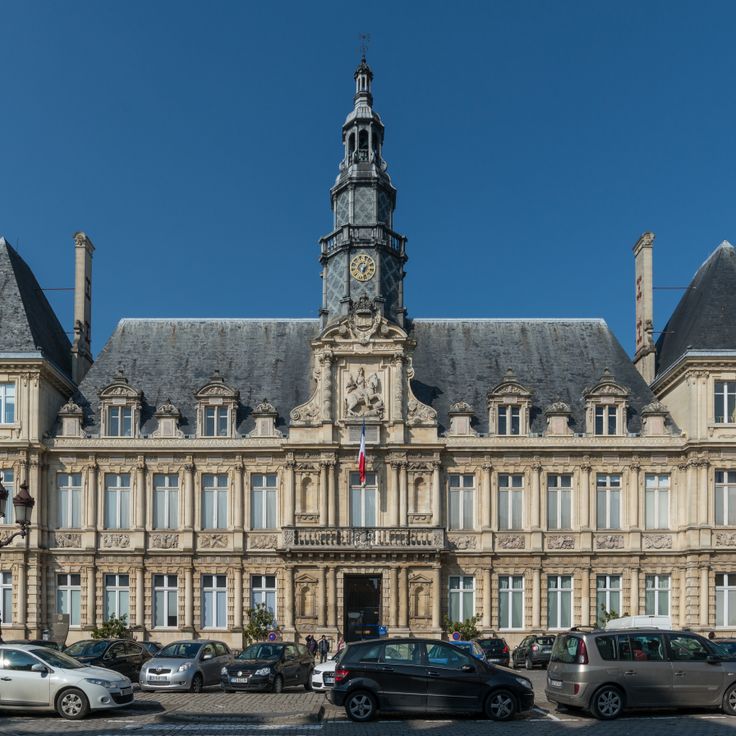
The Town Hall of Reims is a 17th-century administrative building with Renaissance architecture. Its stone facade displays skillfully carved sculptures and a central clock. The building sits in a plaza within the city, creating a contrast with the nearby medieval churches and Roman remains. Its style reflects a particular era and allows photographers to capture the different architectural periods of the city side by side.
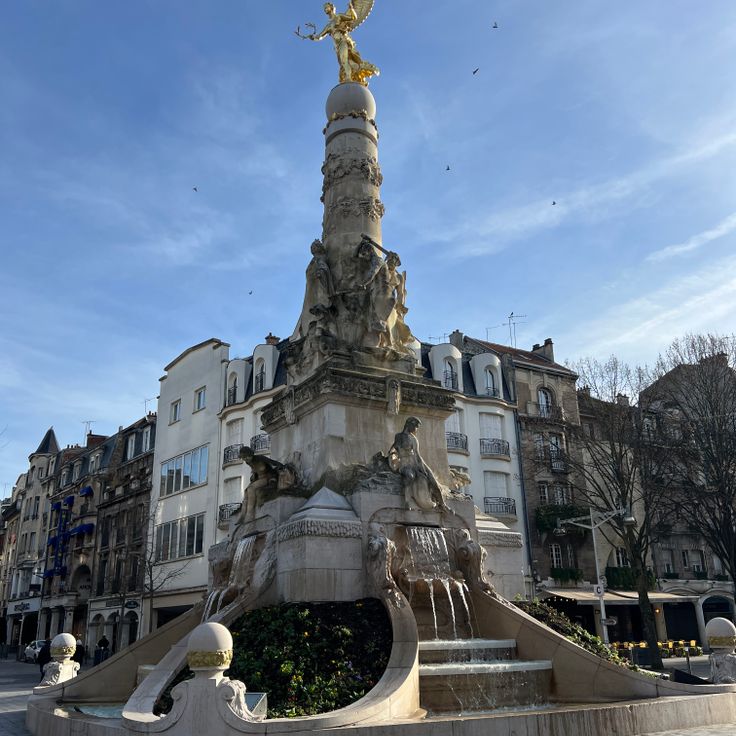
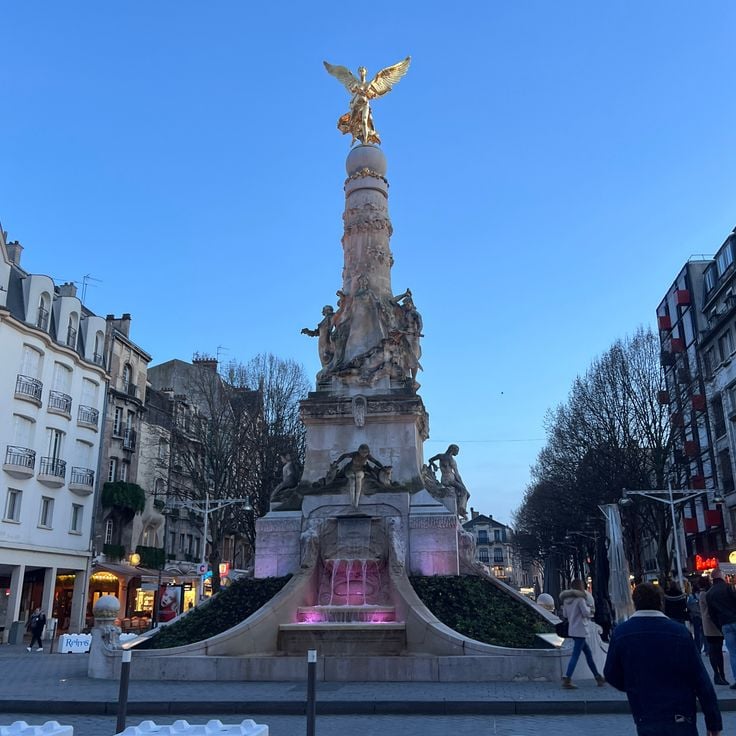
The Fontaine Sube stands in Reims and displays the city's Art Deco architecture. This fountain was built in 1906 and features a tall bronze column decorated with figures representing the wine industry of Reims. It sits in a city where medieval churches, Renaissance palaces, and Roman remains stand side by side. The Fontaine Sube fits into this mix of building styles and shows how Reims brings together different historical periods in its urban landscape.
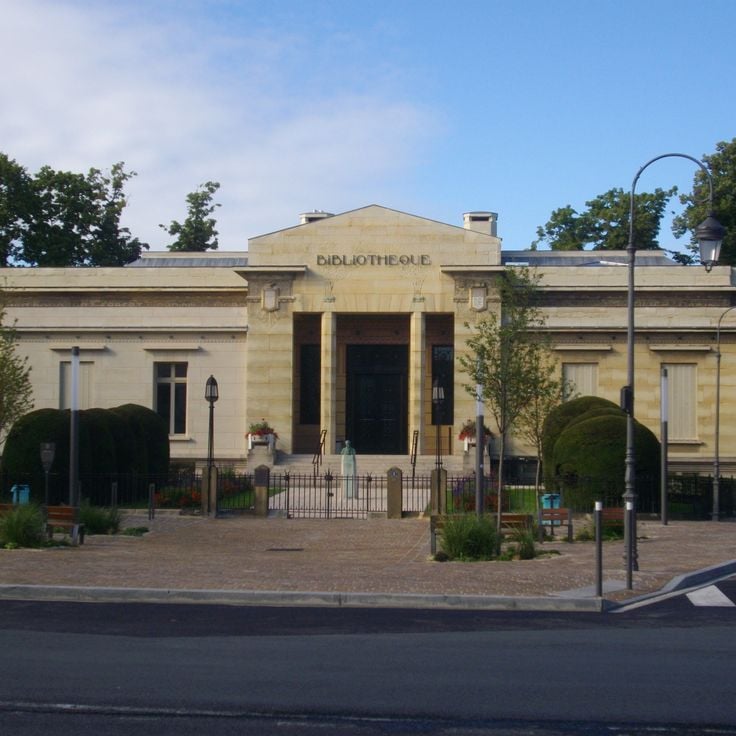
The Carnegie Library in Reims shows elegant modernism from the 1920s. This building combines practicality with artistic design: marble floors shine beneath your feet, while a painted glass ceiling above lets natural light fill the space. The metal framework is decorated with geometric shapes that reflect the taste of that era. As a public library, it served many people and remains an example of how practical spaces can also be beautiful. It tells of Reims transforming into a modern city and fits perfectly into the history of this place, where different periods exist side by side.
The Taittinger caves are an underground network beneath Reims built from Roman quarries dating to the 4th century. These rooms, located 18 meters below ground, show the marks of ancient stone extraction on their walls. A champagne house later converted these quarries into cellars for aging and storing champagne. The cool, damp conditions deep underground provide ideal storage for the wine. Walking through these spaces connects you directly to both Roman craftsmanship and the region's famous champagne heritage.
The Place Drouet d'Erlon is the living center of Reims where people gather to eat, shop, or simply sit together. The Fontaine Subé stands out with its art deco forms, defining the character of the square. It links the train station to the older city center and serves as a meeting point where locals and visitors naturally cross paths. This square shows how Reims balances the preservation of its past with the rhythm of everyday life, where restaurants and shops line the edges and people move through the space freely.
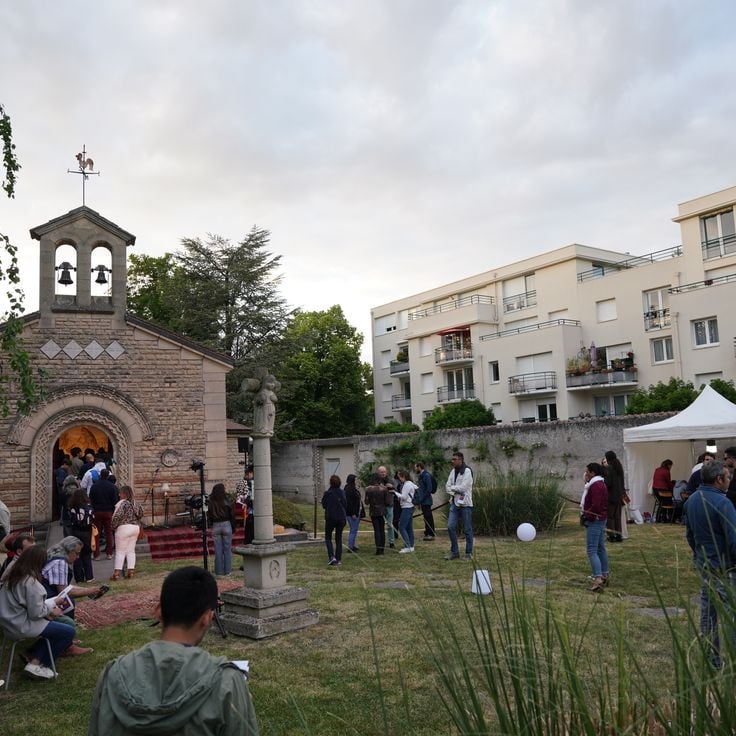
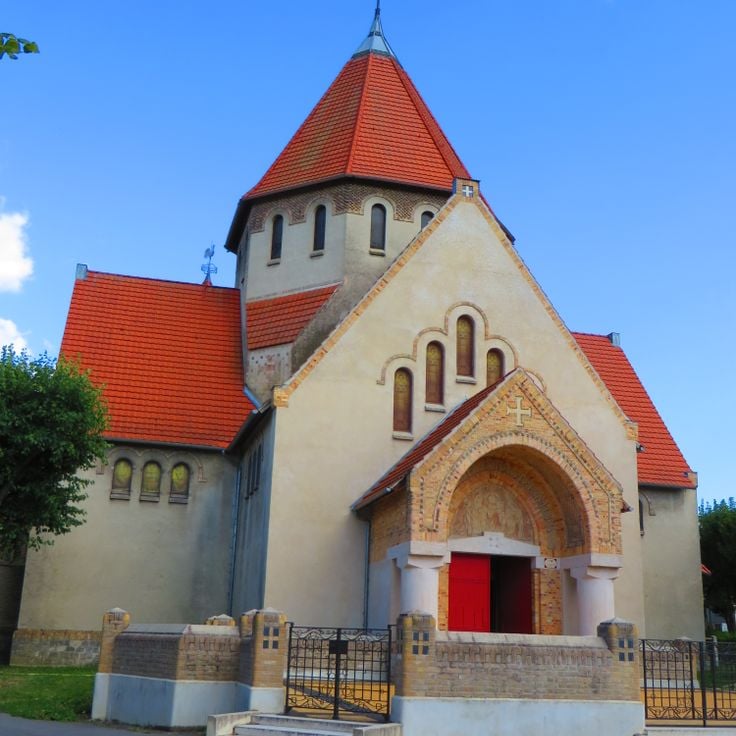
This chapel from 1966 displays frescoes depicting biblical scenes, designed and painted by artist Tsuguharu Foujita, blending French and Japanese styles. The building sits in Reims, a city where different historical periods exist side by side. Medieval churches and palaces stand near Roman remains, and beneath the city lie old quarries converted into champagne cellars. This chapel adds to the story of a city whose architecture reflects its past at every turn.
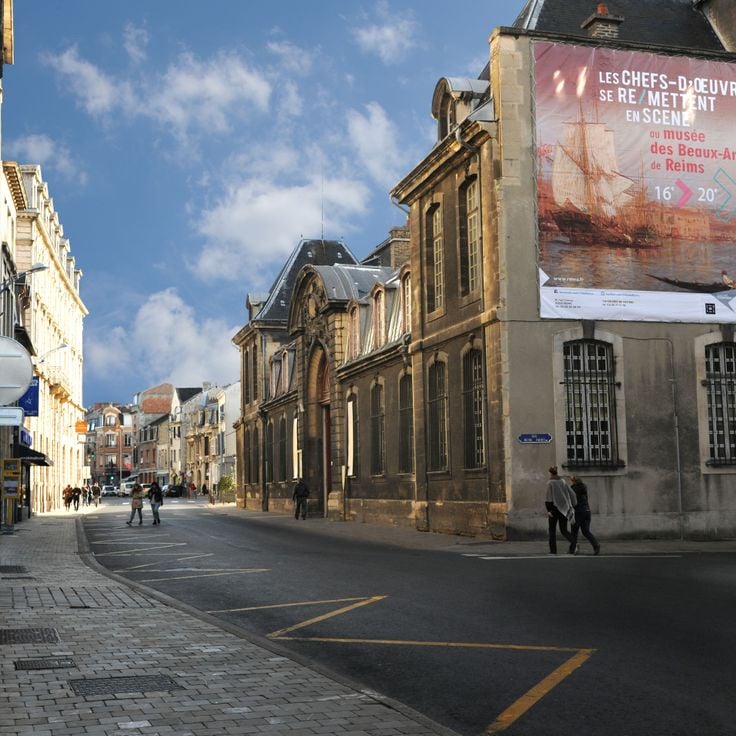
This art museum in Reims displays paintings from the 16th to the 20th century, featuring works by French masters and European artists in renovated gallery spaces. It stands in a city where different historical periods are visible in the buildings themselves - medieval churches beside Roman ruins, with champagne cellars hidden beneath the streets. Visitors can explore European artistic history through painting while discovering the many layers of Reims' past in its urban landscape.
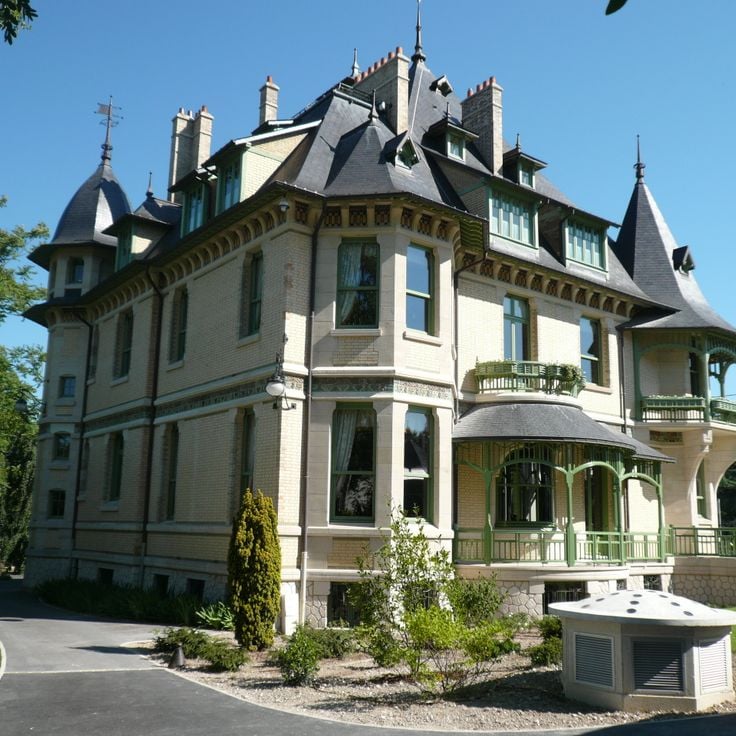
The Villa Demoiselle in Reims is a residence built in 1908 that blends Art Nouveau and Art Deco styles. Inside, stained glass windows, mosaics, and period furniture fill the rooms. The house shows how the city has incorporated different artistic movements into its architecture and preserves them for visitors to see.
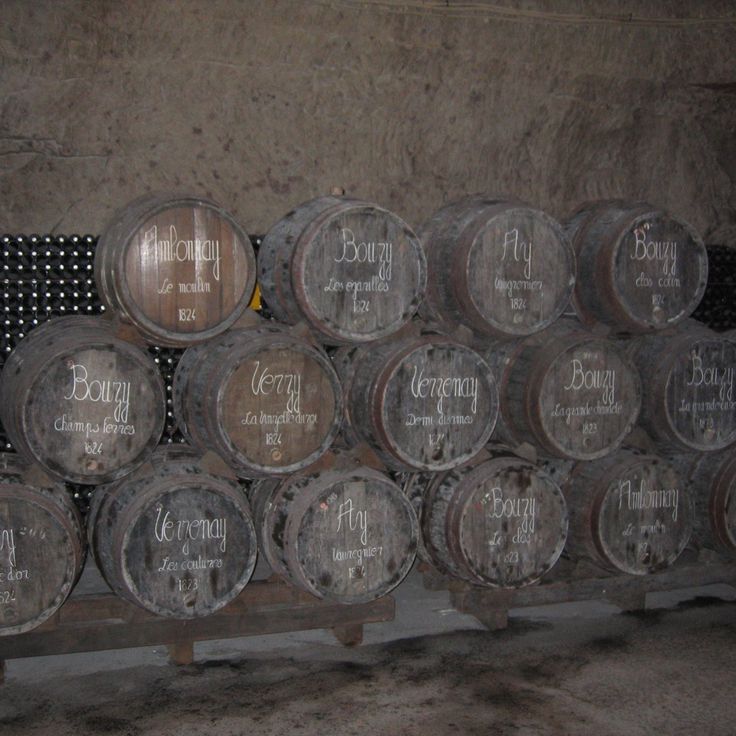
The Ruinart cellars in Reims show how this city has built its history into the depths below. Beneath the streets lie chalk quarries from earlier centuries, converted into champagne storage areas since 1729. The cool underground air creates ideal conditions for the fermentation and aging of wine. When you descend into these cellars, you see the raw chalk walls and understand how these underground spaces became part of Reims' story.
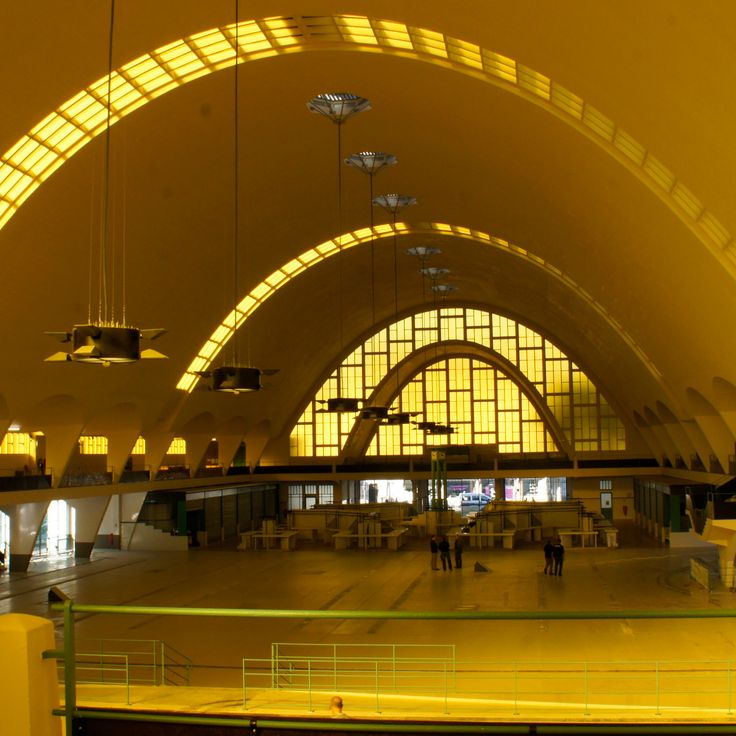
The Halles Boulingrin is a market building from 1929 in Reims featuring a distinctive parabolic concrete vault. This structure demonstrates the modern architecture of the interwar period and serves three days a week as a gathering place for vendors selling regional products. The market represents the city's evolution from medieval times to the contemporary era, complementing the historic churches, palaces, and underground champagne cellars that define Reims.
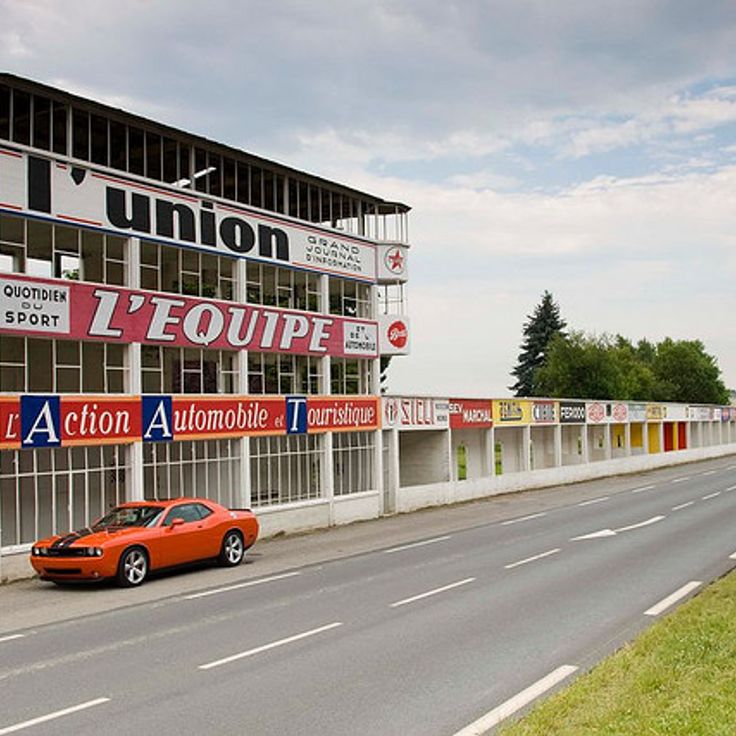
The Gueux Circuit was an important motor racing venue near Reims from 1926 to 1972. Visitors can still see the stone grandstands and original timing buildings that line Route D27. These structures tell the story of an era when drivers raced on this track. This site shows how Reims preserves not only medieval and Roman history but also traces of the 20th century. The remaining buildings give a sense of how racing events were organized during that period.
The Vesle Bridge is a stone structure built in the 19th century that crosses the Vesle river. It connects downtown Reims to the southern neighborhoods and is part of the city's long history, where Roman ruins stand alongside medieval buildings. From the bridge, you can observe the landscape that surrounds Reims, where vineyards and historical structures shape the view. This bridge shows how the city grew over time and expanded across the river.
The Pierre Schneiter Garden in Reims is a place where nature is displayed in many forms. Across five hectares, you will find flower plantings that change with the seasons, greenhouses with rare plants, and ornamental trees scattered throughout. This municipal garden offers a peaceful setting in the heart of this historic city and shows how Reims has preserved its connection to nature.
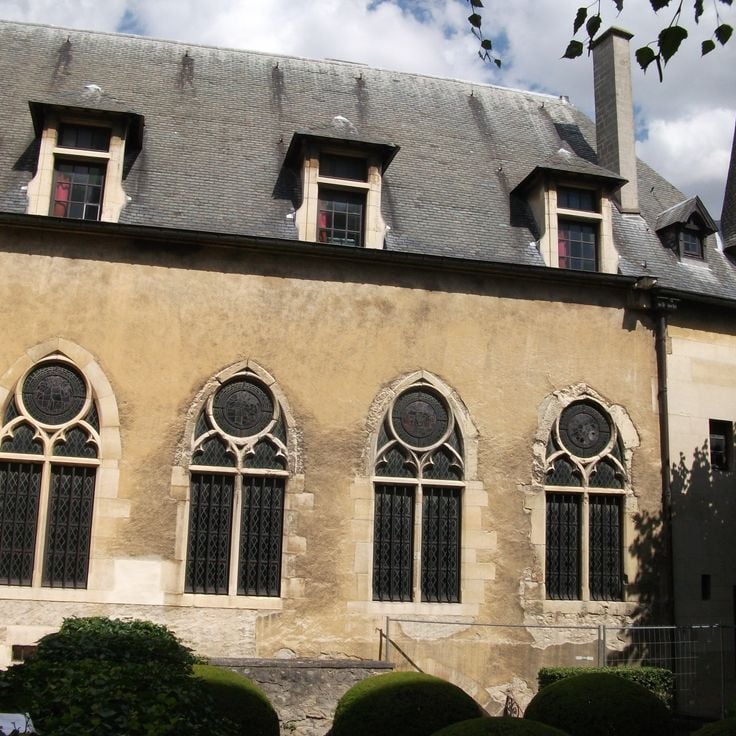
Le Vergeur Museum is a Renaissance mansion in Reims that houses regional art collections, period furniture, and historical exhibits spanning the 13th to 19th centuries. Walking through its rooms, you find objects that tell the story of the region, crafted by artisans who lived here long ago. The building itself is part of this history, with staircases, fireplaces, and decorative details from the Renaissance. The museum shows how people in Reims lived and worked in earlier times. The collections offer a window into daily life and artistic practice across several centuries.
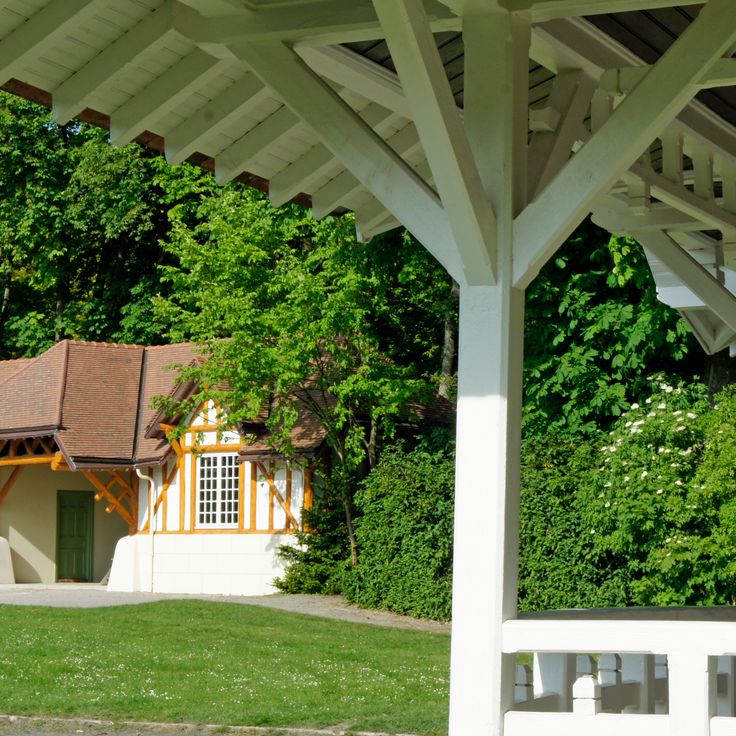
The remains of this 13th century abbey stand as stone walls and foundations set among gardens and green spaces. In Reims, this ruin is a place where medieval history becomes tangible. The surviving walls speak of religious life in earlier times, while the surrounding gardens bring calm to the site and create a contrast with the modern city.
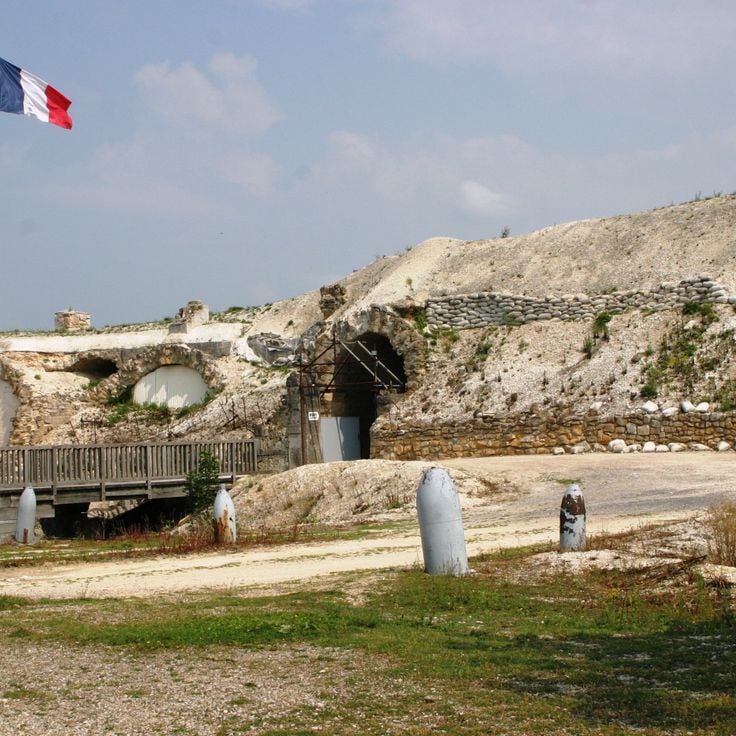
The Military Fort of Reims is a fortress built in 1883 that protected the city during World War I. Today, visitors can walk through its thick walls and explore the history of this fortification. The fort shows how the city defended its residents and contains collections of objects and exhibitions that document this wartime period. It stands as a record of industrialized warfare and the military strategies of the early 20th century.
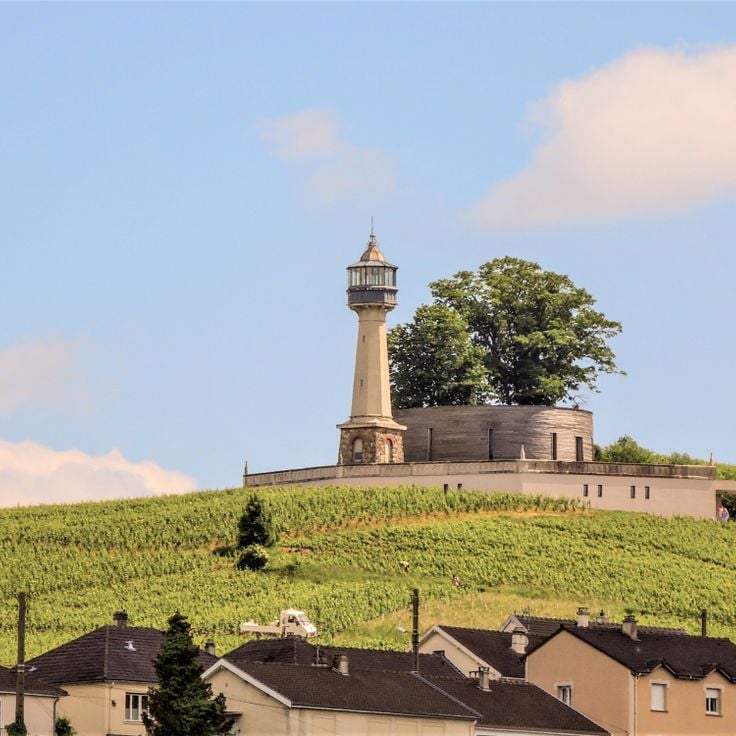
The Lighthouse of the Vineyards in Reims is an inland navigation tower from 1909 surrounded by grapevines. This unusual structure displays exhibitions about local wine production methods. The tower connects maritime history with the wine culture of the region and offers insights into techniques used for generations in champagne production. Visitors can discover here the history of the vine and its importance to Reims.
Rue Tambour is a medieval street in Reims that displays half-timbered houses from the 13th century. Its stone houses and shops selling regional products tell the story of the city's past. This street fits perfectly into the photographic exploration of Reims, where different historical periods coexist side by side. Here, photographers can capture finely worked stone facades, ornamental decorations, and details that reflect medieval construction methods.
The regional park of Montagne de Reims offers forests and vineyards that complement the city's historical sites. Walking paths wind through oak woods and past grapevines. This park shows the natural landscape that supports the Champagne region. Visitors can explore on foot, moving from shaded woodland to open vineyard areas. The trails reveal how the land has been shaped by both nature and generations of wine production.
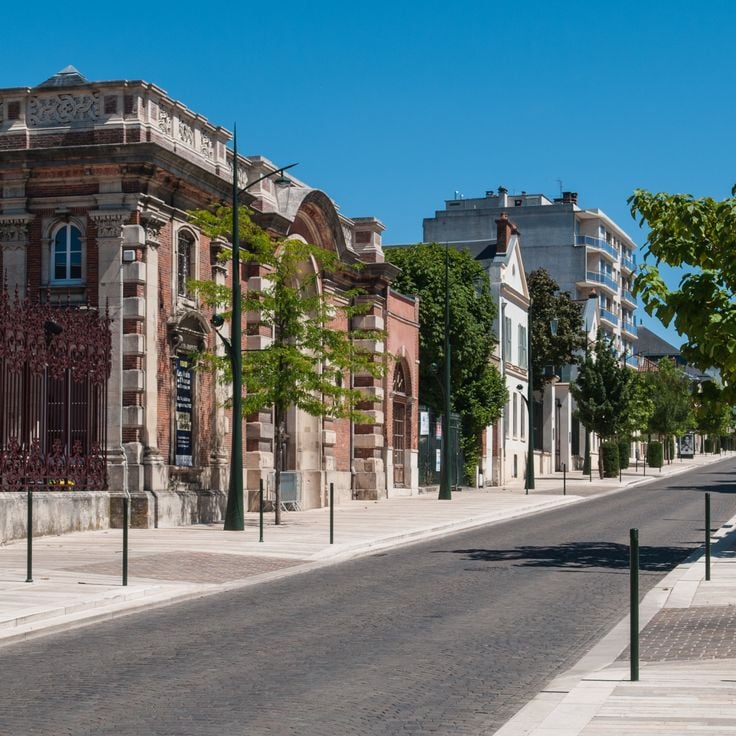
The Avenue de Champagne in Reims is a street where several champagne producers and their limestone cellars are located. The architecture features 19th-century townhouses with iron gates and gardens. Beneath this street lie underground spaces that were once quarries and now serve as cellars. Walking here, you see finely worked stone facades and can read the history of champagne production in the buildings' architecture.
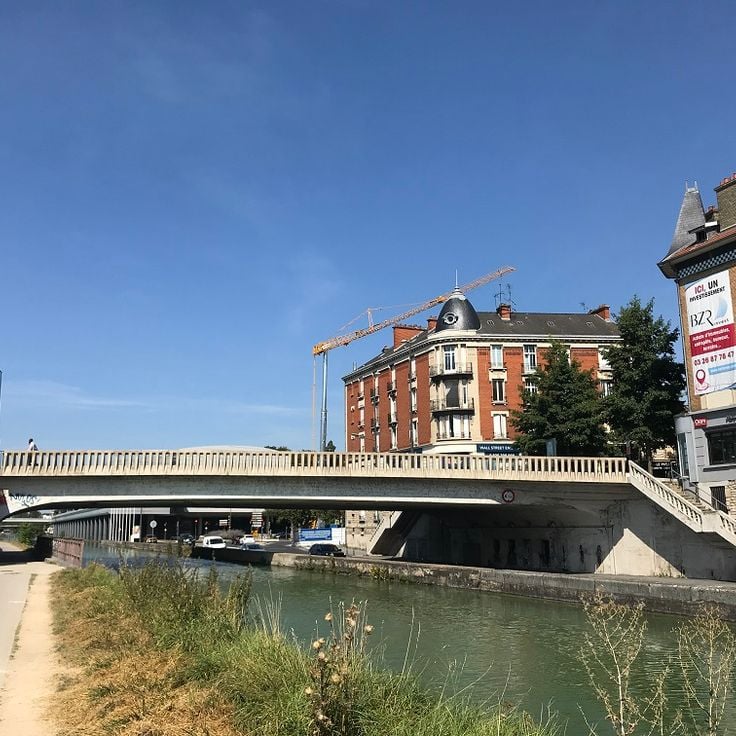
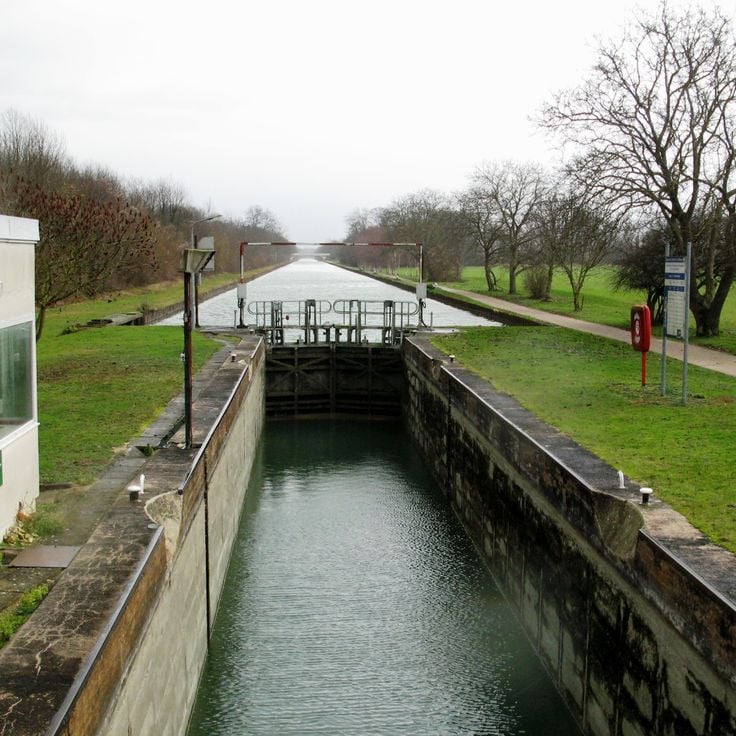
The Canal de l'Aisne à la Marne is a 58-kilometer waterway that connects two rivers through 24 locks. It runs through the Reims region with trees lining both banks and paths for walking and cycling. This canal tells the story of transport and human connection in an area where medieval churches and Roman ruins shape the landscape.
The Parc de Champagne in Reims displays how classical French garden design fits into urban life. Geometric flower beds, mature trees, and stone pathways create spaces where visitors can pause and take in the surroundings. Fountains and benches are scattered throughout, offering places to sit and observe the carefully laid out greenery. As a green space within Reims' historic streets, this park provides a different perspective on the city's architecture.
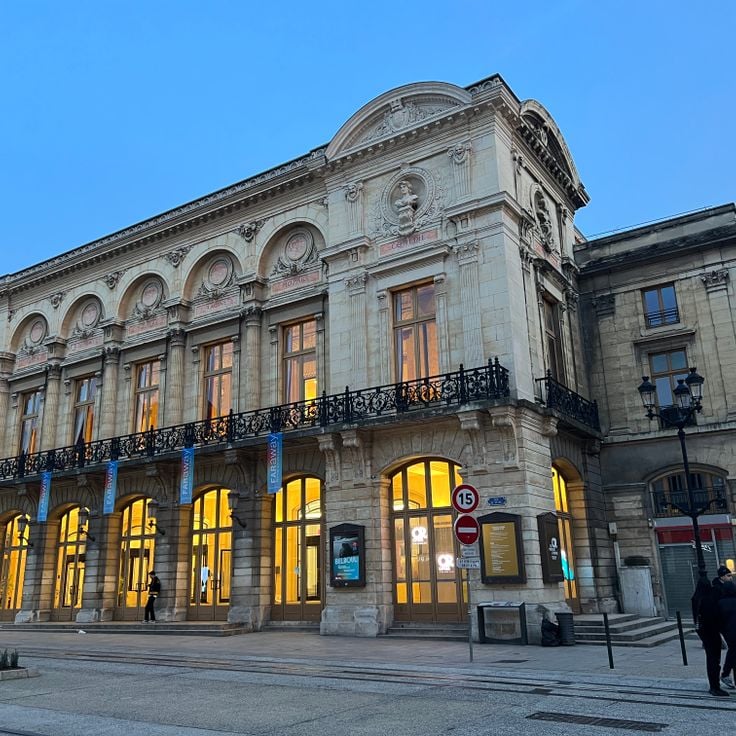
This opera house in Reims presents classical operas, modern productions, and concerts throughout the year. Inside, red velvet seats and ornate golden decorations create an inviting space for performances. The building fits naturally into Reims' architectural story, where medieval churches and palaces stand near Roman ruins. The opera house shows how the city maintains and celebrates its artistic traditions, adding to the richness of Reims' urban landscape.
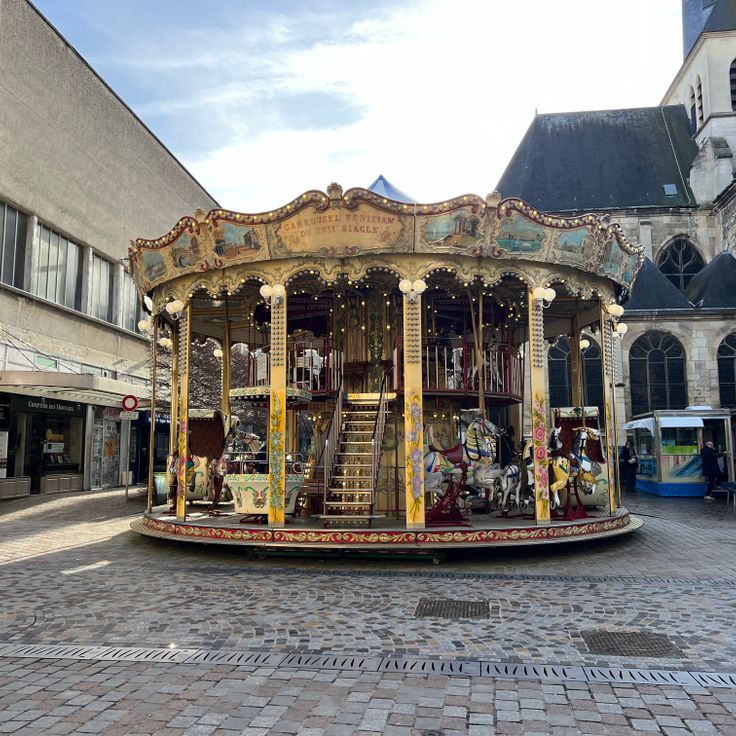
The Carrousel Passage Saint Jacques is a traditional carousel with painted horses and mirrors, set within a covered passageway. In Reims, a city where different historical periods sit side by side, this carousel offers a place of joy and play. The music of the organ sounds throughout the day as the artfully decorated horses turn in their circles. It is a piece of the city's culture that fits into the architecture of the place and draws visitors with its classic charm.
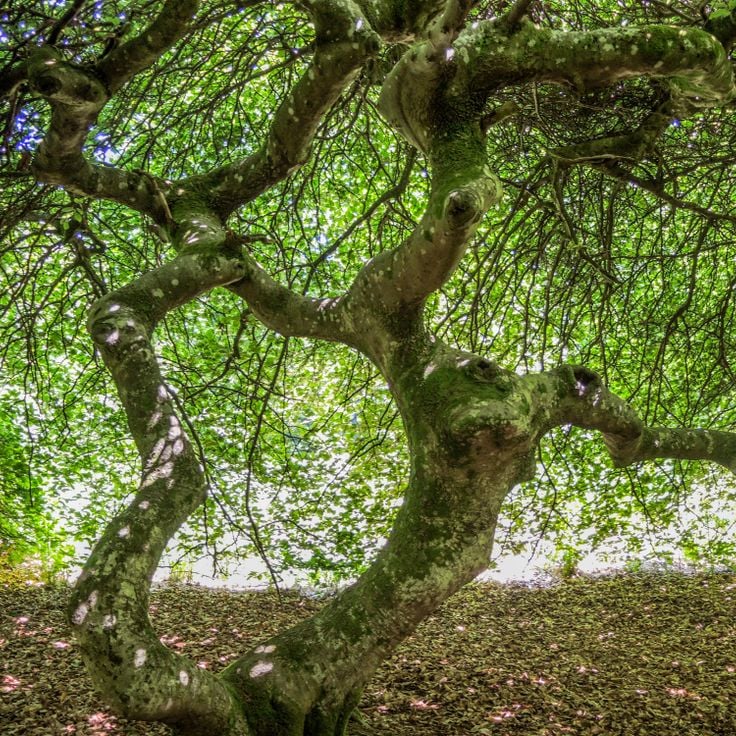
The beech forest of Verzy is a natural woodland where the trees grow in unusual ways. Here, beeches display curved trunks and branches shaped by genetic variations that have unfolded over generations. These rare specimens form a forest unlike others nearby, where the shapes of the trees catch your eye at every turn. Walking through this woodland feels like moving through nature that has taken unexpected forms, with twisted and bending growth patterns that make each tree remarkable to observe.
The underground galleries of Reims date back to Roman times and still show stone vaults and arches from the 3rd century. This corridor once served as a marketplace and storage space for the Romans. In this city, where different periods exist side by side, these underground spaces form a striking contrast to the medieval churches and Renaissance palaces above ground. The walls tell the story of centuries visible throughout Reims – from Roman origins to the gothic cathedral. Here below, without natural light, visitors understand how deeply history runs through this city.
The Palais du Tau is a former royal palace next to Reims Cathedral, now functioning as a museum. Its name comes from its T-shaped floor plan. Inside, visitors can see artworks and objects connected to the cathedral's history and French monarchy. The building itself shows different architectural styles from various periods. The rooms contain furniture, sculptures, and religious objects that show how important this place has been to French history.
Reims Cathedral is a Gothic structure built between 1211 and 1516 that shapes the character of this city. Its façade displays the hallmarks of Gothic architecture: pointed arches, finely carved sculptures, and ornately crafted details. Inside, the walls and vaults bear witness to the royal coronations that took place here. The cathedral stands at the heart of Reims and connects seamlessly with the city's other historic buildings. Stepping through its doors takes you into centuries of history.
The Porte Mars is a Roman arch from the 3rd century that stands in Reims. Measuring 33 meters wide, its reliefs shape the city's character to this day. The carved scenes depict agricultural life and Roman mythology. This arch tells of the time when Reims was an important Roman settlement. The stonework is remarkably detailed, and you can still read the stories in the reliefs today. The arch connects ancient times with the present-day city and offers a direct window into the Roman world. It stands alongside Reims's medieval buildings, showing how different periods of history exist side by side in this city.
The Basilica of Saint-Remi in Reims is a medieval church built in the 11th century that holds the tomb of Saint Remi. Its Gothic architecture appears in the stonework and stained glass windows that cast colored light through the interior. This church forms part of Reims' layered history, where Roman remains, medieval buildings, and underground champagne cellars exist side by side. The building connects religious history with the city's development and shows how different architectural styles have shaped Reims over time.
The Place Royale is a public square from the 18th century located in Reims. A bronze statue of King Louis XV stands at its center. The buildings surrounding the square are arranged symmetrically with stone facades. This square displays the classical architecture of its time and allows visitors to experience the harmony between the buildings and the statue. The square is an important part of Reims' urban landscape.
The Town Hall of Reims is a 17th-century administrative building with Renaissance architecture. Its stone facade displays skillfully carved sculptures and a central clock. The building sits in a plaza within the city, creating a contrast with the nearby medieval churches and Roman remains. Its style reflects a particular era and allows photographers to capture the different architectural periods of the city side by side.
The Fontaine Sube stands in Reims and displays the city's Art Deco architecture. This fountain was built in 1906 and features a tall bronze column decorated with figures representing the wine industry of Reims. It sits in a city where medieval churches, Renaissance palaces, and Roman remains stand side by side. The Fontaine Sube fits into this mix of building styles and shows how Reims brings together different historical periods in its urban landscape.
The Carnegie Library in Reims shows elegant modernism from the 1920s. This building combines practicality with artistic design: marble floors shine beneath your feet, while a painted glass ceiling above lets natural light fill the space. The metal framework is decorated with geometric shapes that reflect the taste of that era. As a public library, it served many people and remains an example of how practical spaces can also be beautiful. It tells of Reims transforming into a modern city and fits perfectly into the history of this place, where different periods exist side by side.
The Taittinger caves are an underground network beneath Reims built from Roman quarries dating to the 4th century. These rooms, located 18 meters below ground, show the marks of ancient stone extraction on their walls. A champagne house later converted these quarries into cellars for aging and storing champagne. The cool, damp conditions deep underground provide ideal storage for the wine. Walking through these spaces connects you directly to both Roman craftsmanship and the region's famous champagne heritage.
The Place Drouet d'Erlon is the living center of Reims where people gather to eat, shop, or simply sit together. The Fontaine Subé stands out with its art deco forms, defining the character of the square. It links the train station to the older city center and serves as a meeting point where locals and visitors naturally cross paths. This square shows how Reims balances the preservation of its past with the rhythm of everyday life, where restaurants and shops line the edges and people move through the space freely.
This chapel from 1966 displays frescoes depicting biblical scenes, designed and painted by artist Tsuguharu Foujita, blending French and Japanese styles. The building sits in Reims, a city where different historical periods exist side by side. Medieval churches and palaces stand near Roman remains, and beneath the city lie old quarries converted into champagne cellars. This chapel adds to the story of a city whose architecture reflects its past at every turn.
This art museum in Reims displays paintings from the 16th to the 20th century, featuring works by French masters and European artists in renovated gallery spaces. It stands in a city where different historical periods are visible in the buildings themselves - medieval churches beside Roman ruins, with champagne cellars hidden beneath the streets. Visitors can explore European artistic history through painting while discovering the many layers of Reims' past in its urban landscape.
The Villa Demoiselle in Reims is a residence built in 1908 that blends Art Nouveau and Art Deco styles. Inside, stained glass windows, mosaics, and period furniture fill the rooms. The house shows how the city has incorporated different artistic movements into its architecture and preserves them for visitors to see.
The Ruinart cellars in Reims show how this city has built its history into the depths below. Beneath the streets lie chalk quarries from earlier centuries, converted into champagne storage areas since 1729. The cool underground air creates ideal conditions for the fermentation and aging of wine. When you descend into these cellars, you see the raw chalk walls and understand how these underground spaces became part of Reims' story.
The Halles Boulingrin is a market building from 1929 in Reims featuring a distinctive parabolic concrete vault. This structure demonstrates the modern architecture of the interwar period and serves three days a week as a gathering place for vendors selling regional products. The market represents the city's evolution from medieval times to the contemporary era, complementing the historic churches, palaces, and underground champagne cellars that define Reims.
The Gueux Circuit was an important motor racing venue near Reims from 1926 to 1972. Visitors can still see the stone grandstands and original timing buildings that line Route D27. These structures tell the story of an era when drivers raced on this track. This site shows how Reims preserves not only medieval and Roman history but also traces of the 20th century. The remaining buildings give a sense of how racing events were organized during that period.
The Vesle Bridge is a stone structure built in the 19th century that crosses the Vesle river. It connects downtown Reims to the southern neighborhoods and is part of the city's long history, where Roman ruins stand alongside medieval buildings. From the bridge, you can observe the landscape that surrounds Reims, where vineyards and historical structures shape the view. This bridge shows how the city grew over time and expanded across the river.
The Pierre Schneiter Garden in Reims is a place where nature is displayed in many forms. Across five hectares, you will find flower plantings that change with the seasons, greenhouses with rare plants, and ornamental trees scattered throughout. This municipal garden offers a peaceful setting in the heart of this historic city and shows how Reims has preserved its connection to nature.
Le Vergeur Museum is a Renaissance mansion in Reims that houses regional art collections, period furniture, and historical exhibits spanning the 13th to 19th centuries. Walking through its rooms, you find objects that tell the story of the region, crafted by artisans who lived here long ago. The building itself is part of this history, with staircases, fireplaces, and decorative details from the Renaissance. The museum shows how people in Reims lived and worked in earlier times. The collections offer a window into daily life and artistic practice across several centuries.
The remains of this 13th century abbey stand as stone walls and foundations set among gardens and green spaces. In Reims, this ruin is a place where medieval history becomes tangible. The surviving walls speak of religious life in earlier times, while the surrounding gardens bring calm to the site and create a contrast with the modern city.
The Military Fort of Reims is a fortress built in 1883 that protected the city during World War I. Today, visitors can walk through its thick walls and explore the history of this fortification. The fort shows how the city defended its residents and contains collections of objects and exhibitions that document this wartime period. It stands as a record of industrialized warfare and the military strategies of the early 20th century.
The Lighthouse of the Vineyards in Reims is an inland navigation tower from 1909 surrounded by grapevines. This unusual structure displays exhibitions about local wine production methods. The tower connects maritime history with the wine culture of the region and offers insights into techniques used for generations in champagne production. Visitors can discover here the history of the vine and its importance to Reims.
Rue Tambour is a medieval street in Reims that displays half-timbered houses from the 13th century. Its stone houses and shops selling regional products tell the story of the city's past. This street fits perfectly into the photographic exploration of Reims, where different historical periods coexist side by side. Here, photographers can capture finely worked stone facades, ornamental decorations, and details that reflect medieval construction methods.
The regional park of Montagne de Reims offers forests and vineyards that complement the city's historical sites. Walking paths wind through oak woods and past grapevines. This park shows the natural landscape that supports the Champagne region. Visitors can explore on foot, moving from shaded woodland to open vineyard areas. The trails reveal how the land has been shaped by both nature and generations of wine production.
The Avenue de Champagne in Reims is a street where several champagne producers and their limestone cellars are located. The architecture features 19th-century townhouses with iron gates and gardens. Beneath this street lie underground spaces that were once quarries and now serve as cellars. Walking here, you see finely worked stone facades and can read the history of champagne production in the buildings' architecture.
The Canal de l'Aisne à la Marne is a 58-kilometer waterway that connects two rivers through 24 locks. It runs through the Reims region with trees lining both banks and paths for walking and cycling. This canal tells the story of transport and human connection in an area where medieval churches and Roman ruins shape the landscape.
The Parc de Champagne in Reims displays how classical French garden design fits into urban life. Geometric flower beds, mature trees, and stone pathways create spaces where visitors can pause and take in the surroundings. Fountains and benches are scattered throughout, offering places to sit and observe the carefully laid out greenery. As a green space within Reims' historic streets, this park provides a different perspective on the city's architecture.
This opera house in Reims presents classical operas, modern productions, and concerts throughout the year. Inside, red velvet seats and ornate golden decorations create an inviting space for performances. The building fits naturally into Reims' architectural story, where medieval churches and palaces stand near Roman ruins. The opera house shows how the city maintains and celebrates its artistic traditions, adding to the richness of Reims' urban landscape.
The Carrousel Passage Saint Jacques is a traditional carousel with painted horses and mirrors, set within a covered passageway. In Reims, a city where different historical periods sit side by side, this carousel offers a place of joy and play. The music of the organ sounds throughout the day as the artfully decorated horses turn in their circles. It is a piece of the city's culture that fits into the architecture of the place and draws visitors with its classic charm.
The beech forest of Verzy is a natural woodland where the trees grow in unusual ways. Here, beeches display curved trunks and branches shaped by genetic variations that have unfolded over generations. These rare specimens form a forest unlike others nearby, where the shapes of the trees catch your eye at every turn. Walking through this woodland feels like moving through nature that has taken unexpected forms, with twisted and bending growth patterns that make each tree remarkable to observe.
The underground galleries of Reims date back to Roman times and still show stone vaults and arches from the 3rd century. This corridor once served as a marketplace and storage space for the Romans. In this city, where different periods exist side by side, these underground spaces form a striking contrast to the medieval churches and Renaissance palaces above ground. The walls tell the story of centuries visible throughout Reims – from Roman origins to the gothic cathedral. Here below, without natural light, visitors understand how deeply history runs through this city.
The Palais du Tau is a former royal palace next to Reims Cathedral, now functioning as a museum. Its name comes from its T-shaped floor plan. Inside, visitors can see artworks and objects connected to the cathedral's history and French monarchy. The building itself shows different architectural styles from various periods. The rooms contain furniture, sculptures, and religious objects that show how important this place has been to French history.
Reims Cathedral is a Gothic structure built between 1211 and 1516 that shapes the character of this city. Its façade displays the hallmarks of Gothic architecture: pointed arches, finely carved sculptures, and ornately crafted details. Inside, the walls and vaults bear witness to the royal coronations that took place here. The cathedral stands at the heart of Reims and connects seamlessly with the city's other historic buildings. Stepping through its doors takes you into centuries of history.
The Porte Mars is a Roman arch from the 3rd century that stands in Reims. Measuring 33 meters wide, its reliefs shape the city's character to this day. The carved scenes depict agricultural life and Roman mythology. This arch tells of the time when Reims was an important Roman settlement. The stonework is remarkably detailed, and you can still read the stories in the reliefs today. The arch connects ancient times with the present-day city and offers a direct window into the Roman world. It stands alongside Reims's medieval buildings, showing how different periods of history exist side by side in this city.
The Basilica of Saint-Remi in Reims is a medieval church built in the 11th century that holds the tomb of Saint Remi. Its Gothic architecture appears in the stonework and stained glass windows that cast colored light through the interior. This church forms part of Reims' layered history, where Roman remains, medieval buildings, and underground champagne cellars exist side by side. The building connects religious history with the city's development and shows how different architectural styles have shaped Reims over time.
The Place Royale is a public square from the 18th century located in Reims. A bronze statue of King Louis XV stands at its center. The buildings surrounding the square are arranged symmetrically with stone facades. This square displays the classical architecture of its time and allows visitors to experience the harmony between the buildings and the statue. The square is an important part of Reims' urban landscape.
The Town Hall of Reims is a 17th-century administrative building with Renaissance architecture. Its stone facade displays skillfully carved sculptures and a central clock. The building sits in a plaza within the city, creating a contrast with the nearby medieval churches and Roman remains. Its style reflects a particular era and allows photographers to capture the different architectural periods of the city side by side.
The Fontaine Sube stands in Reims and displays the city's Art Deco architecture. This fountain was built in 1906 and features a tall bronze column decorated with figures representing the wine industry of Reims. It sits in a city where medieval churches, Renaissance palaces, and Roman remains stand side by side. The Fontaine Sube fits into this mix of building styles and shows how Reims brings together different historical periods in its urban landscape.
The Carnegie Library in Reims shows elegant modernism from the 1920s. This building combines practicality with artistic design: marble floors shine beneath your feet, while a painted glass ceiling above lets natural light fill the space. The metal framework is decorated with geometric shapes that reflect the taste of that era. As a public library, it served many people and remains an example of how practical spaces can also be beautiful. It tells of Reims transforming into a modern city and fits perfectly into the history of this place, where different periods exist side by side.
The Taittinger caves are an underground network beneath Reims built from Roman quarries dating to the 4th century. These rooms, located 18 meters below ground, show the marks of ancient stone extraction on their walls. A champagne house later converted these quarries into cellars for aging and storing champagne. The cool, damp conditions deep underground provide ideal storage for the wine. Walking through these spaces connects you directly to both Roman craftsmanship and the region's famous champagne heritage.
The Place Drouet d'Erlon is the living center of Reims where people gather to eat, shop, or simply sit together. The Fontaine Subé stands out with its art deco forms, defining the character of the square. It links the train station to the older city center and serves as a meeting point where locals and visitors naturally cross paths. This square shows how Reims balances the preservation of its past with the rhythm of everyday life, where restaurants and shops line the edges and people move through the space freely.
This chapel from 1966 displays frescoes depicting biblical scenes, designed and painted by artist Tsuguharu Foujita, blending French and Japanese styles. The building sits in Reims, a city where different historical periods exist side by side. Medieval churches and palaces stand near Roman remains, and beneath the city lie old quarries converted into champagne cellars. This chapel adds to the story of a city whose architecture reflects its past at every turn.
This art museum in Reims displays paintings from the 16th to the 20th century, featuring works by French masters and European artists in renovated gallery spaces. It stands in a city where different historical periods are visible in the buildings themselves - medieval churches beside Roman ruins, with champagne cellars hidden beneath the streets. Visitors can explore European artistic history through painting while discovering the many layers of Reims' past in its urban landscape.
The Villa Demoiselle in Reims is a residence built in 1908 that blends Art Nouveau and Art Deco styles. Inside, stained glass windows, mosaics, and period furniture fill the rooms. The house shows how the city has incorporated different artistic movements into its architecture and preserves them for visitors to see.
The Ruinart cellars in Reims show how this city has built its history into the depths below. Beneath the streets lie chalk quarries from earlier centuries, converted into champagne storage areas since 1729. The cool underground air creates ideal conditions for the fermentation and aging of wine. When you descend into these cellars, you see the raw chalk walls and understand how these underground spaces became part of Reims' story.
The Halles Boulingrin is a market building from 1929 in Reims featuring a distinctive parabolic concrete vault. This structure demonstrates the modern architecture of the interwar period and serves three days a week as a gathering place for vendors selling regional products. The market represents the city's evolution from medieval times to the contemporary era, complementing the historic churches, palaces, and underground champagne cellars that define Reims.
The Gueux Circuit was an important motor racing venue near Reims from 1926 to 1972. Visitors can still see the stone grandstands and original timing buildings that line Route D27. These structures tell the story of an era when drivers raced on this track. This site shows how Reims preserves not only medieval and Roman history but also traces of the 20th century. The remaining buildings give a sense of how racing events were organized during that period.
The Vesle Bridge is a stone structure built in the 19th century that crosses the Vesle river. It connects downtown Reims to the southern neighborhoods and is part of the city's long history, where Roman ruins stand alongside medieval buildings. From the bridge, you can observe the landscape that surrounds Reims, where vineyards and historical structures shape the view. This bridge shows how the city grew over time and expanded across the river.
The Pierre Schneiter Garden in Reims is a place where nature is displayed in many forms. Across five hectares, you will find flower plantings that change with the seasons, greenhouses with rare plants, and ornamental trees scattered throughout. This municipal garden offers a peaceful setting in the heart of this historic city and shows how Reims has preserved its connection to nature.
Le Vergeur Museum is a Renaissance mansion in Reims that houses regional art collections, period furniture, and historical exhibits spanning the 13th to 19th centuries. Walking through its rooms, you find objects that tell the story of the region, crafted by artisans who lived here long ago. The building itself is part of this history, with staircases, fireplaces, and decorative details from the Renaissance. The museum shows how people in Reims lived and worked in earlier times. The collections offer a window into daily life and artistic practice across several centuries.
The remains of this 13th century abbey stand as stone walls and foundations set among gardens and green spaces. In Reims, this ruin is a place where medieval history becomes tangible. The surviving walls speak of religious life in earlier times, while the surrounding gardens bring calm to the site and create a contrast with the modern city.
The Military Fort of Reims is a fortress built in 1883 that protected the city during World War I. Today, visitors can walk through its thick walls and explore the history of this fortification. The fort shows how the city defended its residents and contains collections of objects and exhibitions that document this wartime period. It stands as a record of industrialized warfare and the military strategies of the early 20th century.
The Lighthouse of the Vineyards in Reims is an inland navigation tower from 1909 surrounded by grapevines. This unusual structure displays exhibitions about local wine production methods. The tower connects maritime history with the wine culture of the region and offers insights into techniques used for generations in champagne production. Visitors can discover here the history of the vine and its importance to Reims.
Rue Tambour is a medieval street in Reims that displays half-timbered houses from the 13th century. Its stone houses and shops selling regional products tell the story of the city's past. This street fits perfectly into the photographic exploration of Reims, where different historical periods coexist side by side. Here, photographers can capture finely worked stone facades, ornamental decorations, and details that reflect medieval construction methods.
The regional park of Montagne de Reims offers forests and vineyards that complement the city's historical sites. Walking paths wind through oak woods and past grapevines. This park shows the natural landscape that supports the Champagne region. Visitors can explore on foot, moving from shaded woodland to open vineyard areas. The trails reveal how the land has been shaped by both nature and generations of wine production.
The Avenue de Champagne in Reims is a street where several champagne producers and their limestone cellars are located. The architecture features 19th-century townhouses with iron gates and gardens. Beneath this street lie underground spaces that were once quarries and now serve as cellars. Walking here, you see finely worked stone facades and can read the history of champagne production in the buildings' architecture.
The Canal de l'Aisne à la Marne is a 58-kilometer waterway that connects two rivers through 24 locks. It runs through the Reims region with trees lining both banks and paths for walking and cycling. This canal tells the story of transport and human connection in an area where medieval churches and Roman ruins shape the landscape.
The Parc de Champagne in Reims displays how classical French garden design fits into urban life. Geometric flower beds, mature trees, and stone pathways create spaces where visitors can pause and take in the surroundings. Fountains and benches are scattered throughout, offering places to sit and observe the carefully laid out greenery. As a green space within Reims' historic streets, this park provides a different perspective on the city's architecture.
This opera house in Reims presents classical operas, modern productions, and concerts throughout the year. Inside, red velvet seats and ornate golden decorations create an inviting space for performances. The building fits naturally into Reims' architectural story, where medieval churches and palaces stand near Roman ruins. The opera house shows how the city maintains and celebrates its artistic traditions, adding to the richness of Reims' urban landscape.
The Carrousel Passage Saint Jacques is a traditional carousel with painted horses and mirrors, set within a covered passageway. In Reims, a city where different historical periods sit side by side, this carousel offers a place of joy and play. The music of the organ sounds throughout the day as the artfully decorated horses turn in their circles. It is a piece of the city's culture that fits into the architecture of the place and draws visitors with its classic charm.
The beech forest of Verzy is a natural woodland where the trees grow in unusual ways. Here, beeches display curved trunks and branches shaped by genetic variations that have unfolded over generations. These rare specimens form a forest unlike others nearby, where the shapes of the trees catch your eye at every turn. Walking through this woodland feels like moving through nature that has taken unexpected forms, with twisted and bending growth patterns that make each tree remarkable to observe.