See the monuments around you in AROpen chests in the app
Around Us is built for your phone — point your camera at the streets and discover the monuments and places around you in augmented reality.Around Us is built for your phone — chests unlock when you walk, explore and capture nearby places.
Art Nouveau architecture and decorative arts in Europe
Art Nouveau emerged between 1890 and 1910 as one of Europe's most influential architectural and decorative movements. Architects of this period broke from historical precedents to develop a new visual language characterized by curved lines, plant motifs and richly ornamented facades. The movement took different names across countries: Modernisme in Catalonia, Jugendstil in German-speaking regions, Secession in Austria and Liberty in Italy. This diversity led to regional interpretations that incorporated local craft traditions and cultural characteristics.
This collection includes buildings across Barcelona, Paris, Budapest, Vienna, Prague, Brussels and other European cities. In Barcelona, works by Antoni Gaudí and his contemporaries shape entire streetscapes, including Casa Batlló with its undulating facade and the Sant Pau Recinte Modernista. Paris preserves the celebrated metro stations by Hector Guimard, while Budapest features the Gresham Palace, Museum of Applied Arts and Gellért Baths. Vienna presents characteristic examples of the Austrian variant with the Secession Building and Majolica House. The collection also includes less visited sites such as the Kőrössy Villa in Kecskemét, Horta Museum in Brussels and the railway station in Helsingør, Denmark.
Art Nouveau architecture and decorative arts in Europe
Art Nouveau emerged between 1890 and 1910 as one of Europe's most influential architectural and decorative movements. Architects of this period broke from historical precedents to develop a new visual language characterized by curved lines, plant motifs and richly ornamented facades. The movement took different names across countries: Modernisme in Catalonia, Jugendstil in German-speaking regions, Secession in Austria and Liberty in Italy. This diversity led to regional interpretations that incorporated local craft traditions and cultural characteristics.
This collection includes buildings across Barcelona, Paris, Budapest, Vienna, Prague, Brussels and other European cities. In Barcelona, works by Antoni Gaudí and his contemporaries shape entire streetscapes, including Casa Batlló with its undulating facade and the Sant Pau Recinte Modernista. Paris preserves the celebrated metro stations by Hector Guimard, while Budapest features the Gresham Palace, Museum of Applied Arts and Gellért Baths. Vienna presents characteristic examples of the Austrian variant with the Secession Building and Majolica House. The collection also includes less visited sites such as the Kőrössy Villa in Kecskemét, Horta Museum in Brussels and the railway station in Helsingør, Denmark.
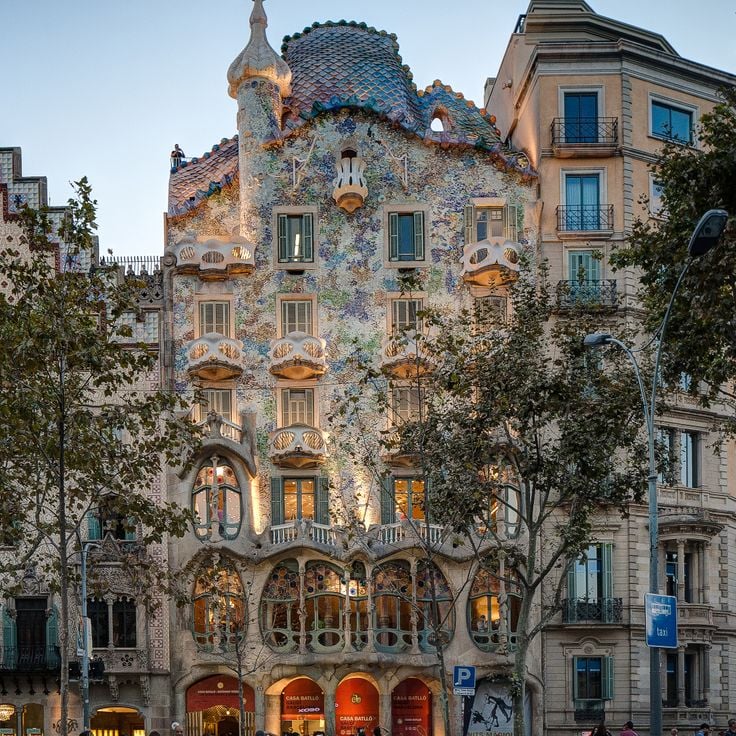
This residential building, remodeled between 1904 and 1906, showcases one of Antoni Gaudí's most distinctive facades in central Barcelona. The undulating stone facade combines glazed ceramic tiles in blue and green tones with wrought-iron balconies featuring organic shapes. The building demonstrates Gaudí's interpretation of the Art Nouveau movement through curved lines, natural motifs, and decorative elements that characterize European architecture of this period.
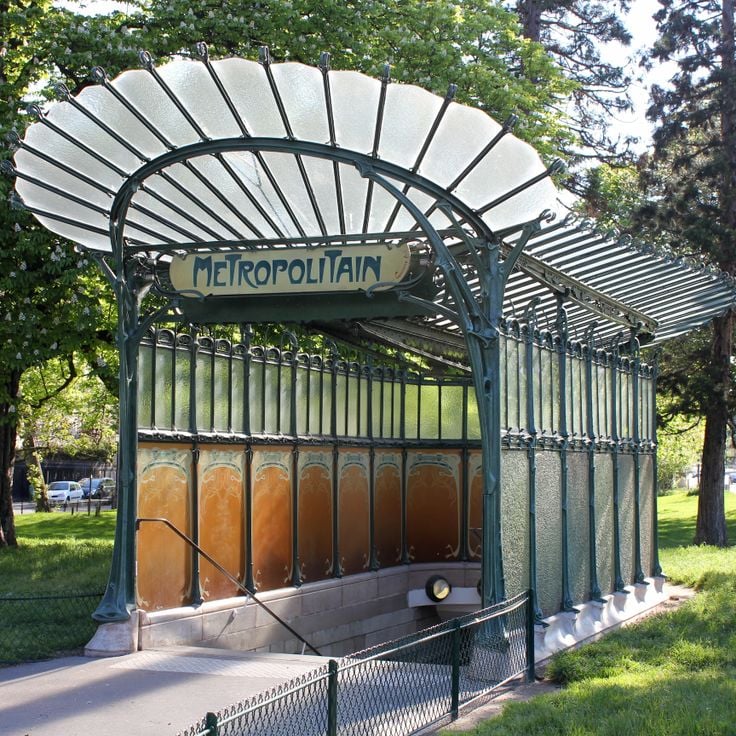
These entrances to the Paris Metro, designed by Hector Guimard between 1900 and 1912, represent some of the most recognizable examples of Art Nouveau in European architecture. The wrought iron structures display organic forms with curved lines and plant motifs characteristic of the movement during this period. Guimard created several models, ranging from simple balustrades to covered pavilions with green glass panels. Many of the original entrances were removed over the decades, but approximately 90 remain at various stations throughout the city. The surviving examples are now classified as historical monuments and continue to shape the streetscape of the French capital.
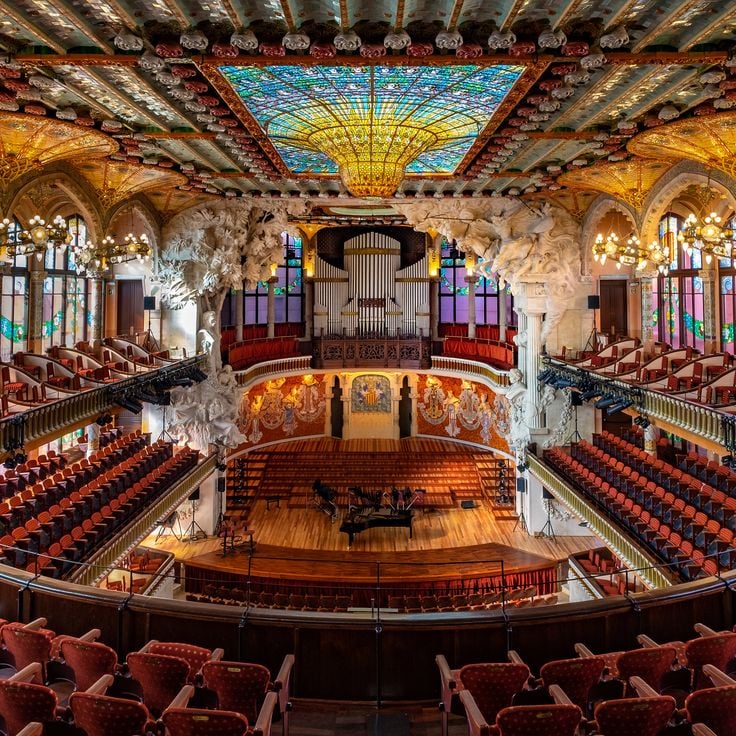
This concert hall built in 1908 by Lluís Domènech i Montaner demonstrates the defining characteristics of Art Nouveau architecture in Barcelona through its colored mosaics and stained glass windows. The Palau de la Música Catalana has served as a performance venue for over a century, combining structural innovation with decorative arts. The facade and interior spaces feature floral motifs, organic forms and detailed craftsmanship typical of the European movement between 1890 and 1910. The building continues to function as a major concert hall, illustrating the practical application of Art Nouveau principles in a public cultural space.
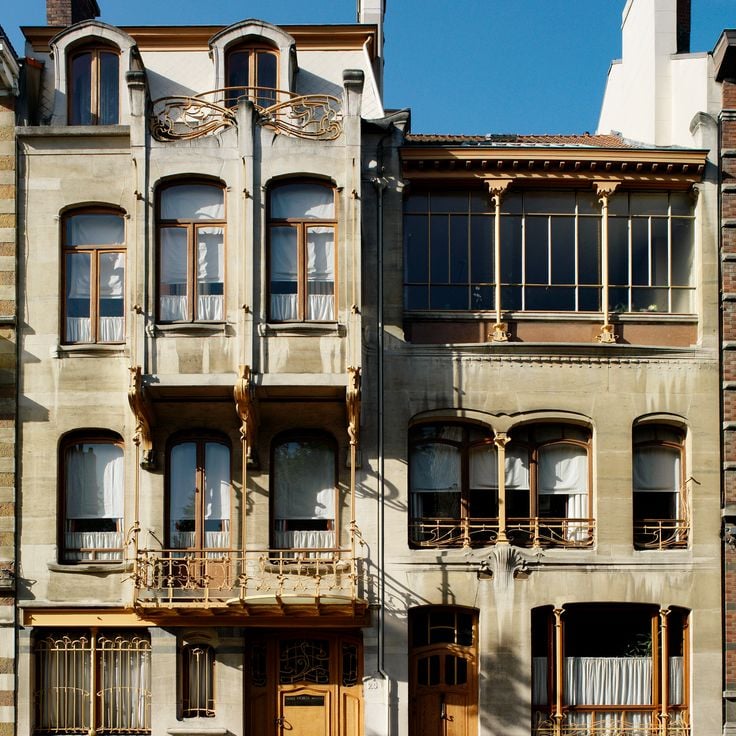
The Horta Museum occupies the former home and workshop of Belgian architect Victor Horta, one of the principal figures of Art Nouveau in Europe. This 1898 Brussels residence demonstrates Horta's characteristic curved lines, floral motifs, and integration of iron and glass into spatial design. The interior preserves original decorations and furniture, illustrating Horta's total art approach where architecture, furniture design, and decoration form a unified whole.
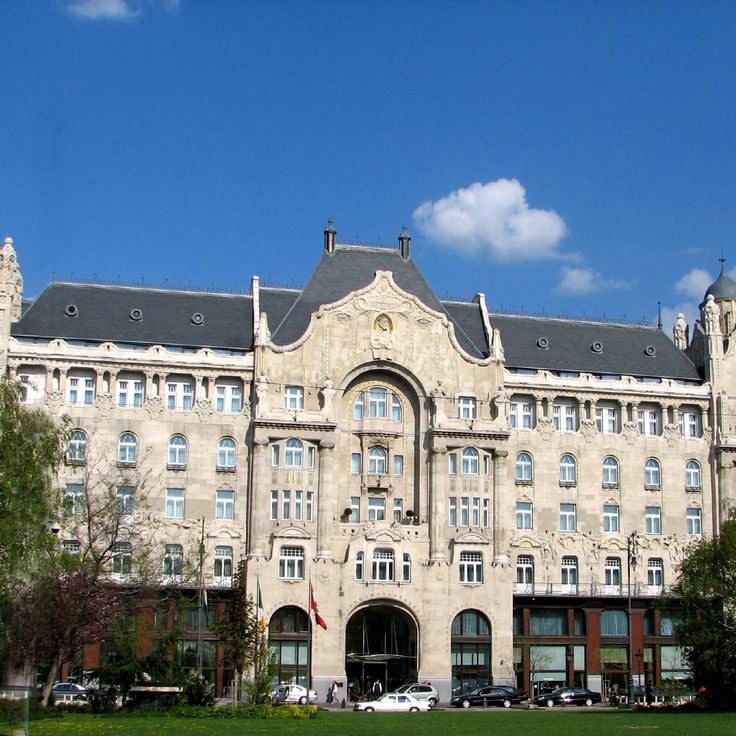
This palace in central Budapest was completed in 1906 and represents the architectural language of Art Nouveau that shaped European cities during the movement's peak years. The facade displays curved lines and floral ornaments characteristic of the style between 1890 and 1910. Mosaic work, wrought iron detailing and colored glass windows complement the decorative program. The building originally served commercial and residential purposes and ranks among the most significant Art Nouveau structures in the Hungarian capital today.
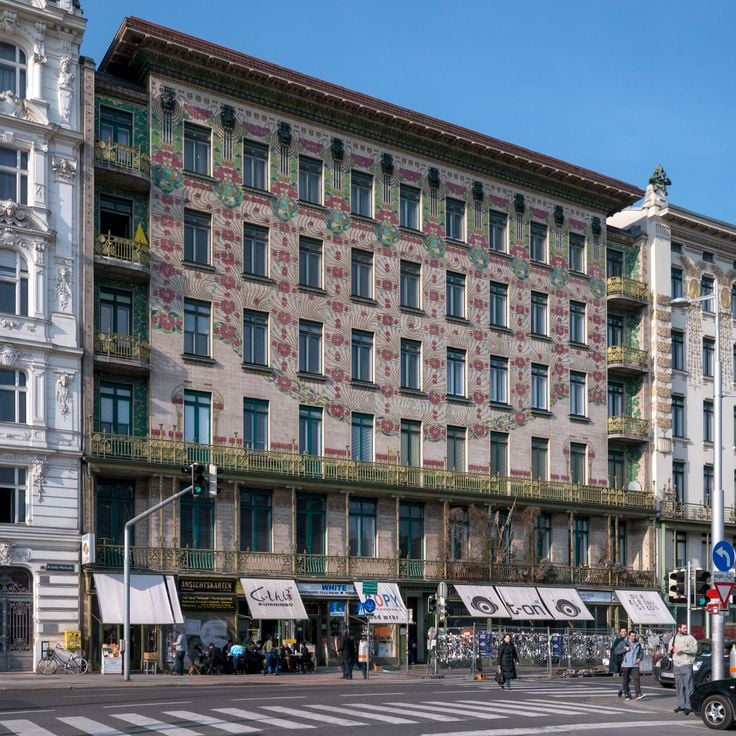
This residential building, designed by Otto Wagner in 1899, demonstrates the use of ceramic tiles as a defining feature of Viennese Art Nouveau. The facade incorporates majolica tiles in pink and green tones that form floral patterns. Wagner combined modern construction techniques with ornamental design, creating one of the most notable examples of residential architecture from this period. The ceramic decorations cover the front elevation and show the innovative connection between function and decorative arts that characterized European architecture at the turn of the twentieth century.
This hotel combines Art Nouveau elements with classical columns and symmetrical forms introduced to Prague architecture in 1889. The facade displays decorative metalwork and floral motifs characteristic of the Art Nouveau movement, while the structural arrangement maintains classical proportions. The building documents the transition between historicist and modernist tendencies in Central European architecture during the late 19th century, adding to this collection of European Art Nouveau buildings an early example of how traditional and emerging design approaches merged in Prague during the period when the movement began reshaping urban landscapes across the continent.
This building, erected between 1905 and 1912 on Republic Square, functions as a concert hall and ceremonial center for municipal events. The facade displays large mosaics by Karel Špillar, while the interior rooms contain frescoes by Alfons Mucha, metalwork by Ladislav Šaloun, and decorative details by numerous Czech artists from the Art Nouveau movement. The Smetana Hall accommodates more than 1,200 visitors and hosts classical concerts regularly. The building documents Prague's artistic development at the beginning of the twentieth century.
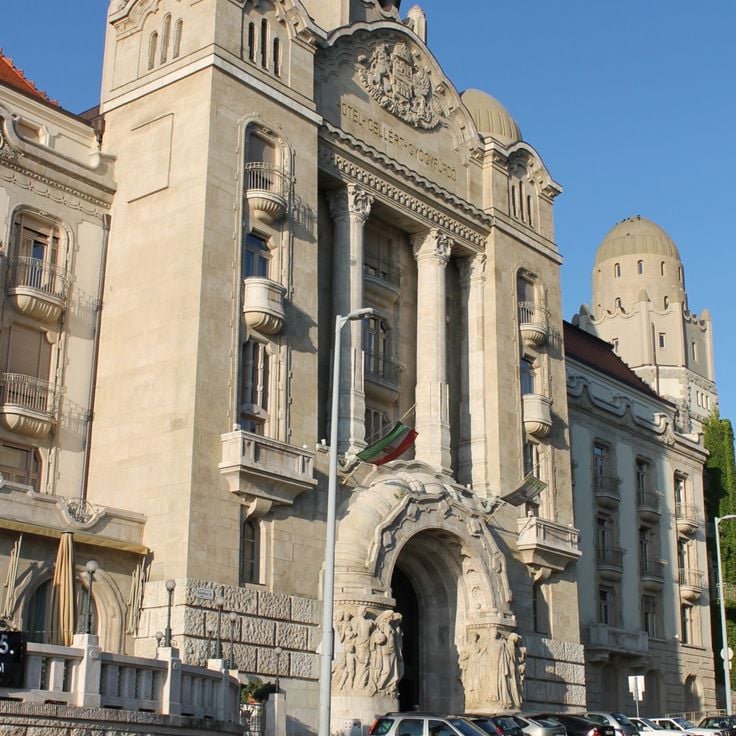
These thermal baths opened in 1918 and demonstrate how Art Nouveau principles shaped functional public buildings across Europe. The complex contains ten pools with different water temperatures beneath a glass roof that floods the interior with natural light. Mosaic work, ceramic tiles and wrought iron details display the curved lines and nature motifs characteristic of the movement that influenced European architecture from 1890 to 1910. The Gellért Baths represent one of Budapest's significant contributions to this architectural style, which transformed railway stations, museums and public facilities throughout the continent.
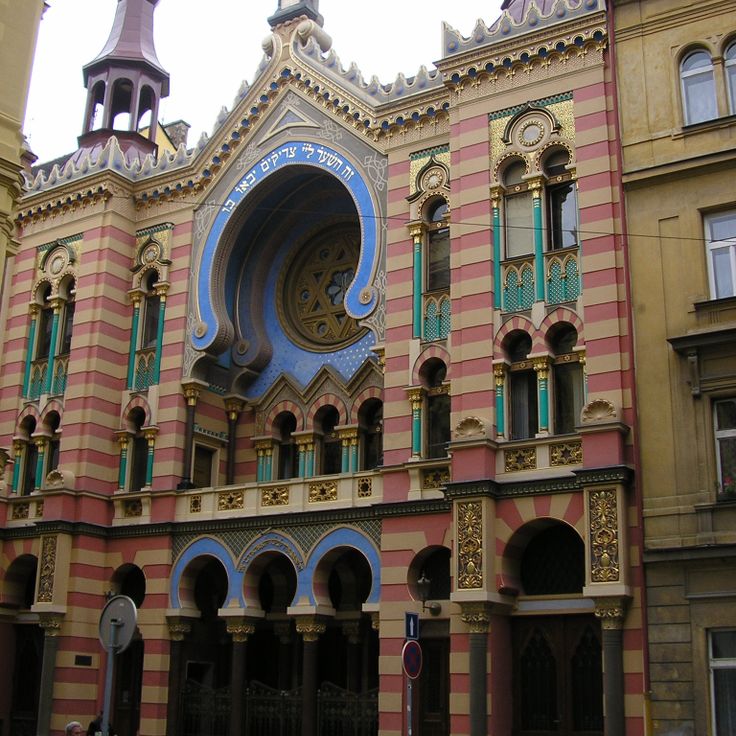
This synagogue was built in 1906 following plans by Wilhelm Stiassny and combines Moorish architecture with Art Nouveau elements. The facade displays oriental arches and geometric patterns, while colored glass windows inside break the light. With its characteristic dome and decorative ornaments, the Jubilee Synagogue represents the adaptation of religious architecture to the design principles of the period around 1900, when numerous buildings with nature-inspired motifs and artisanal details were constructed in Prague.
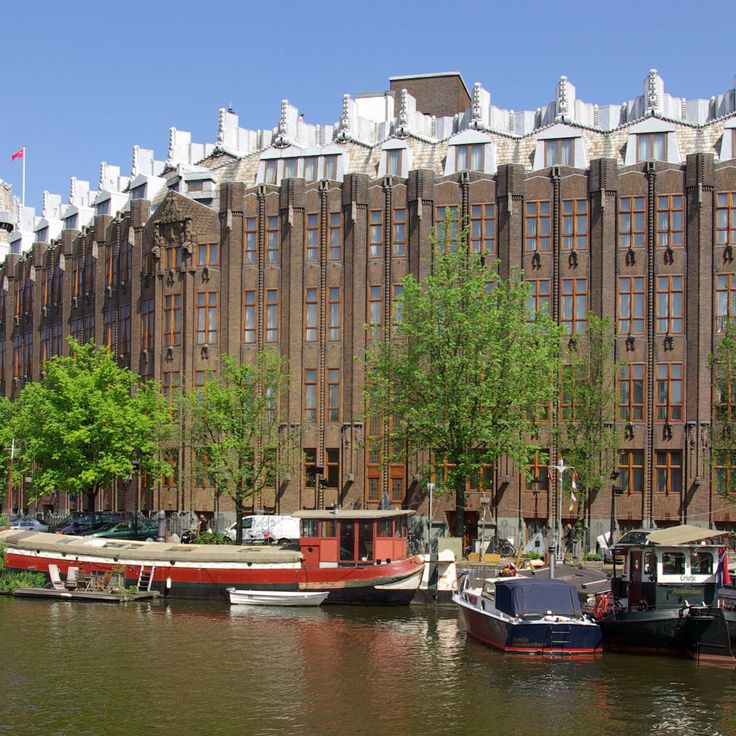
The Scheepvaarthuis was built in 1916 as headquarters for six shipping companies and displays maritime motifs in stone, glass and wrought iron. The facade combines the curved lines typical of Art Nouveau with nautical details including seahorses, waves and ship prow forms. As one of the first buildings fully realized in the Amsterdam School style, this structure documents the transition from Art Nouveau to the Amsterdam School and adds a significant Dutch example from the late phase of the movement to this European collection of Art Nouveau architecture.
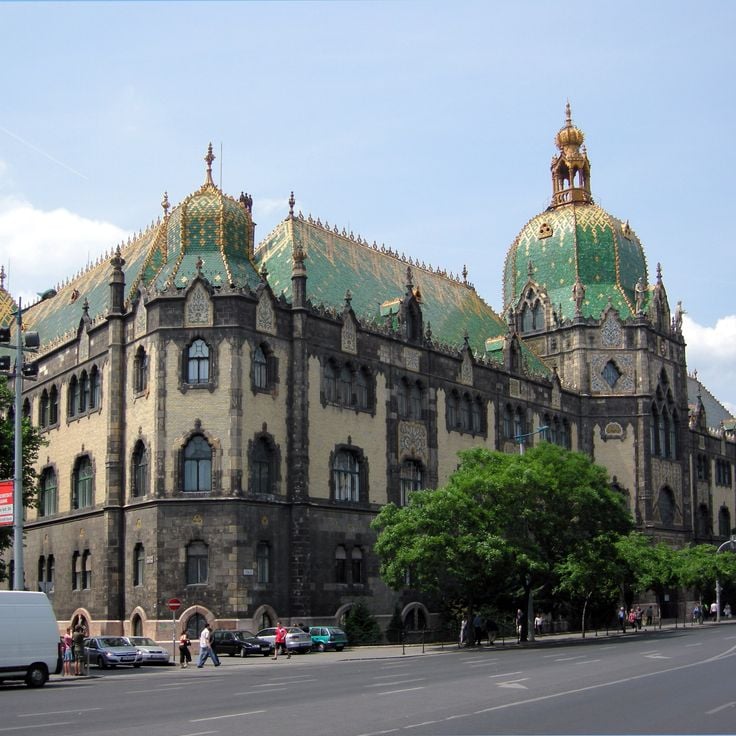
This museum opened in 1896 and displays a collection of ceramics, textiles and furniture representing the decorative arts heritage of Europe. The building itself embodies the Art Nouveau movement with a distinctive green tiled dome rising above the exhibition halls. The curved lines and nature inspired decorative elements of the facade make the museum a significant example of architecture from this period. The permanent collection documents the creative output of European artisans between 1890 and 1910 and offers insights into the decorative arts of the era.
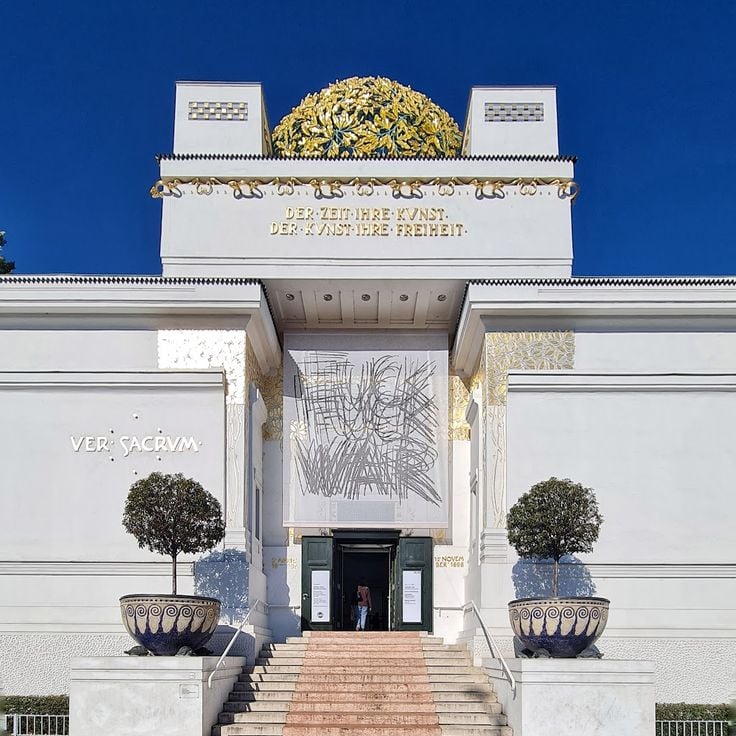
This exhibition hall was completed in 1898 as a center for the Austrian Secession movement, which broke away from established academic art forms. The white facade of the Secession Building contrasts with the gilded dome of laurel leaves that crowns the roof. Inside, the building displays works by artists who sought new forms of expression in the late nineteenth and early twentieth centuries. The functional design of the spaces allows for rotating exhibitions of modern and contemporary art.
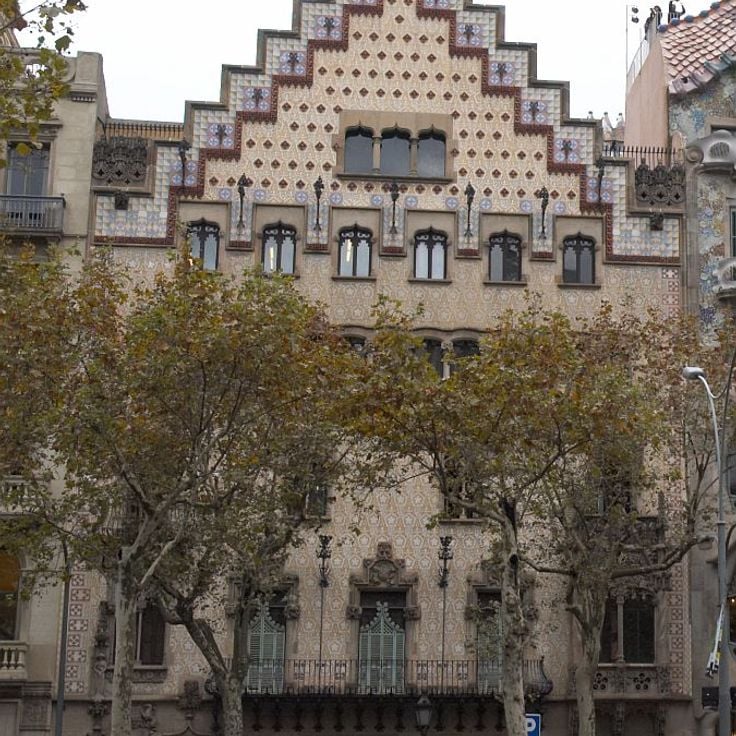
This residential building completed in 1900 combines Gothic and Dutch architectural elements with Catalan ceramic decorations and represents a significant example of Art Nouveau architecture in Barcelona. Casa Amatller displays characteristic features of the movement including organic forms and elaborate ornamental work on the facade. Architect Josep Puig i Cadafalch created a distinctive interpretation of Art Nouveau that merges traditional regional motifs with the design principles of the period between 1890 and 1910.
This villa in Reims displays the characteristic features of Art Nouveau through geometric patterns and floral motifs on its facade and interior spaces. Villa Demoiselle was designed in 1908 for the Cocq family and combines architecture typical of the Champagne region with the decorative elements of the period. The building documents the spread of Art Nouveau in French provincial cities between 1890 and 1910, where patrons and architects adapted the curved lines and nature motifs of the style for residential structures.
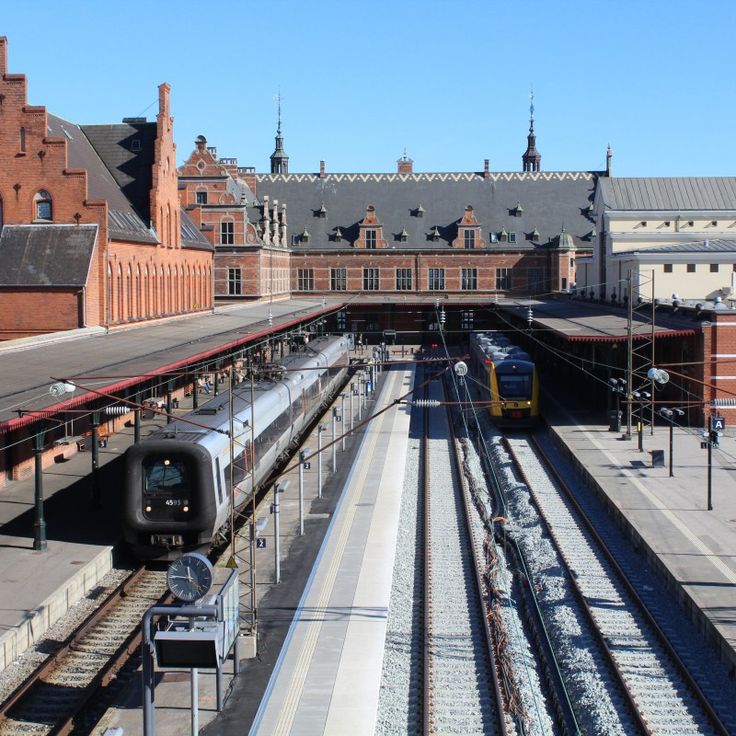
This railway station was completed in 1891 and combines Danish building traditions with French influences, making it an early example of Art Nouveau in Scandinavia. The facade displays decorative ironwork and curved lines characteristic of the movement. Elsinore Railway Station serves as a transit hub while preserving its historical elements from the 1890s, when Art Nouveau was spreading across Europe.
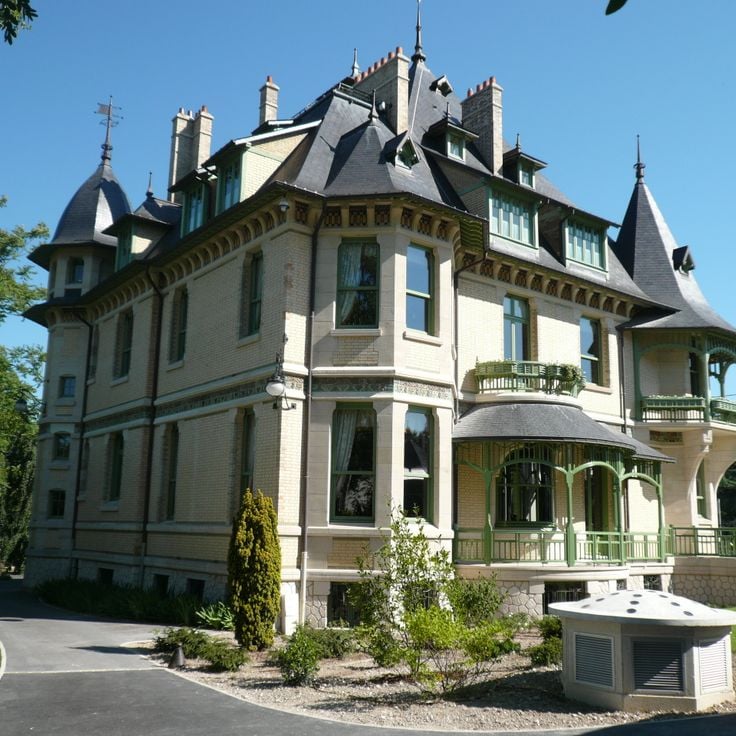
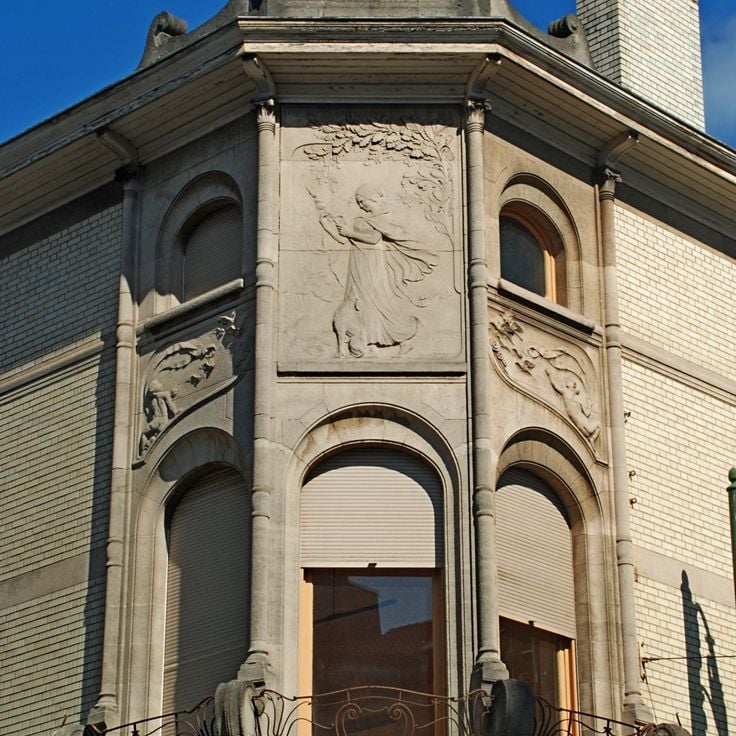
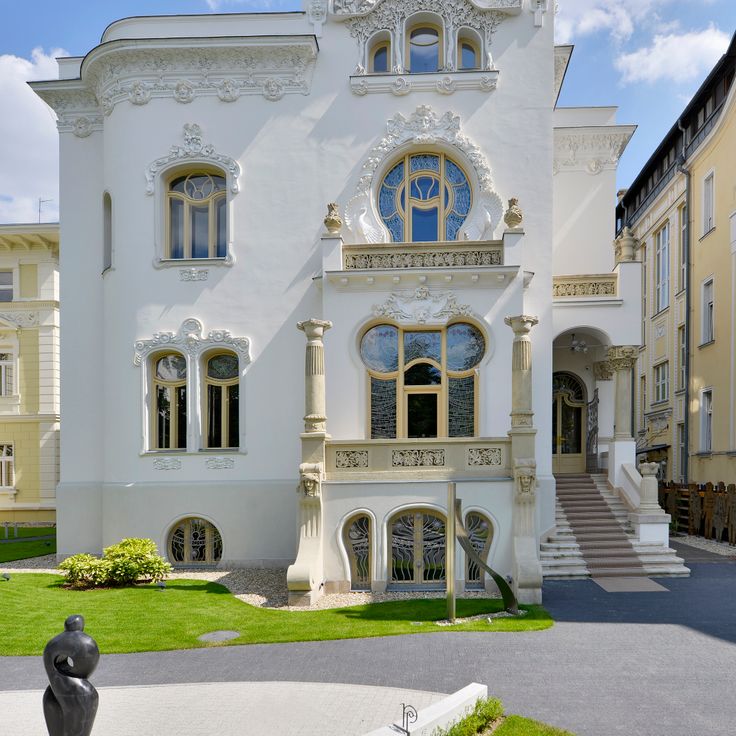
This 1902 townhouse represents Art Nouveau design in Brussels through decorative glass panels and wrought iron craftsmanship. Architect Jules Brunfaut designed the residence for industrialist Édouard Hannon, incorporating organic forms and botanical motifs throughout the facade and interior spaces. The polychrome stained glass windows were created by artist Raphaël Evaldre and feature nature-inspired imagery. Today the property functions as an exhibition venue for contemporary photography while preserving its original ornamental elements as part of this collection of European Art Nouveau architecture.
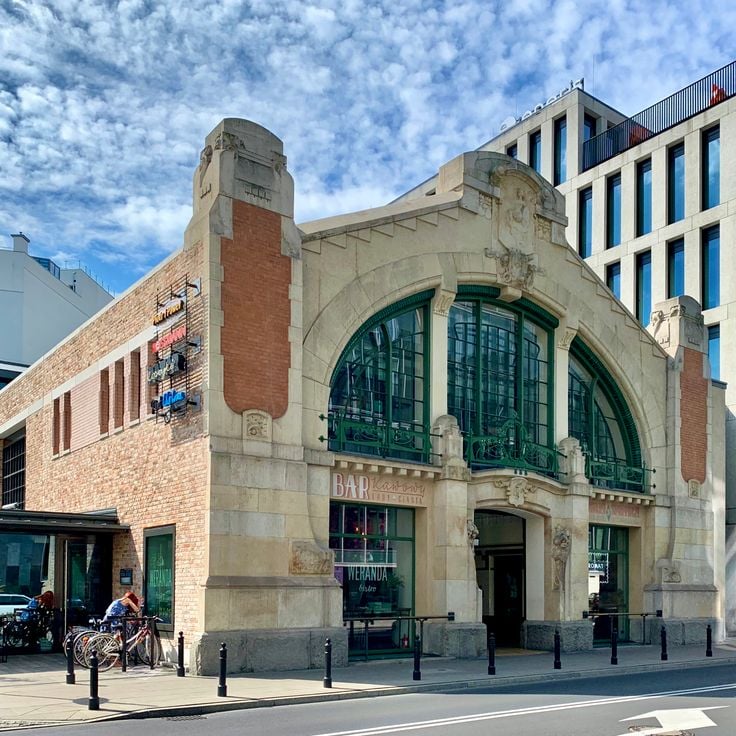
This market hall built in 1908 contributes to the collection of European Art Nouveau buildings that shaped architecture and applied arts between 1890 and 1910. The Wrocław structure combines vaulted arches with steel framework, displaying the characteristic blend of functional and decorative elements from the period. The building continues to operate as a food market, demonstrating the practical application of Art Nouveau principles in commercial architecture. The steel construction allows for expansive interior spaces while the vaulted forms reflect typical design characteristics of the era.
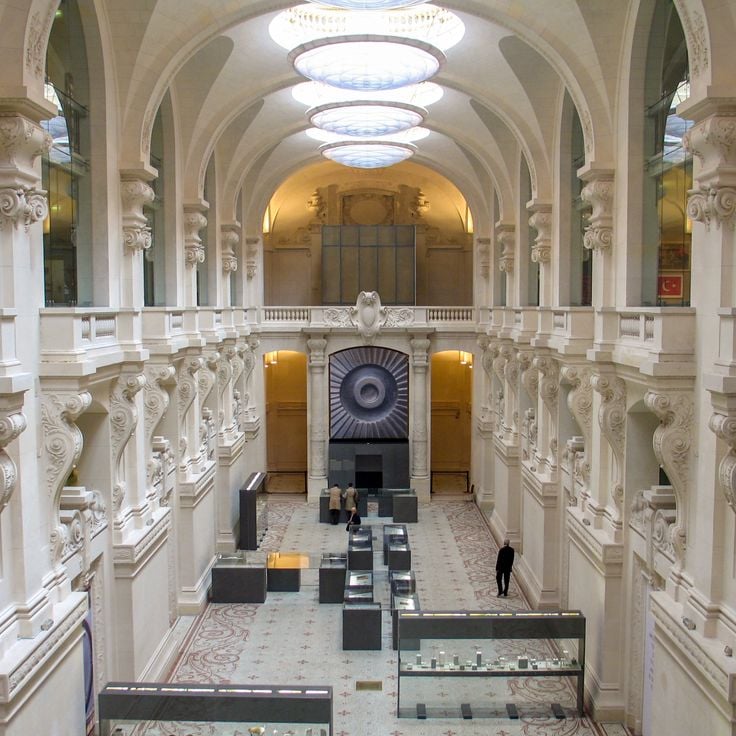
The Musée des Arts décoratifs in Paris holds an extensive collection of decorative and applied arts objects spanning several centuries. The museum displays furniture, textiles, and ceramics that document the development of craftsmanship and interior design across Europe. The works on view show the decorative trends that shaped European homes, public buildings, and commercial spaces between 1890 and 1910. The collection includes notable examples of Art Nouveau design.
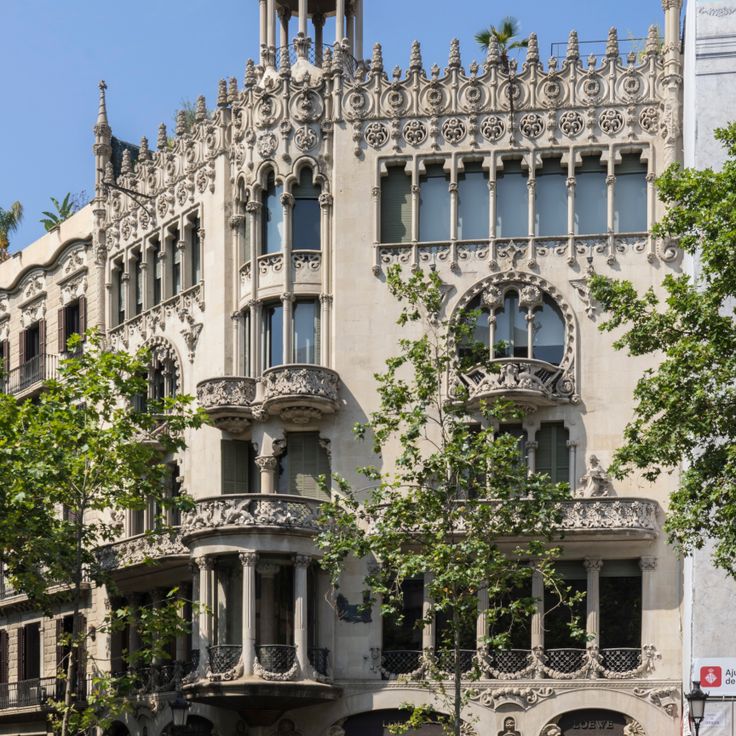
This 1905 renovated building on Passeig de Gràcia displays Art Nouveau elements with floral patterns and sculptural details on its facade. Casa Lleó Morera is part of a collection of significant Art Nouveau architecture across Europe and demonstrates the characteristic features of this movement through stonework and mosaics. The renovation was carried out by Lluís Domènech i Montaner, one of the leading Catalan Art Nouveau architects.
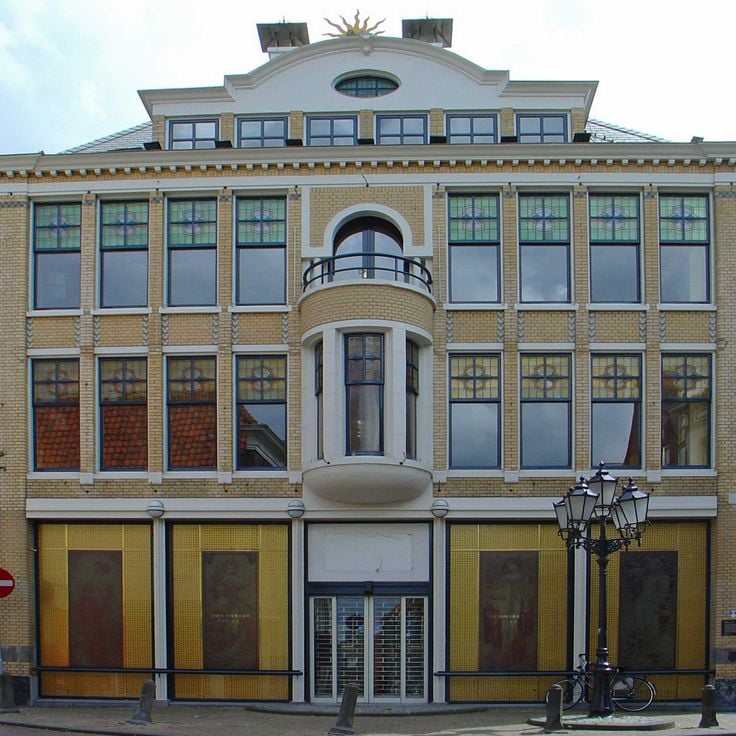
The Ten Warenhuis department store was built in 1906 from designs by Jan Willem Bosboom and shows the Dutch interpretation of the Art Nouveau movement through geometric ornaments and large glass surfaces. The facade combines the practical needs of a modern retail building with decorative elements typical of European Art Nouveau architecture between 1890 and 1910. This building documents how this architectural style was applied to commercial structures in The Hague and adds to the collection of European Art Nouveau architecture alongside train stations, museums, and villas.
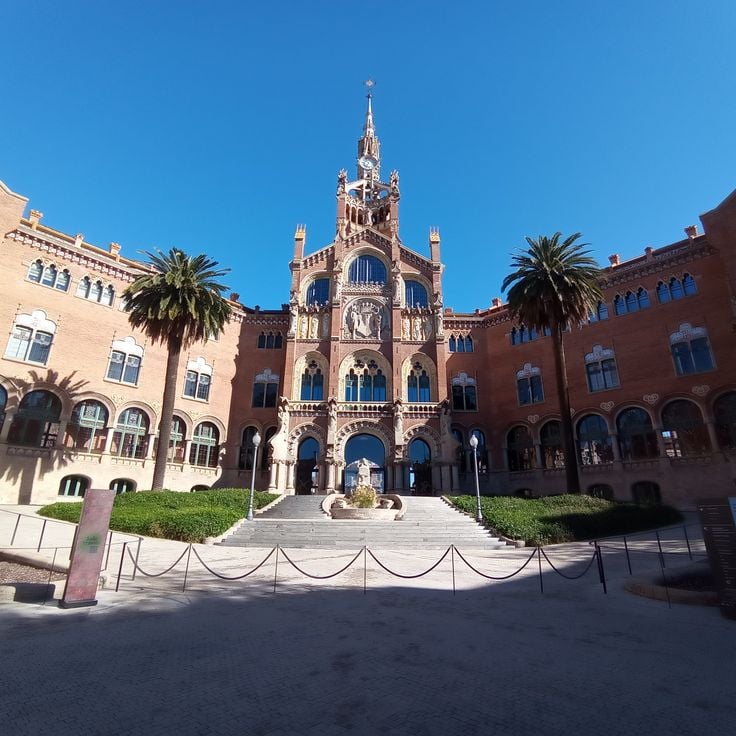
This hospital complex was built between 1902 and 1930 to designs by Lluís Domènech i Montaner and represents a defining example of Catalan Modernisme. The facility consists of several pavilions connected by underground passages and surrounded by gardens. The buildings feature colored ceramic tiles, stained glass windows and detailed stonework. Sant Pau Recinte Modernista functioned as a working hospital until 2009 and has been designated a UNESCO World Heritage site, confirming its place within European Art Nouveau architecture.
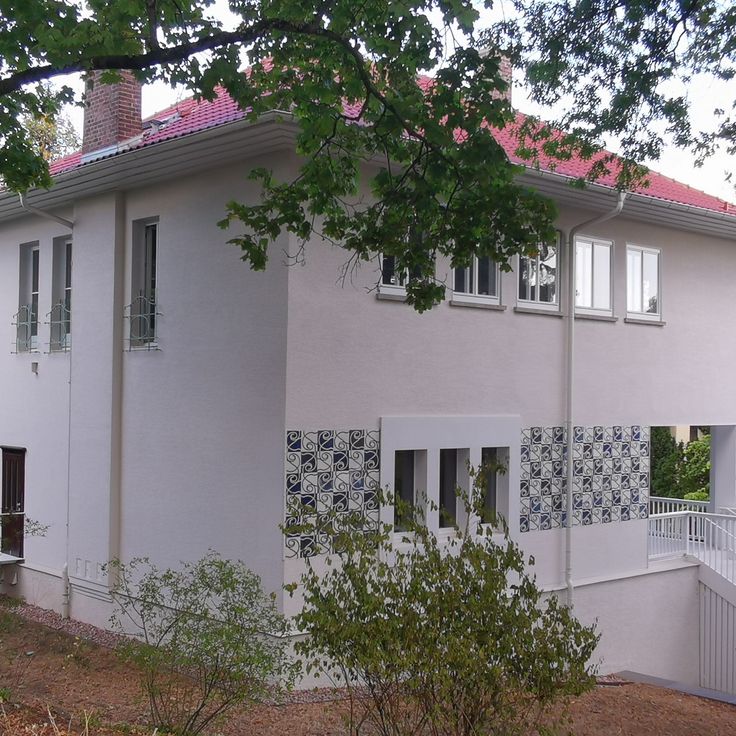
This residence from 1901 demonstrates Vienna Secession design within the Mathildenhöhe artists colony. Architect Joseph Maria Olbrich created the building with geometric decorations and clean lines. The facade combines functional structure with ornamental details. The house stands within the artists colony that Olbrich planned as an ensemble, comprising several buildings in the style of the European reform movement in architecture and decorative arts.
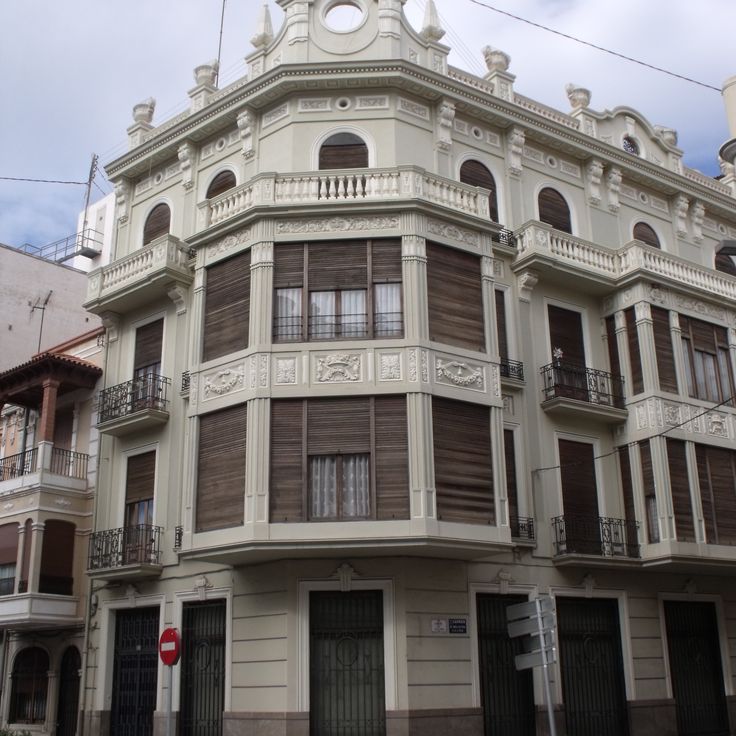
The Banco de Valencia demonstrates architectural features of the Spanish Art Nouveau movement from the early 20th century. Completed in 1903, this bank building incorporates marble columns, bronze metalwork and floral ornaments into its facade and interior spaces. The design follows the organic lines and nature motifs typical of this artistic direction. As a commercial structure in Valencia, it represents one of the architectural examples documenting Art Nouveau's influence on business buildings in Spain, combining the decorative principles of this period with functional requirements.
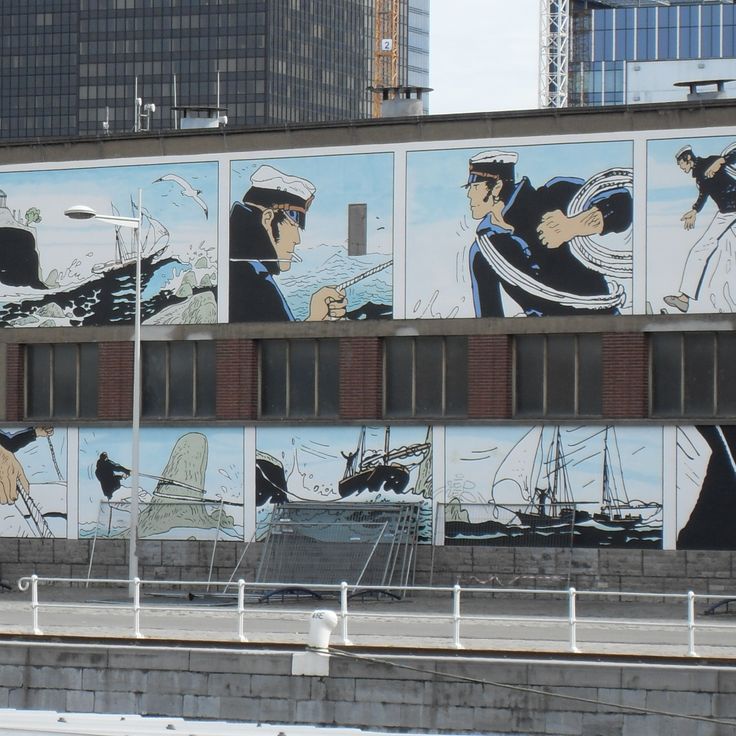
This walking route through the northern district displays large murals of Belgian comic characters painted on historical building facades. The route connects Art Nouveau architecture with Belgium's substantial comic tradition, passing through streets where works by Hergé, Morris and other artists mark the urban landscape. The murals were created from the 1990s onward as part of a downtown revitalization project and feature characters including Tintin, Lucky Luke and the Smurfs. This route encompasses more than 50 murals across a distance of approximately 4 miles (6 kilometers) and can be completed on foot in 2 to 3 hours.
This 1902 villa exemplifies Hungarian Art Nouveau with its geometric patterns, floral ornaments and colored ceramic tiles. The building represents the significant Art Nouveau architecture found in Kecskemét, a city noted for structures built between 1890 and 1910. The facade displays the curved lines and nature motifs characteristic of the period, while its decorative elements reflect Hungarian craft traditions. Kőrössy Villa demonstrates how Central European architects integrated organic forms with local design practices during the Art Nouveau movement that influenced railway stations, public baths, museums and residential buildings across the continent.
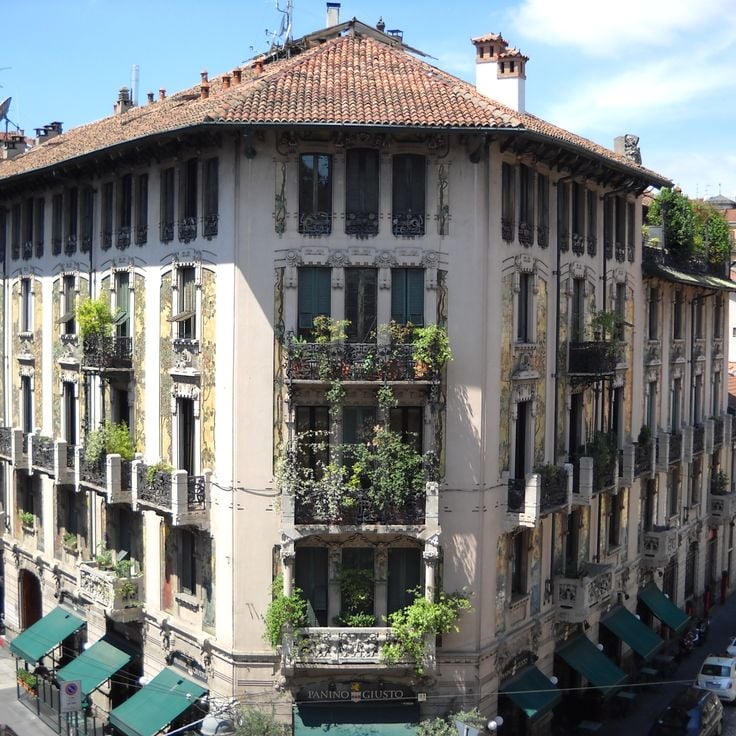
This residential building erected in 1905 displays the defining characteristics of European Art Nouveau architecture and decorative arts that spread across the continent between 1890 and 1910. The facade of Casa Galimberti combines floral ceramic decorations with wrought iron balconies and painted wall frescoes. The ornate front demonstrates the use of nature motifs and decorative elements typical of this movement, which shaped numerous buildings in Milan and other European cities during this period.
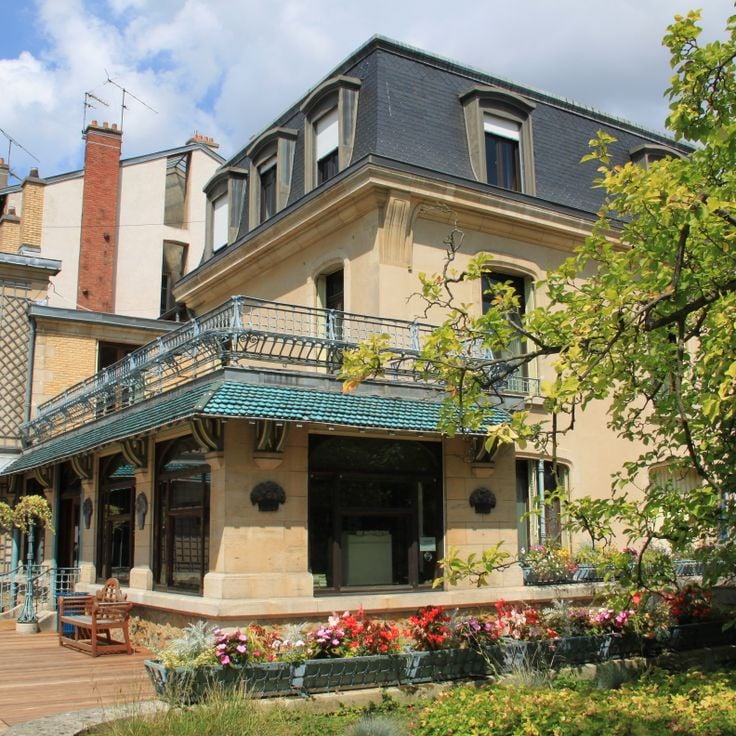
This museum in Nancy presents the work of the École de Nancy, a group of French craftsmen and designers active between 1890 and 1914. The collection includes furniture by Émile Gallé and Louis Majorelle, glassware, ceramics and jewelry. The exhibition rooms occupy an early twentieth century villa with a garden displaying plants used in Art Nouveau designs. The museum documents how this movement combined local craft traditions with modern industrial techniques and incorporated motifs from Lorraine flora into their work.
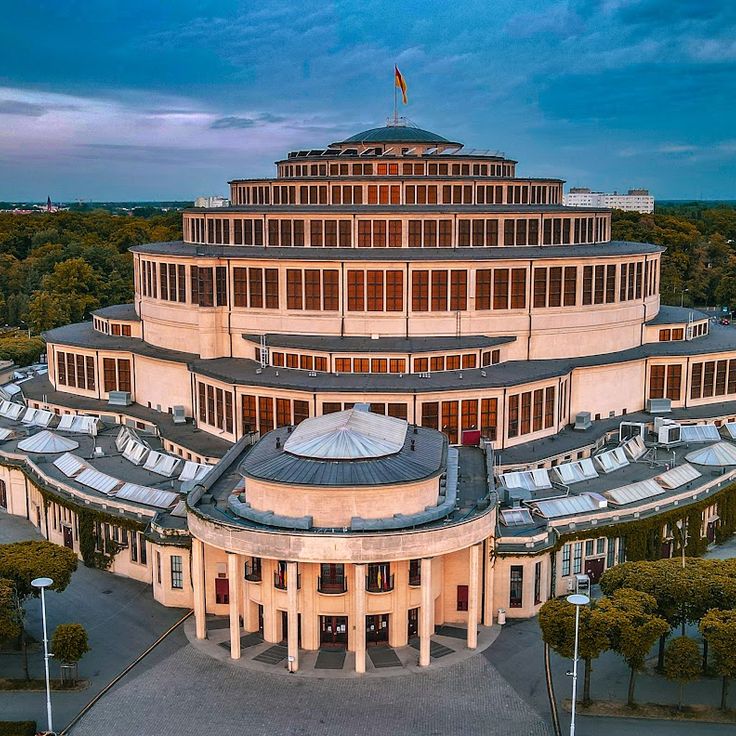
This 1913 hall demonstrates the application of reinforced concrete in early twentieth century monumental architecture. The dome spans 213 feet (65 meters) and ranked among the largest of its type worldwide at completion. The structure uses ribs and arches to distribute weight, showcasing engineering advances characteristic of Art Nouveau buildings across Europe. The construction served as an exhibition hall and accommodates approximately 7000 people. The hall represents the transition from traditional to modern construction methods.
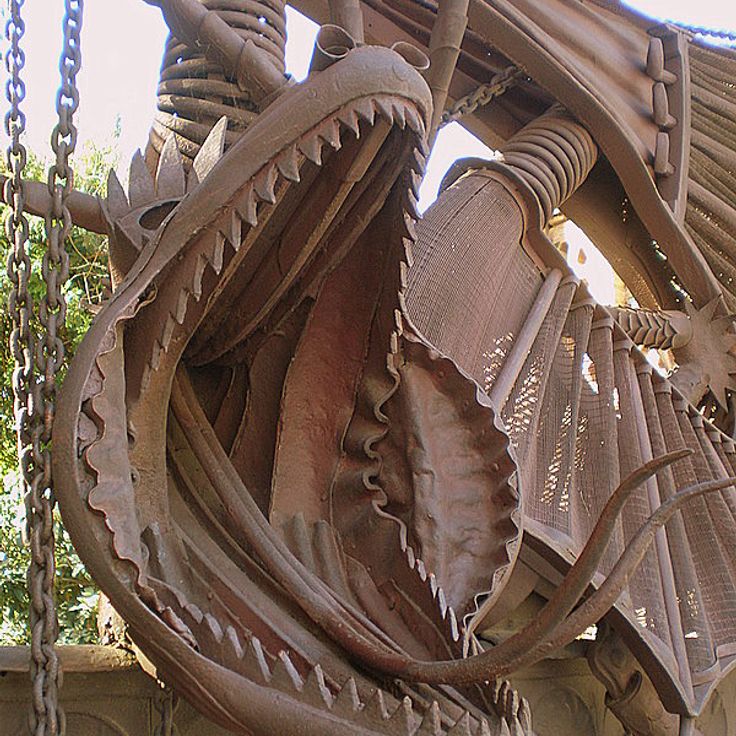
The Güell Pavilions comprise a complex of horse stables, a riding hall, and a porter lodge designed by Antoni Gaudí between 1884 and 1887 for industrialist Eusebi Güell. These early works by Gaudí already demonstrate characteristic elements of Catalan Modernisme through their use of parabolic arches, colored ceramic tiles, and wrought iron decorations. The entrance features a movable wrought iron dragon gate that references the mythological garden of the Hesperides. Originally serving the Güell family estate in Pedralbes, these structures illustrate the innovative integration of functionality with decorative nature motifs typical of the European Art Nouveau movement during this period.
This museum preserves an original pharmacy from 1900 featuring carved wooden decorations and complete interior furnishings from that era. The installation demonstrates the application of Art Nouveau principles to functional commercial spaces, showing how organic motifs and handcrafted details were integrated into everyday pharmacy operations. The ensemble belongs to a collection of European architecture and decorative arts that documents the style's influence between 1890 and 1910.
This museum preserves the collection of Miksa Róth, one of the leading Hungarian glass artists of the early 20th century. The exhibition displays his glass artworks, tools and personal items in the house where he lived and worked. The rooms offer insight into Art Nouveau stained glass techniques and document Róth's contribution to the decorative arts of this period in Budapest and beyond.
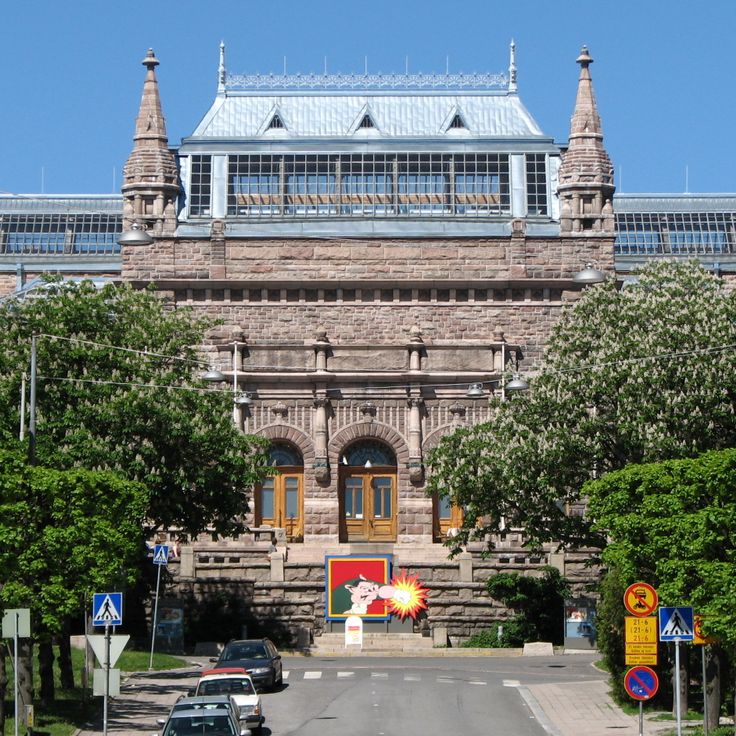
This museum presents Finnish art in a granite building that opened in 1904, combining Art Nouveau elements with Nordic decorative motifs. The collection includes works by Finnish artists and offers insight into the development of the national art scene from the 19th century to the present. The building itself merges traditional Finnish building materials with the decorative trends of Art Nouveau, which shaped European architecture and applied arts during this period.
This residential building, remodeled between 1904 and 1906, showcases one of Antoni Gaudí's most distinctive facades in central Barcelona. The undulating stone facade combines glazed ceramic tiles in blue and green tones with wrought-iron balconies featuring organic shapes. The building demonstrates Gaudí's interpretation of the Art Nouveau movement through curved lines, natural motifs, and decorative elements that characterize European architecture of this period.
These entrances to the Paris Metro, designed by Hector Guimard between 1900 and 1912, represent some of the most recognizable examples of Art Nouveau in European architecture. The wrought iron structures display organic forms with curved lines and plant motifs characteristic of the movement during this period. Guimard created several models, ranging from simple balustrades to covered pavilions with green glass panels. Many of the original entrances were removed over the decades, but approximately 90 remain at various stations throughout the city. The surviving examples are now classified as historical monuments and continue to shape the streetscape of the French capital.
This concert hall built in 1908 by Lluís Domènech i Montaner demonstrates the defining characteristics of Art Nouveau architecture in Barcelona through its colored mosaics and stained glass windows. The Palau de la Música Catalana has served as a performance venue for over a century, combining structural innovation with decorative arts. The facade and interior spaces feature floral motifs, organic forms and detailed craftsmanship typical of the European movement between 1890 and 1910. The building continues to function as a major concert hall, illustrating the practical application of Art Nouveau principles in a public cultural space.
The Horta Museum occupies the former home and workshop of Belgian architect Victor Horta, one of the principal figures of Art Nouveau in Europe. This 1898 Brussels residence demonstrates Horta's characteristic curved lines, floral motifs, and integration of iron and glass into spatial design. The interior preserves original decorations and furniture, illustrating Horta's total art approach where architecture, furniture design, and decoration form a unified whole.
This palace in central Budapest was completed in 1906 and represents the architectural language of Art Nouveau that shaped European cities during the movement's peak years. The facade displays curved lines and floral ornaments characteristic of the style between 1890 and 1910. Mosaic work, wrought iron detailing and colored glass windows complement the decorative program. The building originally served commercial and residential purposes and ranks among the most significant Art Nouveau structures in the Hungarian capital today.
This residential building, designed by Otto Wagner in 1899, demonstrates the use of ceramic tiles as a defining feature of Viennese Art Nouveau. The facade incorporates majolica tiles in pink and green tones that form floral patterns. Wagner combined modern construction techniques with ornamental design, creating one of the most notable examples of residential architecture from this period. The ceramic decorations cover the front elevation and show the innovative connection between function and decorative arts that characterized European architecture at the turn of the twentieth century.
This hotel combines Art Nouveau elements with classical columns and symmetrical forms introduced to Prague architecture in 1889. The facade displays decorative metalwork and floral motifs characteristic of the Art Nouveau movement, while the structural arrangement maintains classical proportions. The building documents the transition between historicist and modernist tendencies in Central European architecture during the late 19th century, adding to this collection of European Art Nouveau buildings an early example of how traditional and emerging design approaches merged in Prague during the period when the movement began reshaping urban landscapes across the continent.
This building, erected between 1905 and 1912 on Republic Square, functions as a concert hall and ceremonial center for municipal events. The facade displays large mosaics by Karel Špillar, while the interior rooms contain frescoes by Alfons Mucha, metalwork by Ladislav Šaloun, and decorative details by numerous Czech artists from the Art Nouveau movement. The Smetana Hall accommodates more than 1,200 visitors and hosts classical concerts regularly. The building documents Prague's artistic development at the beginning of the twentieth century.
These thermal baths opened in 1918 and demonstrate how Art Nouveau principles shaped functional public buildings across Europe. The complex contains ten pools with different water temperatures beneath a glass roof that floods the interior with natural light. Mosaic work, ceramic tiles and wrought iron details display the curved lines and nature motifs characteristic of the movement that influenced European architecture from 1890 to 1910. The Gellért Baths represent one of Budapest's significant contributions to this architectural style, which transformed railway stations, museums and public facilities throughout the continent.
This synagogue was built in 1906 following plans by Wilhelm Stiassny and combines Moorish architecture with Art Nouveau elements. The facade displays oriental arches and geometric patterns, while colored glass windows inside break the light. With its characteristic dome and decorative ornaments, the Jubilee Synagogue represents the adaptation of religious architecture to the design principles of the period around 1900, when numerous buildings with nature-inspired motifs and artisanal details were constructed in Prague.
The Scheepvaarthuis was built in 1916 as headquarters for six shipping companies and displays maritime motifs in stone, glass and wrought iron. The facade combines the curved lines typical of Art Nouveau with nautical details including seahorses, waves and ship prow forms. As one of the first buildings fully realized in the Amsterdam School style, this structure documents the transition from Art Nouveau to the Amsterdam School and adds a significant Dutch example from the late phase of the movement to this European collection of Art Nouveau architecture.
This museum opened in 1896 and displays a collection of ceramics, textiles and furniture representing the decorative arts heritage of Europe. The building itself embodies the Art Nouveau movement with a distinctive green tiled dome rising above the exhibition halls. The curved lines and nature inspired decorative elements of the facade make the museum a significant example of architecture from this period. The permanent collection documents the creative output of European artisans between 1890 and 1910 and offers insights into the decorative arts of the era.
This exhibition hall was completed in 1898 as a center for the Austrian Secession movement, which broke away from established academic art forms. The white facade of the Secession Building contrasts with the gilded dome of laurel leaves that crowns the roof. Inside, the building displays works by artists who sought new forms of expression in the late nineteenth and early twentieth centuries. The functional design of the spaces allows for rotating exhibitions of modern and contemporary art.
This residential building completed in 1900 combines Gothic and Dutch architectural elements with Catalan ceramic decorations and represents a significant example of Art Nouveau architecture in Barcelona. Casa Amatller displays characteristic features of the movement including organic forms and elaborate ornamental work on the facade. Architect Josep Puig i Cadafalch created a distinctive interpretation of Art Nouveau that merges traditional regional motifs with the design principles of the period between 1890 and 1910.
This villa in Reims displays the characteristic features of Art Nouveau through geometric patterns and floral motifs on its facade and interior spaces. Villa Demoiselle was designed in 1908 for the Cocq family and combines architecture typical of the Champagne region with the decorative elements of the period. The building documents the spread of Art Nouveau in French provincial cities between 1890 and 1910, where patrons and architects adapted the curved lines and nature motifs of the style for residential structures.
This railway station was completed in 1891 and combines Danish building traditions with French influences, making it an early example of Art Nouveau in Scandinavia. The facade displays decorative ironwork and curved lines characteristic of the movement. Elsinore Railway Station serves as a transit hub while preserving its historical elements from the 1890s, when Art Nouveau was spreading across Europe.
This 1902 townhouse represents Art Nouveau design in Brussels through decorative glass panels and wrought iron craftsmanship. Architect Jules Brunfaut designed the residence for industrialist Édouard Hannon, incorporating organic forms and botanical motifs throughout the facade and interior spaces. The polychrome stained glass windows were created by artist Raphaël Evaldre and feature nature-inspired imagery. Today the property functions as an exhibition venue for contemporary photography while preserving its original ornamental elements as part of this collection of European Art Nouveau architecture.
This market hall built in 1908 contributes to the collection of European Art Nouveau buildings that shaped architecture and applied arts between 1890 and 1910. The Wrocław structure combines vaulted arches with steel framework, displaying the characteristic blend of functional and decorative elements from the period. The building continues to operate as a food market, demonstrating the practical application of Art Nouveau principles in commercial architecture. The steel construction allows for expansive interior spaces while the vaulted forms reflect typical design characteristics of the era.
The Musée des Arts décoratifs in Paris holds an extensive collection of decorative and applied arts objects spanning several centuries. The museum displays furniture, textiles, and ceramics that document the development of craftsmanship and interior design across Europe. The works on view show the decorative trends that shaped European homes, public buildings, and commercial spaces between 1890 and 1910. The collection includes notable examples of Art Nouveau design.
This 1905 renovated building on Passeig de Gràcia displays Art Nouveau elements with floral patterns and sculptural details on its facade. Casa Lleó Morera is part of a collection of significant Art Nouveau architecture across Europe and demonstrates the characteristic features of this movement through stonework and mosaics. The renovation was carried out by Lluís Domènech i Montaner, one of the leading Catalan Art Nouveau architects.
The Ten Warenhuis department store was built in 1906 from designs by Jan Willem Bosboom and shows the Dutch interpretation of the Art Nouveau movement through geometric ornaments and large glass surfaces. The facade combines the practical needs of a modern retail building with decorative elements typical of European Art Nouveau architecture between 1890 and 1910. This building documents how this architectural style was applied to commercial structures in The Hague and adds to the collection of European Art Nouveau architecture alongside train stations, museums, and villas.
This hospital complex was built between 1902 and 1930 to designs by Lluís Domènech i Montaner and represents a defining example of Catalan Modernisme. The facility consists of several pavilions connected by underground passages and surrounded by gardens. The buildings feature colored ceramic tiles, stained glass windows and detailed stonework. Sant Pau Recinte Modernista functioned as a working hospital until 2009 and has been designated a UNESCO World Heritage site, confirming its place within European Art Nouveau architecture.
This residence from 1901 demonstrates Vienna Secession design within the Mathildenhöhe artists colony. Architect Joseph Maria Olbrich created the building with geometric decorations and clean lines. The facade combines functional structure with ornamental details. The house stands within the artists colony that Olbrich planned as an ensemble, comprising several buildings in the style of the European reform movement in architecture and decorative arts.
The Banco de Valencia demonstrates architectural features of the Spanish Art Nouveau movement from the early 20th century. Completed in 1903, this bank building incorporates marble columns, bronze metalwork and floral ornaments into its facade and interior spaces. The design follows the organic lines and nature motifs typical of this artistic direction. As a commercial structure in Valencia, it represents one of the architectural examples documenting Art Nouveau's influence on business buildings in Spain, combining the decorative principles of this period with functional requirements.
This walking route through the northern district displays large murals of Belgian comic characters painted on historical building facades. The route connects Art Nouveau architecture with Belgium's substantial comic tradition, passing through streets where works by Hergé, Morris and other artists mark the urban landscape. The murals were created from the 1990s onward as part of a downtown revitalization project and feature characters including Tintin, Lucky Luke and the Smurfs. This route encompasses more than 50 murals across a distance of approximately 4 miles (6 kilometers) and can be completed on foot in 2 to 3 hours.
This 1902 villa exemplifies Hungarian Art Nouveau with its geometric patterns, floral ornaments and colored ceramic tiles. The building represents the significant Art Nouveau architecture found in Kecskemét, a city noted for structures built between 1890 and 1910. The facade displays the curved lines and nature motifs characteristic of the period, while its decorative elements reflect Hungarian craft traditions. Kőrössy Villa demonstrates how Central European architects integrated organic forms with local design practices during the Art Nouveau movement that influenced railway stations, public baths, museums and residential buildings across the continent.
This residential building erected in 1905 displays the defining characteristics of European Art Nouveau architecture and decorative arts that spread across the continent between 1890 and 1910. The facade of Casa Galimberti combines floral ceramic decorations with wrought iron balconies and painted wall frescoes. The ornate front demonstrates the use of nature motifs and decorative elements typical of this movement, which shaped numerous buildings in Milan and other European cities during this period.
This museum in Nancy presents the work of the École de Nancy, a group of French craftsmen and designers active between 1890 and 1914. The collection includes furniture by Émile Gallé and Louis Majorelle, glassware, ceramics and jewelry. The exhibition rooms occupy an early twentieth century villa with a garden displaying plants used in Art Nouveau designs. The museum documents how this movement combined local craft traditions with modern industrial techniques and incorporated motifs from Lorraine flora into their work.
This 1913 hall demonstrates the application of reinforced concrete in early twentieth century monumental architecture. The dome spans 213 feet (65 meters) and ranked among the largest of its type worldwide at completion. The structure uses ribs and arches to distribute weight, showcasing engineering advances characteristic of Art Nouveau buildings across Europe. The construction served as an exhibition hall and accommodates approximately 7000 people. The hall represents the transition from traditional to modern construction methods.
The Güell Pavilions comprise a complex of horse stables, a riding hall, and a porter lodge designed by Antoni Gaudí between 1884 and 1887 for industrialist Eusebi Güell. These early works by Gaudí already demonstrate characteristic elements of Catalan Modernisme through their use of parabolic arches, colored ceramic tiles, and wrought iron decorations. The entrance features a movable wrought iron dragon gate that references the mythological garden of the Hesperides. Originally serving the Güell family estate in Pedralbes, these structures illustrate the innovative integration of functionality with decorative nature motifs typical of the European Art Nouveau movement during this period.
This museum preserves an original pharmacy from 1900 featuring carved wooden decorations and complete interior furnishings from that era. The installation demonstrates the application of Art Nouveau principles to functional commercial spaces, showing how organic motifs and handcrafted details were integrated into everyday pharmacy operations. The ensemble belongs to a collection of European architecture and decorative arts that documents the style's influence between 1890 and 1910.
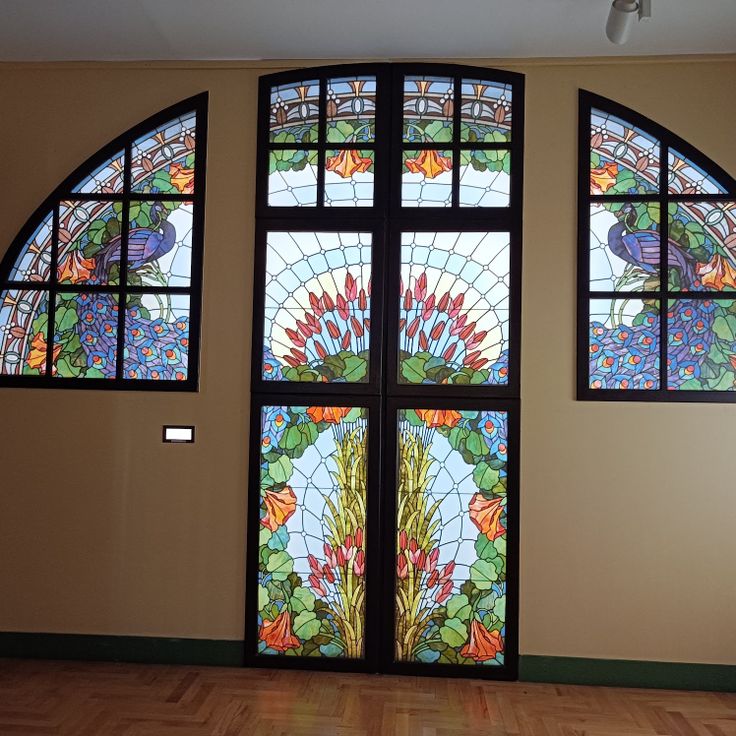
This museum preserves the collection of Miksa Róth, one of the leading Hungarian glass artists of the early 20th century. The exhibition displays his glass artworks, tools and personal items in the house where he lived and worked. The rooms offer insight into Art Nouveau stained glass techniques and document Róth's contribution to the decorative arts of this period in Budapest and beyond.
This museum presents Finnish art in a granite building that opened in 1904, combining Art Nouveau elements with Nordic decorative motifs. The collection includes works by Finnish artists and offers insight into the development of the national art scene from the 19th century to the present. The building itself merges traditional Finnish building materials with the decorative trends of Art Nouveau, which shaped European architecture and applied arts during this period.
This residential building, remodeled between 1904 and 1906, showcases one of Antoni Gaudí's most distinctive facades in central Barcelona. The undulating stone facade combines glazed ceramic tiles in blue and green tones with wrought-iron balconies featuring organic shapes. The building demonstrates Gaudí's interpretation of the Art Nouveau movement through curved lines, natural motifs, and decorative elements that characterize European architecture of this period.
These entrances to the Paris Metro, designed by Hector Guimard between 1900 and 1912, represent some of the most recognizable examples of Art Nouveau in European architecture. The wrought iron structures display organic forms with curved lines and plant motifs characteristic of the movement during this period. Guimard created several models, ranging from simple balustrades to covered pavilions with green glass panels. Many of the original entrances were removed over the decades, but approximately 90 remain at various stations throughout the city. The surviving examples are now classified as historical monuments and continue to shape the streetscape of the French capital.
This concert hall built in 1908 by Lluís Domènech i Montaner demonstrates the defining characteristics of Art Nouveau architecture in Barcelona through its colored mosaics and stained glass windows. The Palau de la Música Catalana has served as a performance venue for over a century, combining structural innovation with decorative arts. The facade and interior spaces feature floral motifs, organic forms and detailed craftsmanship typical of the European movement between 1890 and 1910. The building continues to function as a major concert hall, illustrating the practical application of Art Nouveau principles in a public cultural space.
The Horta Museum occupies the former home and workshop of Belgian architect Victor Horta, one of the principal figures of Art Nouveau in Europe. This 1898 Brussels residence demonstrates Horta's characteristic curved lines, floral motifs, and integration of iron and glass into spatial design. The interior preserves original decorations and furniture, illustrating Horta's total art approach where architecture, furniture design, and decoration form a unified whole.
This palace in central Budapest was completed in 1906 and represents the architectural language of Art Nouveau that shaped European cities during the movement's peak years. The facade displays curved lines and floral ornaments characteristic of the style between 1890 and 1910. Mosaic work, wrought iron detailing and colored glass windows complement the decorative program. The building originally served commercial and residential purposes and ranks among the most significant Art Nouveau structures in the Hungarian capital today.
This residential building, designed by Otto Wagner in 1899, demonstrates the use of ceramic tiles as a defining feature of Viennese Art Nouveau. The facade incorporates majolica tiles in pink and green tones that form floral patterns. Wagner combined modern construction techniques with ornamental design, creating one of the most notable examples of residential architecture from this period. The ceramic decorations cover the front elevation and show the innovative connection between function and decorative arts that characterized European architecture at the turn of the twentieth century.
This hotel combines Art Nouveau elements with classical columns and symmetrical forms introduced to Prague architecture in 1889. The facade displays decorative metalwork and floral motifs characteristic of the Art Nouveau movement, while the structural arrangement maintains classical proportions. The building documents the transition between historicist and modernist tendencies in Central European architecture during the late 19th century, adding to this collection of European Art Nouveau buildings an early example of how traditional and emerging design approaches merged in Prague during the period when the movement began reshaping urban landscapes across the continent.
This building, erected between 1905 and 1912 on Republic Square, functions as a concert hall and ceremonial center for municipal events. The facade displays large mosaics by Karel Špillar, while the interior rooms contain frescoes by Alfons Mucha, metalwork by Ladislav Šaloun, and decorative details by numerous Czech artists from the Art Nouveau movement. The Smetana Hall accommodates more than 1,200 visitors and hosts classical concerts regularly. The building documents Prague's artistic development at the beginning of the twentieth century.
These thermal baths opened in 1918 and demonstrate how Art Nouveau principles shaped functional public buildings across Europe. The complex contains ten pools with different water temperatures beneath a glass roof that floods the interior with natural light. Mosaic work, ceramic tiles and wrought iron details display the curved lines and nature motifs characteristic of the movement that influenced European architecture from 1890 to 1910. The Gellért Baths represent one of Budapest's significant contributions to this architectural style, which transformed railway stations, museums and public facilities throughout the continent.
This synagogue was built in 1906 following plans by Wilhelm Stiassny and combines Moorish architecture with Art Nouveau elements. The facade displays oriental arches and geometric patterns, while colored glass windows inside break the light. With its characteristic dome and decorative ornaments, the Jubilee Synagogue represents the adaptation of religious architecture to the design principles of the period around 1900, when numerous buildings with nature-inspired motifs and artisanal details were constructed in Prague.
The Scheepvaarthuis was built in 1916 as headquarters for six shipping companies and displays maritime motifs in stone, glass and wrought iron. The facade combines the curved lines typical of Art Nouveau with nautical details including seahorses, waves and ship prow forms. As one of the first buildings fully realized in the Amsterdam School style, this structure documents the transition from Art Nouveau to the Amsterdam School and adds a significant Dutch example from the late phase of the movement to this European collection of Art Nouveau architecture.
This museum opened in 1896 and displays a collection of ceramics, textiles and furniture representing the decorative arts heritage of Europe. The building itself embodies the Art Nouveau movement with a distinctive green tiled dome rising above the exhibition halls. The curved lines and nature inspired decorative elements of the facade make the museum a significant example of architecture from this period. The permanent collection documents the creative output of European artisans between 1890 and 1910 and offers insights into the decorative arts of the era.
This exhibition hall was completed in 1898 as a center for the Austrian Secession movement, which broke away from established academic art forms. The white facade of the Secession Building contrasts with the gilded dome of laurel leaves that crowns the roof. Inside, the building displays works by artists who sought new forms of expression in the late nineteenth and early twentieth centuries. The functional design of the spaces allows for rotating exhibitions of modern and contemporary art.
This residential building completed in 1900 combines Gothic and Dutch architectural elements with Catalan ceramic decorations and represents a significant example of Art Nouveau architecture in Barcelona. Casa Amatller displays characteristic features of the movement including organic forms and elaborate ornamental work on the facade. Architect Josep Puig i Cadafalch created a distinctive interpretation of Art Nouveau that merges traditional regional motifs with the design principles of the period between 1890 and 1910.
This villa in Reims displays the characteristic features of Art Nouveau through geometric patterns and floral motifs on its facade and interior spaces. Villa Demoiselle was designed in 1908 for the Cocq family and combines architecture typical of the Champagne region with the decorative elements of the period. The building documents the spread of Art Nouveau in French provincial cities between 1890 and 1910, where patrons and architects adapted the curved lines and nature motifs of the style for residential structures.
This railway station was completed in 1891 and combines Danish building traditions with French influences, making it an early example of Art Nouveau in Scandinavia. The facade displays decorative ironwork and curved lines characteristic of the movement. Elsinore Railway Station serves as a transit hub while preserving its historical elements from the 1890s, when Art Nouveau was spreading across Europe.
This 1902 townhouse represents Art Nouveau design in Brussels through decorative glass panels and wrought iron craftsmanship. Architect Jules Brunfaut designed the residence for industrialist Édouard Hannon, incorporating organic forms and botanical motifs throughout the facade and interior spaces. The polychrome stained glass windows were created by artist Raphaël Evaldre and feature nature-inspired imagery. Today the property functions as an exhibition venue for contemporary photography while preserving its original ornamental elements as part of this collection of European Art Nouveau architecture.
This market hall built in 1908 contributes to the collection of European Art Nouveau buildings that shaped architecture and applied arts between 1890 and 1910. The Wrocław structure combines vaulted arches with steel framework, displaying the characteristic blend of functional and decorative elements from the period. The building continues to operate as a food market, demonstrating the practical application of Art Nouveau principles in commercial architecture. The steel construction allows for expansive interior spaces while the vaulted forms reflect typical design characteristics of the era.
The Musée des Arts décoratifs in Paris holds an extensive collection of decorative and applied arts objects spanning several centuries. The museum displays furniture, textiles, and ceramics that document the development of craftsmanship and interior design across Europe. The works on view show the decorative trends that shaped European homes, public buildings, and commercial spaces between 1890 and 1910. The collection includes notable examples of Art Nouveau design.
This 1905 renovated building on Passeig de Gràcia displays Art Nouveau elements with floral patterns and sculptural details on its facade. Casa Lleó Morera is part of a collection of significant Art Nouveau architecture across Europe and demonstrates the characteristic features of this movement through stonework and mosaics. The renovation was carried out by Lluís Domènech i Montaner, one of the leading Catalan Art Nouveau architects.
The Ten Warenhuis department store was built in 1906 from designs by Jan Willem Bosboom and shows the Dutch interpretation of the Art Nouveau movement through geometric ornaments and large glass surfaces. The facade combines the practical needs of a modern retail building with decorative elements typical of European Art Nouveau architecture between 1890 and 1910. This building documents how this architectural style was applied to commercial structures in The Hague and adds to the collection of European Art Nouveau architecture alongside train stations, museums, and villas.
This hospital complex was built between 1902 and 1930 to designs by Lluís Domènech i Montaner and represents a defining example of Catalan Modernisme. The facility consists of several pavilions connected by underground passages and surrounded by gardens. The buildings feature colored ceramic tiles, stained glass windows and detailed stonework. Sant Pau Recinte Modernista functioned as a working hospital until 2009 and has been designated a UNESCO World Heritage site, confirming its place within European Art Nouveau architecture.
This residence from 1901 demonstrates Vienna Secession design within the Mathildenhöhe artists colony. Architect Joseph Maria Olbrich created the building with geometric decorations and clean lines. The facade combines functional structure with ornamental details. The house stands within the artists colony that Olbrich planned as an ensemble, comprising several buildings in the style of the European reform movement in architecture and decorative arts.
The Banco de Valencia demonstrates architectural features of the Spanish Art Nouveau movement from the early 20th century. Completed in 1903, this bank building incorporates marble columns, bronze metalwork and floral ornaments into its facade and interior spaces. The design follows the organic lines and nature motifs typical of this artistic direction. As a commercial structure in Valencia, it represents one of the architectural examples documenting Art Nouveau's influence on business buildings in Spain, combining the decorative principles of this period with functional requirements.
This walking route through the northern district displays large murals of Belgian comic characters painted on historical building facades. The route connects Art Nouveau architecture with Belgium's substantial comic tradition, passing through streets where works by Hergé, Morris and other artists mark the urban landscape. The murals were created from the 1990s onward as part of a downtown revitalization project and feature characters including Tintin, Lucky Luke and the Smurfs. This route encompasses more than 50 murals across a distance of approximately 4 miles (6 kilometers) and can be completed on foot in 2 to 3 hours.
This 1902 villa exemplifies Hungarian Art Nouveau with its geometric patterns, floral ornaments and colored ceramic tiles. The building represents the significant Art Nouveau architecture found in Kecskemét, a city noted for structures built between 1890 and 1910. The facade displays the curved lines and nature motifs characteristic of the period, while its decorative elements reflect Hungarian craft traditions. Kőrössy Villa demonstrates how Central European architects integrated organic forms with local design practices during the Art Nouveau movement that influenced railway stations, public baths, museums and residential buildings across the continent.
This residential building erected in 1905 displays the defining characteristics of European Art Nouveau architecture and decorative arts that spread across the continent between 1890 and 1910. The facade of Casa Galimberti combines floral ceramic decorations with wrought iron balconies and painted wall frescoes. The ornate front demonstrates the use of nature motifs and decorative elements typical of this movement, which shaped numerous buildings in Milan and other European cities during this period.
This museum in Nancy presents the work of the École de Nancy, a group of French craftsmen and designers active between 1890 and 1914. The collection includes furniture by Émile Gallé and Louis Majorelle, glassware, ceramics and jewelry. The exhibition rooms occupy an early twentieth century villa with a garden displaying plants used in Art Nouveau designs. The museum documents how this movement combined local craft traditions with modern industrial techniques and incorporated motifs from Lorraine flora into their work.
This 1913 hall demonstrates the application of reinforced concrete in early twentieth century monumental architecture. The dome spans 213 feet (65 meters) and ranked among the largest of its type worldwide at completion. The structure uses ribs and arches to distribute weight, showcasing engineering advances characteristic of Art Nouveau buildings across Europe. The construction served as an exhibition hall and accommodates approximately 7000 people. The hall represents the transition from traditional to modern construction methods.
The Güell Pavilions comprise a complex of horse stables, a riding hall, and a porter lodge designed by Antoni Gaudí between 1884 and 1887 for industrialist Eusebi Güell. These early works by Gaudí already demonstrate characteristic elements of Catalan Modernisme through their use of parabolic arches, colored ceramic tiles, and wrought iron decorations. The entrance features a movable wrought iron dragon gate that references the mythological garden of the Hesperides. Originally serving the Güell family estate in Pedralbes, these structures illustrate the innovative integration of functionality with decorative nature motifs typical of the European Art Nouveau movement during this period.
This museum preserves an original pharmacy from 1900 featuring carved wooden decorations and complete interior furnishings from that era. The installation demonstrates the application of Art Nouveau principles to functional commercial spaces, showing how organic motifs and handcrafted details were integrated into everyday pharmacy operations. The ensemble belongs to a collection of European architecture and decorative arts that documents the style's influence between 1890 and 1910.
This museum preserves the collection of Miksa Róth, one of the leading Hungarian glass artists of the early 20th century. The exhibition displays his glass artworks, tools and personal items in the house where he lived and worked. The rooms offer insight into Art Nouveau stained glass techniques and document Róth's contribution to the decorative arts of this period in Budapest and beyond.
This museum presents Finnish art in a granite building that opened in 1904, combining Art Nouveau elements with Nordic decorative motifs. The collection includes works by Finnish artists and offers insight into the development of the national art scene from the 19th century to the present. The building itself merges traditional Finnish building materials with the decorative trends of Art Nouveau, which shaped European architecture and applied arts during this period.