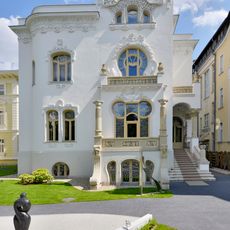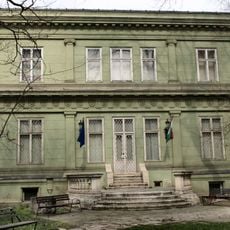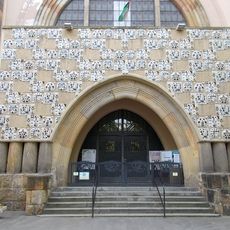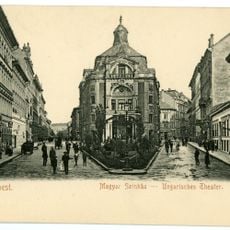
Róth Museum, Art and house museum in Erzsébetváros district, Budapest, Hungary
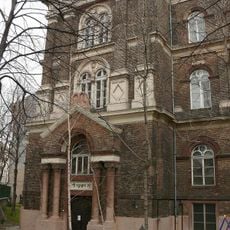
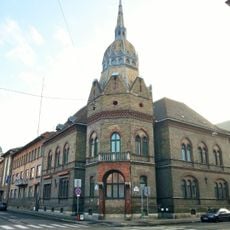
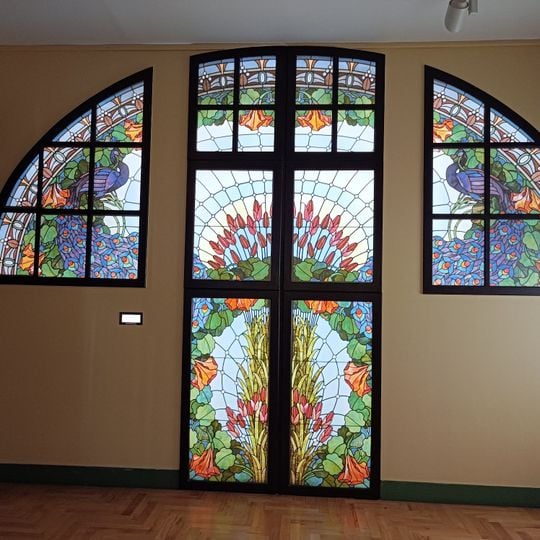
The Róth Museum occupies the house and workshop that Miksa Róth, a leading figure of Hungarian stained glass and mosaic art, used from 1911 to 1944. The street building at Nefelejcs utca 26 was rebuilt by architect Samu Pecz, who added a three-storey workshop block in the courtyard. The first floor holds the flat museum and Róth's stained glass and mosaic works; the ground floor has a temporary exhibition hall and the Róth Salon.
Artist Miksa Róth acquired the building in 1911 and used it as his studio and residence. The house was converted into a museum in 1999 and opened to the public following his legacy.
The museum keeps the family name tied to the house: after nationalisation three upstairs rooms were left to Róth Miksa's widow Walla Jozefa and their children Erzsébet, Amália and József. The family gave the father's legacy to Erzsébetváros partly through the mediation of Ráday Mihály, and the memorial house opened in November 1999. Since autumn 2015 the former workshop building has shown works by Róth's pupils and followers.
The museum occupies two buildings around an inner courtyard: the street building holds the flat museum and temporary exhibitions, while the former workshop stands at the back. The permanent displays are on the first floor, reached by stairs, and the attic houses offices and storage rather than exhibition rooms.
The courtyard workshop building gained a first-floor exhibition in autumn 2015 showing works by Miksa Róth's pupils and followers. The street building's ground floor opened in September 2005 with a temporary exhibition hall and the "Róth Salon", created from Róth's former study.
The community of curious travelers
AroundUs brings together thousands of curated places, local tips, and hidden gems, enriched daily by 94,152 contributors worldwide.