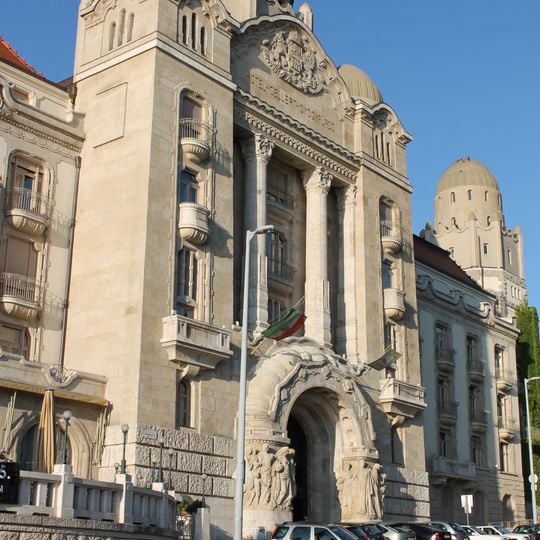
Gellért Baths, Thermal bath in Budapest District XI, Hungary
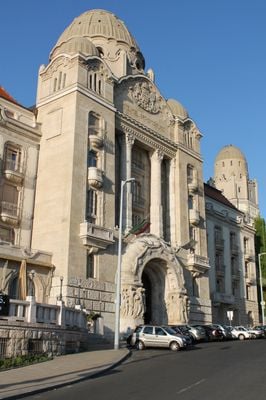
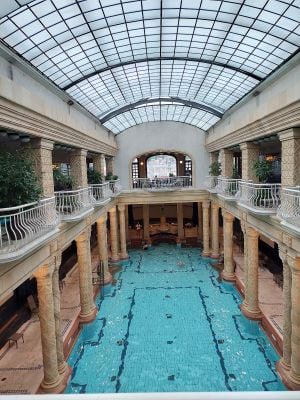
Gellért Baths is a thermal facility featuring Art Nouveau architecture with multiple indoor and outdoor pools where the water reaches temperatures up to 40 degrees Celsius (104 degrees Fahrenheit). The complex includes pools of varying sizes and depths, wellness zones, relaxation areas, and specialized treatment services throughout the grounds.
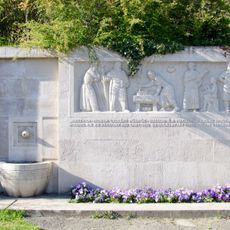
King Andrew II founded a hospital and bath here in the 13th century. Under Ottoman rule the Acsik Ilidzse bath stood on the site, later called Sárosfürdő for the mineral mud settling in its pools. The present complex, designed by Artúr Sebestyén, Ármin Hegedűs and Izidor Sterk, was built in 1912–1918; Russian prisoners of war worked on it in the last year of World War I.
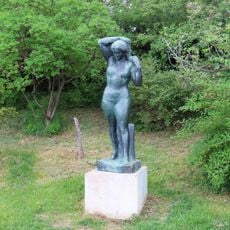
The bath was long known as Sárosfürdő, "muddy bath", for the fine mineral mud settling on the pool floors. Its ten stained-glass windows, made in Miksa Róth's workshop after cartoons by Vince Hende, show scenes from János Arany's "The Death of Buda". At the end of the main hall stands Adolf Huszár's Venus statue.
The baths closed in October 2025 for refurbishment, with reopening planned for 2028, so check before travelling. The complex sits at Szent Gellért tér 1 in Buda, in the same building as the Danubius Hotel Gellért, with the main entrance off Kelenhegyi út. Towels and swimsuits can be bought inside, as renting is no longer allowed. Entry costs more at weekends and on holidays than on workdays.
The site features an outdoor wave pool built in the 1920s, making it one of the earliest examples of artificial wave technology in European thermal baths. This playful pool remains an unusual feature among traditional thermal facilities in the region.
The community of curious travelers
AroundUs brings together thousands of curated places, local tips, and hidden gems, enriched daily by 92,633 contributors worldwide.