Canal de Marseille, Major water supply canal in Provence, France.
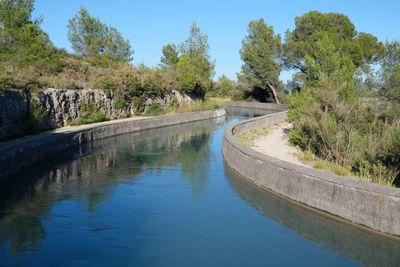
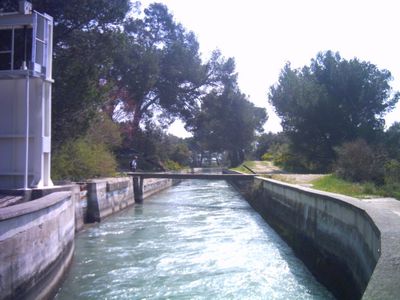
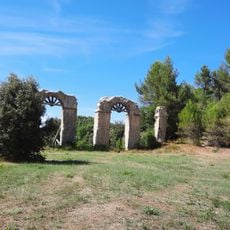
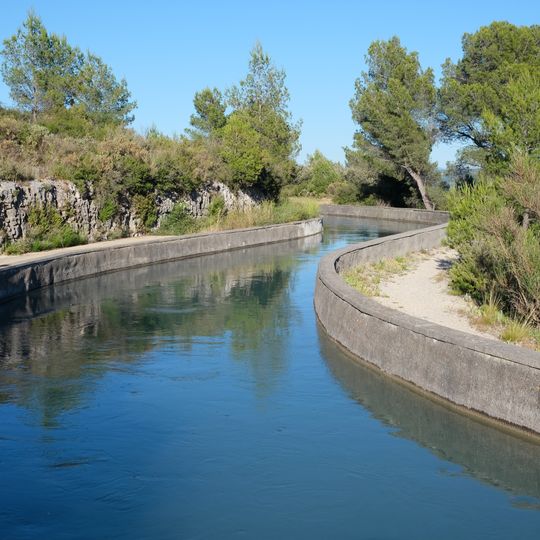
Canal de Marseille is a water conduit extending roughly 84 kilometers across Provence, with some sections underground and others visible as bridges and aqueducts. The system includes the notable Roquefavour aqueduct and numerous crossing structures built to carry water over valleys and obstacles.
Engineer Franz Mayor de Montricher oversaw construction between 1839 and 1854 to bring water from distant sources to resolve Marseille's severe water shortage. This project represented a major shift in how the city could access water for its growing needs.
The waterway has shaped how people in the region depend on irrigation for their gardens and farms. Locals grew up seeing it as essential infrastructure woven into the landscape they live in.
The system still supplies about two-thirds of Marseille's water demand and works alongside the Canal de Provence built later. Walking along visible sections offers a good sense of the infrastructure, especially near the aqueduct crossings.
Beyond the main canal, a network of roughly 160 kilometers of smaller distribution channels branches out to serve local farms and gardens. This secondary system quietly transformed agricultural practice across the region by making consistent irrigation possible for thousands of plots.
The community of curious travelers
AroundUs brings together thousands of curated places, local tips, and hidden gems, enriched daily by 91,662 contributors worldwide.