Citadel of Besançon, Citadel on Mount Saint-Étienne, Besançon, France
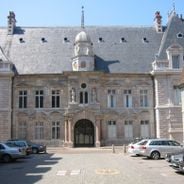
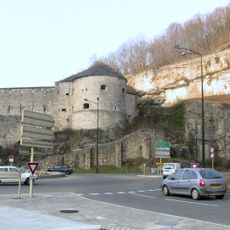
The Citadel of Besançon is a fortress on Mount Saint-Étienne, 130 metres above the Doubs. Its three successive bastions, built on a rectangular field, are enclosed by walls 15 to 20 metres high and 5 to 6 metres thick, with rounded parapets of brick and pale stone. A small structure with a curved green copper roof and a white flagpole stands at the top.
The first stone was laid on 29 September 1668, while Besançon belonged to the Spanish Crown; the Spaniards built the Royal and Relief fronts under Prosper-Ambroise de Precipiano. After the Treaty of Nijmegen of 1678 attached Franche-Comté to France, Louis XIV had Vauban continue the work until 1711. The fortress later served as a garrison, an arms depot, a military prison, and a site of Resistance executions between 1941 and 1944.
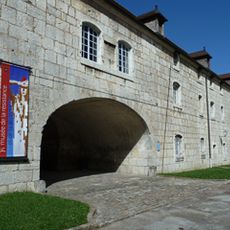
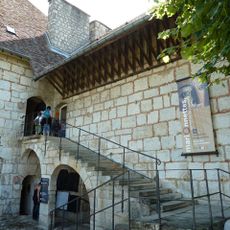
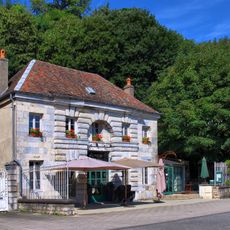
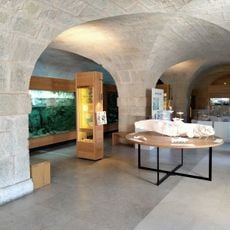
The three museums on site are the Musée de la Résistance et de la Déportation, the Musée comtois and the Muséum, which holds a zoo, an aquarium, an insectarium, a noctarium and a naturalium. The Resistance museum occupies a former military prison where resistants were executed between 1941 and 1944.
The site covers 11 hectares on Mount Saint-Étienne, over 100 metres above the old town, so allow several hours and wear sturdy shoes for the slopes and stairs. The grounds are largely outdoors and exposed; bring water and sun protection in summer. The citadel is a paid monument with museums, a restaurant and a shop on site.
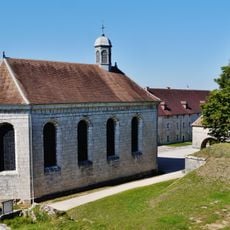
The citadel walls reach 15 to 20 metres high and 5 to 6 metres thick. In front of the Saint-Étienne front, a sloping grassy glacis gave defenders a clear view of any approach; an underpass along the cliff let them retreat to the Royal Front.
The community of curious travelers
AroundUs brings together thousands of curated places, local tips, and hidden gems, enriched daily by 93,398 contributors worldwide.