See the monuments around you in AROpen chests in the app
Around Us is built for your phone — point your camera at the streets and discover the monuments and places around you in augmented reality.Around Us is built for your phone — chests unlock when you walk, explore and capture nearby places.
Besançon displays 2000 years of architectural history. The city is dominated by the Vauban Citadel, a UNESCO World Heritage site that overlooks the old town. In the center stand important buildings such as Saint-Jean Cathedral with its astronomical clock, Granvelle Palace with the Museum of Time, and numerous civil, religious, and military structures from the Middle Ages through the 19th century. Squares, parks, and the banks of the Doubs complement this architectural collection.
Visitors to Besançon will find places from different periods and purposes. The Citadel offers views across the city, while the narrow streets of the old center invite you to walk through time. Churches like Saint-Pierre and Saint-Ferjeux show the city's religious past, while the Palace of Justice and other buildings reveal its civic history. Gates like the Porte Noire and towers such as Pelote Tower mark the city's boundaries and skyline.
The city has other sides to explore. Parks like Micaud Park provide space for walking, and the banks of the Doubs with its canals offer places to pause and observe. Museums cover different aspects of local history, from art to resistance during difficult periods. Besançon is a place where you can wander and discover without feeling rushed.
Besançon displays 2000 years of architectural history. The city is dominated by the Vauban Citadel, a UNESCO World Heritage site that overlooks the old town. In the center stand important buildings such as Saint-Jean Cathedral with its astronomical clock, Granvelle Palace with the Museum of Time, and numerous civil, religious, and military structures from the Middle Ages through the 19th century. Squares, parks, and the banks of the Doubs complement this architectural collection.
Visitors to Besançon will find places from different periods and purposes. The Citadel offers views across the city, while the narrow streets of the old center invite you to walk through time. Churches like Saint-Pierre and Saint-Ferjeux show the city's religious past, while the Palace of Justice and other buildings reveal its civic history. Gates like the Porte Noire and towers such as Pelote Tower mark the city's boundaries and skyline.
The city has other sides to explore. Parks like Micaud Park provide space for walking, and the banks of the Doubs with its canals offer places to pause and observe. Museums cover different aspects of local history, from art to resistance during difficult periods. Besançon is a place where you can wander and discover without feeling rushed.
The Museum of Time in Besançon occupies the Granvelle Palace and displays watches, clocks, and scientific instruments related to timekeeping from the 16th century onward. This collection reflects how the city engaged with precision and measurement across centuries, fitting into the broader architectural and historical story of Besançon.
The Citadel of Besançon is a military fortification built between 1668 and 1683 that overlooks the city from an elevation of 118 meters (387 feet). It is recognized as a UNESCO World Heritage site and houses three museums and a zoo. The Citadel forms a key part of Besançon's architectural heritage, which spans 2000 years, and commands views over the old town below.
Saint-Jean Cathedral in Besançon is a religious building constructed between 1127 and 1148 that blends Romanesque and Gothic architectural styles. Inside, you will find an astronomical clock made in 1860 and two paintings by Fra Bartolomeo. As part of Besançon's architectural collection, this cathedral demonstrates the skilled craftsmanship of different periods and reflects the city's long history spanning 2000 years.
The birthplace of Victor Hugo is a three-story building constructed in 1702 in Besançon where the celebrated writer spent his first six months. Now operating as a museum, it displays documents, letters, and personal items that illustrate his life and literary career. It stands as one of the important historical buildings in the city, contributing to Besançon's rich architectural heritage that spans 2000 years, alongside landmarks like the Vauban citadel, Saint-Jean Cathedral, and Granvelle Palace.
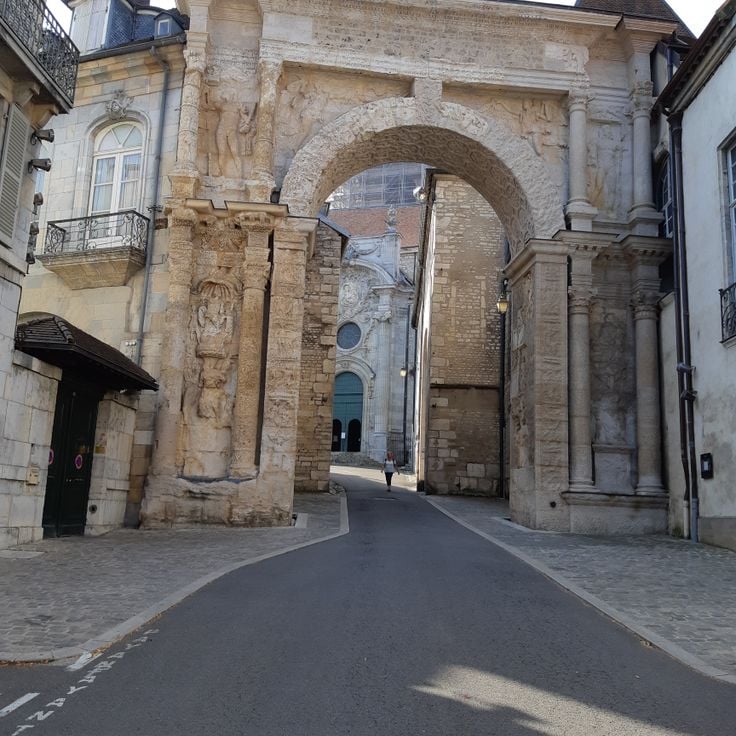
The Black Gate is a Roman triumphal arch built under Emperor Marcus Aurelius in the 2nd century. It features Corinthian columns and mythological reliefs. Located in Besançon, this gate is part of the city's architectural heritage spanning 2000 years. It stands as one of many buildings from different periods that make up the historical character of this French city.
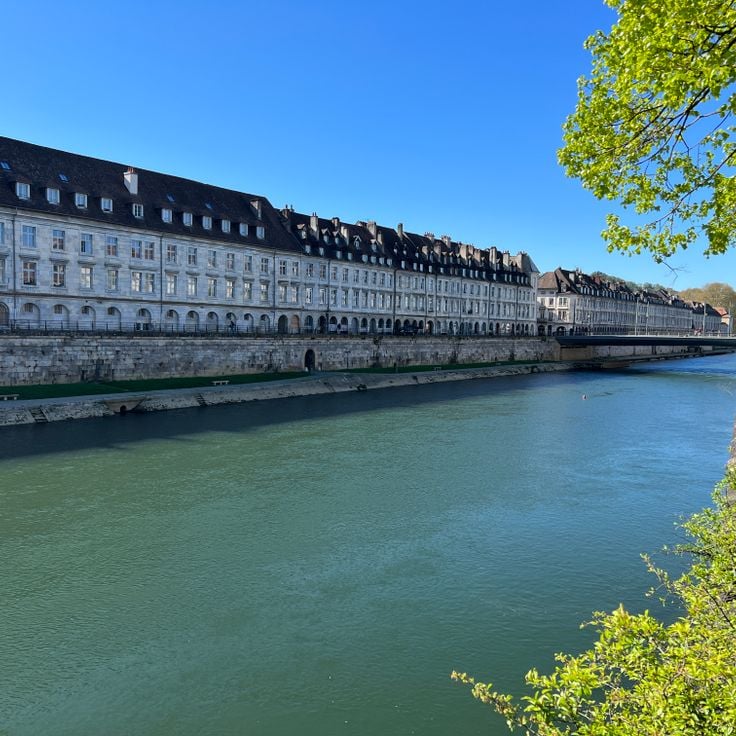
The Quai Vauban is a 17th-century paved promenade along the Doubs river in Besançon, designed according to plans by military architect Vauban. As part of the city's architectural heritage spanning 2000 years, this waterside path offers a place to walk and take in views of the old town and the Vauban citadel rising above. The quay connects different quarters of the city and provides a natural setting among the monuments, palaces, and buildings that define Besançon's character.
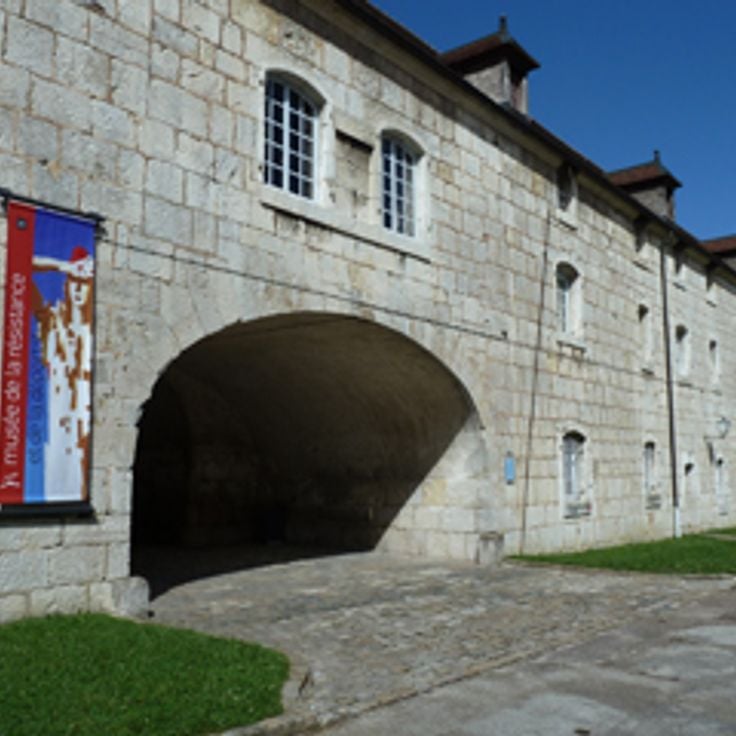
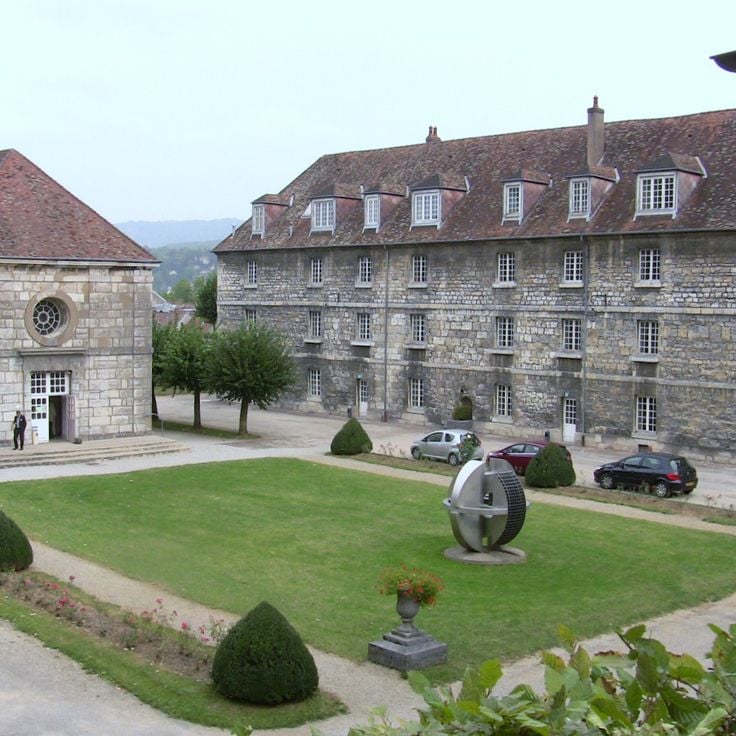
The Museum of Resistance and Deportation in Besançon occupies a former barracks and tells the story of World War II through the lives and experiences of people in the Franche-Comté region. The collection includes documents, photographs, and personal objects that show how ordinary people resisted occupation and faced deportation. Walking through this museum helps visitors understand the courage and suffering that marked this period of history in this part of France.
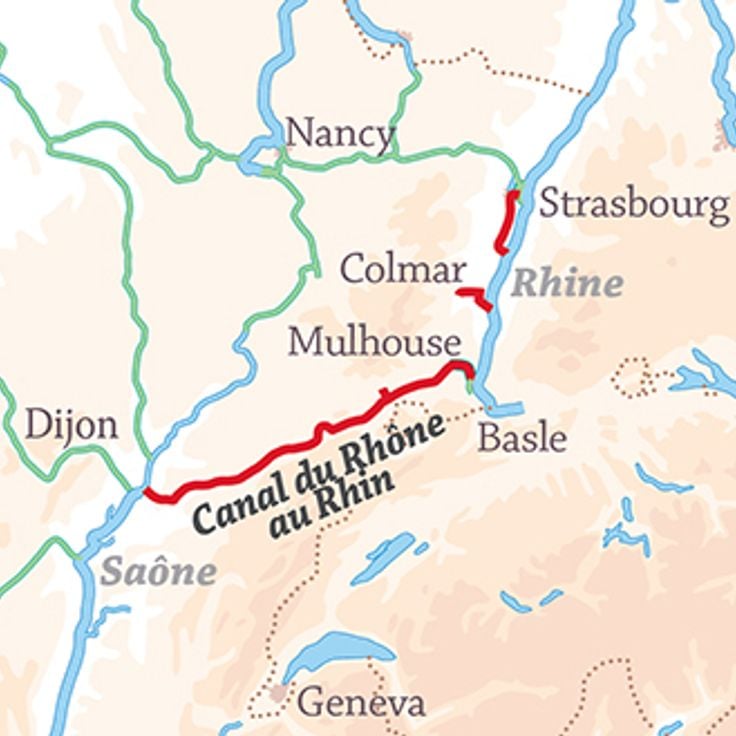
The Rhône-Rhine Canal is a navigable waterway built in the 19th century that runs through Besançon, linking the Saône Valley to Alsace. This canal complements the architectural heritage of Besançon by revealing how the city functioned as a transportation hub across centuries. Visitors can walk along the canal and experience the connection between industrial history and the surrounding landscape.
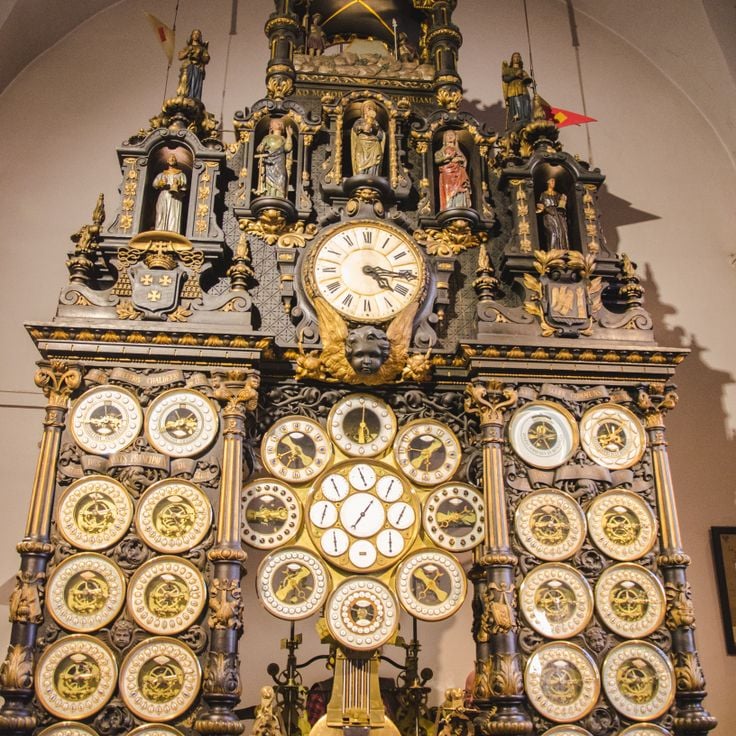
The Astronomical Clock in Saint-Jean Cathedral represents Besançon's long history of craftsmanship and engineering. This mechanical clock from 1860 contains 30,000 pieces and displays hours, tides, planetary positions, and eclipses at the center of the old town. It stands among significant buildings spanning from the Middle Ages to the 19th century, each telling the story of the city's development. The squares, parks, and quays along the Doubs river complement this architectural journey through time.
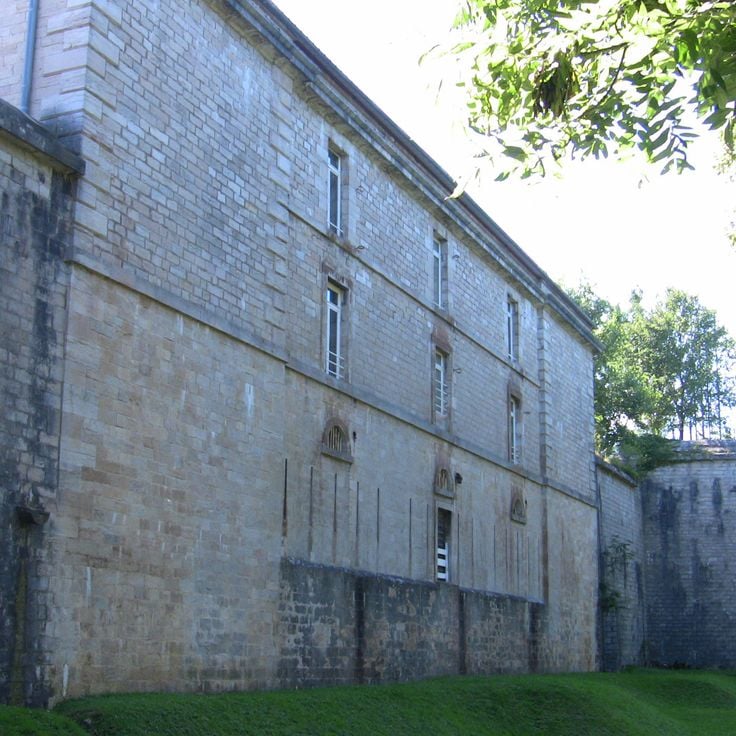
Fort Chaudanne is a military structure built between 1841 and 1844 as part of Besançon's defensive system. Standing at 392 meters in altitude, it represents the 19th-century fortifications that protected the city. Along with the Vauban Citadel and other military buildings, this fort shows how Besançon developed its defenses over time. Visitors exploring what to do and see in Besançon can trace the city's military architecture from different periods and understand its strategic importance.
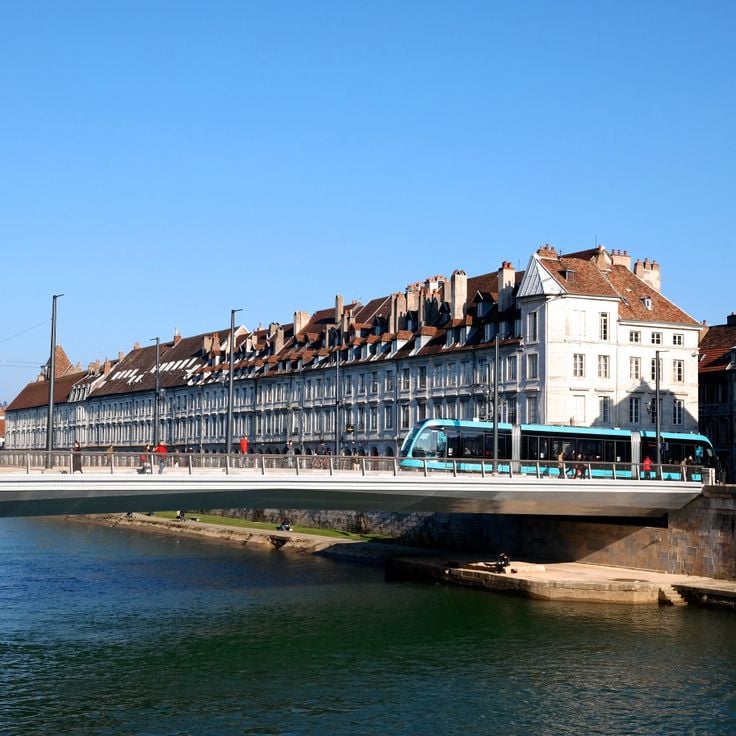
The Pont Battant is a stone bridge built in 1729 that connects the Battant neighborhood to downtown Besançon across the Doubs river. This bridge is part of what you will see when exploring the city's collection of monuments and buildings that tell the story of 2000 years of architecture. As you walk through Besançon, you encounter this bridge when crossing the river or strolling along the quays that line the Doubs, moving between the old town and its surrounding areas.
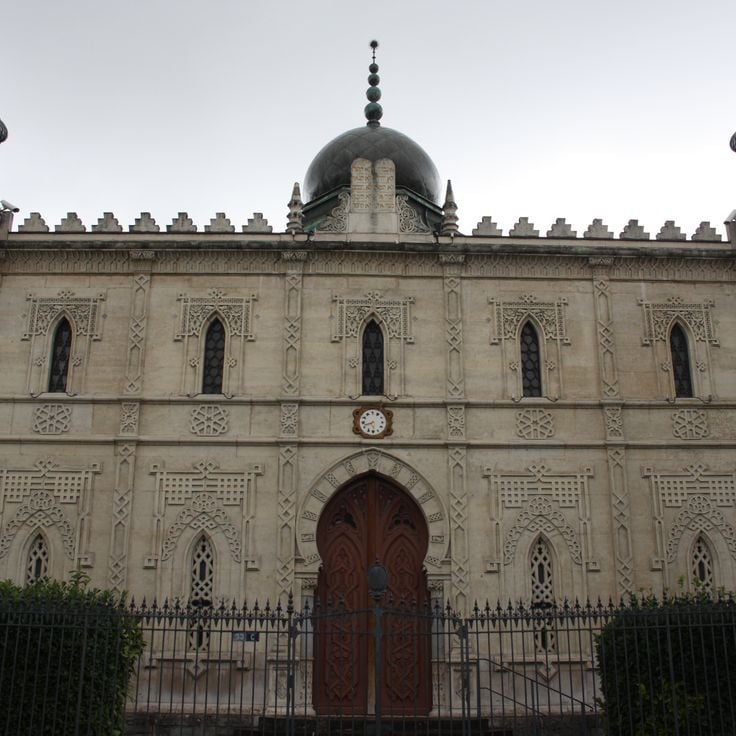
The Synagogue in Besançon adds to the city's rich architectural history alongside the medieval and military buildings that define the old town. Inaugurated in 1869, it was designed by architect Pierre Marnotte in Neo-Moorish style and features two distinctive bulbous towers. This building reflects the diverse religious and cultural heritage found throughout the center.
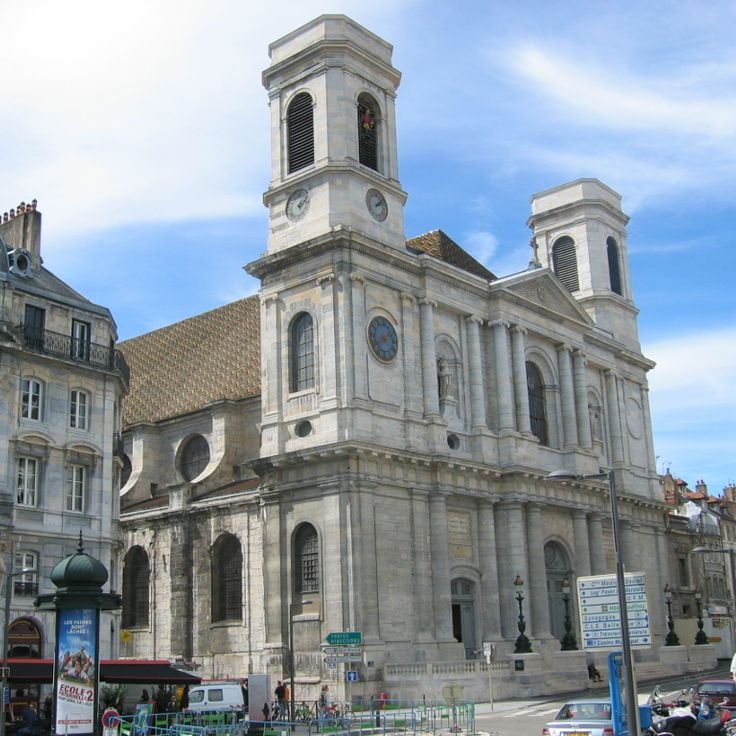
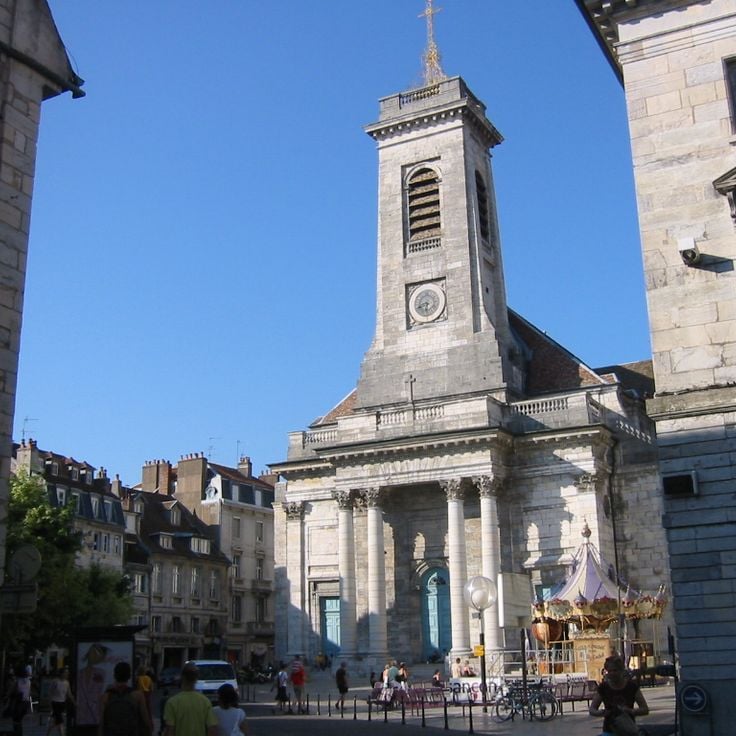
Saint-Pierre Church in Besançon is an 18th-century building displaying classical architecture. Its monumental entrance and fluted columns define its appearance. Located in the city center, this church exemplifies the baroque and classical style of its era. It stands among the religious buildings that document Besançon's 2000 years of architectural history.
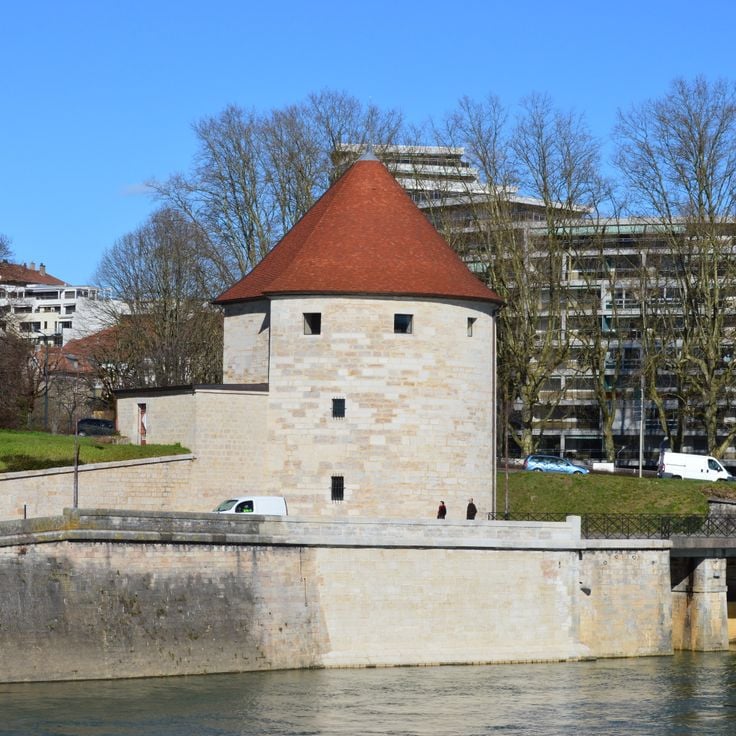
The Pelote Tower is a defense tower built in 1476 as part of Besançon's fortification system. This tower in the old town shows how the city was protected during the Middle Ages and complements the architectural history of Besançon alongside the citadel and other historical buildings.
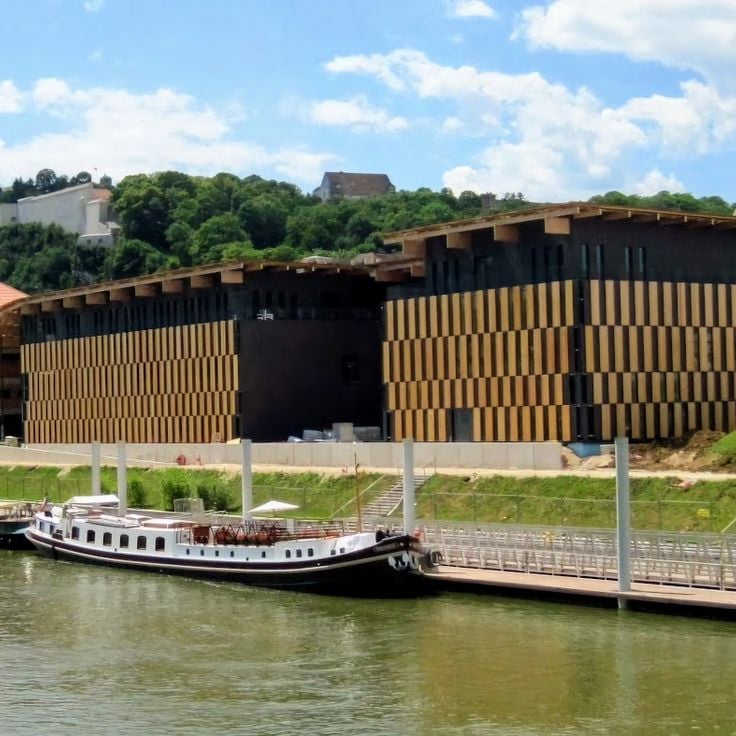
This cultural complex in Besançon brings together contemporary art and music in a modern setting. It houses a music conservatory, a performance hall, and exhibition spaces for visual arts. The building complements the city's long architectural history with a fresh approach, offering a place where people gather to experience performances and view artworks.
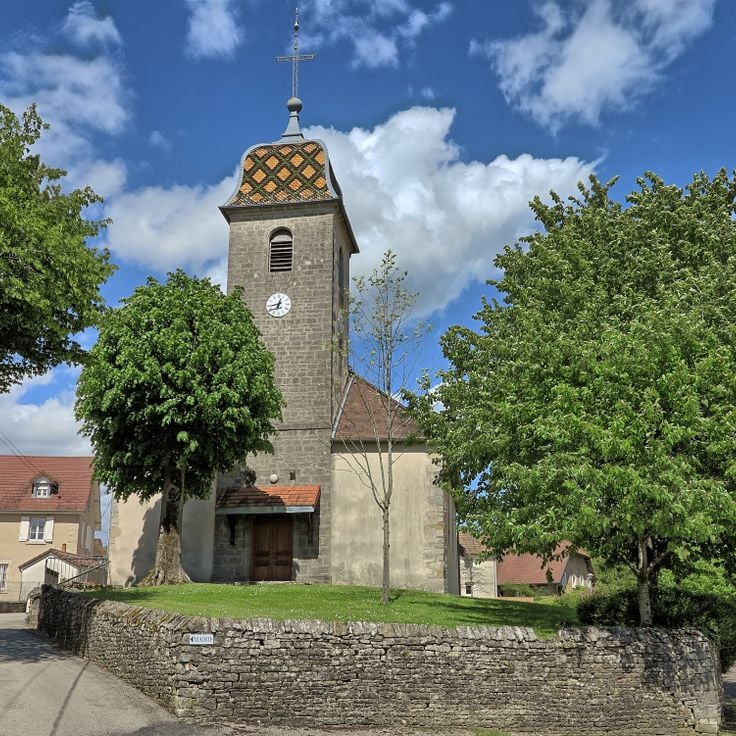
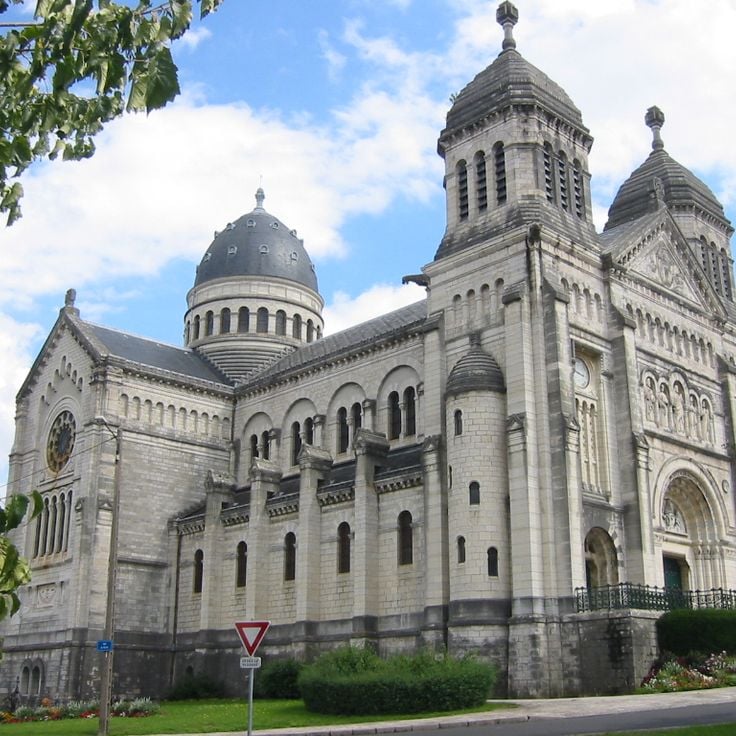
The Saint-Ferjeux Basilica is a neo-Roman building constructed between 1884 and 1901, featuring two 60-meter towers. A crypt inside is dedicated to saints Ferjeux and Ferréol. As part of Besançon's architectural heritage, this basilica represents the religious construction of the 19th century in the city.
Fort Griffon is a 17th-century military fortification built by order of Vauban. This fort is part of Besançon's fortifications listed by UNESCO, contributing to the city's architectural heritage that spans 2000 years of history.
Sainte-Madeleine Church is part of Besançon's 2000 years of architectural heritage and represents 18th-century religious building design. The church displays a monumental facade in Neoclassical style. Inside, painted decorations and sculptures showcase the artistic work of this period.
To complement your exploration of Besançon's monuments and historical buildings, the DINO-ZOO Park offers a different kind of experience. This 12-hectare park contains over 80 life-size dinosaur sculptures spread throughout a forest setting. Visitors walk through the natural surroundings and encounter prehistoric creatures along the way. The park provides a change of pace from the cathedral, citadel, and palaces of the old town, adding an educational and recreational element to your visit to the city.
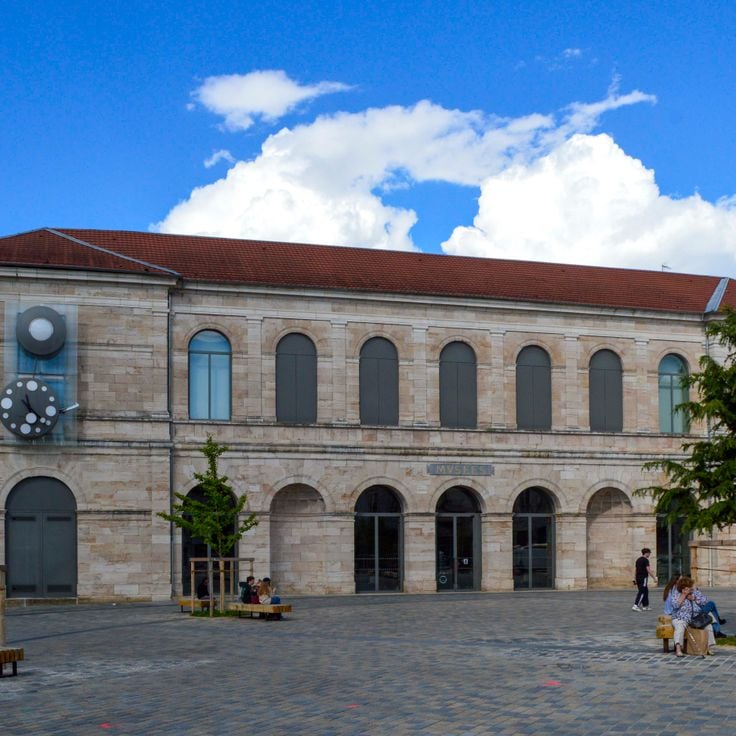
The Museum of Fine Arts and Archaeology in Besançon was established in 1694 and displays European paintings from the 15th to the 20th century alongside regional archaeological finds. It forms an important part of what to see in this city, whose monuments reflect 2000 years of architecture.
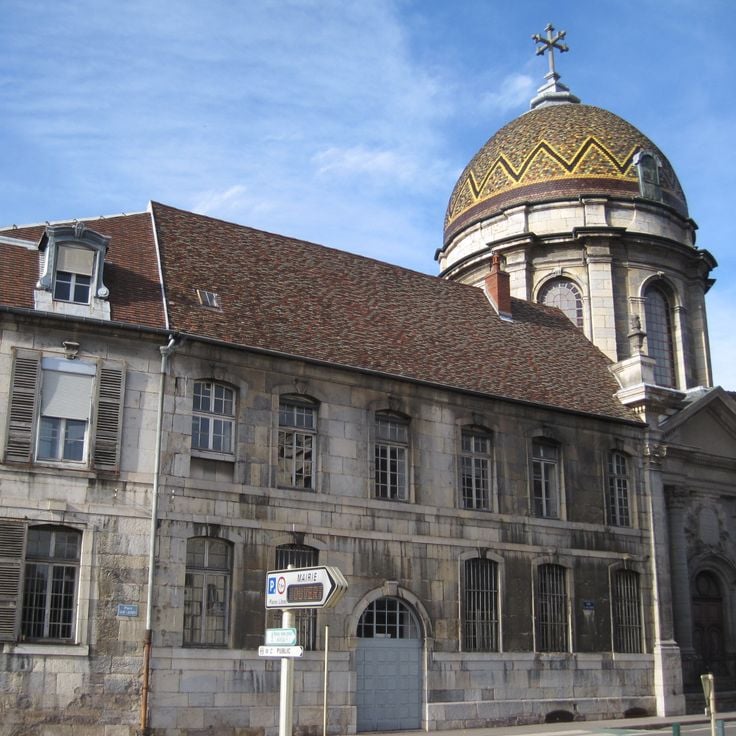
This chapel in Besançon was built in 1986 on the grounds of the former Saint-Jacques Hospital. The building features baroque architecture and fits into the city's rich collection of religious structures, where churches and chapels from different periods stand alongside medieval buildings, Saint-Jean Cathedral, and Granvelle Palace.
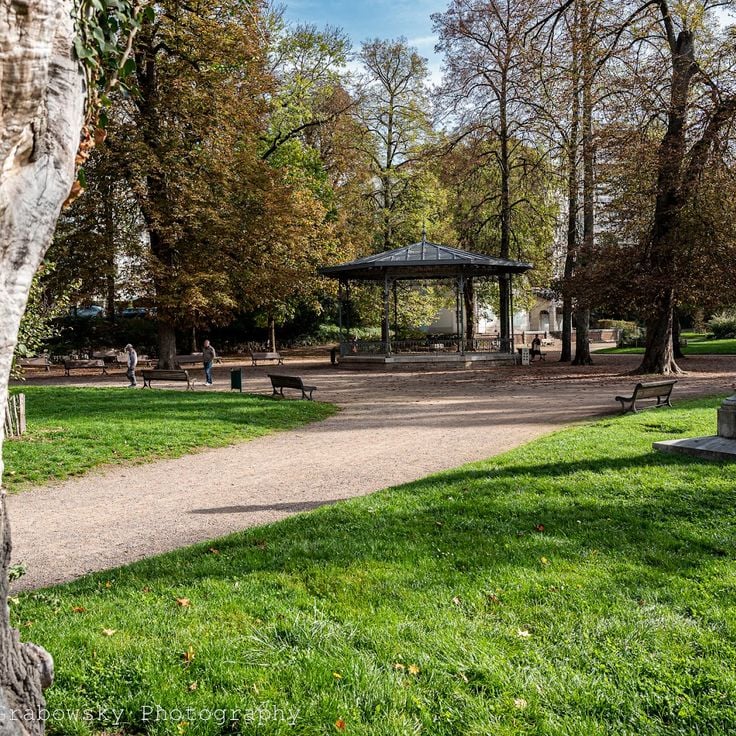
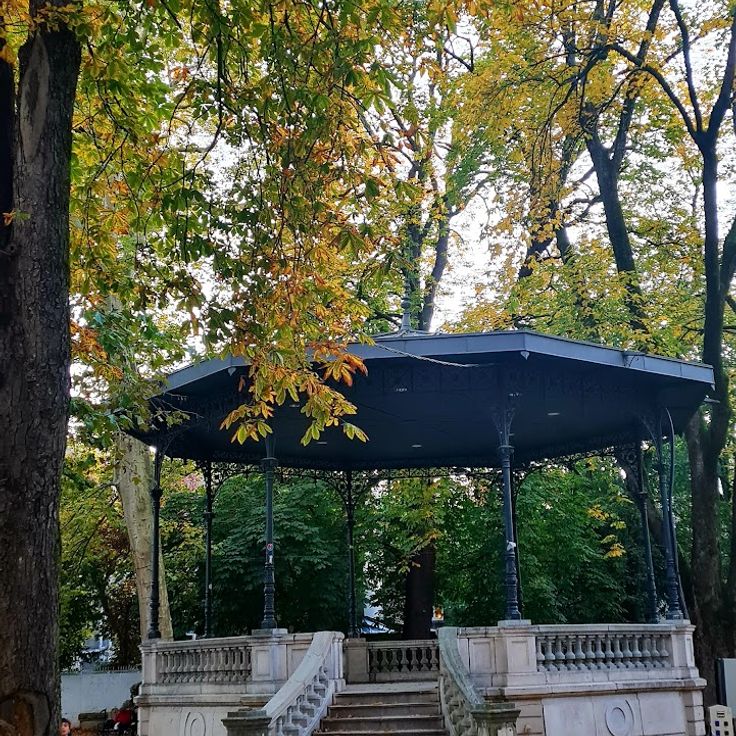
Micaud Park is a green space opened in 1843 on the banks of the Doubs, designed with winding paths that follow English garden principles. It complements Besançon's architectural ensemble, which reflects 2000 years of architecture, with its squares, parks, and quays lining the river.
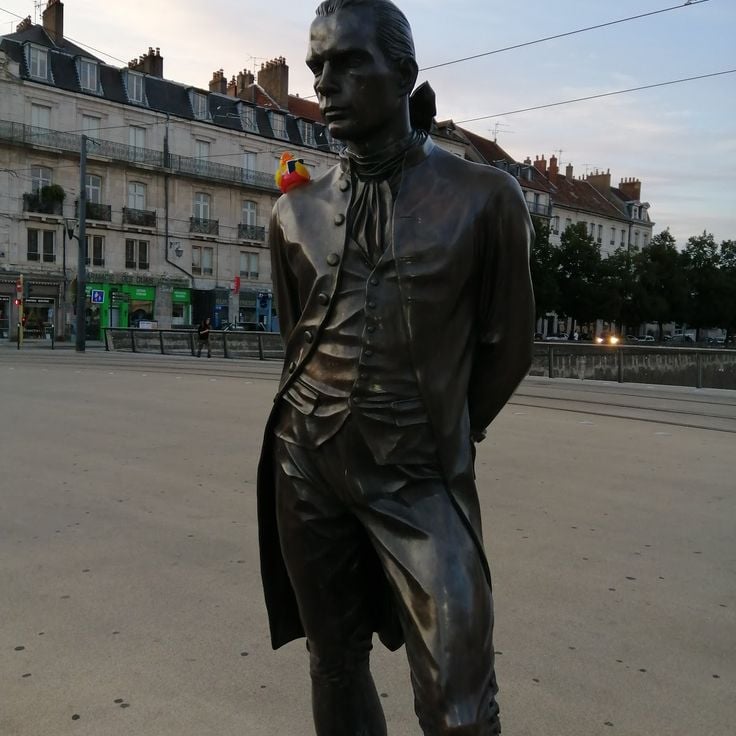
This bronze statue stands on the Battant bridge since 1998 and honors the inventor of the steamship. It fits into Besançon's rich architectural history, which reflects over 2000 years of building traditions. The statue commemorates the innovators who shaped Besançon and complements the historical monuments like the Vauban citadel and Saint-Jean Cathedral in the old town.
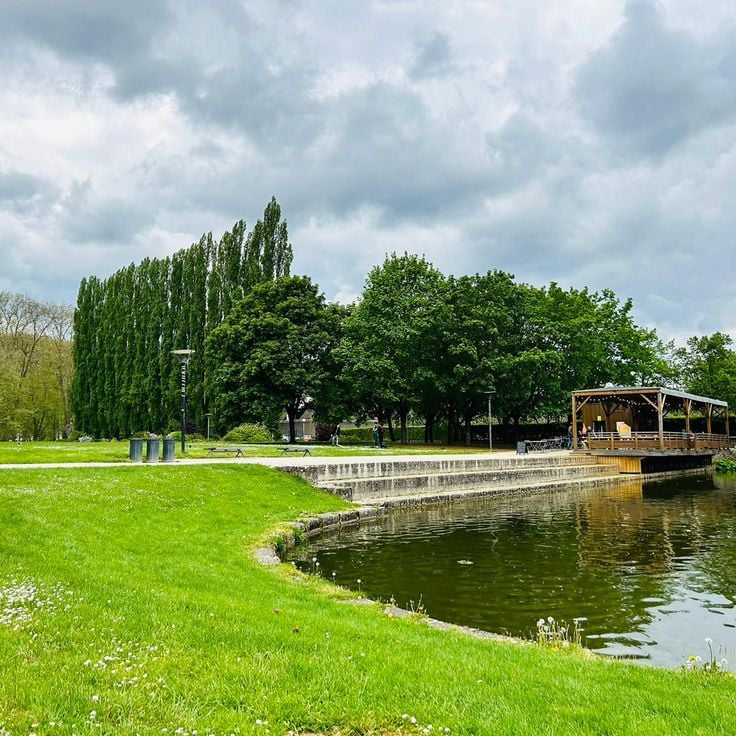
Gare d'Eau Park in Besançon is a green space created at the site of a former river port along the Doubs. The park offers areas for walking and spending leisure time, adding to the collection of squares, parks, and quays that complement the city's historical architectural ensemble spanning 2000 years.
Granvelle Place is a historic square from the 16th century surrounded by Renaissance-style mansions. Part of what to do and see in Besançon, this square reflects the city's architectural heritage spanning 500 years. The square is lined by Granvelle Palace and its gardens, where visitors can walk through the civic architecture of the Renaissance period.
Revolution Square is the main plaza of Besançon's historic center and shows how the city has grown over 2000 years of architecture. Built in the 18th century, the square features a central fountain and hosts a weekly market that has been held here for centuries. It sits naturally between the medieval streets, Saint-Jean Cathedral with its astronomical clock, and Granvelle Palace. The square captures everyday life in the city, where locals and visitors gather regularly.
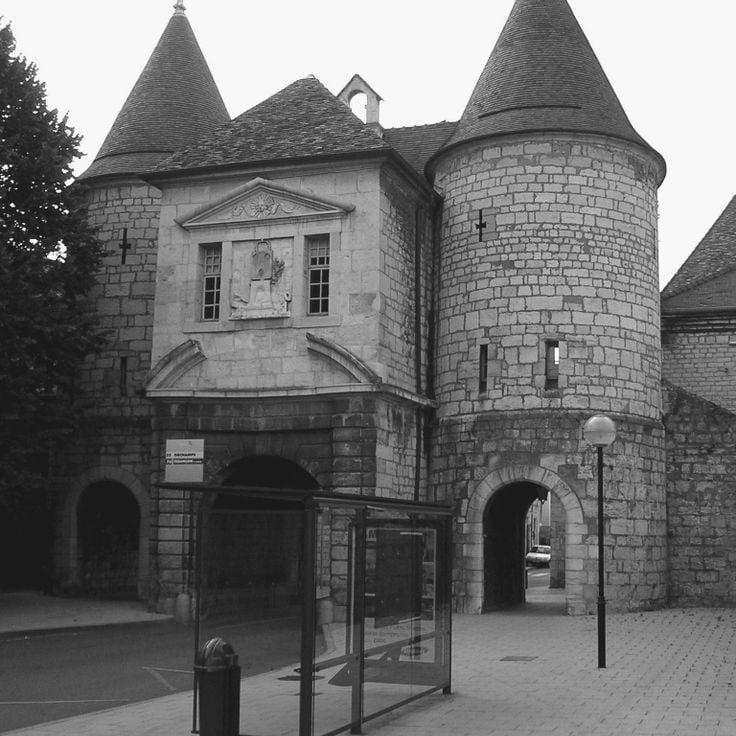
The Rivotte Gate is a medieval gate featuring two round towers from the 16th century, integrated into Besançon's fortifications. It marks the eastern entrance to the old town and reflects 2000 years of architectural history visible throughout the city's monuments and historical buildings. This gate is part of the fortification system that, together with the Vauban Citadel, Saint-Jean Cathedral with its astronomical clock, Granvelle Palace, and numerous other structures spanning the Middle Ages to the 19th century, forms the architectural ensemble of Besançon.
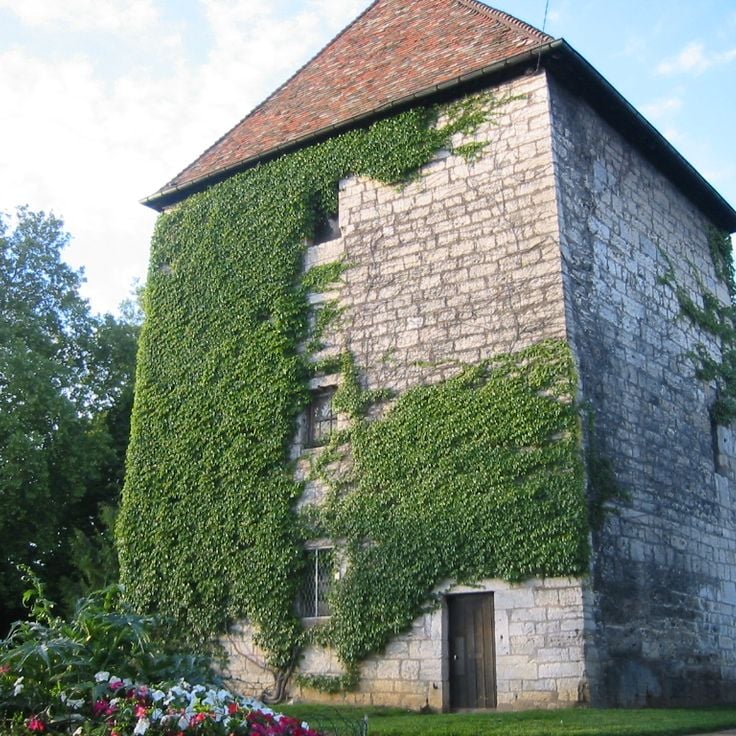
The Montmart Tower is among the monuments of Besançon that reflect 2000 years of architecture. This defense tower was built in the 16th century before Vauban's fortification works. It was part of the system that protected the city and stands alongside numerous civil, religious, and military buildings dating from the Middle Ages through the 19th century.
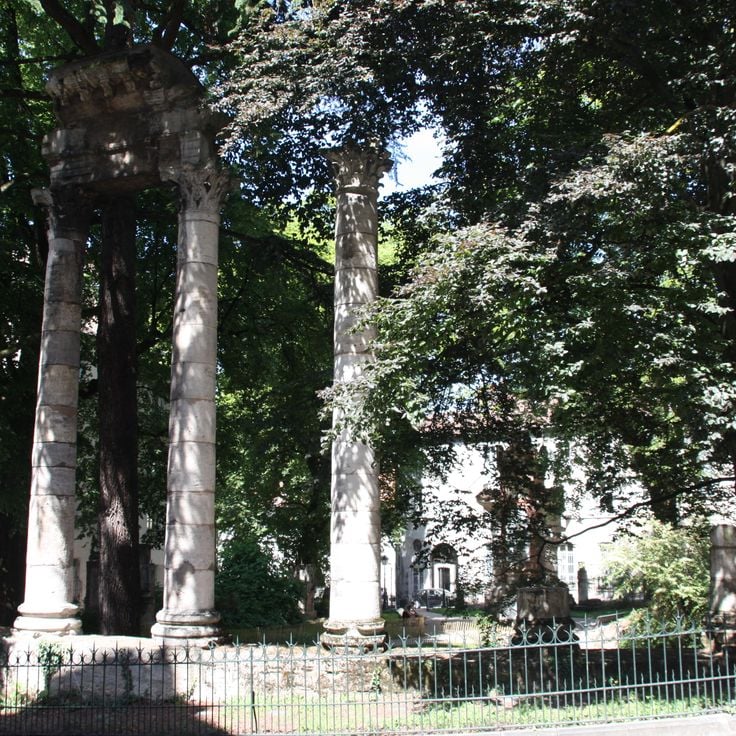
Castan Square is a public garden in Besançon laid out around the foundations of a 2nd-century Roman temple. You can see columns and architectural fragments from the Gallo-Roman period here. This square fits naturally with the many historical buildings throughout the city that show 2000 years of architecture. It complements the architectural ensemble that includes palaces, cathedrals, and the banks of the Doubs River.
The 8 September Square is a central gathering place in Besançon where the Town Hall and Neptune Fountain stand. It serves as a meeting point for public events and celebrations throughout the year. This square forms part of the architectural character of the old town and complements the historical buildings that span 2000 years of Besançon's development.
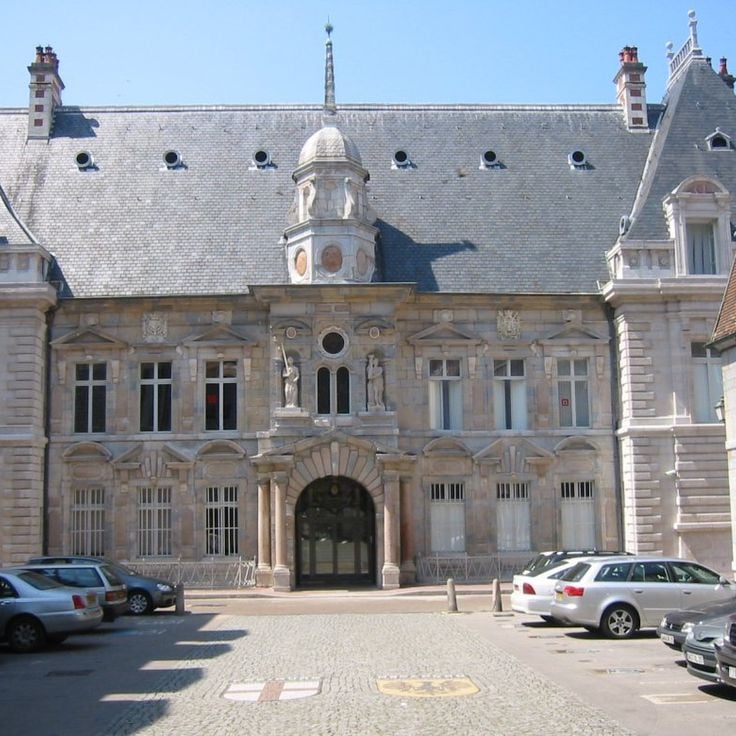
The Palace of Justice in Besançon is an 18th-century building constructed under Louis XV to house the parliament of Franche-Comté. Its neoclassical architecture features a monumental facade that reflects the refined style of its time. This structure contributes to Besançon's remarkable architectural heritage, spanning 2000 years from medieval times through the 19th century alongside religious, military, and civic buildings.
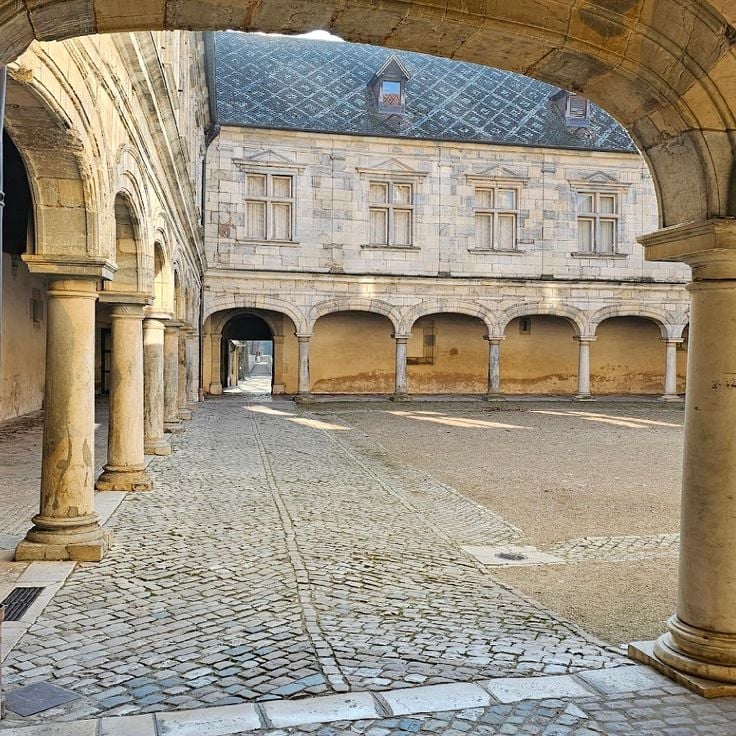
The Museum of Time in Besançon occupies the Granvelle Palace and displays watches, clocks, and scientific instruments related to timekeeping from the 16th century onward. This collection reflects how the city engaged with precision and measurement across centuries, fitting into the broader architectural and historical story of Besançon.
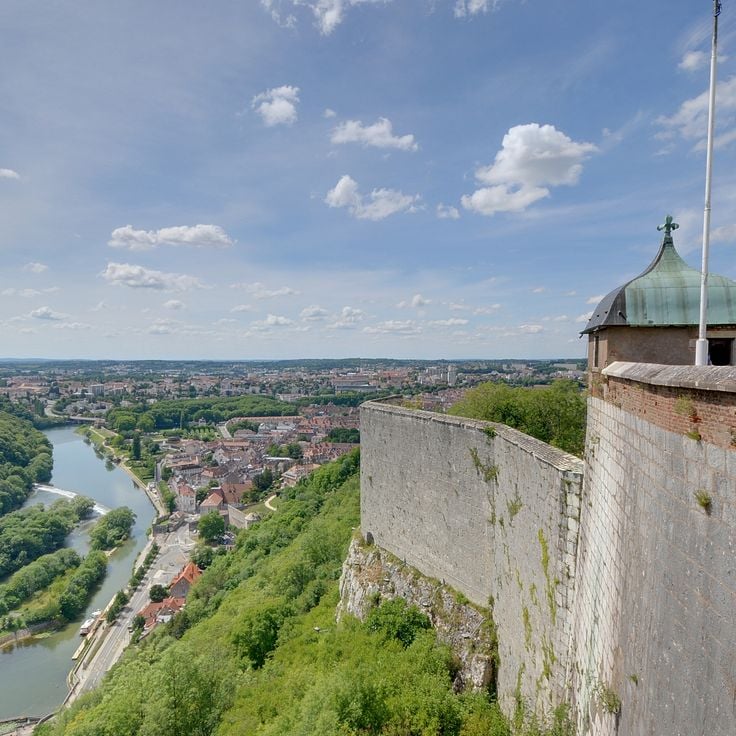
The Citadel of Besançon is a military fortification built between 1668 and 1683 that overlooks the city from an elevation of 118 meters (387 feet). It is recognized as a UNESCO World Heritage site and houses three museums and a zoo. The Citadel forms a key part of Besançon's architectural heritage, which spans 2000 years, and commands views over the old town below.
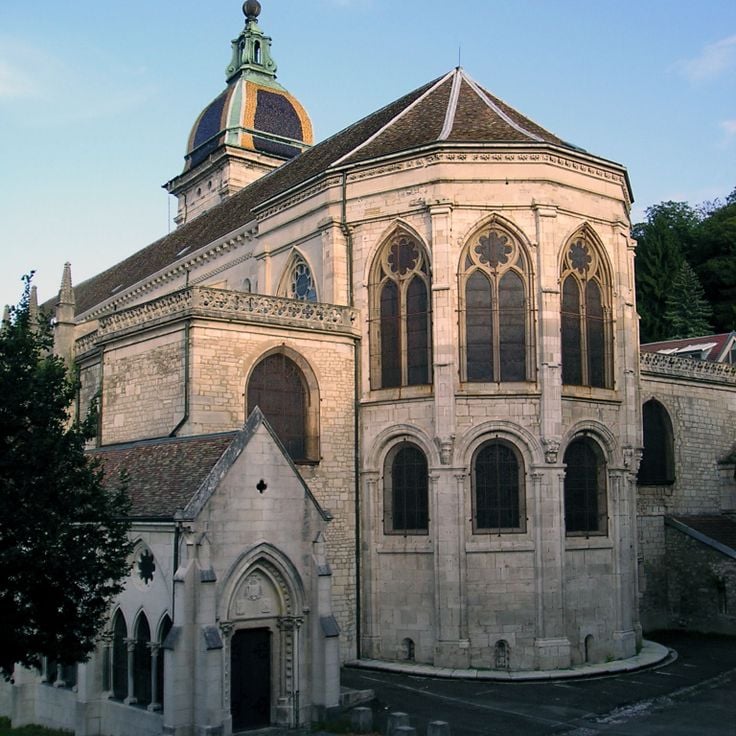
Saint-Jean Cathedral in Besançon is a religious building constructed between 1127 and 1148 that blends Romanesque and Gothic architectural styles. Inside, you will find an astronomical clock made in 1860 and two paintings by Fra Bartolomeo. As part of Besançon's architectural collection, this cathedral demonstrates the skilled craftsmanship of different periods and reflects the city's long history spanning 2000 years.
The birthplace of Victor Hugo is a three-story building constructed in 1702 in Besançon where the celebrated writer spent his first six months. Now operating as a museum, it displays documents, letters, and personal items that illustrate his life and literary career. It stands as one of the important historical buildings in the city, contributing to Besançon's rich architectural heritage that spans 2000 years, alongside landmarks like the Vauban citadel, Saint-Jean Cathedral, and Granvelle Palace.
The Black Gate is a Roman triumphal arch built under Emperor Marcus Aurelius in the 2nd century. It features Corinthian columns and mythological reliefs. Located in Besançon, this gate is part of the city's architectural heritage spanning 2000 years. It stands as one of many buildings from different periods that make up the historical character of this French city.
The Quai Vauban is a 17th-century paved promenade along the Doubs river in Besançon, designed according to plans by military architect Vauban. As part of the city's architectural heritage spanning 2000 years, this waterside path offers a place to walk and take in views of the old town and the Vauban citadel rising above. The quay connects different quarters of the city and provides a natural setting among the monuments, palaces, and buildings that define Besançon's character.
The Museum of Resistance and Deportation in Besançon occupies a former barracks and tells the story of World War II through the lives and experiences of people in the Franche-Comté region. The collection includes documents, photographs, and personal objects that show how ordinary people resisted occupation and faced deportation. Walking through this museum helps visitors understand the courage and suffering that marked this period of history in this part of France.
The Rhône-Rhine Canal is a navigable waterway built in the 19th century that runs through Besançon, linking the Saône Valley to Alsace. This canal complements the architectural heritage of Besançon by revealing how the city functioned as a transportation hub across centuries. Visitors can walk along the canal and experience the connection between industrial history and the surrounding landscape.
The Astronomical Clock in Saint-Jean Cathedral represents Besançon's long history of craftsmanship and engineering. This mechanical clock from 1860 contains 30,000 pieces and displays hours, tides, planetary positions, and eclipses at the center of the old town. It stands among significant buildings spanning from the Middle Ages to the 19th century, each telling the story of the city's development. The squares, parks, and quays along the Doubs river complement this architectural journey through time.
Fort Chaudanne is a military structure built between 1841 and 1844 as part of Besançon's defensive system. Standing at 392 meters in altitude, it represents the 19th-century fortifications that protected the city. Along with the Vauban Citadel and other military buildings, this fort shows how Besançon developed its defenses over time. Visitors exploring what to do and see in Besançon can trace the city's military architecture from different periods and understand its strategic importance.
The Pont Battant is a stone bridge built in 1729 that connects the Battant neighborhood to downtown Besançon across the Doubs river. This bridge is part of what you will see when exploring the city's collection of monuments and buildings that tell the story of 2000 years of architecture. As you walk through Besançon, you encounter this bridge when crossing the river or strolling along the quays that line the Doubs, moving between the old town and its surrounding areas.
The Synagogue in Besançon adds to the city's rich architectural history alongside the medieval and military buildings that define the old town. Inaugurated in 1869, it was designed by architect Pierre Marnotte in Neo-Moorish style and features two distinctive bulbous towers. This building reflects the diverse religious and cultural heritage found throughout the center.
Saint-Pierre Church in Besançon is an 18th-century building displaying classical architecture. Its monumental entrance and fluted columns define its appearance. Located in the city center, this church exemplifies the baroque and classical style of its era. It stands among the religious buildings that document Besançon's 2000 years of architectural history.
The Pelote Tower is a defense tower built in 1476 as part of Besançon's fortification system. This tower in the old town shows how the city was protected during the Middle Ages and complements the architectural history of Besançon alongside the citadel and other historical buildings.
This cultural complex in Besançon brings together contemporary art and music in a modern setting. It houses a music conservatory, a performance hall, and exhibition spaces for visual arts. The building complements the city's long architectural history with a fresh approach, offering a place where people gather to experience performances and view artworks.
The Saint-Ferjeux Basilica is a neo-Roman building constructed between 1884 and 1901, featuring two 60-meter towers. A crypt inside is dedicated to saints Ferjeux and Ferréol. As part of Besançon's architectural heritage, this basilica represents the religious construction of the 19th century in the city.
Fort Griffon is a 17th-century military fortification built by order of Vauban. This fort is part of Besançon's fortifications listed by UNESCO, contributing to the city's architectural heritage that spans 2000 years of history.
Sainte-Madeleine Church is part of Besançon's 2000 years of architectural heritage and represents 18th-century religious building design. The church displays a monumental facade in Neoclassical style. Inside, painted decorations and sculptures showcase the artistic work of this period.
To complement your exploration of Besançon's monuments and historical buildings, the DINO-ZOO Park offers a different kind of experience. This 12-hectare park contains over 80 life-size dinosaur sculptures spread throughout a forest setting. Visitors walk through the natural surroundings and encounter prehistoric creatures along the way. The park provides a change of pace from the cathedral, citadel, and palaces of the old town, adding an educational and recreational element to your visit to the city.
The Museum of Fine Arts and Archaeology in Besançon was established in 1694 and displays European paintings from the 15th to the 20th century alongside regional archaeological finds. It forms an important part of what to see in this city, whose monuments reflect 2000 years of architecture.
This chapel in Besançon was built in 1986 on the grounds of the former Saint-Jacques Hospital. The building features baroque architecture and fits into the city's rich collection of religious structures, where churches and chapels from different periods stand alongside medieval buildings, Saint-Jean Cathedral, and Granvelle Palace.
Micaud Park is a green space opened in 1843 on the banks of the Doubs, designed with winding paths that follow English garden principles. It complements Besançon's architectural ensemble, which reflects 2000 years of architecture, with its squares, parks, and quays lining the river.
This bronze statue stands on the Battant bridge since 1998 and honors the inventor of the steamship. It fits into Besançon's rich architectural history, which reflects over 2000 years of building traditions. The statue commemorates the innovators who shaped Besançon and complements the historical monuments like the Vauban citadel and Saint-Jean Cathedral in the old town.
Gare d'Eau Park in Besançon is a green space created at the site of a former river port along the Doubs. The park offers areas for walking and spending leisure time, adding to the collection of squares, parks, and quays that complement the city's historical architectural ensemble spanning 2000 years.
Granvelle Place is a historic square from the 16th century surrounded by Renaissance-style mansions. Part of what to do and see in Besançon, this square reflects the city's architectural heritage spanning 500 years. The square is lined by Granvelle Palace and its gardens, where visitors can walk through the civic architecture of the Renaissance period.
Revolution Square is the main plaza of Besançon's historic center and shows how the city has grown over 2000 years of architecture. Built in the 18th century, the square features a central fountain and hosts a weekly market that has been held here for centuries. It sits naturally between the medieval streets, Saint-Jean Cathedral with its astronomical clock, and Granvelle Palace. The square captures everyday life in the city, where locals and visitors gather regularly.
The Rivotte Gate is a medieval gate featuring two round towers from the 16th century, integrated into Besançon's fortifications. It marks the eastern entrance to the old town and reflects 2000 years of architectural history visible throughout the city's monuments and historical buildings. This gate is part of the fortification system that, together with the Vauban Citadel, Saint-Jean Cathedral with its astronomical clock, Granvelle Palace, and numerous other structures spanning the Middle Ages to the 19th century, forms the architectural ensemble of Besançon.
The Montmart Tower is among the monuments of Besançon that reflect 2000 years of architecture. This defense tower was built in the 16th century before Vauban's fortification works. It was part of the system that protected the city and stands alongside numerous civil, religious, and military buildings dating from the Middle Ages through the 19th century.
Castan Square is a public garden in Besançon laid out around the foundations of a 2nd-century Roman temple. You can see columns and architectural fragments from the Gallo-Roman period here. This square fits naturally with the many historical buildings throughout the city that show 2000 years of architecture. It complements the architectural ensemble that includes palaces, cathedrals, and the banks of the Doubs River.
The 8 September Square is a central gathering place in Besançon where the Town Hall and Neptune Fountain stand. It serves as a meeting point for public events and celebrations throughout the year. This square forms part of the architectural character of the old town and complements the historical buildings that span 2000 years of Besançon's development.
The Palace of Justice in Besançon is an 18th-century building constructed under Louis XV to house the parliament of Franche-Comté. Its neoclassical architecture features a monumental facade that reflects the refined style of its time. This structure contributes to Besançon's remarkable architectural heritage, spanning 2000 years from medieval times through the 19th century alongside religious, military, and civic buildings.
The Museum of Time in Besançon occupies the Granvelle Palace and displays watches, clocks, and scientific instruments related to timekeeping from the 16th century onward. This collection reflects how the city engaged with precision and measurement across centuries, fitting into the broader architectural and historical story of Besançon.
The Citadel of Besançon is a military fortification built between 1668 and 1683 that overlooks the city from an elevation of 118 meters (387 feet). It is recognized as a UNESCO World Heritage site and houses three museums and a zoo. The Citadel forms a key part of Besançon's architectural heritage, which spans 2000 years, and commands views over the old town below.
Saint-Jean Cathedral in Besançon is a religious building constructed between 1127 and 1148 that blends Romanesque and Gothic architectural styles. Inside, you will find an astronomical clock made in 1860 and two paintings by Fra Bartolomeo. As part of Besançon's architectural collection, this cathedral demonstrates the skilled craftsmanship of different periods and reflects the city's long history spanning 2000 years.
The birthplace of Victor Hugo is a three-story building constructed in 1702 in Besançon where the celebrated writer spent his first six months. Now operating as a museum, it displays documents, letters, and personal items that illustrate his life and literary career. It stands as one of the important historical buildings in the city, contributing to Besançon's rich architectural heritage that spans 2000 years, alongside landmarks like the Vauban citadel, Saint-Jean Cathedral, and Granvelle Palace.
The Black Gate is a Roman triumphal arch built under Emperor Marcus Aurelius in the 2nd century. It features Corinthian columns and mythological reliefs. Located in Besançon, this gate is part of the city's architectural heritage spanning 2000 years. It stands as one of many buildings from different periods that make up the historical character of this French city.
The Quai Vauban is a 17th-century paved promenade along the Doubs river in Besançon, designed according to plans by military architect Vauban. As part of the city's architectural heritage spanning 2000 years, this waterside path offers a place to walk and take in views of the old town and the Vauban citadel rising above. The quay connects different quarters of the city and provides a natural setting among the monuments, palaces, and buildings that define Besançon's character.
The Museum of Resistance and Deportation in Besançon occupies a former barracks and tells the story of World War II through the lives and experiences of people in the Franche-Comté region. The collection includes documents, photographs, and personal objects that show how ordinary people resisted occupation and faced deportation. Walking through this museum helps visitors understand the courage and suffering that marked this period of history in this part of France.
The Rhône-Rhine Canal is a navigable waterway built in the 19th century that runs through Besançon, linking the Saône Valley to Alsace. This canal complements the architectural heritage of Besançon by revealing how the city functioned as a transportation hub across centuries. Visitors can walk along the canal and experience the connection between industrial history and the surrounding landscape.
The Astronomical Clock in Saint-Jean Cathedral represents Besançon's long history of craftsmanship and engineering. This mechanical clock from 1860 contains 30,000 pieces and displays hours, tides, planetary positions, and eclipses at the center of the old town. It stands among significant buildings spanning from the Middle Ages to the 19th century, each telling the story of the city's development. The squares, parks, and quays along the Doubs river complement this architectural journey through time.
Fort Chaudanne is a military structure built between 1841 and 1844 as part of Besançon's defensive system. Standing at 392 meters in altitude, it represents the 19th-century fortifications that protected the city. Along with the Vauban Citadel and other military buildings, this fort shows how Besançon developed its defenses over time. Visitors exploring what to do and see in Besançon can trace the city's military architecture from different periods and understand its strategic importance.
The Pont Battant is a stone bridge built in 1729 that connects the Battant neighborhood to downtown Besançon across the Doubs river. This bridge is part of what you will see when exploring the city's collection of monuments and buildings that tell the story of 2000 years of architecture. As you walk through Besançon, you encounter this bridge when crossing the river or strolling along the quays that line the Doubs, moving between the old town and its surrounding areas.
The Synagogue in Besançon adds to the city's rich architectural history alongside the medieval and military buildings that define the old town. Inaugurated in 1869, it was designed by architect Pierre Marnotte in Neo-Moorish style and features two distinctive bulbous towers. This building reflects the diverse religious and cultural heritage found throughout the center.
Saint-Pierre Church in Besançon is an 18th-century building displaying classical architecture. Its monumental entrance and fluted columns define its appearance. Located in the city center, this church exemplifies the baroque and classical style of its era. It stands among the religious buildings that document Besançon's 2000 years of architectural history.
The Pelote Tower is a defense tower built in 1476 as part of Besançon's fortification system. This tower in the old town shows how the city was protected during the Middle Ages and complements the architectural history of Besançon alongside the citadel and other historical buildings.
This cultural complex in Besançon brings together contemporary art and music in a modern setting. It houses a music conservatory, a performance hall, and exhibition spaces for visual arts. The building complements the city's long architectural history with a fresh approach, offering a place where people gather to experience performances and view artworks.
The Saint-Ferjeux Basilica is a neo-Roman building constructed between 1884 and 1901, featuring two 60-meter towers. A crypt inside is dedicated to saints Ferjeux and Ferréol. As part of Besançon's architectural heritage, this basilica represents the religious construction of the 19th century in the city.
Fort Griffon is a 17th-century military fortification built by order of Vauban. This fort is part of Besançon's fortifications listed by UNESCO, contributing to the city's architectural heritage that spans 2000 years of history.
Sainte-Madeleine Church is part of Besançon's 2000 years of architectural heritage and represents 18th-century religious building design. The church displays a monumental facade in Neoclassical style. Inside, painted decorations and sculptures showcase the artistic work of this period.
To complement your exploration of Besançon's monuments and historical buildings, the DINO-ZOO Park offers a different kind of experience. This 12-hectare park contains over 80 life-size dinosaur sculptures spread throughout a forest setting. Visitors walk through the natural surroundings and encounter prehistoric creatures along the way. The park provides a change of pace from the cathedral, citadel, and palaces of the old town, adding an educational and recreational element to your visit to the city.
The Museum of Fine Arts and Archaeology in Besançon was established in 1694 and displays European paintings from the 15th to the 20th century alongside regional archaeological finds. It forms an important part of what to see in this city, whose monuments reflect 2000 years of architecture.
This chapel in Besançon was built in 1986 on the grounds of the former Saint-Jacques Hospital. The building features baroque architecture and fits into the city's rich collection of religious structures, where churches and chapels from different periods stand alongside medieval buildings, Saint-Jean Cathedral, and Granvelle Palace.
Micaud Park is a green space opened in 1843 on the banks of the Doubs, designed with winding paths that follow English garden principles. It complements Besançon's architectural ensemble, which reflects 2000 years of architecture, with its squares, parks, and quays lining the river.
This bronze statue stands on the Battant bridge since 1998 and honors the inventor of the steamship. It fits into Besançon's rich architectural history, which reflects over 2000 years of building traditions. The statue commemorates the innovators who shaped Besançon and complements the historical monuments like the Vauban citadel and Saint-Jean Cathedral in the old town.
Gare d'Eau Park in Besançon is a green space created at the site of a former river port along the Doubs. The park offers areas for walking and spending leisure time, adding to the collection of squares, parks, and quays that complement the city's historical architectural ensemble spanning 2000 years.
Granvelle Place is a historic square from the 16th century surrounded by Renaissance-style mansions. Part of what to do and see in Besançon, this square reflects the city's architectural heritage spanning 500 years. The square is lined by Granvelle Palace and its gardens, where visitors can walk through the civic architecture of the Renaissance period.
Revolution Square is the main plaza of Besançon's historic center and shows how the city has grown over 2000 years of architecture. Built in the 18th century, the square features a central fountain and hosts a weekly market that has been held here for centuries. It sits naturally between the medieval streets, Saint-Jean Cathedral with its astronomical clock, and Granvelle Palace. The square captures everyday life in the city, where locals and visitors gather regularly.
The Rivotte Gate is a medieval gate featuring two round towers from the 16th century, integrated into Besançon's fortifications. It marks the eastern entrance to the old town and reflects 2000 years of architectural history visible throughout the city's monuments and historical buildings. This gate is part of the fortification system that, together with the Vauban Citadel, Saint-Jean Cathedral with its astronomical clock, Granvelle Palace, and numerous other structures spanning the Middle Ages to the 19th century, forms the architectural ensemble of Besançon.
The Montmart Tower is among the monuments of Besançon that reflect 2000 years of architecture. This defense tower was built in the 16th century before Vauban's fortification works. It was part of the system that protected the city and stands alongside numerous civil, religious, and military buildings dating from the Middle Ages through the 19th century.
Castan Square is a public garden in Besançon laid out around the foundations of a 2nd-century Roman temple. You can see columns and architectural fragments from the Gallo-Roman period here. This square fits naturally with the many historical buildings throughout the city that show 2000 years of architecture. It complements the architectural ensemble that includes palaces, cathedrals, and the banks of the Doubs River.
The 8 September Square is a central gathering place in Besançon where the Town Hall and Neptune Fountain stand. It serves as a meeting point for public events and celebrations throughout the year. This square forms part of the architectural character of the old town and complements the historical buildings that span 2000 years of Besançon's development.
The Palace of Justice in Besançon is an 18th-century building constructed under Louis XV to house the parliament of Franche-Comté. Its neoclassical architecture features a monumental facade that reflects the refined style of its time. This structure contributes to Besançon's remarkable architectural heritage, spanning 2000 years from medieval times through the 19th century alongside religious, military, and civic buildings.