Côte de Beaune, Wine region in Burgundy, France
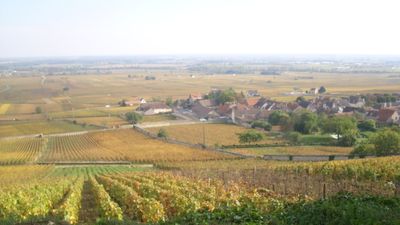
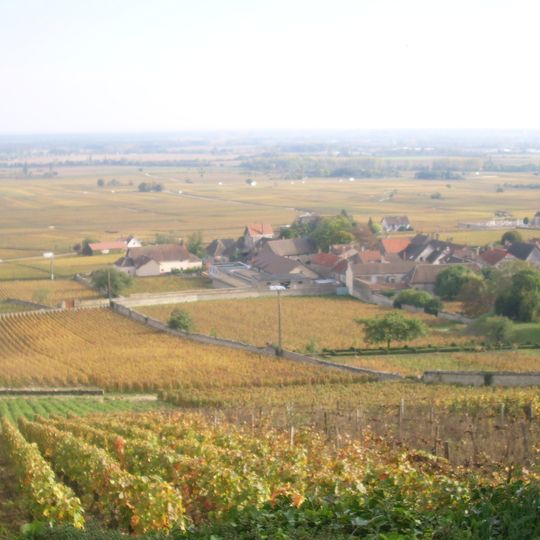
The Côte de Beaune stretches south from Beaune across limestone ridges and varied soil types suited to viticulture. The region includes well-known wine villages where different microclimates and soil conditions produce distinct wine styles and flavors.
The region received official recognition as a wine area in 1937, though vineyards here developed under Roman influence centuries earlier. This long tradition shaped the cultivation techniques and land classifications that continue to guide production today.
The annual wine auction at the Hospices de Beaune establishes prices for Burgundy wines while funding charitable healthcare work. This event has become central to how the wine world values bottles from this region and shapes local identity.
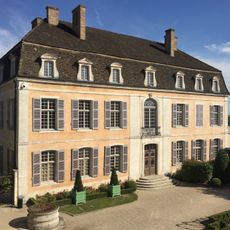
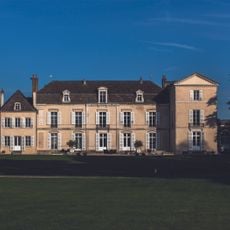
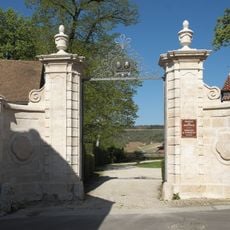
Wine cellars in villages like Meursault, Puligny-Montrachet, and Chassagne-Montrachet welcome visitors for tastings and tours. Autumn brings the busiest season when harvest is underway, though most cellars remain open to visitors throughout the year.
Limestone-rich soils at elevations between 300 and 370 meters (980 and 1,210 feet) create distinctive mineral flavors in white wines. These geological features have shaped the region's reputation for producing whites that express the soil's character.
The community of curious travelers
AroundUs brings together thousands of curated places, local tips, and hidden gems, enriched daily by 92,420 contributors worldwide.