Côte-d’Or, Department in Burgundy, eastern France
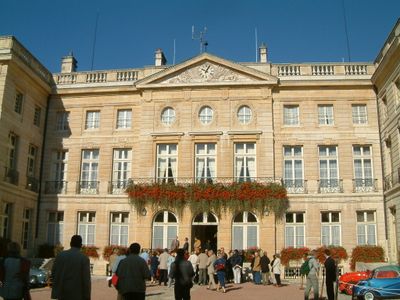
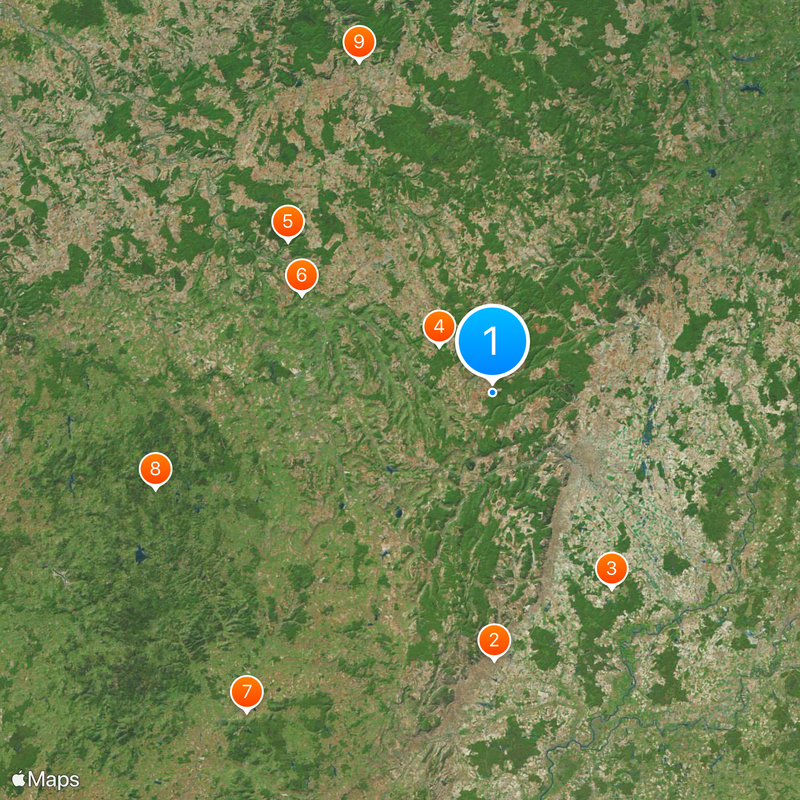
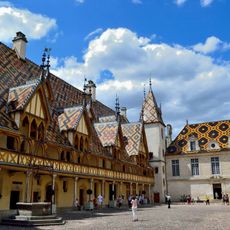
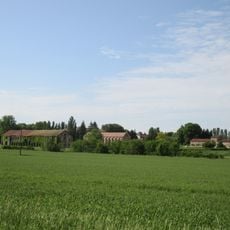
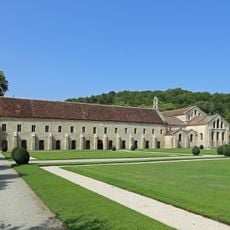
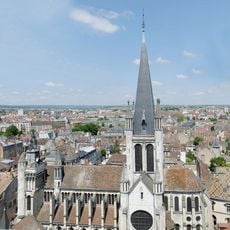
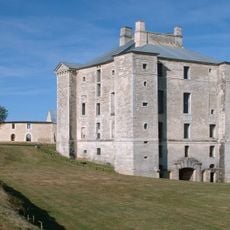
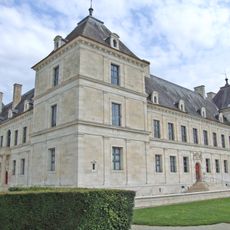
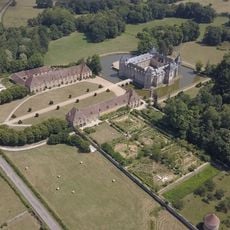
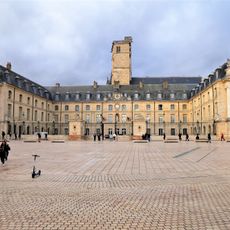
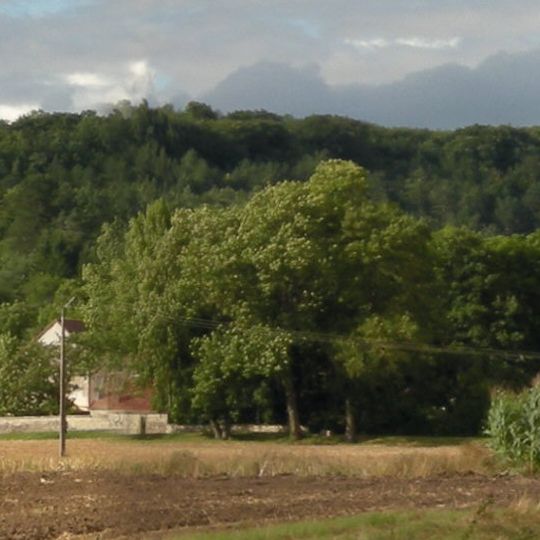
Côte-d'Or is a department in eastern France that covers the Bourgogne-Franche-Comté region and consists mainly of rolling hills, vineyards, and farmland. Dijon, the prefecture, sits in the northern section, while Beaune and Montbard form smaller administrative centers linked by country roads.
The area formed in March 1790 during the French Revolution as part of the nationwide reorganization that replaced the old provinces. Its borders followed partly the historical holdings of the Dukes of Burgundy, whose influence shaped the region during the Middle Ages.
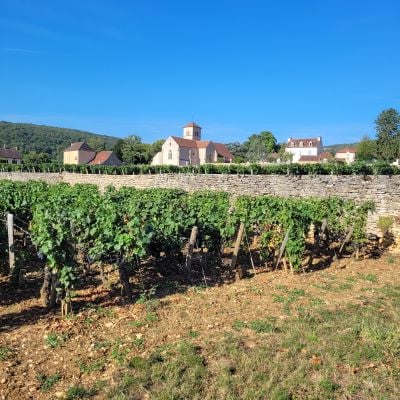
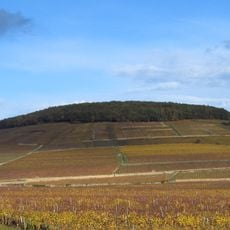
The name comes from the golden slopes of vineyards that stretch east of Beaune and Nuits-Saint-Georges. Along these slopes sit villages where winemakers have worked for centuries, and many open their cellars to visitors who want to taste Burgundy wine on site.
Roads link small towns to larger cities, with Dijon remaining the central hub for trains and major highways. Travelers driving along the wine route should allow time for stops, as distances between villages are often short and suitable for slow exploration.
The small town of Saint-Jean-de-Losne on the banks of the Saône is one of the smallest municipalities in the department, while Villiers-le-Duc in the north is among the largest by area. This contrast shows the variety of settlement patterns, from compact river towns to sprawling rural communities.
The community of curious travelers
AroundUs brings together thousands of curated places, local tips, and hidden gems, enriched daily by 90,758 contributors worldwide.