Picasso Museum, Art museum in Mediterranean castle of Antibes, France
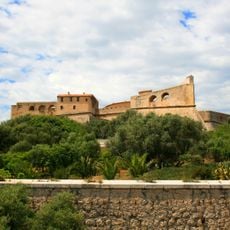
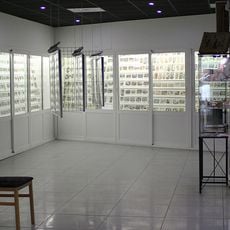
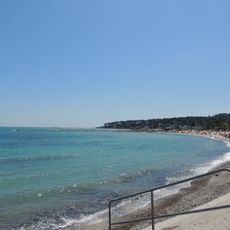
The Picasso Museum occupies a medieval fortress built upon ancient Greek foundations, rising above the Mediterranean coastline. Inside, white stone walls frame collections of paintings and drawings spanning different creative periods.
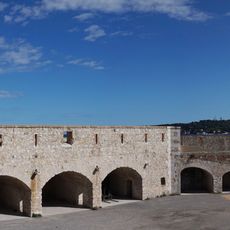
The Château Grimaldi stands on the acropolis of the Greek town of Antipolis and keeps Roman-era foundations and facades up to 5 m high. Its square tower, 6.50 m wide and 25 m tall, dates from the late 11th century. A Grimaldi branch occupied it from 1385; the present castle was built in the 15th century and altered in the 17th. Henry IV bought the fief in 1608, after which it served as governor's residence, town hall and barracks until 1924. The city bought it in 1925 and opened the Picasso museum in 1966.
The museum's name comes from Picasso's two-month stay in 1946, when Romuald Dor de la Souchère gave him a studio in the château; he left works on deposit, and a Picasso room opened the following year. In 1948 he added 78 ceramics made at Vallauris, and in 1957 Antibes named him an honorary citizen.
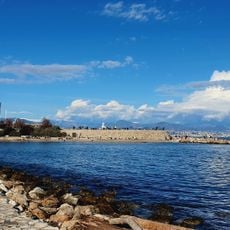
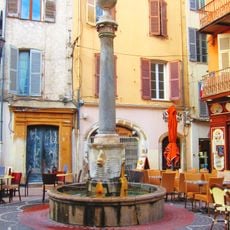
The museum occupies the Château Grimaldi on place Mariejol, in Antibes old town near the Mediterranean. The building was closed for renovation under architect Pierre-Antoine Gatier in March 2006 and reopened on 20 July 2008. Look for the round-arched entrance flanked by a plaque and the banner reading "Musée Picasso Antibes" on the wall.
Picasso was made an honorary citizen of Antibes in 1957. In 1948 he added 78 ceramics made at nearby Vallauris to the castle's holdings, and Jacqueline Picasso's bequest enriched the collection in 1990.
The community of curious travelers
AroundUs brings together thousands of curated places, local tips, and hidden gems, enriched daily by 93,401 contributors worldwide.