Petite Camargue Alsacienne, National nature reserve in Haut-Rhin, France
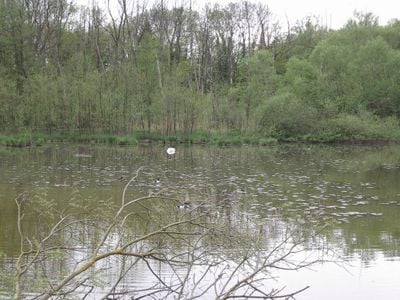
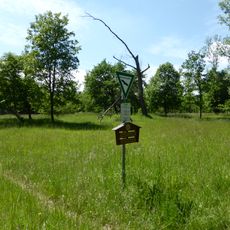
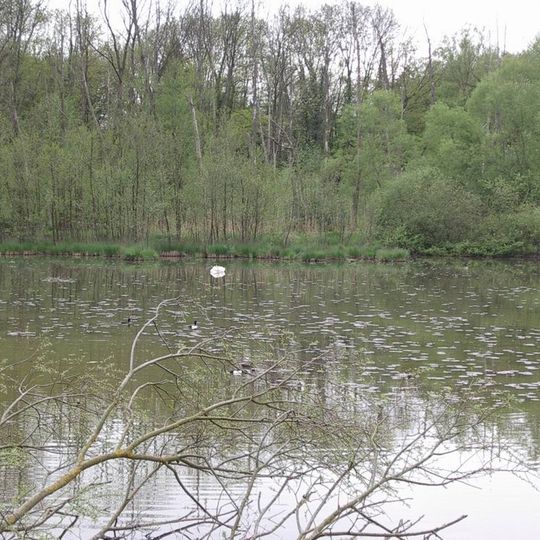
Petite Camargue Alsacienne is a 904-hectare national nature reserve in the Haut-Rhin, spanning the communes of Bartenheim, Kembs, Rosenau, Saint-Louis and Village-Neuf. It protects a mosaic of wet depressions, reed beds, old Rhine arms, wet meadows, dry grasslands, alluvial forests and groundwater springs. The Augraben, the only Rhine tributary in the department, crosses the reserve.
The reserve was established in 1982 as Alsace's first national nature reserve, marking a turning point in regional conservation efforts. Before that, the land served as a fish farm in the 1800s, leaving traces of human management that shaped the current landscape.
The name Petite Camargue Alsacienne was coined by L. P. Lutten, former editor-in-chief of the newspaper L'Alsace. Since 1990, two herds of Scottish Highland cattle have grazed the wet meadows as natural lawnmowers; two years after their introduction, the number of flowering plants rose from 42 to 60 species. The Maison de la réserve is open daily from March to October, 9 a.m. to 5 p.m.
The grounds are accessible through marked walking paths that vary in quality depending on the season and weather conditions. It is best to check conditions in advance, as some areas may be closed during certain periods to protect nesting birds.
The reserve hosts a research station focused on studying bird migration patterns, with particular attention to nightingale behavior. This scientific work contributes to international understanding of migratory birds and makes the site a hub for ornithological research.
The community of curious travelers
AroundUs brings together thousands of curated places, local tips, and hidden gems, enriched daily by 95,293 contributors worldwide.